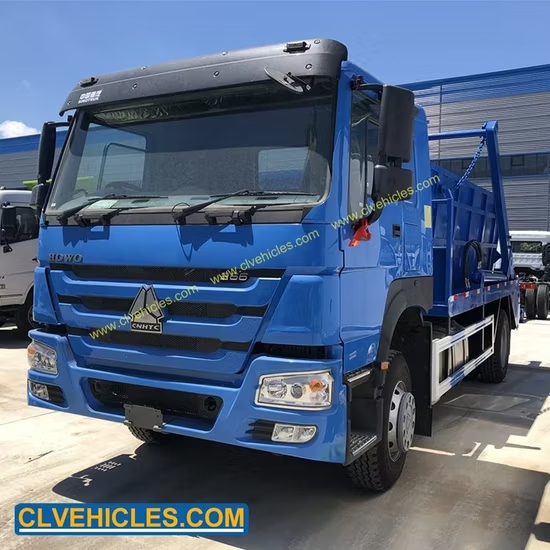
After long service, a refuse truck most often shows six faults. They are hard starting with weak pickup, tyre hum, wheel bearing noise, oil leaks, overheating at low speed and an unstable idle after a long run. Each fault gives an early sign in sound, heat, smell or fuel use. Caught early, most of them need only a short workshop visit.
A collection truck stops and starts all day, climbs with a full body and idles at every bin point. When a symptom appears, book an inspection soon, before it becomes an unplanned stop on a route.
Six symptoms at a glance
| What the driver notices | Usual cause | First check |
|---|---|---|
| Hard cold start, slow pickup, more fuel used | Gum deposits from stale or poor fuel | Fuel source, fuel filters, intake valves |
| Rhythmic hum at low speed that fades as speed rises | Uneven tyre wear from drifted wheel alignment | Tread edges by hand, then alignment |
| Steady hum at higher speed | Worn wheel bearing | Find the noisy wheel, replace the bearing |
| Oil spots under the parked truck | Underbody knock, tired seals, blocked crankcase breather | Oil pan, steering pump, gearbox, breather |
| Temperature climbs at idle and crawl speed | Radiator and condenser clogged with dust and insects | Front grille and radiator core |
| Uneven idle after a long fast run | Engine control unit adapting after carbon burn-off | Drive normally, recheck after a few days |
Hard starting, weak pickup and higher fuel use
When these three appear together, look at the fuel first. Fuel stored too long, or fuel of poor quality, can leave gum around the intake valves. The valves then move less freely. When the engine is cold they may stick, so the truck starts badly and feels flat when pulling away.
Light deposits can often be removed with a cleaning treatment. Heavy deposits may mean removing the cylinder head to clean the valves and flush the fuel passages. Ask which case applies before you approve the work.
Tyre hum and wheel bearing noise
A rhythmic hum at low speed that fades as speed rises usually comes from uneven tyre wear. After many kilometres, wheel alignment drifts and the tread wears on one edge. Run a hand across the tread. If the inner or outer edge feels stepped, you have found the cause.
Correct the alignment first and fit new tyres after that. New tyres on a misaligned axle will wear the same way. A hum that is faint at low speed but steady at higher speed points to a wheel bearing instead. Have the workshop find the noisy wheel and replace that bearing.
Oil leaks under the truck
Leaks after long service usually have one of three sources:
- Underbody knocks. On rough roads the truck may scrape the oil pan. A light blow often goes unnoticed until oil appears later.
- Heavy load on parts. Long hours of hard work can make the power steering pump or the gearbox start to weep at the seals.
- Crankcase ventilation. This part is often skipped at service time. If it blocks, pressure builds inside the engine at higher speed and pushes oil past the seals.
At each service, ask for an underbody inspection. Replace damaged parts, reseal weeping joints and include the crankcase ventilation parts in the job.
Overheating at low speed and uneven idle
If the temperature gauge rises while the truck crawls or idles, but settles at road speed, look at the front of the truck. The radiator and the air conditioning condenser sit there. Over long routes they clog with dust, grass and insects. At road speed the airflow hides the problem. At idle, cooling relies on the fan alone and the temperature climbs.
Remove the front grille, blow the debris out from the engine side with compressed air, then rinse the core with low-pressure water.
A slightly high or uneven idle after a long, fast run is a different case. Sustained high-speed running burns off some carbon inside the engine. The engine control unit may need time to adapt. In most cases the idle settles by itself with normal driving. If it is still uneven after a few days, ask for a full check.
Heat, dust and long routes in Africa
Fuel quality can vary between filling points, so use known stations when you can and keep fuel filters in good order. Dust and heat clog radiator cores faster than many crews expect, so add a look at the grille to the daily walk-around. Murram roads and rainy-season mud cause underbody knocks and uneven tyre wear, so alignment checks are worth the time.
Workshops can be far from the depot, and parts may take time to arrive. Report small symptoms early and keep a written fault history for each truck. Service intervals and fluid grades differ by chassis, so follow the chassis maker manual. Our page on how a garbage compactor truck works explains the body systems. When a truck does stop, how to write a clear fault report shows what the workshop needs to know.
Refuse trucks on this site
See all refuse trucks. Councils that run collection rounds often also need road sweepers for street cleaning.
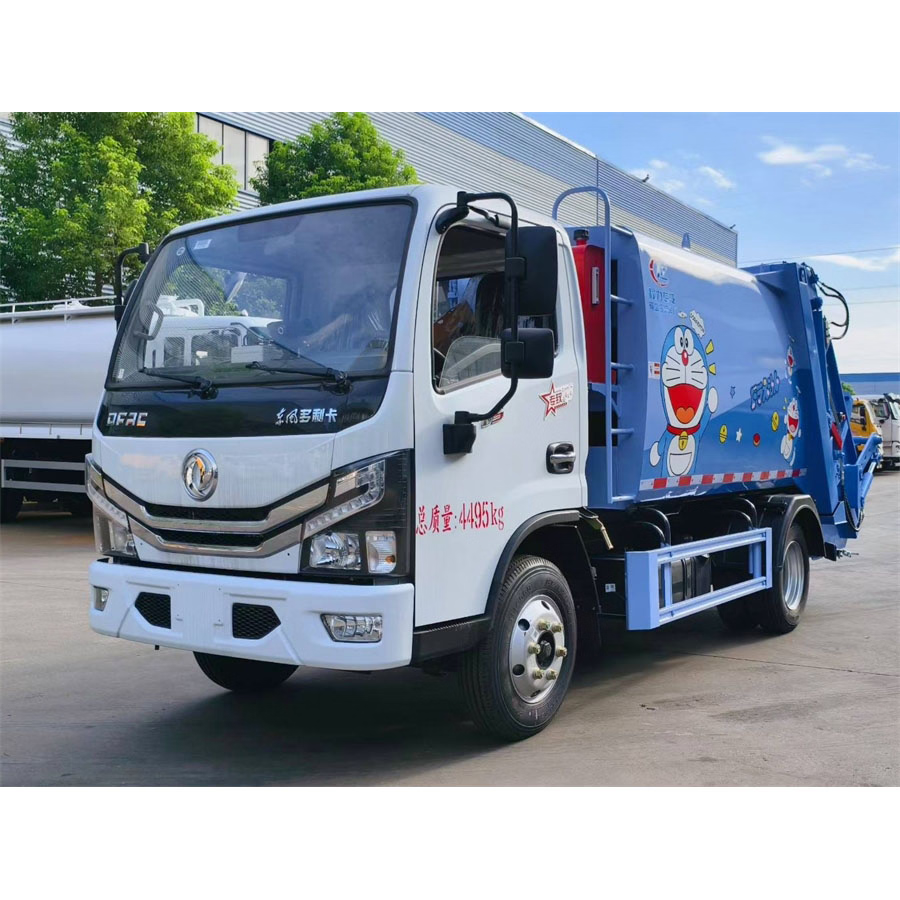
- Qingling Isuzu 100P 4x2 Refuse Compactor, 5-6 m3 Body, 130 hp: small rounds and narrow streets in older town centres.
- Dongfeng 4x2 Refuse Compactor, 5-6 m3 Garbage Truck, 120 hp: compact body for housing estates and market areas.
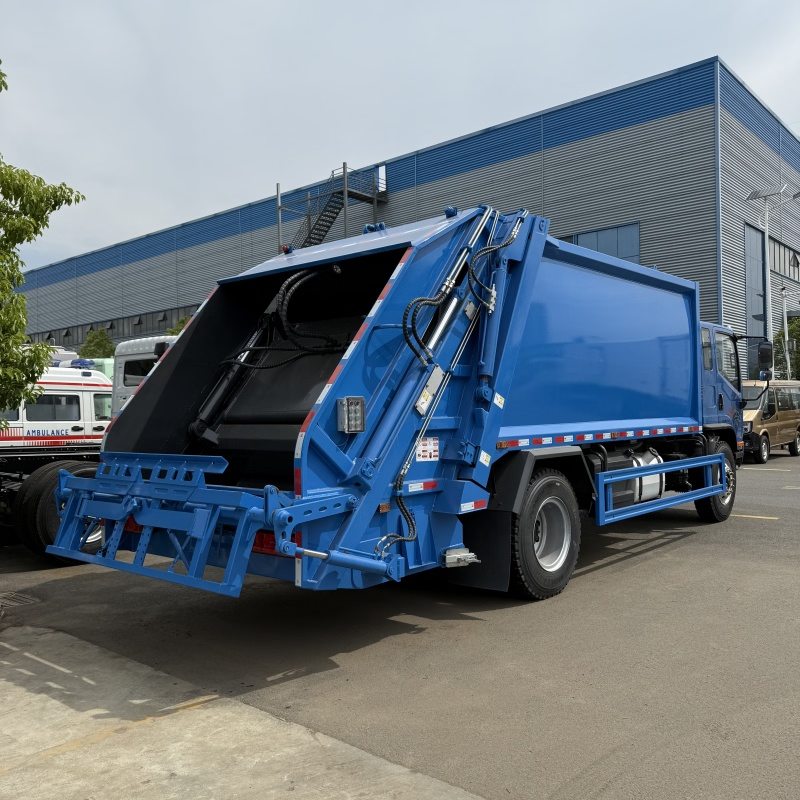
- FAW 4x2 Refuse Compactor, 10-12 m3 Body with Rear Bin Lifter: mid-size routes with wheeled bins.
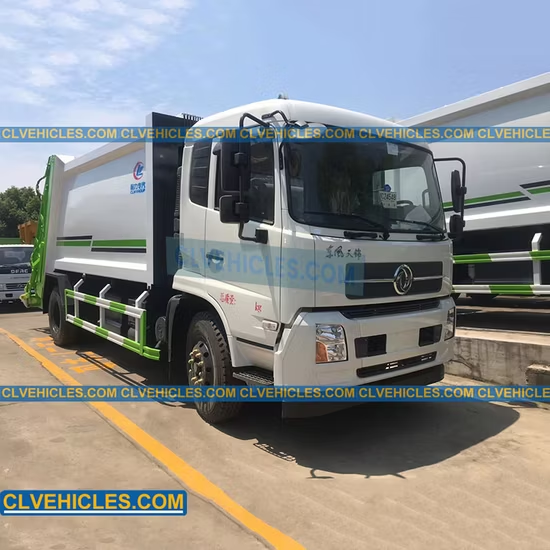
- Dongfeng 4x2 Garbage Compactor Truck, 14 m3 Rear Loader for Towns: town routes with longer runs to the dump site.
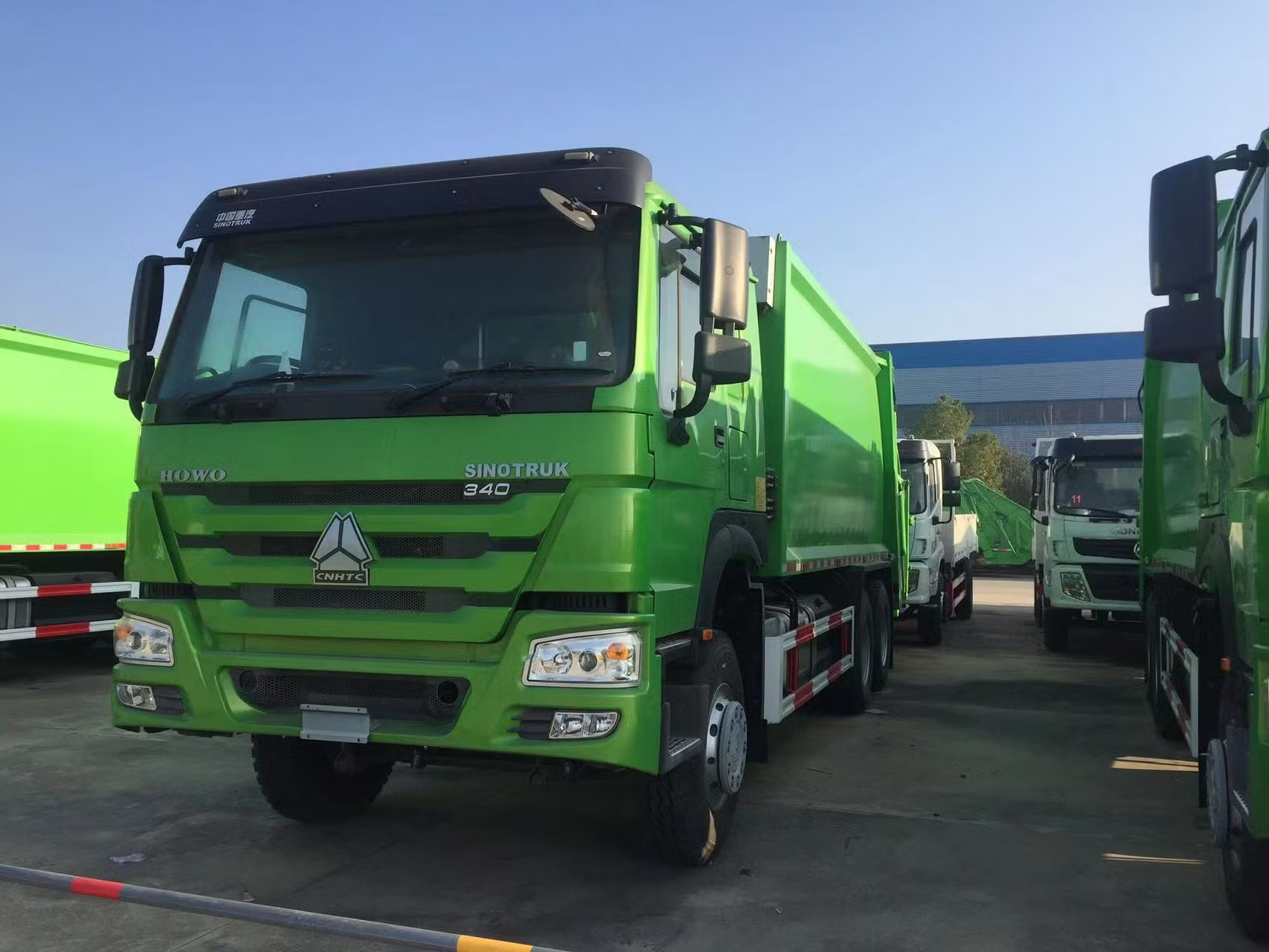
- Sinotruk HOWO 6x4 Refuse Compactor, 20-25 m3 Body, 210 hp: city routes with high daily tonnage.
- Sinotruk HOWO 4x2 Skip Loader Garbage Truck, 266 hp Swing Arm: collecting skips from markets and transfer points.
Before you order, read how to buy from the CLW factory, or contact us with your route details.