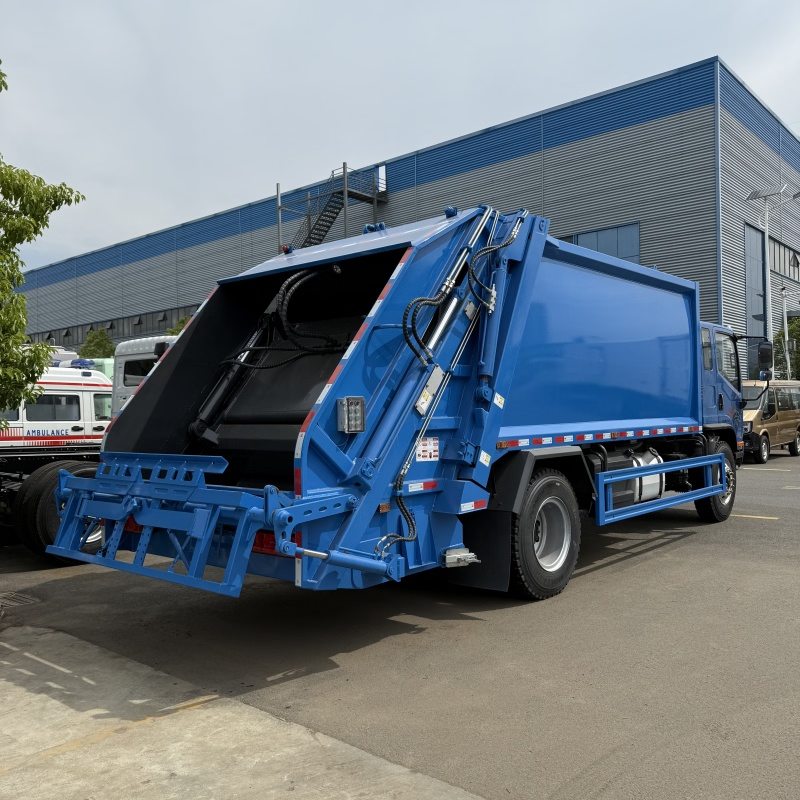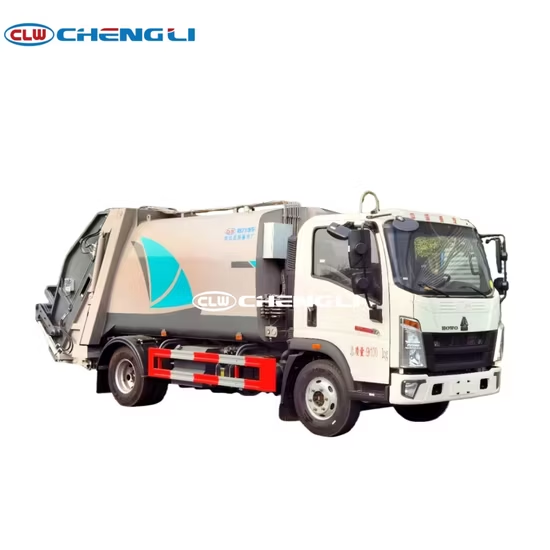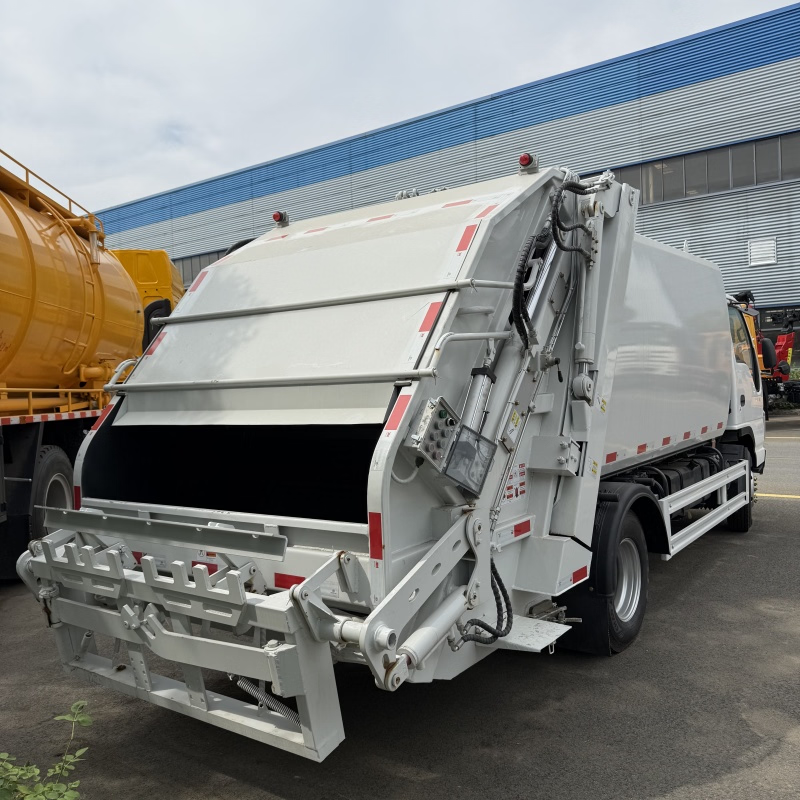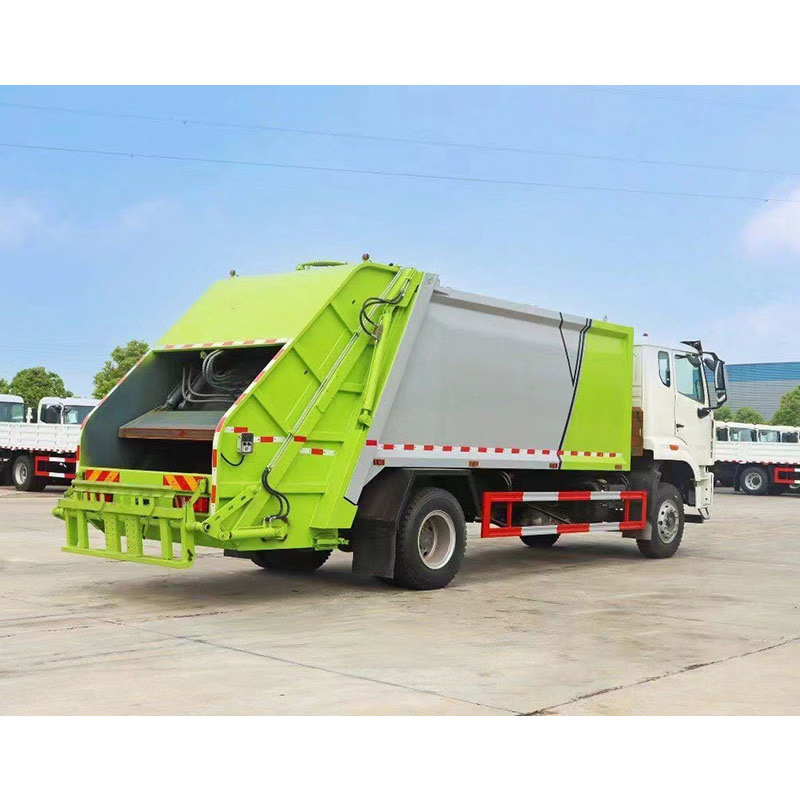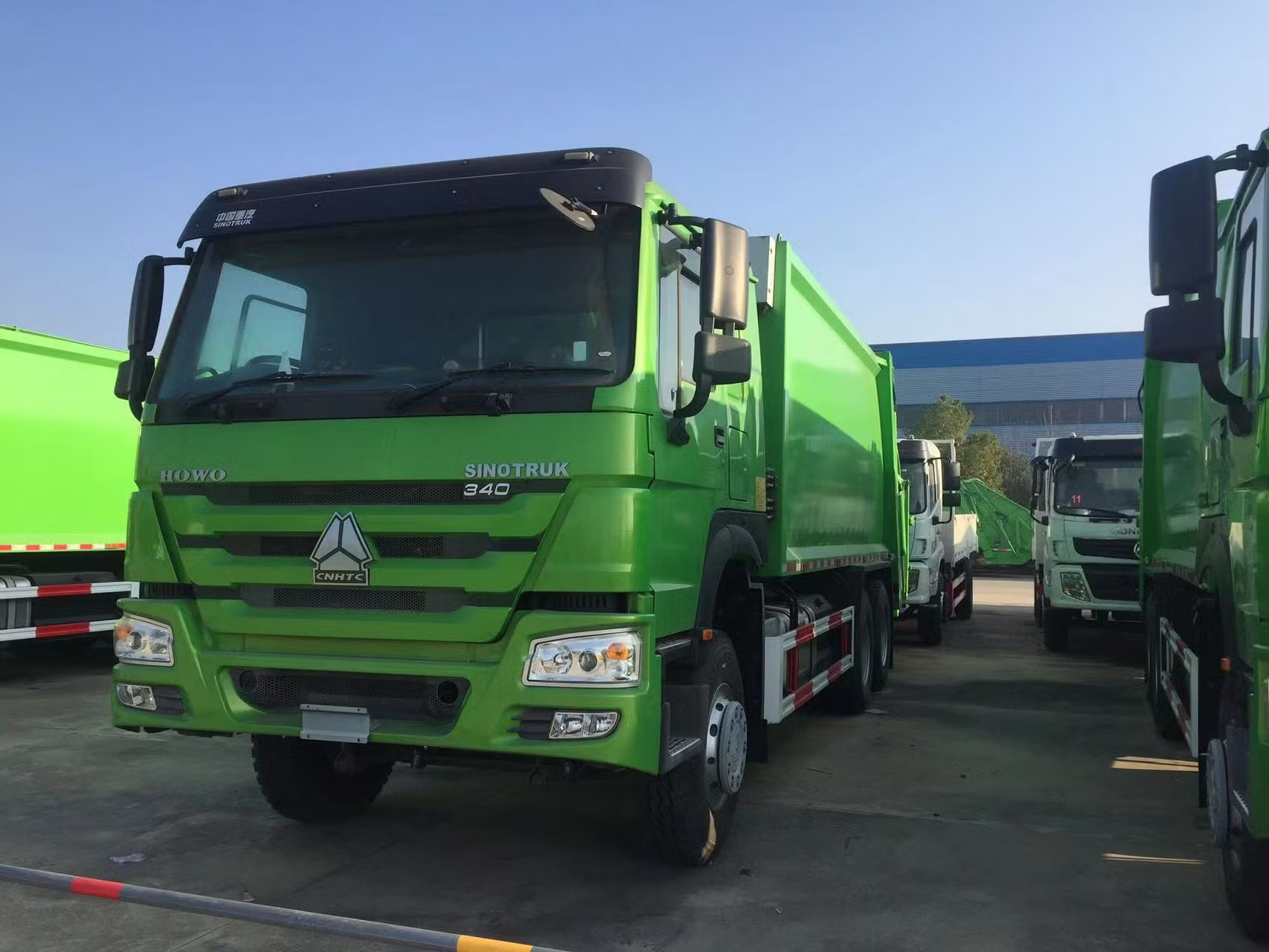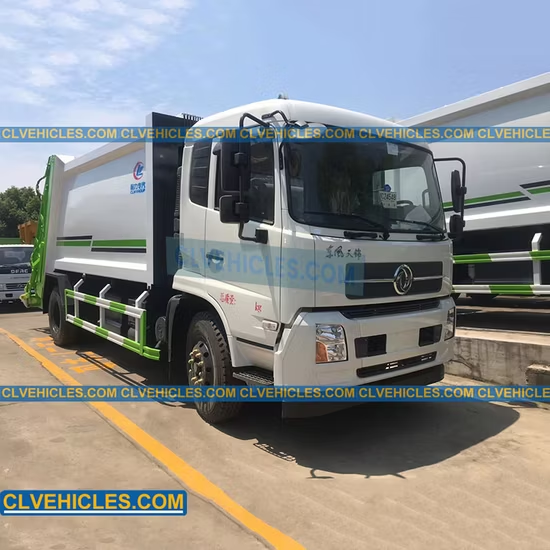
A useful refuse compactor fault report names the truck and the body, then states which stage failed: bin lifting, packing or discharge. It records the last movement that worked, the first one that did not, whether the body was loaded, and what the crew did next. Add clear photos and send it the same day, so the technician can prepare before travelling.
Why a clear report matters far from a workshop
In many African towns, the nearest hydraulic technician may be hours away by road. A message that only says the truck is broken sends that person out with the wrong tools and the wrong parts. The truck then waits again while parts are found. A clear report cuts that loop. It also lets the owner compare one fault with the next. Waste left in a stopped body in hot weather soon becomes a smell and health problem, so every hour saved counts.
Identify the truck, the body and the controls
Start with the fleet number, the chassis number and the body serial number from the body plate. The chassis and the compactor body are separate assemblies, often with separate manuals. Say where the controls are: in the cab, at the rear of the body, or both. Say whether the truck was loaded or empty, and roughly how full. This tells the service team which drawing and which hydraulic circuit to open first.
Bin lifting: where was the bin when it stopped?
State the type of lifter fitted and the bins it handles. Then describe where the bin was at the moment of the fault: on the ground, halfway up, or tipped at the top. Say whether the bin was full. Note whether the lifter stopped suddenly or slowed down over several cycles. A slow change points in a different direction from a sudden stop, so this detail is worth writing down. For how the lifter, hopper and packer work together, see how a garbage compactor truck works.
Packing: record the last movement that worked
Write down the last normal movement first, then the first movement that failed. Say where the packer plate or sweep plate stopped: at the top, at the bottom, or part way. Say whether the engine stayed at working speed or dropped when the control was used. Listen for unusual noise and note where it seemed to come from. Do not keep cycling the controls to repeat the fault. Repeated attempts can turn a small fault into a bigger one.
Discharge: which step of the unloading stopped?
Name the step that failed: opening the tailgate, pushing out with the ejector plate, or tipping the body, depending on the design. Note the position of each part when it stopped. Say whether the truck can still be driven safely with the tailgate in that position. Also say whether the body still holds waste that must be emptied before repair work. In dusty depots, note any visible oil leak. Dust sticks to wet oil, which makes the leak point easy to photograph.
A six-line report you can send the same day
| Line | What to write |
|---|---|
| 1. Identity | Fleet number, chassis number, body serial number |
| 2. Time and place | Date, location, odometer or engine hours |
| 3. Stage | Bin lifting, packing or discharge |
| 4. Last normal movement | What worked just before the fault |
| 5. Action taken | What the driver or crew did next |
| 6. Photos | The failed part, any leak, and any warning light or message |
Keep a copy in the vehicle file. When the next fault happens, compare it with this one. Repeated faults at the same stage are worth raising with whoever services the truck. Safety comes first. Never stand under a raised bin, tailgate or body to take a photo. Follow the body maker manual for locking parts before anyone works on them.
What to ask for before you buy a compactor
A fault report is easier to write when the truck arrives with clear papers. At the quotation stage, ask for the body manual, the hydraulic diagram and the body parts list, not only the chassis manual. The truck quotation checklist lists other points to confirm. These refuse trucks on CLW pages show the range of body sizes and lifter set-ups:
- Dongfeng 4x2 Garbage Compactor Truck, 14 m3 Rear Loader for Towns: a rear loader sized for town collection rounds.
- FAW 4x2 Refuse Compactor, 10-12 m3 Body with Rear Bin Lifter: a mid-size body with a rear lifter for street bins.
- Dongfeng D7 4x2 Garbage Compactor with Bin Lift Arm, 10 m3 Body: a 10 m3 body with a bin lift arm.
- Isuzu 4x2 Mini Refuse Compactor, 5 m3 Body with Bin Lifter: a small body for narrow streets and short rounds.
- Sinotruk HOWO 4x2 Refuse Compactor, 16 m3 Body, 18 t GVW, 210 hp: a bigger two-axle body for busy urban routes.
- Sinotruk HOWO 6x4 Refuse Compactor, 20-25 m3 Body, 210 hp: a 6x4 chassis for long runs to a distant landfill.
- Dongfeng Tianlong 6x4 Refuse Compactor, 18-22 m3 Sealed Body: a sealed body for wet household waste.
Browse all refuse trucks, or the road sweepers that often work in the same council fleet. For the steps from enquiry to shipment, see how to buy from CLW.