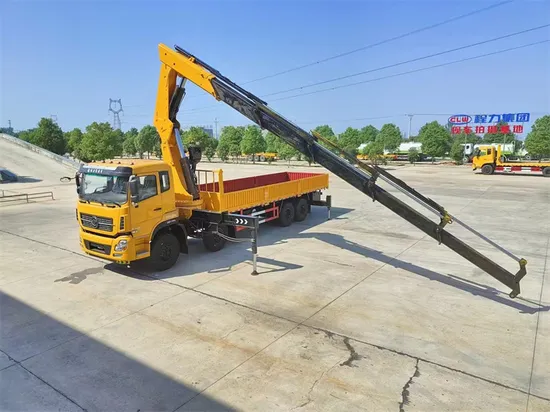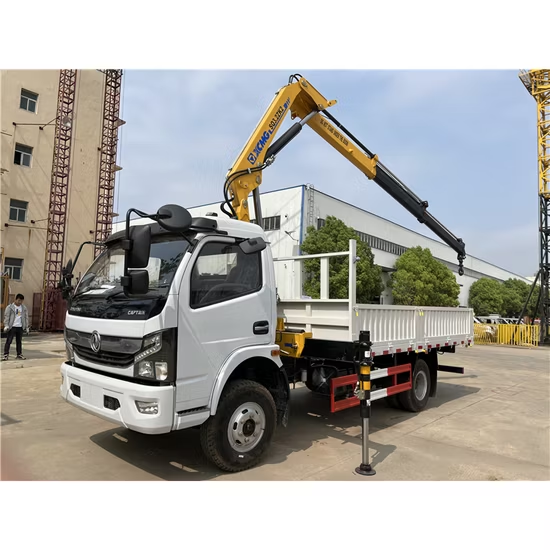
A truck-mounted crane should only be run by a trained operator who follows the crane maker manual, the load chart and the rules where the truck works. Before each lift, check the machine, set the outriggers on firm pads and know the load weight. Stop and do not lift when signals, weight, slinging or ground are in doubt.
Training, the manual and local rules
A truck-mounted crane is a complex machine, and a lift that goes wrong can hurt the operator, the signaller and anyone nearby. Do not hand the controls to someone who has not been trained on that crane. Controls, load charts and warning devices differ between models. Operators who move between trucks can carry over habits that do not apply. Keep the crane maker manual in the cab so the next operator can read it. This page gives general safe practice only. It does not replace training, the manual or local lifting rules.
To understand the machine itself, read how a truck-mounted crane works.
Daily checks before work
- Engine oil, coolant, fuel and hydraulic oil: level and condition, and any leaks under the truck.
- Hydraulic hoses and fittings: cracks, rubbing or weeping joints.
- Grease points: grease them as the crane maker manual states.
- Wire rope, hook and safety latch: broken wires, kinks, wear or a latch that does not close.
- Limit switches, load indicators and warning devices: test that they work.
- Outrigger beams, jacks and pads: free movement, no damage, pads on board.
In heat and dust, hydraulic oil, filters and grease points need checking more often than in mild conditions.
Running in a new crane
A new crane needs care at first. The usual advice fits in four points: lighter loads, more lubrication, more training and closer checking. Check fluid levels and quality often during this period, and look over the whole truck for leaks. Follow the running-in rules in the crane maker manual. This reduces early faults and helps the crane last.
Setting up on soft ground
Many sites sit on murram, loose fill or clay that softens in the rainy season. The ground under a leg may not be as firm as it looks. Culverts, drains and fresh trenches can hide weak spots. Park on the firmest level ground near the load. Put a solid pad under every foot, and extend the beams as the load chart requires. Keep the legs well back from trench edges. The guide why crane trucks need outriggers explains the stability side.
Ten situations when you must not lift
| Situation | Why it is unsafe |
|---|---|
| The signal is unclear | The operator may move the load the wrong way |
| The site is too dark to see | Ground, load and signals cannot be checked |
| The load weight is unknown or over the chart | The crane may tip or a part may fail |
| The load is badly slung or unbalanced | It may slip, tip or fall |
| A person or loose items are on the load | They can fall during the lift |
| The crane has a defect that affects safety | A damaged part can fail under load |
| The load may be fixed to the ground | The pull needed is unknown and can overload the crane |
| The pull is at an angle | Side drag loads the boom in a way it is not rated for |
| Sharp corners have no padding | The sling can be cut |
| A liquid container is overfilled | The liquid can spill or swing the load |
If in doubt, stop, set the load down safely and solve the problem first. Where dangerous goods are involved, follow the dangerous goods rules of your country.
What to record
- Daily check results, signed by the operator.
- Each defect found, when it was reported and how it was fixed.
- Grease and oil work, with the date and engine or crane hours.
- Any lift that was stopped, and why.
Sites far from a workshop benefit most from a clear log. A mechanic can then plan the parts before the trip.
Crane trucks on this site
- Dongfeng Captain 4x2 Knuckle Boom Crane Truck, 3.2 Tonne Crane: light deliveries in town.
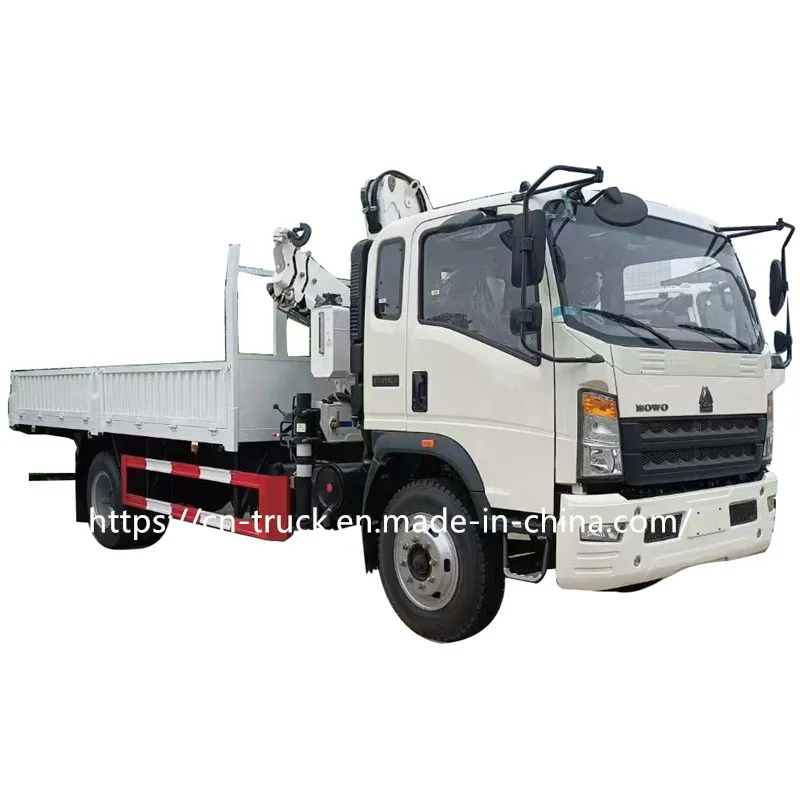
- HOWO 4x2 Light Knuckle Boom Crane Truck, 5 t Deck Load: building material drops.
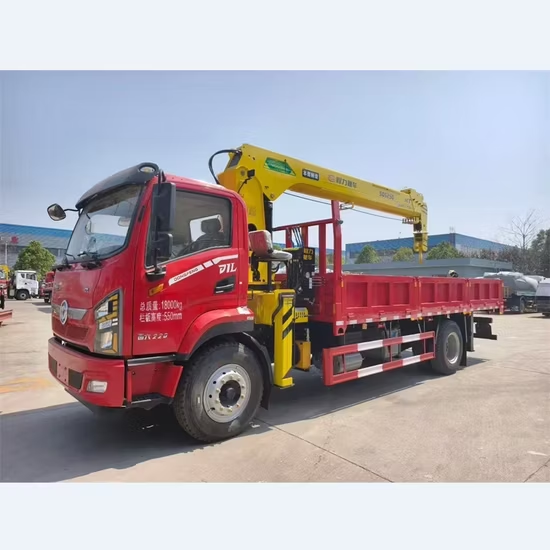
- Dongfeng 4x2 Crane Truck, 6.3 Tonne Telescopic Boom: general lifting with a simple rear leg layout.
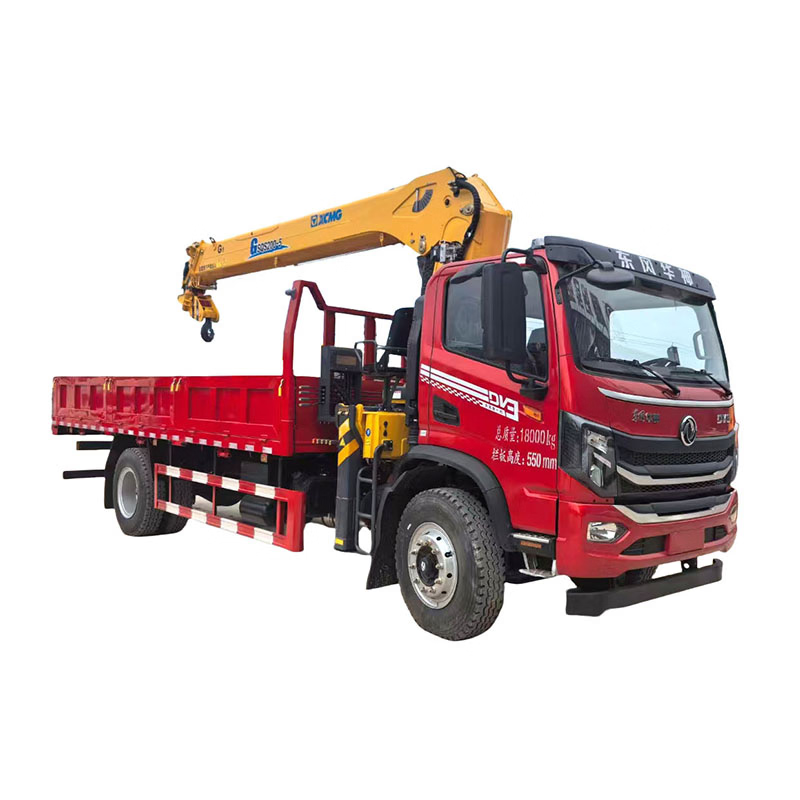
- Dongfeng 4x2 Boom Truck, 10 Tonne Deck and Five-Section Crane: longer reach on a two-axle truck.
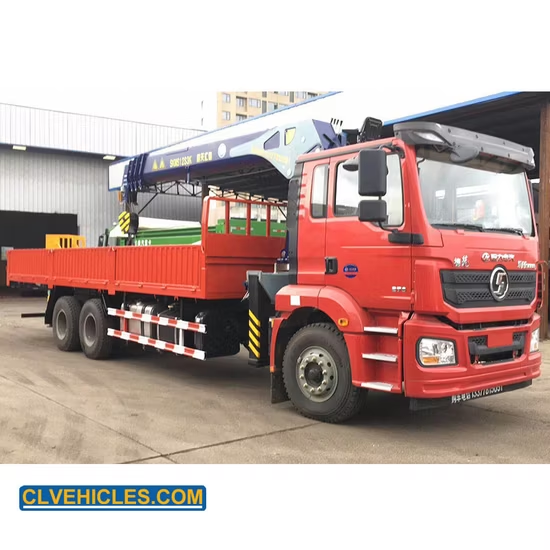
- Shacman F3000 6x4 Boom Truck with 14 t Telescopic Crane: heavier site lifts.
- Sinotruk HOWO 8x4 Knuckle Boom Crane Truck, 16 Tonne Crane: heavy loads and long decks.
Browse all crane trucks and truck chassis. To choose a crane size, read the crane lorry buying guide. To discuss a crane truck, use the contact page.