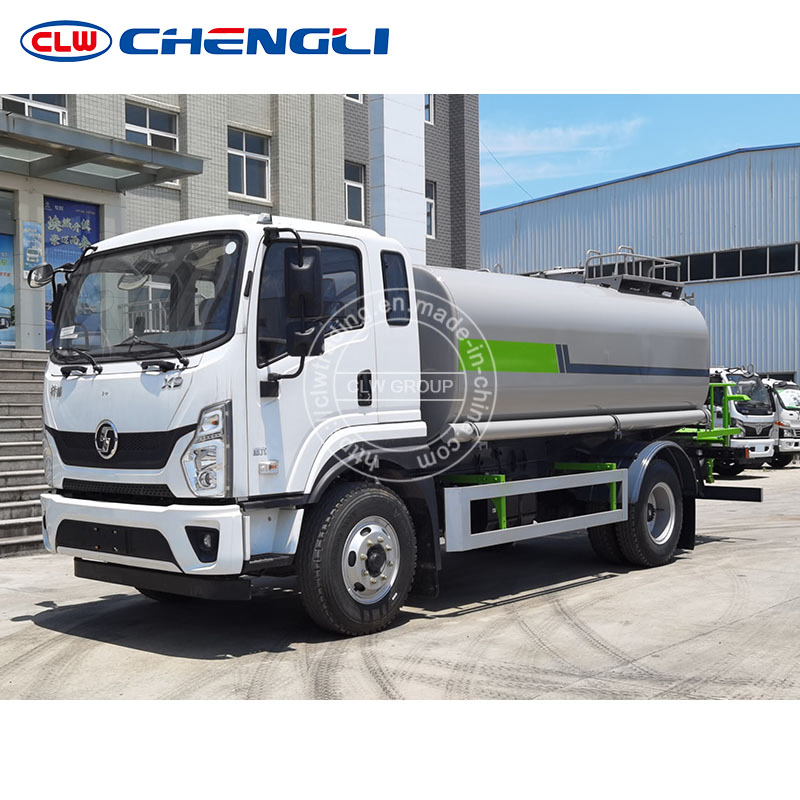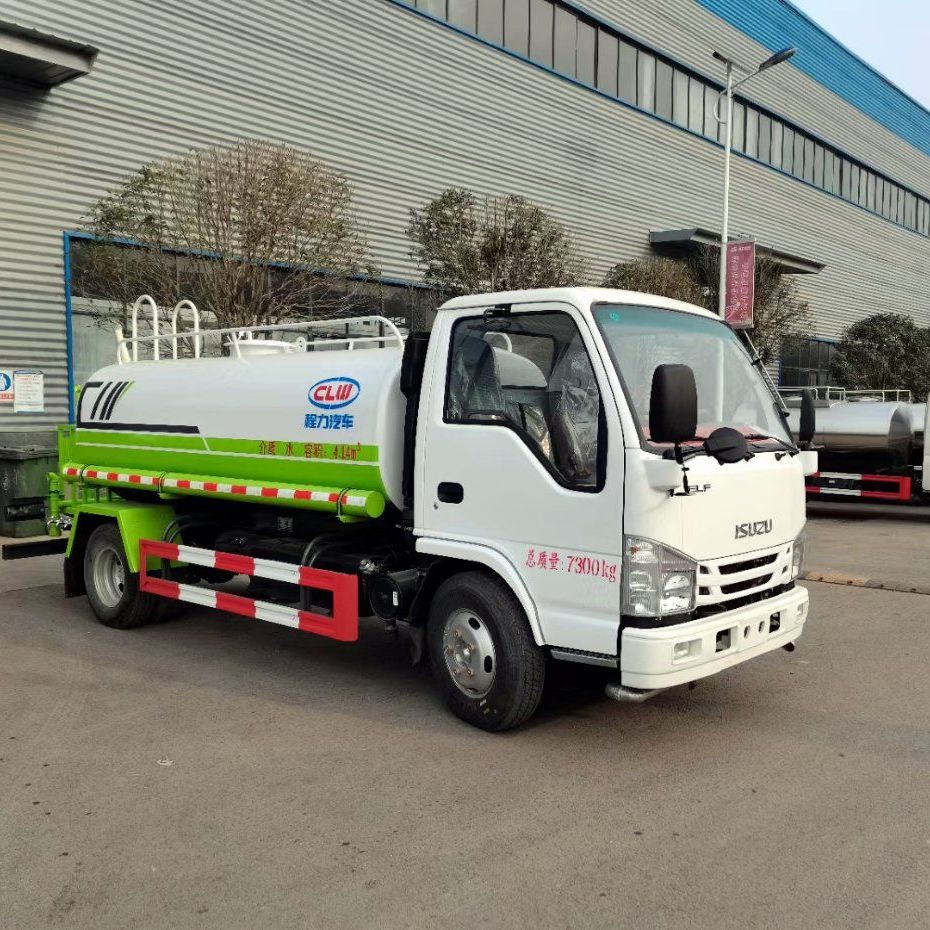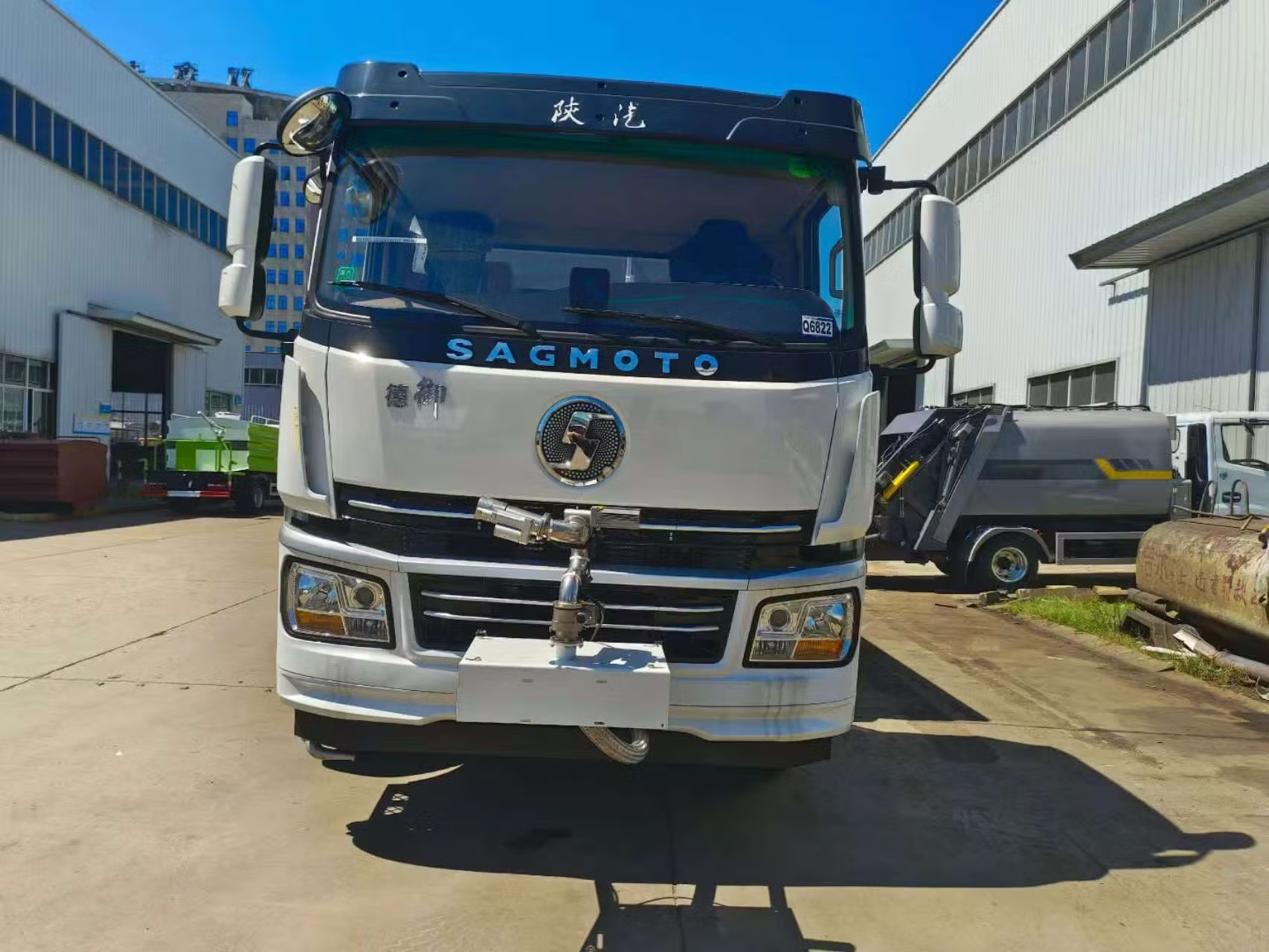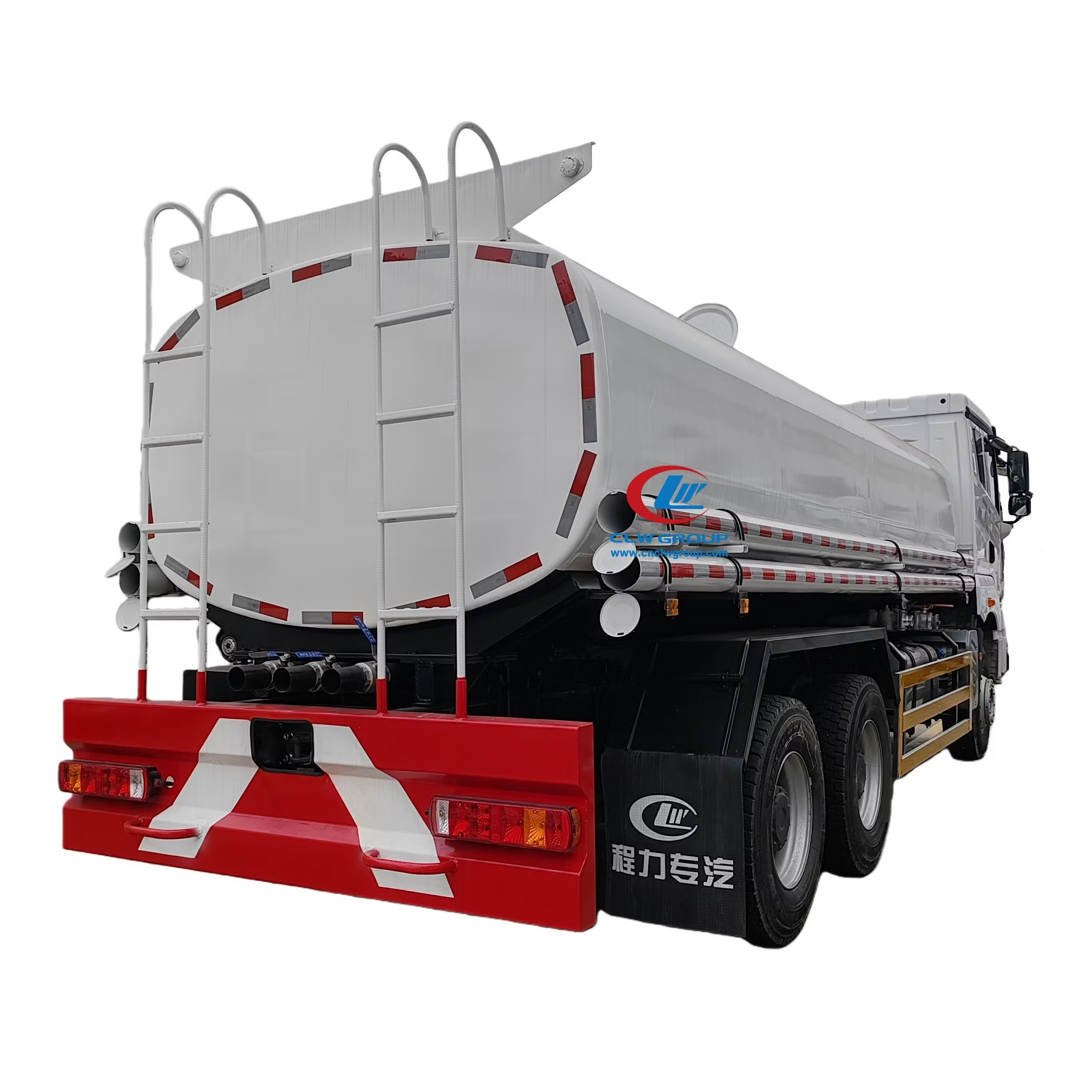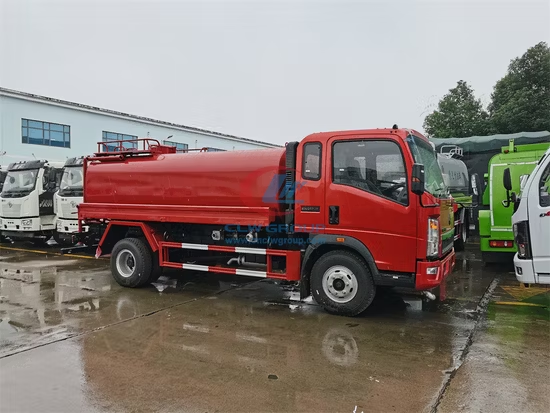
A water bowser works by taking power from the truck engine through a power take-off (PTO) on the gearbox. A drive shaft turns a water pump. The pump draws water into the tank through a suction hose, or pushes it out to the front flush bar, the rear and side sprays, or a water cannon. Valves decide where the water goes.
Buyers in Kenya, Nigeria and South Africa may call the same truck a water tanker, a sprinkler truck or simply a water truck. The working parts are the same. This page explains each part, how the parts work together, and what to check before a shift.
The four main parts of a water bowser
| Part | What it does | What to ask for in a quotation |
|---|---|---|
| Chassis | Carries the tank and supplies engine power. Its rating limits how much water the truck can carry. | Drive layout (4x2, 6x4, 8x4), GVW and engine |
| Tank | Holds the water. Baffle plates inside cut surge when the truck brakes or turns. | Volume, plate material and thickness, manhole and drain |
| PTO and pump | The PTO takes power from the gearbox and a drive shaft turns the pump. | Pump model, flow per hour, self-priming or not |
| Pipes, valves and outlets | Send water to the chosen outlet: front flush, rear spray, side spray or cannon. | Outlet list, spray width, cannon range, valve type |
How the tank is built
Most tanks are carbon steel plate. Stainless steel is used for drinking water work. Baffle plates divide the inside into sections. They stop the water from surging forward under braking, and they also stiffen the tank. A manhole on top allows filling, cleaning and inspection. A drain valve at the bottom of the tank lets settled sand and silt out. For more on plate grades, read what the steel grade does not tell you.
How the pump fills and empties the tank
The same pump usually does two jobs. With the valves set for suction, it draws water from a river, dam or pit through a hose and strainer. With the valves set for discharge, it pushes water from the tank to the outlets. Many trucks can also fill from a hydrant, or from an overhead pipe through the top manhole.
A centrifugal pump needs priming water in its casing before it can lift water. A self-priming pump needs priming only at first use or after it has been drained. In both cases the suction side must be airtight. A split hose or loose clamp lets air in, and the pump then runs without drawing water. Some truck pages state a suction lift, such as the 7 m given for the small Isuzu bowser below.
The pump only turns when the PTO is engaged. Engage it with the truck stopped and the clutch pressed, then release the clutch slowly. Our guide What Is a PTO on a Truck? explains the drive in more detail.
Where the water comes out
- Front flush bar: low nozzles in front of the bumper wash dirt off the road ahead of the truck.
- Rear spray bar: a fan of water behind the truck for dust control on haul roads and building sites.
- Side sprays: throw water to the road edge or verge. Many trucks combine front, rear and side outlets.
- Water cannon: a turning monitor on a rear platform. It throws a jet or a spray for trees, high walls or emergency use.
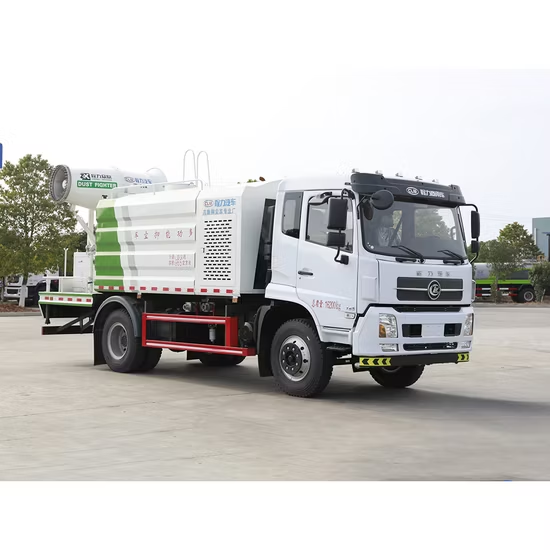
- Mist or fog cannon: a fan unit that sends fine droplets over stockpiles, quarries and demolition sites.
Spray width and cannon range differ from truck to truck. For example, the HOWO 8,000 litre bowser states a 40 m3 per hour pump and a cannon range of 28 to 35 m. The Shacman 6x4 bowser below states a spray width of 15 to 20 m. Always read the figure on the page for the exact truck. The guide to water bowser pump and spray options shows how to read these lines.
Checks before each shift
- Gearbox oil level, and any leaks under the PTO and pump.
- PTO switch off and hand throttle at minimum before the engine starts.
- Pump strainer clean, suction hose not split, clamps tight.
- Valves set for the job, with no leaks at joints.
- Tank drain opened until the water runs clear of silt.
- Manhole cover closed and locked before driving.
Write any leak, noise or slow filling in the truck log. In dusty work, clean strainers and nozzles more often. Follow the chassis maker manual for oil changes and greasing.
Water bowsers to compare
- HOWO 4x2 Water Sprinkler Bowser, 8,000 Litres, 40 m3/h Pump: front sprays and a 360 degree cannon for town work.
- Dongfeng 4x2 Water Bowser, 12,000 Litre Tank with Front and Rear Spray: self-priming pump with front flush, rear spray and a greening cannon.
- Isuzu 4x2 Small Water Bowser, 98 hp Engine, 28 m Water Cannon: compact truck for narrow streets and small sites.
- Shacman 6x4 Water Bowser, 25 Tonne GVW, Front Flush and Rear Spray: bigger load for road works and haul roads.
- FAW JH6 6x4 Water Bowser with 390 hp Xichai Engine and 60 m3/h Pump: high pump flow for quick filling and long spray runs.
- CLW 4x2 Dust Suppression Mist Truck, 10 m3 Tank: mist cannon for quarries and stockpiles.
See all water bowsers, or look at road sweepers when the road also needs debris picked up. To size the tank, read the water bowser size guide. When you are ready, follow the steps on how to buy a truck from CLW.