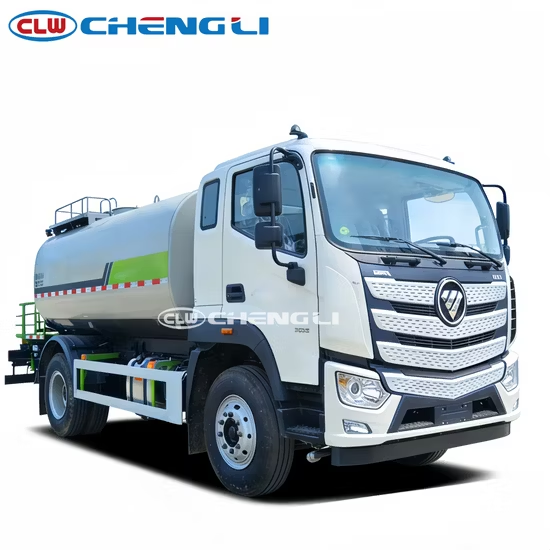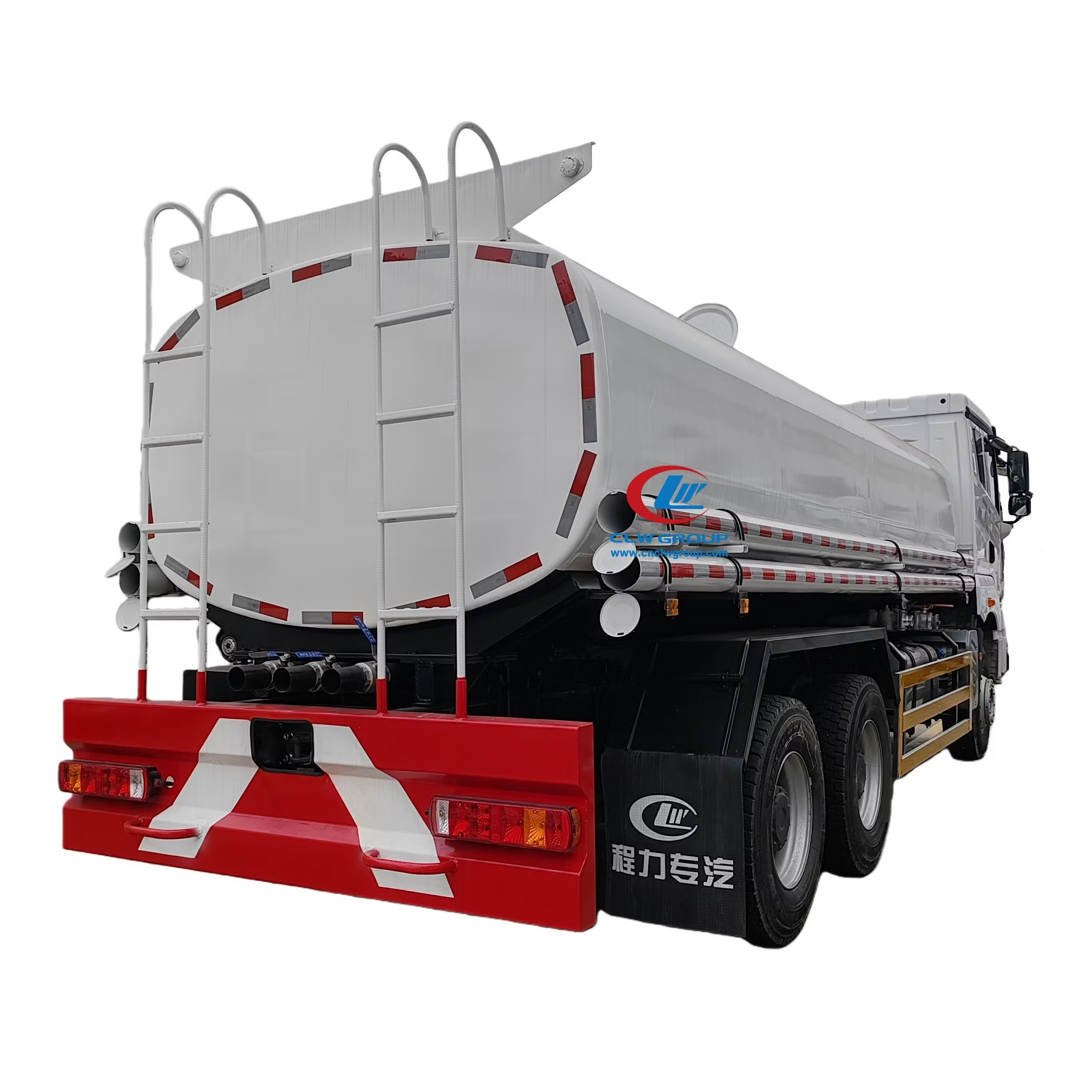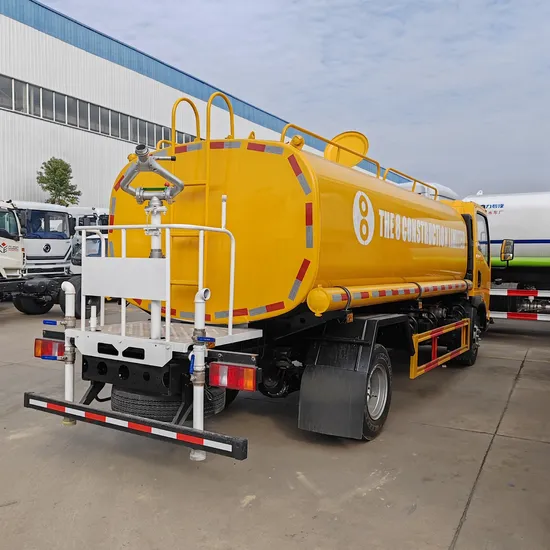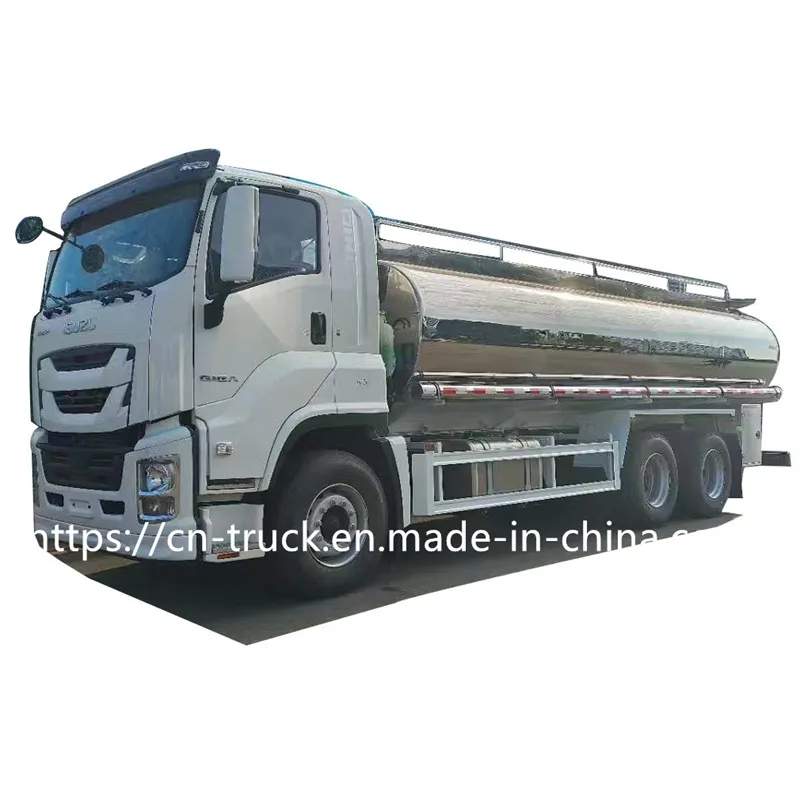
The steel grade in a water truck quote names the metal only. It does not tell you the plate thickness, the inside finish, the material of pipes and valves, or whether the full tank suits drinking water. Ask for material and thickness for each part of the tank and the inside treatment. Then state the water source and use.
Match each material to a part of the tank
A tank has a shell, end plates (heads), baffles, a manhole, an inlet and outlets. Each part can use a different material or thickness. A line that says carbon steel or stainless steel is a choice, not a specification. The final quotation should name one material for each part.
Pump material is a separate item. A stainless pump on a fog cannon does not make the tank stainless. Read the pump line and the tank line on their own.
Grade and thickness are two different lines
Q235 is a common Chinese carbon structural steel. 304 is a common stainless grade. Neither name gives the plate thickness. Truck pages on this site show how the figures split by part:
- Dongfeng 4x2 12,000 litre bowser: 4 mm carbon steel shell, 5 mm end plates and 3 mm baffle plates.
- Dongfeng 4x2 8,000 litre stainless bowser: 304 stainless, 4 mm main body, 4.5 mm tank head, stainless inlet and outlet.
- FAW JH6 6x4 bowser: 4.5 mm main body and 5 mm tank head.
- Isuzu 6x4 20,000 litre tanker: 4 mm 304/2B stainless steel, food grade.
If a quote gives a thickness range, such as 4 to 6 mm, ask which value applies to which part. Do not shorten it to one number.
Ask about the inside finish
The inside surface matters as much as the base metal. Carbon steel tanks need a coating or treatment against rust. One 4x2 bowser page states that its tank is treated against rust and corrosion. Stainless tanks may have a 2B mill finish or a polished finish. 2B is a smooth cold rolled finish that is easy to clean. Ask for the exact treatment in writing. If the quote does not name one, do not assume it from the outside paint.
Insulated tanks have an inner and an outer skin
Insulated tankers add a second layer. The Isuzu 4x2 insulated tanker has 70 to 80 mm of polyurethane insulation and a 2 mm 304 stainless outer skin. The 2 mm figure is the outer cladding, not the inner tank. Ask for the inner tank material and thickness as a separate line. The truck page itself names inner tank material as an item to confirm in the quotation.
A tank schedule to request
| Field | What to state | What it does not prove alone |
|---|---|---|
| Material and grade | Material for each part: shell, heads, baffles, fittings | Plate thickness, or fitness for drinking water |
| Thickness | Value for each part | Inside finish or rust protection |
| Inside finish | Coating, treatment or stainless finish | The state of hoses, valves and pump |
| Water source and use | River, borehole or treated water; road spraying or drinking | Fitness based on the metal name alone |
Describe the water and the job
Say where the water comes from and what it is for. Road spraying with river or dam water can use a coated carbon steel tank. Drinking water delivery to towns, hospitals or hotels usually uses stainless steel and clean fittings. Even so, a steel grade alone does not prove drinking water fitness. If you need an approval, send us your national standard. Ask your local health or water authority what they check.
Water trucks with stated tank materials
- Dongfeng 4x2 Water Bowser, 12,000 Litre Tank with Front and Rear Spray: carbon steel tank with baffles for road works.
- Foton 4x2 Water Bowser, 12,500 Litre Q235 Tank, Yuchai Diesel, 18 t GVW: Q235 carbon steel for site and road water.
- FAW JH6 6x4 Water Bowser with 390 hp Xichai Engine and 60 m3/h Pump: tank body and head thickness stated part by part.
- Dongfeng 4x2 Stainless Steel Water Bowser, 8,000 Litres, 120 hp: 304 stainless tank for drinking water rounds.
- Isuzu 6x4 Stainless Water Tanker, 20,000 Litre Food-Grade Tank, 380 hp: bulk drinking water for towns and plants.
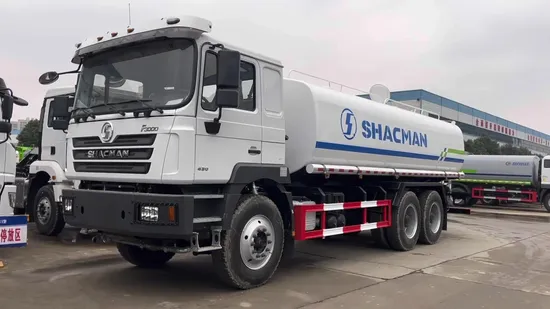
- Shacman F3000 6x4 Drinking Water Tanker, 20,000 Litres, 420 hp: stainless or carbon steel to order, long routes.
- Isuzu KV100 4x2 Drinking Water Tanker, 4,000 to 5,000 Litres: small town drinking water rounds.
- Isuzu 4x2 Insulated Stainless Water Tanker, 4HK1 Engine, 3 Compartments: cool drinking water in three compartments.
Browse all water bowsers, or fire trucks that also carry large water tanks. Compare sizes in the water bowser size guide and prices in the water bowser price guide. When your tank schedule is ready, see how to buy from the CLW factory.