Describe two routes, not one: the road the truck drives to its parking spot, and the path the hose follows from the truck to the tank or pit. A narrow gate may force the truck to park far from the pit. A longer hose does not fix every access problem, because suction lift and pump capacity set limits too. Send both routes, measured, with the height difference.
Measure the gate and the approach
In many estates around Nairobi, Kisumu or Dar es Salaam, the pit latrine or septic tank sits behind a narrow compound gate. Record the clear gate width and any height limit, such as a wire or a roof edge. Measure with the gate in its real open position. Note narrow lanes before and after the gate, the road surface and any slope. Unpaved lanes turn soft in the rains, so say when the work will happen.
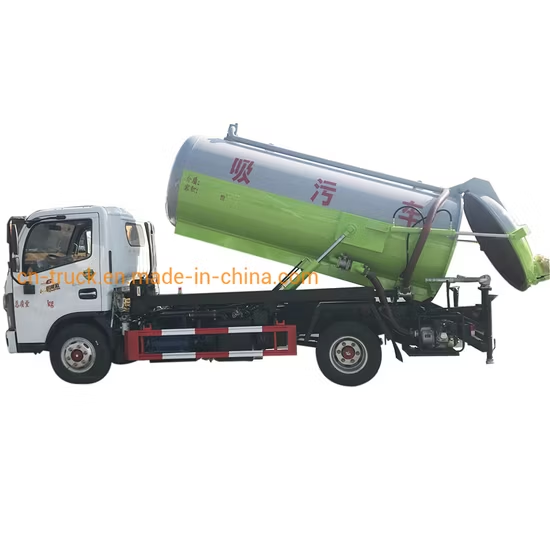
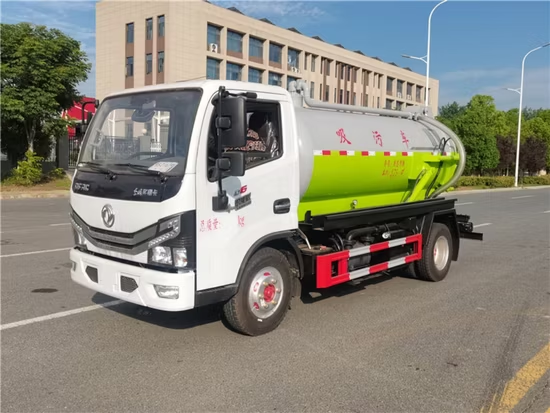
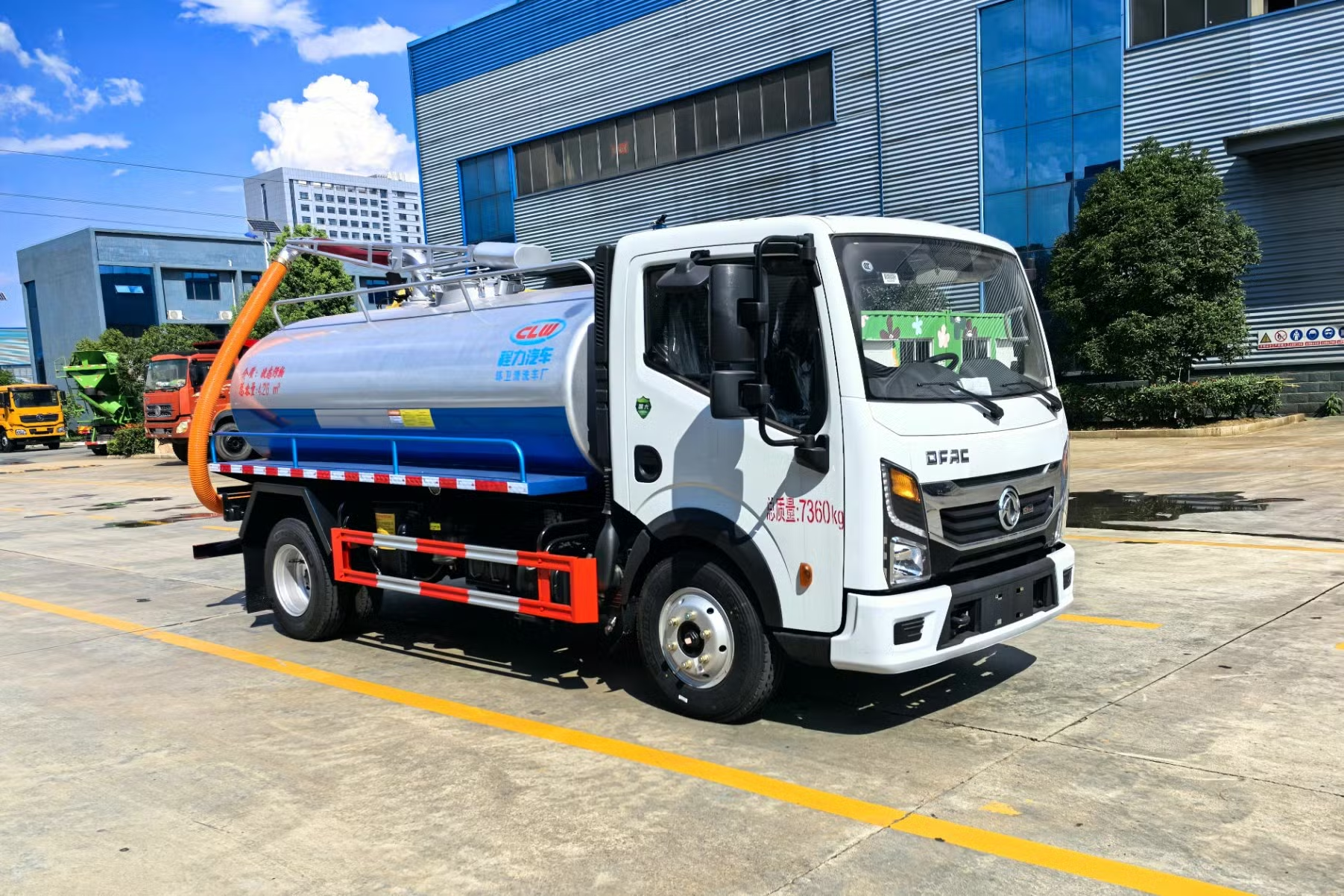
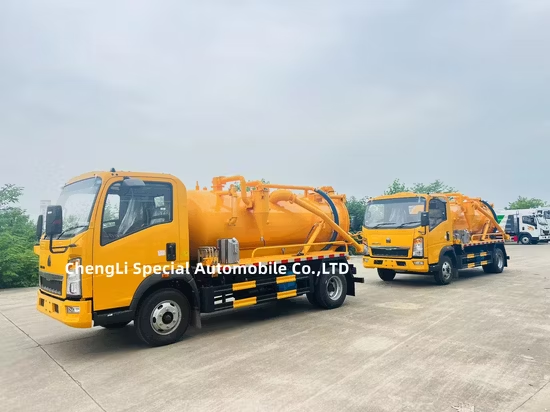
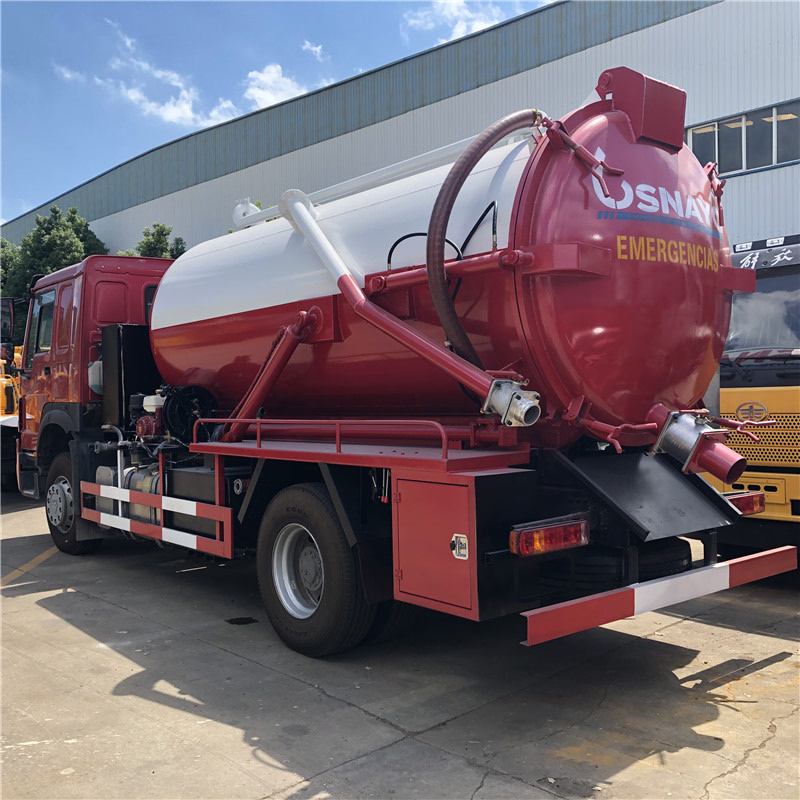
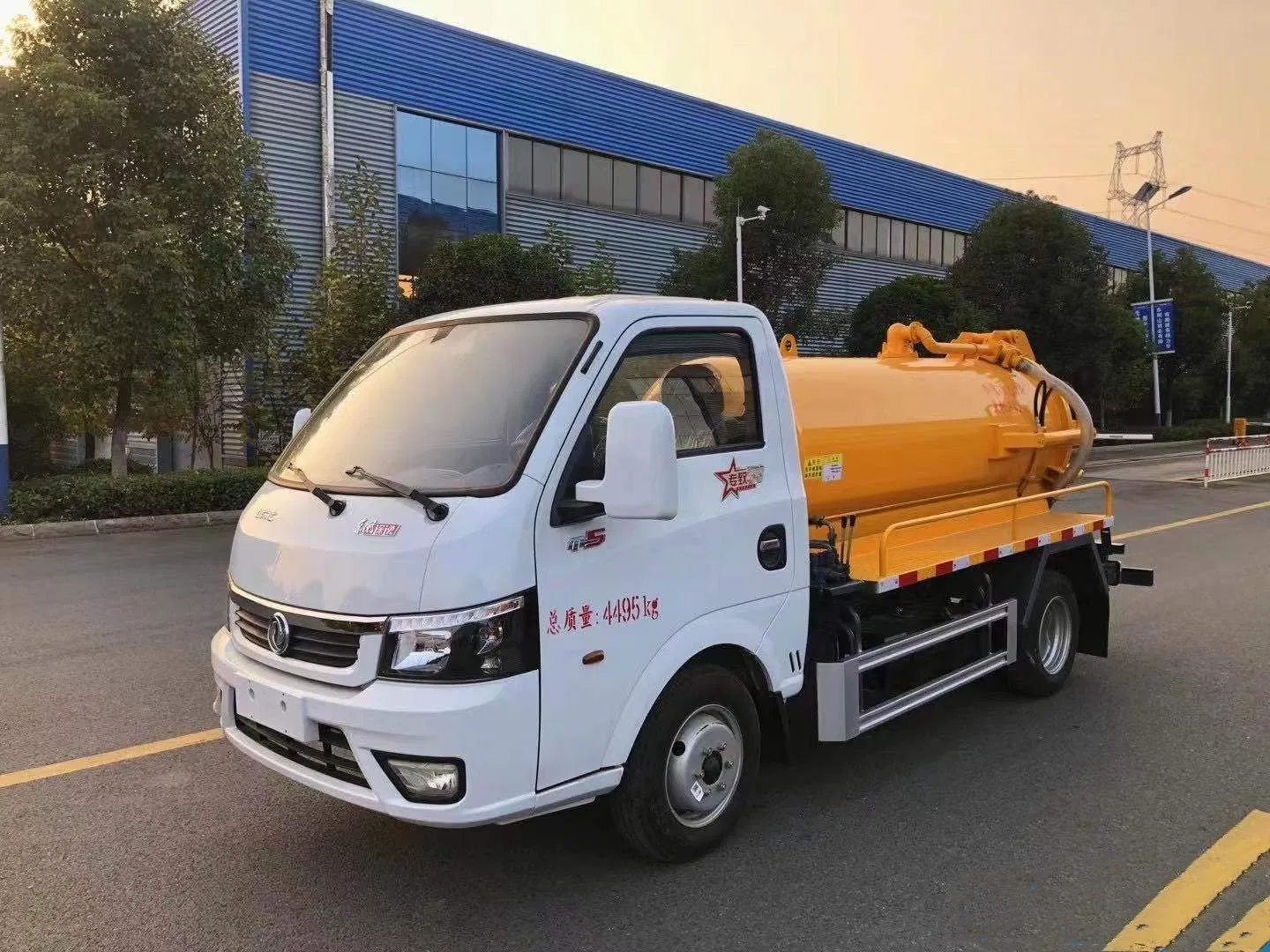
Use real truck sizes for the sketch. The Dongfeng mini 3,000 litre vacuum truck is 5,090 x 2,050 x 2,350 mm, with a 3,300 mm wheelbase. The Dongfeng 5,000 litre septic truck is 5,890 x 1,950 x 2,500 mm. The HOWO 10,000 litre truck is 8,250 x 2,520 x 3,300 mm. These sizes do not show the turning space inside a compound, so draw it.
Show the turns and the parking spot
Draw the path from the gate to the working position, with corners, walls, parked cars and trees. Show whether the truck can drive out forward or must reverse out. Record the space that is free on a normal service visit, not on a quiet holiday. Mark where the truck will stand and which side faces the pit.
Trace the real hose path
Draw the route from the truck suction connection to the tank opening. Mark corners, steps, walls and doors the hose must pass. The straight-line distance is often shorter than the path the hose must follow. Measure the horizontal runs and the height difference separately. If a figure is a guess, label it as a guess. Photos of the whole path help explain what a single length cannot.
Keep hose length and suction lift apart
Hose length is how far the hose can reach along the path. Suction lift is how far below the pump the waste can be drawn, under stated conditions. A long hose does not prove a deep lift. The Dongfeng light vacuum truck states 8 metres of vertical suction. The HOWO 10,000 litre truck states a suction depth of 7 metres. Long horizontal runs also add friction losses, so ask CLW what the pump can do on your full hose path. A pump model alone does not describe your site. The vacuum tanker specification checks explain tank, pump, hose and discharge data.
Site sketch checklist
| Item | What to record |
|---|---|
| Gate | Clear width and height, with units |
| Approach | Lane width, corners, surface and slope |
| Parking spot | Position and direction of the truck |
| Pit or tank | Opening position and depth to the waste surface |
| Hose path | Bends, steps and obstacles |
| Distances | Horizontal length and height difference, kept separate |
| Photos | Labelled to match the sketch |
| Truck | The model you are looking at and the hose connection you want |
If you serve many compounds, sketch the hardest few sites first. They decide the truck size. The vacuum tanker buying guide then helps you choose tank size and pump.
Honey suckers and exhausters for tight compounds
The price shown is the listed reference price (FOB China, ex-factory list), and the written quotation fixes the final price.
- Dongfeng Mini 4x2 Vacuum Truck, 3,000 Litre Septic Tank: petrol mini truck for the narrowest lanes, from US$7,000.
- Dongfeng Light 4x2 Vacuum Sewage Truck, 3000 to 5000 Litre: 8 m stated vertical suction, from US$12,000.
- Dongfeng 4x2 Septic Tank Suction Truck, 5,000 Litre: 1,950 mm wide for compound gates, from US$6,500.
- Isuzu 4x2 Vacuum Tanker, 4,000 Litre Sewage Exhauster: estate septic tanks, from US$8,000.
- HOWO Light 4x2 Vacuum Truck, 5 m3, Moro Pump: town contractors on a 3,360 mm wheelbase, from US$22,000.
- Sinotruk HOWO 4x4 Vacuum Tanker, 6,000 Litre: soft or rough lanes, fittings include a 5 m suction hose, from US$25,000.
- Sinotruk HOWO 4x2 Vacuum Sewage Truck, 10,000 Litre: larger tanks where access allows, from US$25,000.
Browse all vacuum tankers. Sanitation fleets often run refuse trucks as well. When your sketch is ready, send it through the contact page.