To plan water bowser refills on a construction site, find three numbers: the water the site needs per shift, the usable water one load delivers, and the time one full cycle takes. Divide shift demand by usable water per load to get the loads. Then check that those cycles fit inside the shift and the hours the water point is open.
Tank size on its own does not answer this. A truck with a big tank can still leave the site waiting if the water point is far away or has a queue.
Map the trip from water point to work area
Mark the water point, its opening hours and any access limits. Note the route to the site gate and through the site to each area that needs water. Include queues at the source, the time to connect a hose, and any security checks at the gate. Keep travel time and spraying time separate. A site with a close source has a different problem from one where the truck leaves the project and returns through busy traffic.
Work out the number of loads
The basic relation is simple: water needed per shift divided by usable water per load. Round up to whole loads. If the truck starts the shift full, count that first load separately from the refill visits.
Use usable water, not the tank name. Some truck pages give both a rated and an actual tank volume, and a little water always stays below the outlet. The result tells you how many loads are needed. It does not yet tell you whether one truck can deliver them in time.
Time one full cycle
| Cycle step | What to measure | What changes it |
|---|---|---|
| Travel to the water point | Minutes from site to source | Distance, traffic, road surface |
| Wait and connect | Queue time and hose connection | Other trucks, source opening hours |
| Filling | Minutes from empty to full | Pump flow, hydrant pressure, suction lift |
| Return to site | Minutes from source to work area | Gate checks, site haul roads |
| Spraying | Minutes to empty the tank on the job | Outlet used, driving speed, area size |
Measure these on site where you can. A pump flow figure alone does not fix the filling time, because the source or the hose can limit supply. Add the steps, multiply by the loads needed, and compare the total with the shift. If it does not fit, you need a second truck, a closer source or a bigger tank.
Match the truck to the cycle
When the water point is a river or dam, a truck that fills itself saves time. Where filling is from a hydrant, check that the connection on the truck fits it. Pump flow helps only when the source can supply it, so treat a pump rating as a limit, not a filling time at your source. Where the source is far, a bigger tank cuts trips. Check that site roads, ramps and the gate suit the axle layout before choosing a heavy truck.
Water bowsers for site refill work
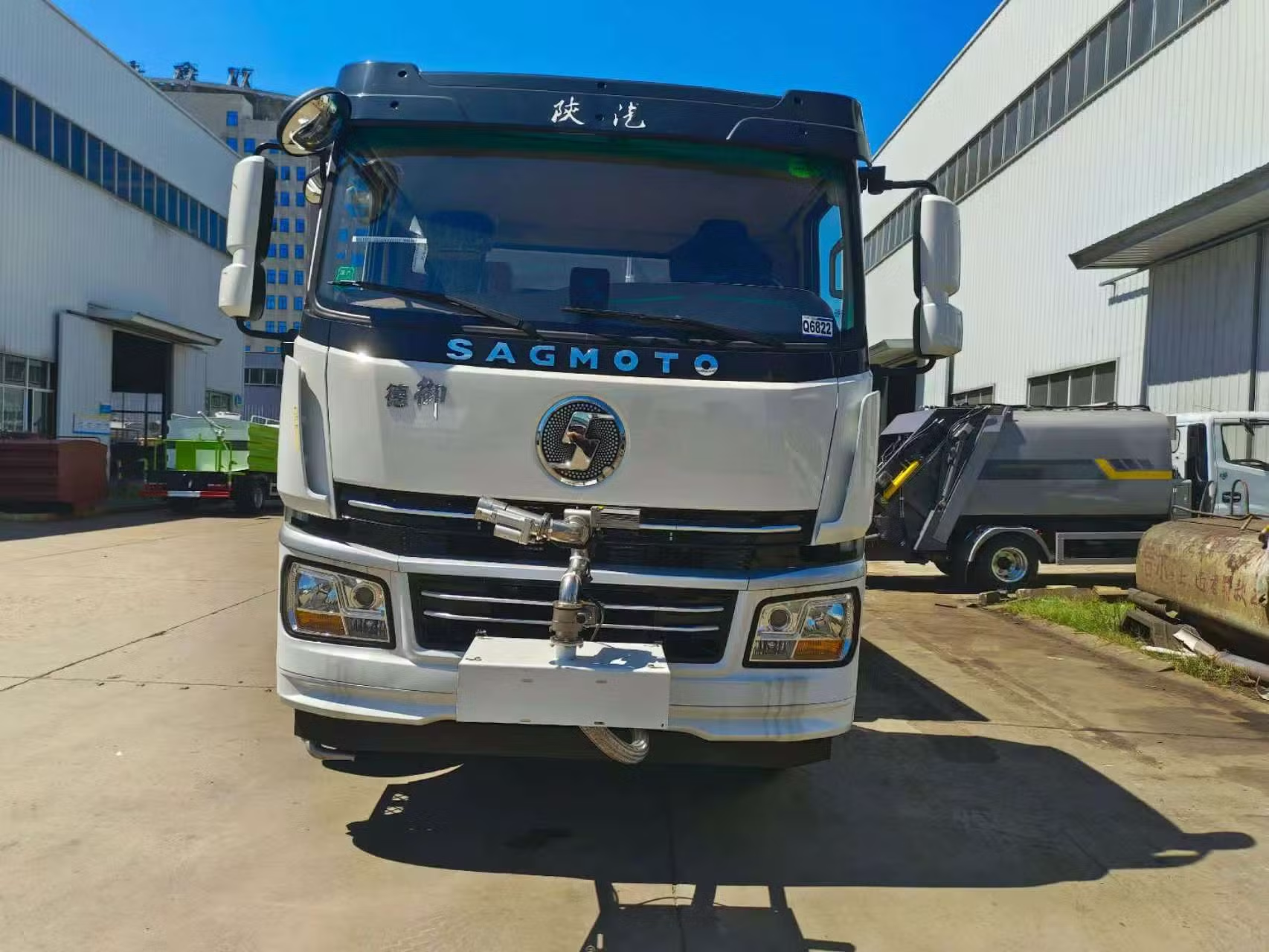
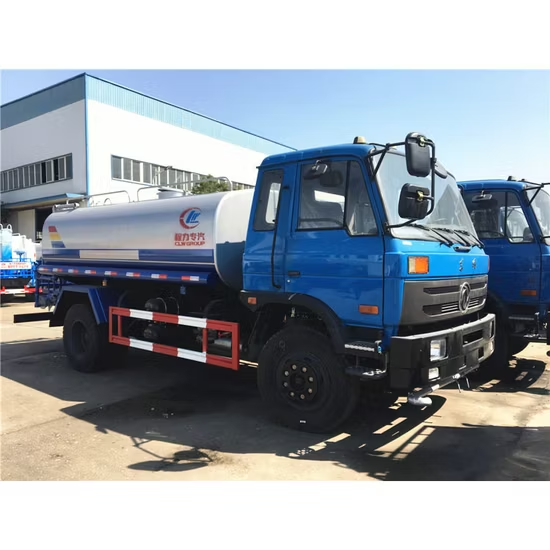
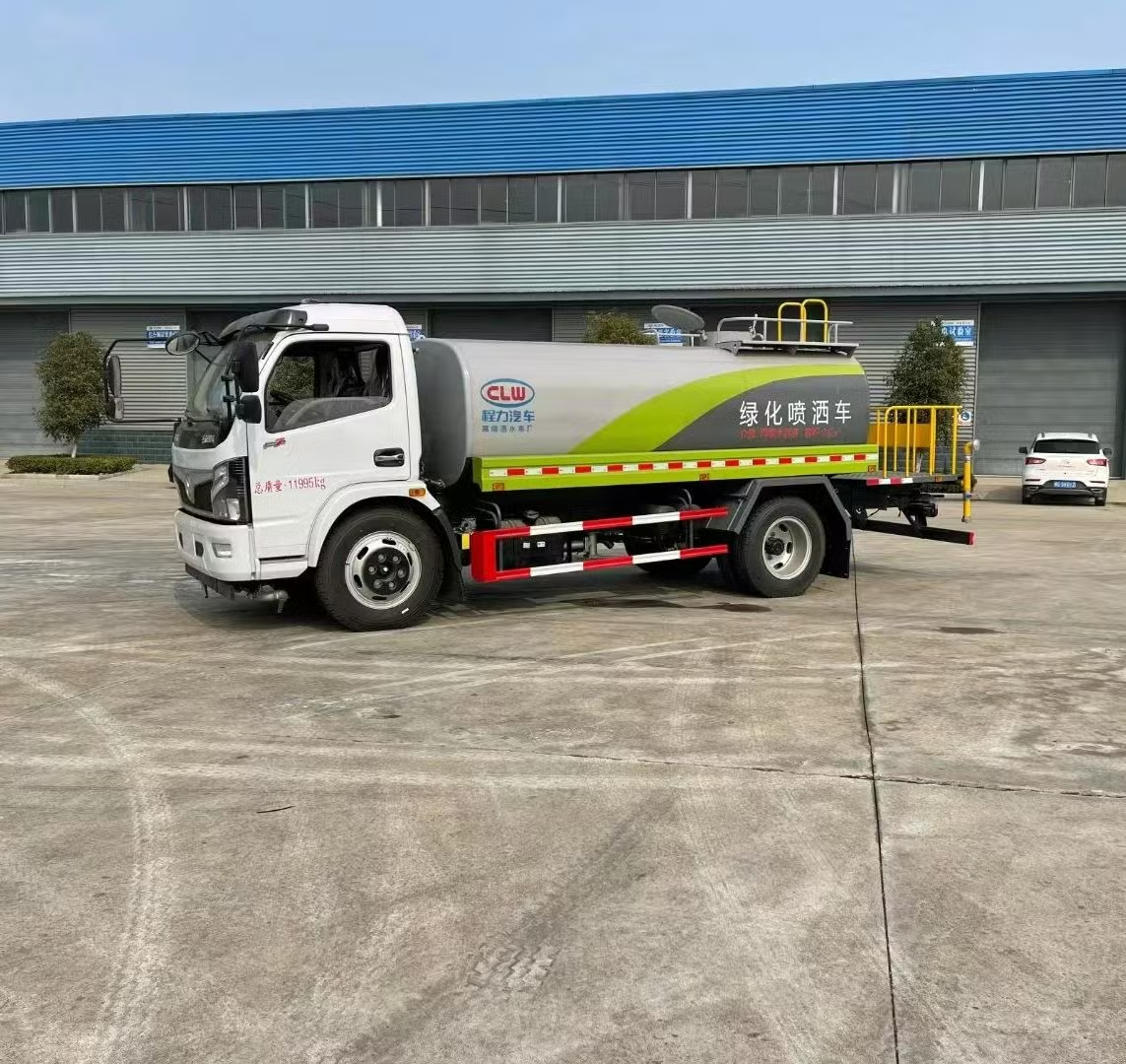
- 4x2 Water Bowser with Front Flushing, Rear Spraying and Self-Filling Pump: pumps water in and out, for sites that fill from a river or dam.
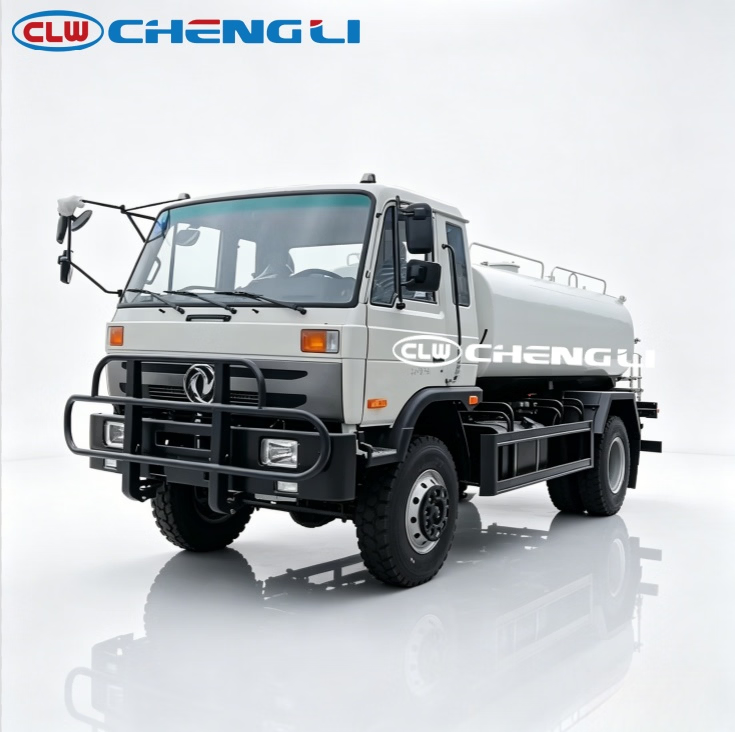
- Dongfeng 4x4 Off-Road Water Bowser, 9,280 Litre Tank: rear suction nozzle and all-wheel drive for soft site roads.
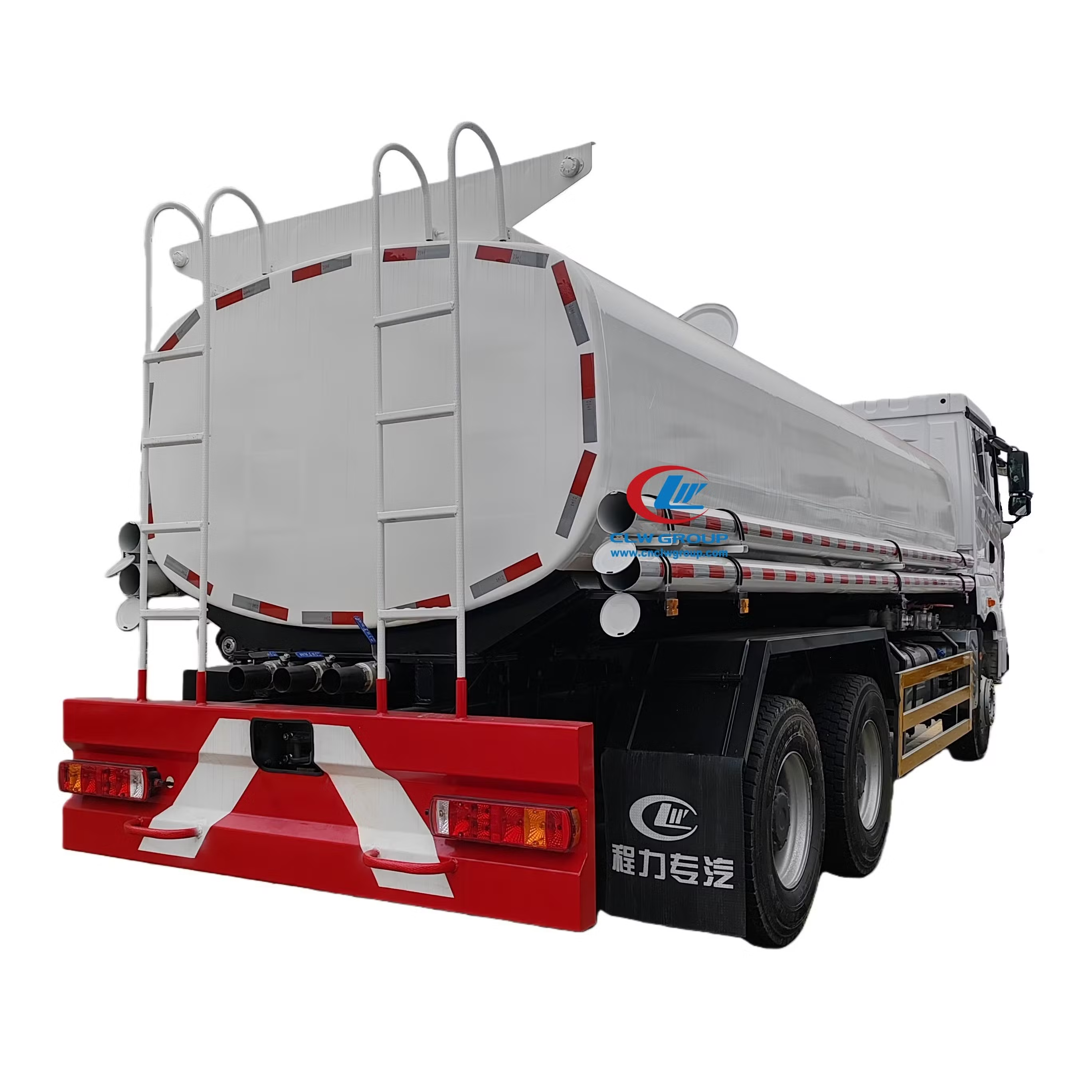
- Shacman 6x4 Water Bowser, 25 Tonne GVW: fills through a 65-type fire hydrant connection.
- FAW JH6 6x4 Water Bowser with 60 m3/h Pump: high pump rating where the source can keep up.
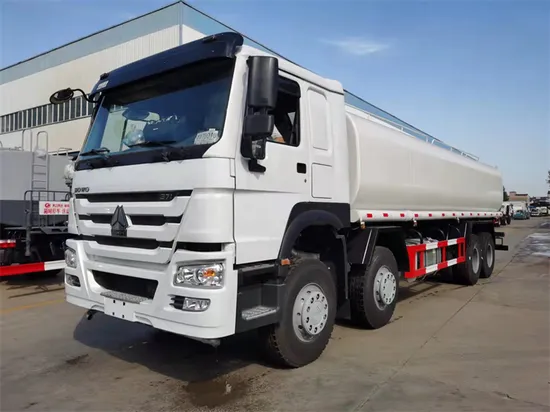
- HOWO 8x4 Water Bowser, 30,000 Litre Tank: fewer trips when the water point is far away.
- Dongfeng 145 4x2 Water Tanker, 10,000 or 12,000 Litre Tank: two axles for smaller sites and tight gates.
Plan shift handover and backup water
Decide whether the next shift should receive a full truck. If so, plan the last refill before handover. Name a second water point or another approved supply in case the main source closes. A bigger tank does not solve a closed source or a long queue. Keep a simple log of loads, filling times and delays for the first weeks, and adjust the plan from real figures.
All the trucks above are in the water bowsers range. Sites that also move fill and stone may need tipper trucks. To pick a tank size, read the water bowser size guide, and for the pump and valves see how a water bowser works.
Send CLW your water need per shift, the distance to the water point, its opening hours and the spray work required. With those details, the factory can suggest a truck and tank size. Start on the contact page.