Plan fuel tanker compartments from your real customer orders, not from a favourite compartment count. Collect a few weeks of drops, group the orders that travel together, and ask CLW for a numbered compartment schedule and tank drawing that match them. One tanker can then serve several filling stations or sites on one trip without part-empty compartments.
A tanker running from a depot in Nairobi or Lagos to four or five stations rarely drops equal loads. One station may take a full load of diesel and the next only a small top-up of petrol. Each compartment works most cleanly when it empties completely at one stop. Part-empty compartments make measuring and paperwork harder. More compartments give more ways to split a load, but each one adds a manhole, a bottom valve and an outlet to check.
Collect an order sample first
Pull four to eight weeks of delivery records. For each order, note the fuel type, the litres ordered, the customer location and the delivery window. Include the small orders as well as the big ones. Mark which orders usually go out together on the same trip.
Keep confirmed orders apart from forecasts. If the business is new, label the figures as planning estimates. The factory needs to know how stable the pattern is before it proposes a fixed layout.
| Item | What you record | Why it helps the tank design |
|---|---|---|
| Order reference | Stop name or code and litres ordered | Links each compartment to a real drop |
| Fuel type | Diesel, petrol or kerosene, as your business names it | Shows which products share a trip |
| Receiving site | Tank connection, gate access and parking at the station or site | Shows outlet and hose needs |
| Trip grouping | Orders that normally travel together | Gives the combinations to test the layout against |
| Variation | How often quantities or the customer mix change | Shows where a fixed layout may limit you |
| Records | Delivery notes and meter tickets you issue | Lines up compartment numbers with your paperwork |
Turn the orders into a compartment schedule
Ask for a numbered schedule: compartment 1, 2, 3 and so on, with the capacity of each one. Ask how each capacity figure is defined, for example nominal or working volume. The quotation, the tank drawing and the labels on the tank should all use the same numbers. If one changes during design, all three must change together. A wrong label is not a small detail when a driver fills the wrong station tank.
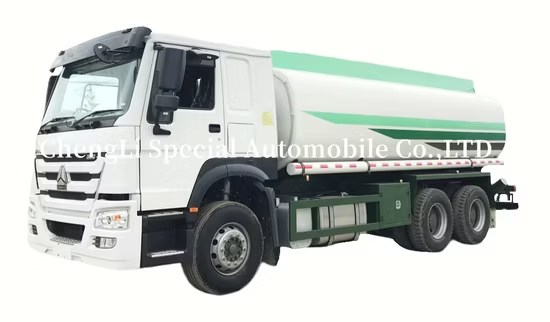
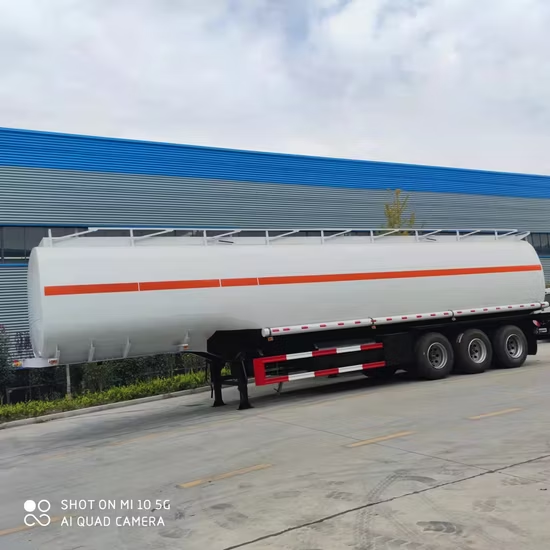
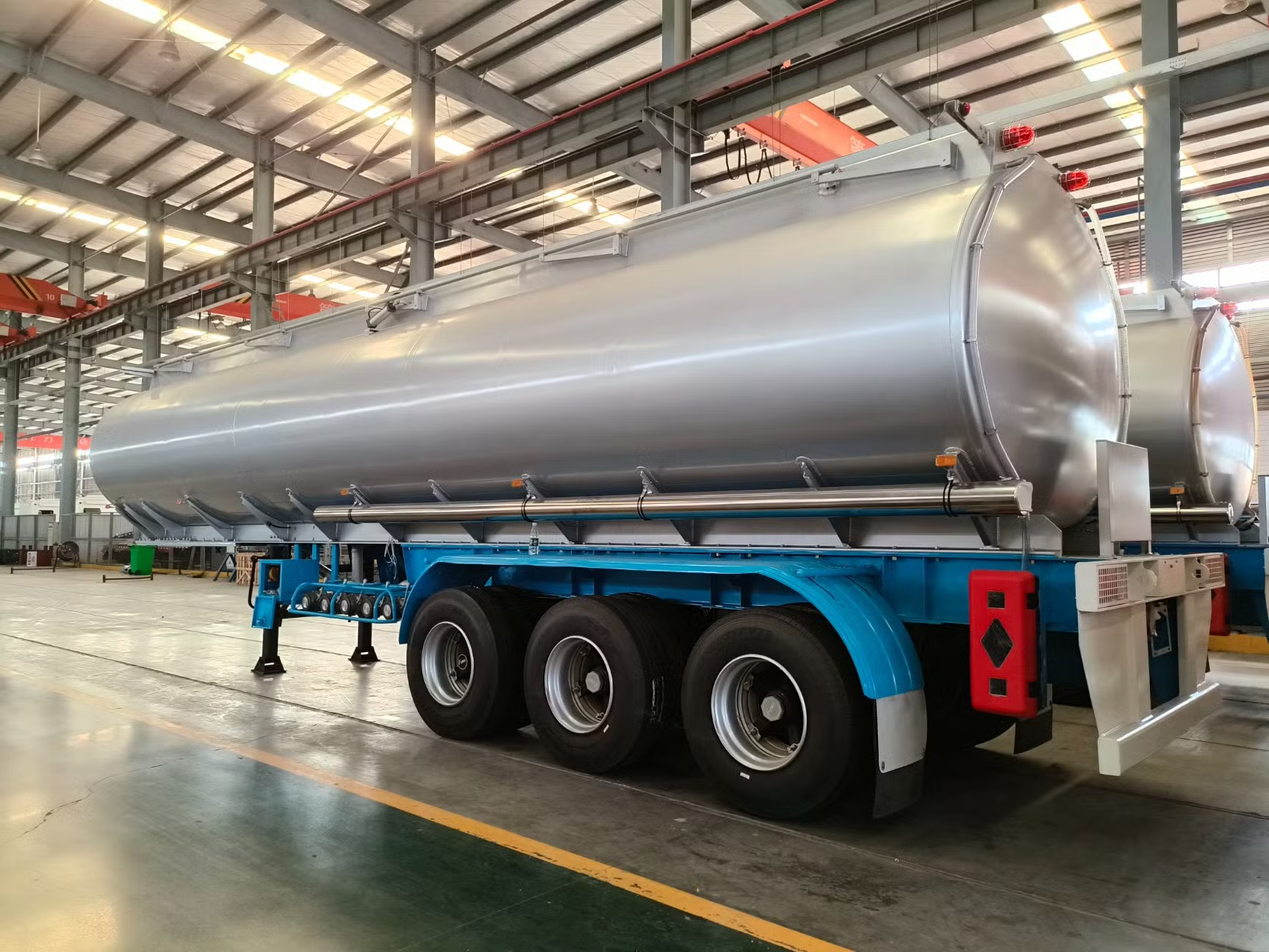
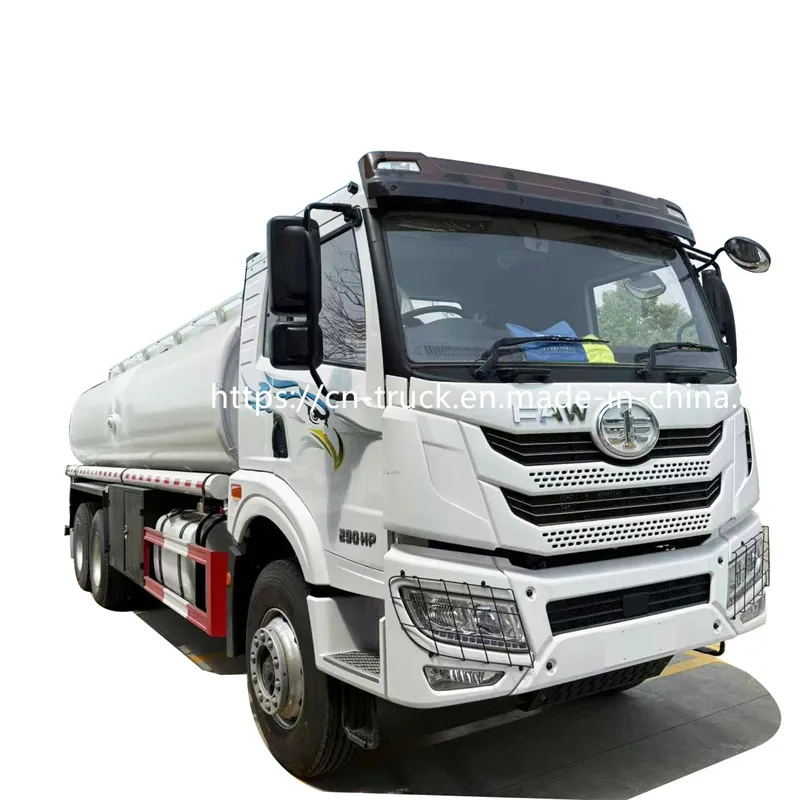
Trucks on this site show the range. The FAW 6x4 tanker carries 24,000 litres in six compartments. The CLW three-axle oil tanker trailer splits 42,000 litres into three compartments of 14,000 litres. Another CLW 3-axle trailer has eight compartments, each with its own 4 inch discharge valve. Three large compartments suit a few big station drops. Six or eight smaller ones suit many small drops on one trip.
Then test the layout. Give CLW three route sets: a normal week, a week with many small orders, and a week with an unusual customer mix. Ask which compartment serves each stop, and where the layout forces a second trip. Write down the assumptions behind each answer.
Tank volume is not the trip load
The headline tank volume does not tell you what you may carry on each trip. Fuel density, the chassis rating and the axle limits on your roads decide that. Ask for kerb weight, payload and axle ratings for the exact build. Check them against the road rules in Kenya, Nigeria or wherever the truck will work. The FAW 6x4 page, for example, shows a 9,505 kg kerb weight and an 18,900 kg payload.
Check labels and records at handover
You can inspect at the Chengli factory in Suizhou, by live video, or through SGS or BV. Compare the tank with the accepted drawing. Each manhole, valve and outlet should carry the number on the schedule. Ask for the capacity record of each compartment and the operating papers in the language your drivers read. Agree how a missing label or changed capacity will be put right before the truck ships. For fuel transfer steps, follow the dangerous goods rules of your country and the tank maker instructions.
Matching tankers on this site
The price shown is the listed reference price (FOB China, ex-factory list), and the written quotation fixes the final price.
- FAW 6x4 Fuel Tanker 24 m3 with Six Compartments: depot to station work with many drops, from US$44,900.
- HOWO 6x4 Fuel Tanker 20,000 Litre, Four Compartments: four drops plus a flow meter and 15 m hose reel, US$41,500.
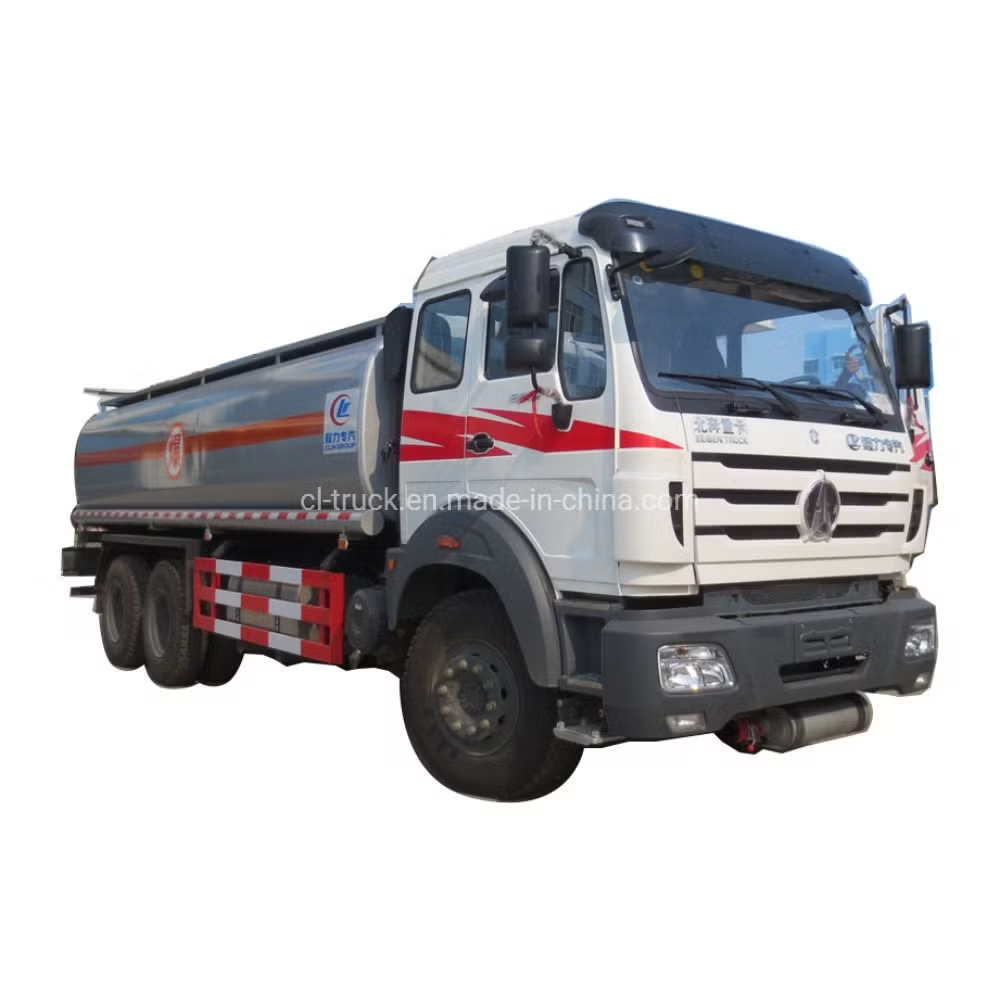
- Beiben 6x4 Fuel Tanker, 20,000 Litre Tank: 2 to 5 compartments chosen to order, from US$38,000.
- CLW 3 Axle Oil Tanker Trailer, 42,000 Litres in 3 Compartments: a few large drops per trip, US$18,500.
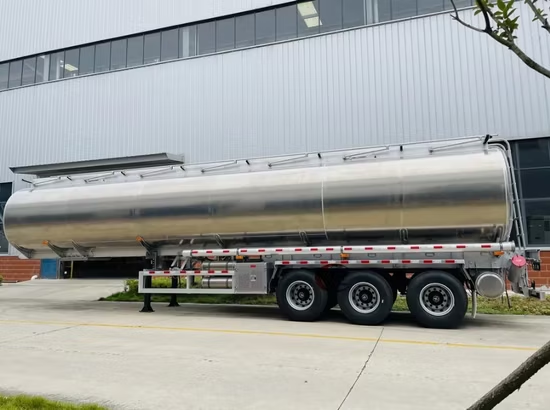
- CLW 3 Axle Aluminium Fuel Tanker Trailer, 6 Compartments: one bottom valve and overfill sensor per compartment, from US$23,800.
- CLW 3-Axle Fuel Tanker Trailer, 8 Compartments: long routes with many small orders, price on request.
- CLW Tri-Axle Steel Fuel Tanker Trailer, 40,000 Litres: 2 to 6 compartments to order, from US$20,000.
See all rigid tankers under fuel tankers and trailers under semi-trailers. For the wider checklist, read the fuel tanker buying checklist. For two fuels on one trip, see can a fuel tanker carry petrol and diesel on the same trip.
Send a brief that gets a clear answer
Send the destination country, the chassis or tractor you plan to use, the fuels, your order sample and the receiving-site details. Ask for a numbered drawing, a capacity schedule and the list of handover papers. Ask the factory to mark every open assumption. You then get a layout you can review, not a guessed compartment count. Start on the contact page or read how to buy.