Before you order a fuel tanker truck, confirm five things in writing: tank volume matched to the chassis, the number of compartments, the tank material, the pump and metering equipment, and exactly which valves and safety fittings are supplied. Fuel tankers usually need local permits as well, so check the rules in your country before the truck is built.
1. Tank size and chassis
Diesel and petrol weigh less than water, roughly 0.75 to 0.85 tonnes per 1,000 litres, but a full tank is still a heavy, moving load. Choose the chassis for the full weight of fuel, tank and equipment, and keep within the axle and gross weight limits in your country. As a rough guide:
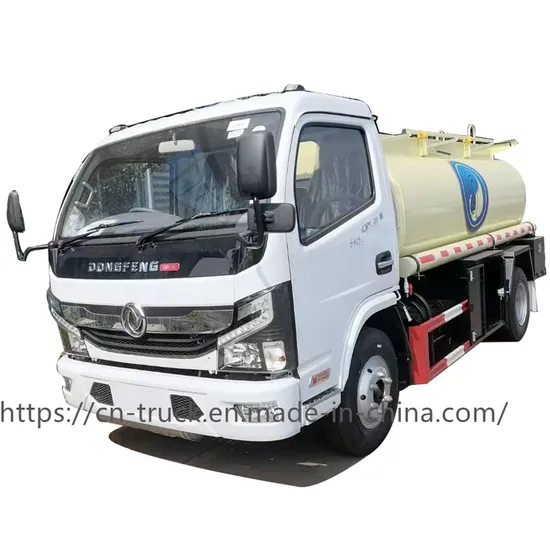
- 4x2 fuel bowser, about 3,000 to 10,000 litres: site refuelling, farms and town delivery, such as the Dongfeng 4x2 small fuel bowser with dispenser, listed at US$14,000 to 16,000.
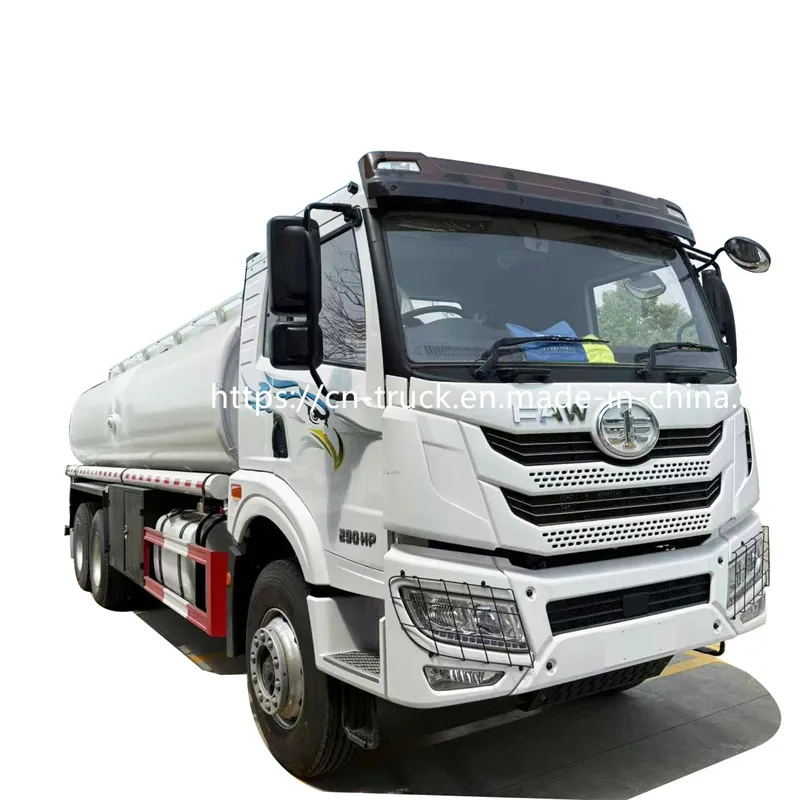
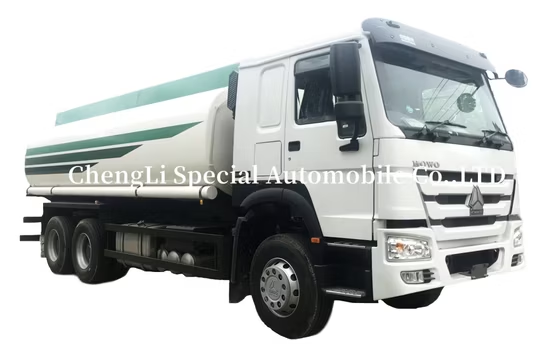
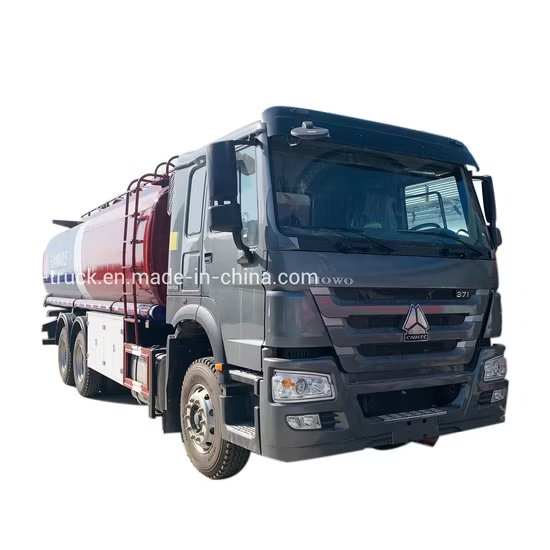
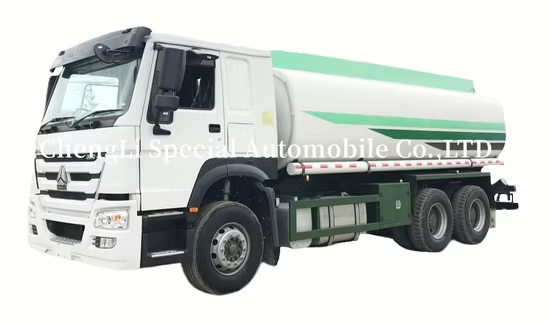
- 6x4 fuel tanker, about 16,000 to 24,000 litres: depot to filling station and mine refuelling, such as the HOWO 6x4 20,000 litre four-compartment tanker at US$41,500 and the FAW 6x4 24 m3 six-compartment tanker at US$44,900 to 45,000.
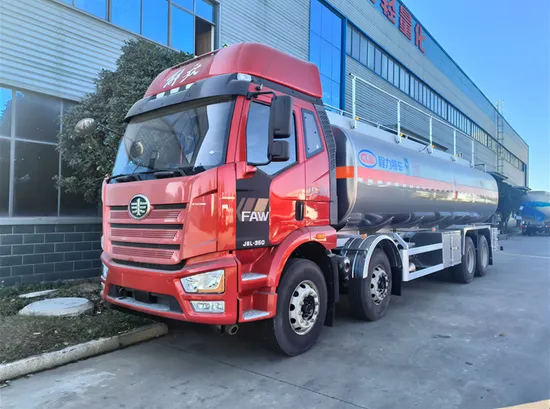
- 8x4 fuel tanker, about 25,000 to 30,000 litres: longer distribution runs, such as the FAW Jiefang JK6 8x4 aluminium tanker, listed at US$28,888 to 38,888.
- Tanker semi-trailers: for the largest volumes behind a prime mover.
2. Number of compartments
Compartments let one truck carry different products, such as diesel and petrol, or deliver part loads to several customers with clear measurement. They also reduce surge. Ask for the volume of each compartment, the number of baffles inside each one, and whether each compartment has its own manhole, outlet valve and dipstick or level gauge.
3. Carbon steel or aluminium
Carbon steel tanks cost less, are easy to repair locally and suit diesel bowsers on mine and construction sites. Aluminium tanks are lighter, so they can carry more fuel within the same weight limit, and they do not rust, but they cost more and need specialist welding for repairs. Ask for the plate thickness and material grade of the shell, ends and baffles in the quotation.
4. Pump, flow meter and dispenser
Most fuel tankers have a PTO-driven pump for unloading, as on the CLW 6x4 16,000 litre tanker with PTO pump. If the truck will refuel machines on site, it works as a fuel bowser and needs more:
- A flow meter so you can record every litre issued.
- A fuel dispenser or metered nozzle.
- A hose reel with enough hose to reach the machines, as on the HOWO 6x4 20 m3 refueller with flow meter and 15 m hose reel.
- Filters, and a lockable equipment cabinet.
Ask for the pump and meter brand and model, and their rated flow, so you can source spare parts later.
5. Loading, vapour and emergency valves
Fittings vary a lot between builds, so ask exactly what is fitted rather than assuming. Questions to ask:
- Is the tank top loading, bottom loading, or both?
- Is a vapour recovery system fitted, and which connections are used?
- Are there emergency shut-off or bottom valves, and how are they operated?
- What breather valves, manhole covers and overfill protection are supplied?
Depots and oil companies in your country may require specific fittings or couplings before they will load your truck, so check their requirements and send them to us with your enquiry.
6. Earthing and fire safety
- A static earthing strap or chain and an earthing reel or cable for loading and unloading.
- Fire extinguishers, their number, size and mounting position.
- A battery isolator switch and an exhaust that is routed and shielded away from the tank.
- Hazard warning signs and plates as required locally.
7. Permits and local rules
Fuel tankers usually need extra permits or inspections to carry petroleum products, on top of normal registration. Rules differ by country and change, so check the current requirements with your energy regulator, transport authority and clearing agent before you order. The Nigeria and Kenya pages give a starting point.
Prices and next steps
Prices shown are reference prices (FOB China, ex-factory list). The final price depends on chassis, engine, tank, pump, fittings, drive side and shipping, and is fixed in the written quotation. See the fuel tanker truck price guide, browse all fuel tankers, or compare with water bowsers. Confirm your drive side on the drive side by country page, read how to buy, and send your checklist answers through the contact page.