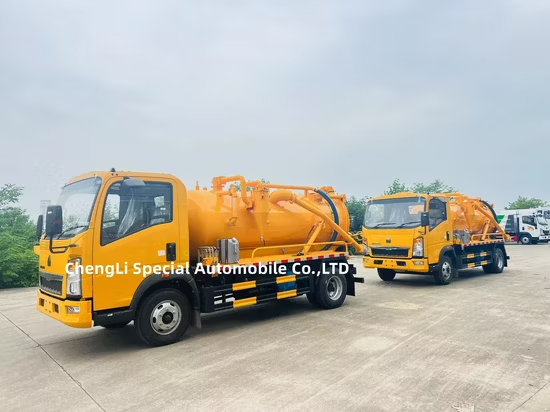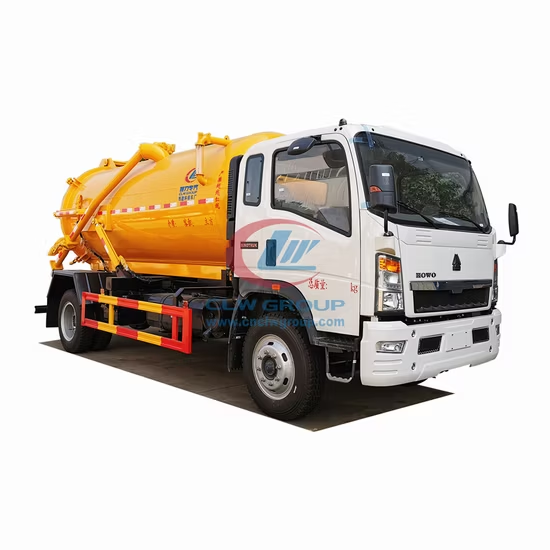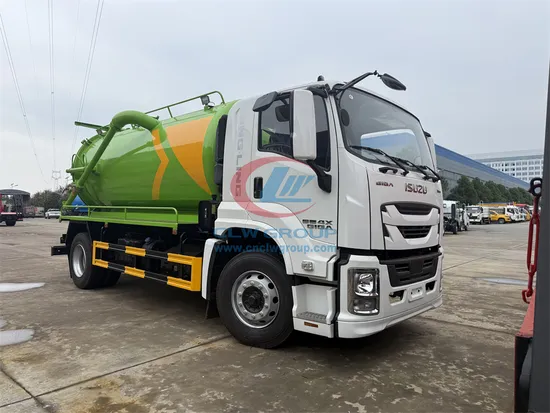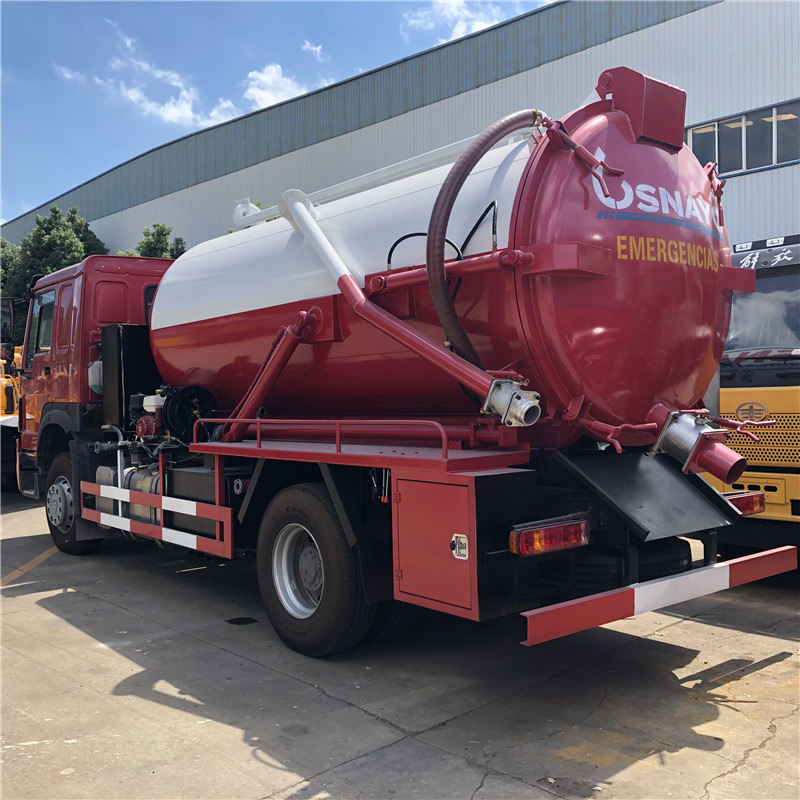
When a vacuum truck loses suction, report facts, not a guessed cause. Name the truck, the tank and the vacuum pump, and describe the material being collected. Sketch the hose route and the lift height, and copy any gauge reading with its unit and time. Compare with a recent job that went well, and keep possible causes in a separate, clearly marked note.
Identify the truck, the tank and the pump
Give the fleet number, the chassis number, the tank body number, and the vacuum pump make and model from its plate or the manual. Take a clear photo of the pump plate if you can reach it safely. The chassis brand does not tell a technician which pump is fitted. Two trucks on the same chassis may carry different pumps, tank sizes and valves. Also note whether the tank tips or is fixed, since that changes the discharge parts. For the basic layout, see how a vacuum truck works.
Describe the material and the job
Say what the truck was emptying: a septic tank, a pit latrine, a drain or an industrial sump. Say whether the material looked thicker, sandier or more full of solid waste than usual. Pit latrines in many African towns hold sand, plastic and rags, which behave very differently from liquid septic waste. Note the place and the start time. Say whether the problem began at once or built up during the job.
Record the hose layout as you found it
List the hose sections in use, their diameters if known, and the route to the pit or tank. Write the horizontal distance and the height difference separately. A long hose run with a big lift asks much more of the pump than a short, level one. Note bends, joints and any kinked or flattened section. A photo or a simple sketch helps. Do not rearrange the hoses for an improvised test before the facts are written down.
Keep gauge readings apart from conclusions
Copy the vacuum gauge reading exactly, with its unit, its label and the time. A photo of the gauge face shows the scale. Do not call it pressure if the gauge shows vacuum in another unit. Keep these field readings apart from the figures on the specification sheet. A rated pump figure describes the equipment, not what happened on the job. In hot and dusty conditions, also note when the pump oil and the air filter were last serviced, and whether the pump felt unusually hot.
A short report table
| Section | What to record |
|---|---|
| Equipment | Truck, tank and pump identifiers |
| Material | Type of waste and how it looked |
| Hose layout | Sections, diameters, distance and lift height |
| Earlier performance | Date and details of a comparable job that went well |
| Symptom | What changed and when it started |
| Gauges | Label, value, unit and time |
| History | Recent service, parts changed, earlier reports |
If the crew has ideas about the cause, add a separate note headed possible causes, not confirmed. Writing the report never requires anyone to enter the tank or climb into a pit. Gases in septic waste make tank entry dangerous, so follow the safety rules of your country and the tank maker instructions.
Papers to ask for when you buy
Many sanitation fleets work far from a pump specialist. A report is much easier when the owner already holds the pump manual, the valve layout and the parts list. At the quotation stage, ask for these along with the chassis papers. The vacuum tanker specification checks guide covers the tank, pump and hose points to confirm before ordering.
Vacuum tankers on CLW pages
These trucks differ in tank size, pump and drive layout. Each one needs its own record:
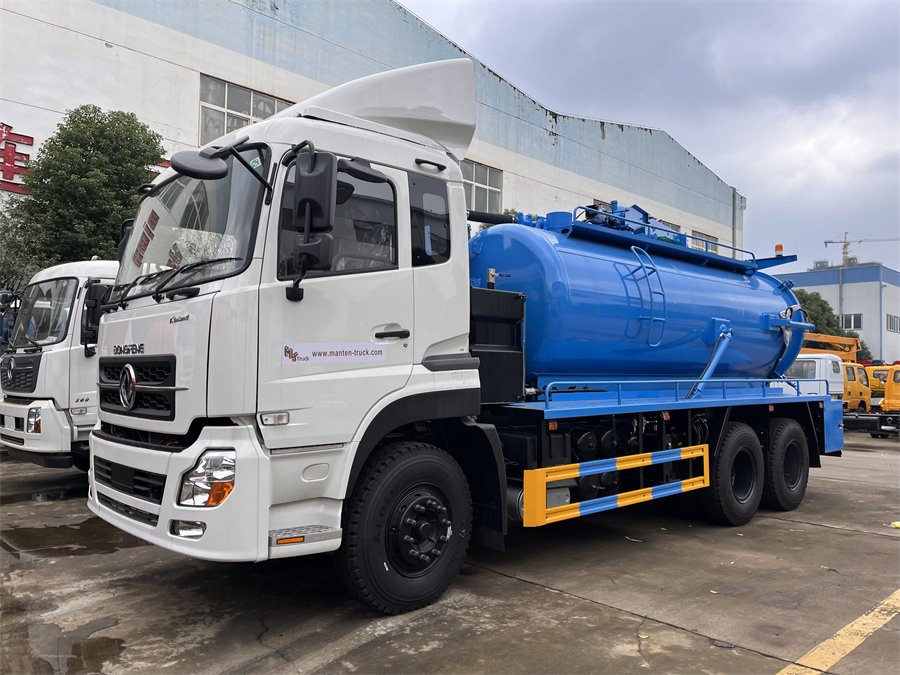
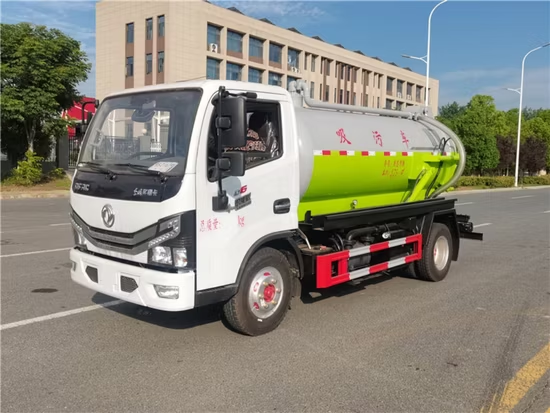
- Dongfeng 4x2 Septic Tank Suction Truck, 5,000 Litre Sewage Tanker, 120 hp: a small tanker for household septic tanks.
- HOWO Light 4x2 Vacuum Truck, 5 m3 Elliptical Tank, Moro Pump: a light truck with the pump make named on the page.
- Sinotruk HOWO 4x2 Vacuum Sewage Truck 10000 Litre, Yuchai 160hp: a mid-size tanker for town routes.
- Isuzu Giga FTR 4x2 Vacuum Tanker 10000 or 12000 Litre, 4HK1 205hp: a two-axle truck with a choice of tank size.
- Sinotruk HOWO 4x4 Vacuum Tanker, 6,000 Litre Sewage Suction Truck: four-wheel drive for rough tracks to rural pits.
- Dongfeng 6x4 Vacuum Tanker, 16-18 m3 Sewage Tank, 260 hp Cummins: a bigger tank for long trips to a treatment site.
- Shacman 6x4 Vacuum Tanker, 380 hp Weichai, Tipping Sewage Tank: a tipping tank that helps empty heavy sludge.
See all vacuum tankers, and the water bowsers used for flushing and wash-down. To ask about a specific pump set-up, use the contact page.