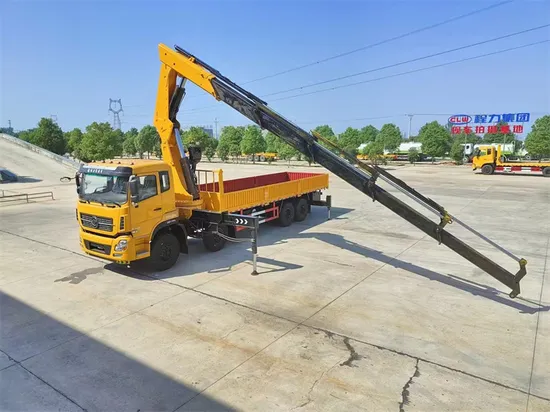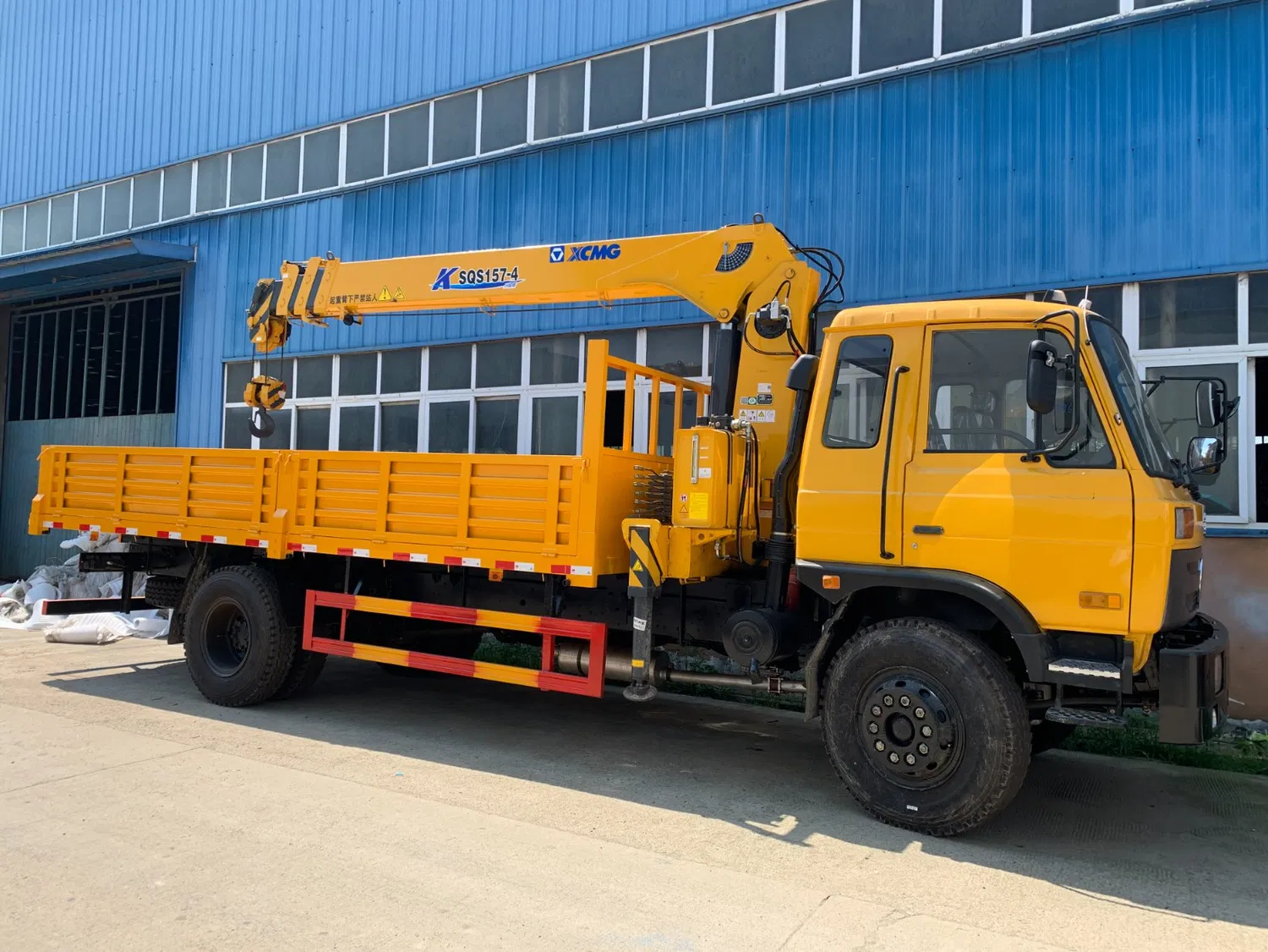
Keep one file for each crane truck that links the chassis and the crane. It should hold the chassis VIN, the crane make, model and serial number, the load chart, the manuals, dated inspection reports, repair records and any change to the equipment. With these, a workshop or inspector can trace the full history of that one unit.
Why a crane truck needs its own file
A crane truck is a chassis with a crane, a deck, outriggers, a PTO and a hydraulic pump. Two trucks with the same chassis model can carry different cranes. Even the same crane model can come with different boom sections or options. A record that only says Dongfeng crane truck cannot tell a mechanic which manual or load chart applies.
Work in Africa adds pressure. Crane trucks often work far from a workshop, on rough access roads, in dust and heat. When something goes wrong at a mine or a road camp, a clear file saves calls and guesswork.
Start with an identity sheet
Use the fleet number as the folder name. On the first page, write:
- Chassis make, model and VIN, plus the engine number.
- Crane make, model and serial number, and the boom type: telescopic or knuckle.
- Deck or body type and any extra items, such as a winch, grab or work basket.
- The date the truck entered service and the first hour meter or odometer reading.
- Clear photos of every identification plate.
Plates fade in sun and dust. A photo taken on the first day keeps the numbers readable.
Keep reference papers apart from event records
Reference papers describe the machine. They include the operator manual, the load chart, the hydraulic and electrical diagrams and the maintenance instructions from the crane maker and the chassis maker. Write the revision date on each one, and note which configuration it covers.
Event records describe what happened. They include inspections, faults, repairs and changes. Keep them in date order. If an inspection finds a problem, keep the finding open until a repair record closes it. Do not overwrite the finding with the repair note. Both are part of the history.
What each event record should show
| Record | Minimum content |
|---|---|
| Daily pre-use check | Date, operator, outriggers, hoses, wire rope, warning devices and faults found |
| Periodic inspection | Date, inspector or company, findings, actions and open items |
| Fault report | Date, hour meter, what the operator saw or heard, and the load and radius if known |
| Repair record | Work order, parts with part numbers, who did the work and the completion date |
| Configuration change | What changed, old and new parts, the new load chart or drawing, and the date |
Set inspection timing from the crane maker manual and the rules in your country. Do not assume one interval fits every crane. A parts invoice alone is not a repair record. It shows what was bought, not where it was fitted or why.
Record every change to the crane
If the boom, the hook block, the outrigger pads or the control valve is replaced, record it. Mark the old load chart as replaced and put the new one in front. A load chart that does not match the fitted crane is a safety risk. Changes made by a local workshop need the same record as changes made at the factory.
A simple folder structure
Use five folders per truck: 01 Identification, 02 Reference papers, 03 Inspections, 04 Faults and repairs, and 05 Changes. Name each file with the date, the document type and the fleet number. Keep a paper copy of the load chart in the cab and a scanned copy in the office. Crews on remote sites often have weak mobile signal, so the cab copy matters.
Crane trucks on this site
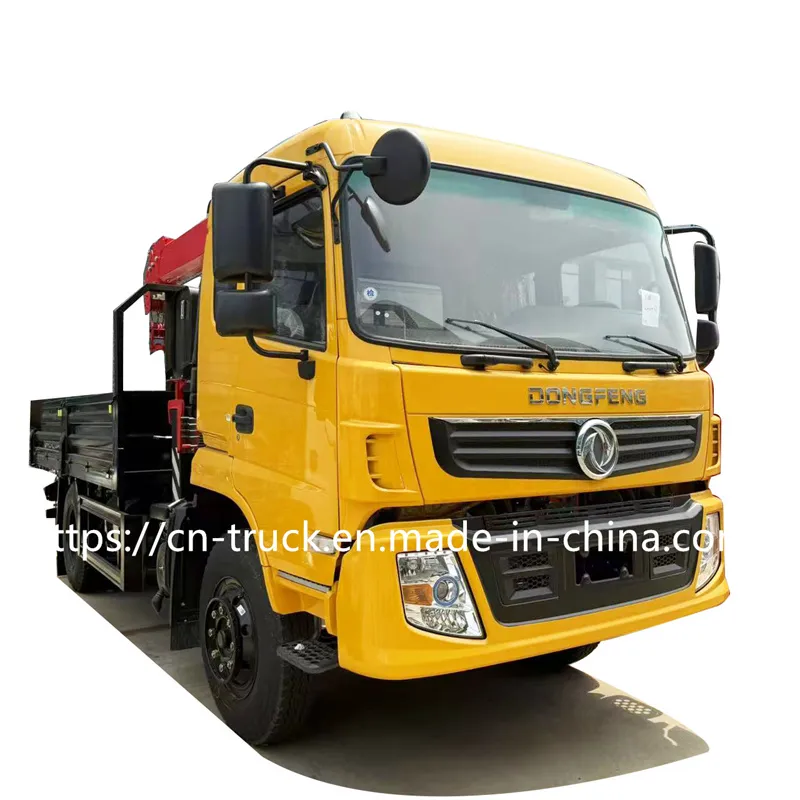
- Dongfeng 153 4x2 Crane Lorry, 5-6.3 t Telescopic Crane: building supply and general delivery.
- Dongfeng 4x2 Drop Side Truck with Knuckle Boom Crane: block and pipe delivery in towns.
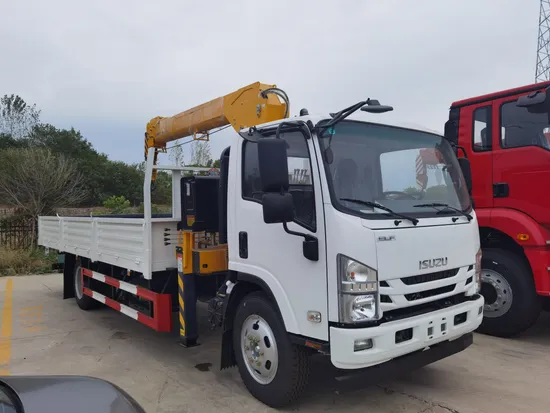
- Isuzu 4x4 Crane Truck with Folding Crane: rough site roads and rural work.
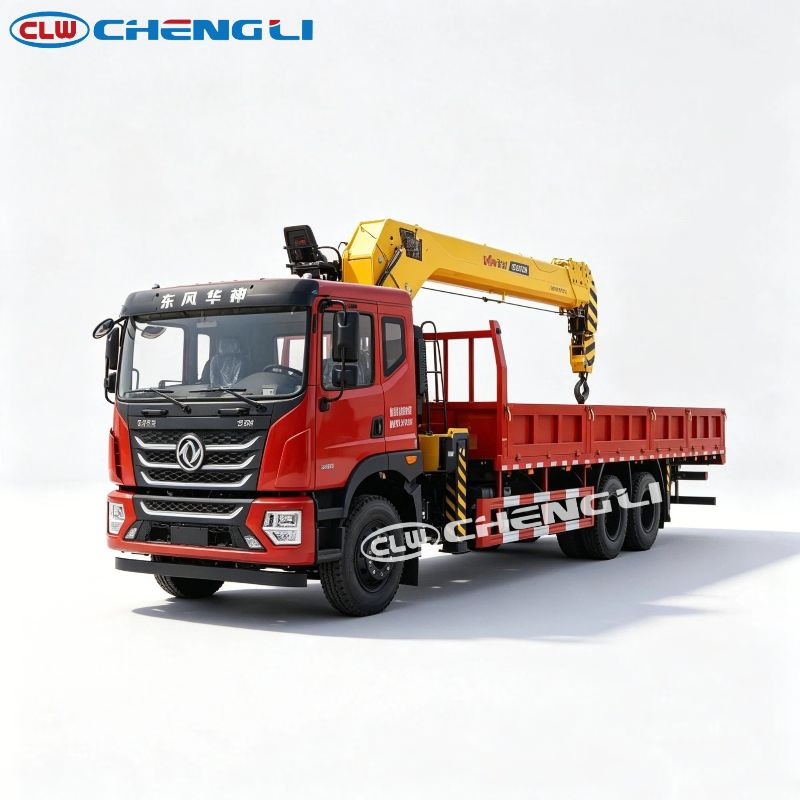
- Dongfeng 6x4 Crane Truck with HYVA 12 Ton Boom Crane: heavier lifts on construction sites.
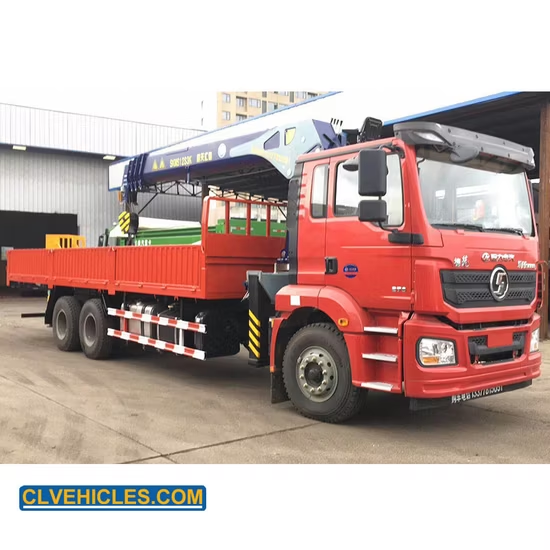
- Shacman F3000 6x4 Boom Truck with 14 t Telescopic Crane: steel and precast work.
- Sinotruk HOWO 8x4 Knuckle Boom Crane Truck, 16 Tonne: long deck loads with heavy lifts.
See all crane trucks and bare truck chassis. For background, read how a truck-mounted crane works and why crane trucks need outriggers. When you order, ask for the manuals and load chart for the exact crane, and see how to buy from CLW.