The way to save fuel on a water bowser is to cut wasted engine time. Drive at a steady speed in the right gear, and start smoothly once the engine is warm. Plan routes so the truck runs empty less often. Run the pump only when it is moving water. These habits also reduce wear on the engine, gearbox and pump drive.
Where a water bowser uses fuel
A water bowser burns fuel in three ways: driving loaded, driving empty, and running the pump through the PTO. A full tank is heavy, so driving loaded takes the most effort. Empty running and pump idling are where habits matter most, because they produce no useful work. The table shows where the waste usually comes from.
| Activity | Common waste | Daily habit |
|---|---|---|
| Driving loaded | Hard acceleration, wrong gear | Steady throttle, change gear early and smoothly |
| Driving empty | Long trips to a far water point | Use the nearest approved water point |
| Filling | Pump running while it cannot draw | Prime the pump and check hose and strainer first |
| Spraying | Pump at high speed with outlets half closed | Match the throttle to the outlet in use |
| Waiting | Engine idling between jobs | Switch off during long waits |
Drive at a steady speed in the right gear
Keep the throttle steady and avoid repeated pressing and lifting. Use the highest gear that the road and load allow. Listen to the engine. When it starts to labour or shudder, change down before it struggles. Let the speed build, then change up again. Read the road ahead and brake gently so you lose less speed. Water surges in the tank under hard braking, so smooth driving also makes the truck safer.
Start smoothly and warm up gently
Pull away in a low gear and press the throttle progressively. Heavy throttle on a cold engine wastes fuel and adds wear. Drive gently for the first part of the trip until the engine reaches its normal temperature. Do not leave the engine idling for a long time to warm up. Follow the chassis maker manual for warm-up advice.
Run the pump only when it moves water
- Put the hose end fully under water and keep the strainer fitted. In shallow water, dig out a pit so the hose does not draw air.
- Prime a centrifugal pump before each suction and close the filler afterwards. A self-priming pump needs priming at first use.
- Check the suction hose and pipes for splits. An air leak means the pump runs while the tank stays empty.
- Use a clean-water pump only with clean water. A trash pump takes silt, but not stones or heavy sand.
- Engage the PTO only with the truck stopped. Switch it off and set the hand throttle to minimum when spraying ends.
For the drive behind the pump, see how a water bowser works.
Hot, dusty and remote conditions
Dust blocks air filters and strainers, so the engine and pump work harder for the same result. Check and clean them more often when the air is dusty. Set tyre pressures to the figure in the manual, because soft tyres add rolling resistance on gravel and murram. Buy fuel from trusted stations and keep the fuel filters in good order. After heavy rain, soft roads slow the truck, so plan routes and refill points around them. Report small faults early. A dragging brake or a leaking valve can waste fuel for weeks before anyone notices.
A daily routine for drivers
- Before leaving the yard: air filter, pump strainer, tyre pressure and leaks.
- First trip: warm up gently and avoid hard acceleration.
- During the shift: steady speed, nearest approved water point, PTO off between jobs.
- End of shift: all valves closed, hand throttle at minimum, faults written in the truck log.
Record fuel bought and hours worked each day. Comparing drivers and routes week by week shows where habits need attention. A tank that suits the job also cuts trips, as the water bowser size guide explains.
Water bowsers for different routes
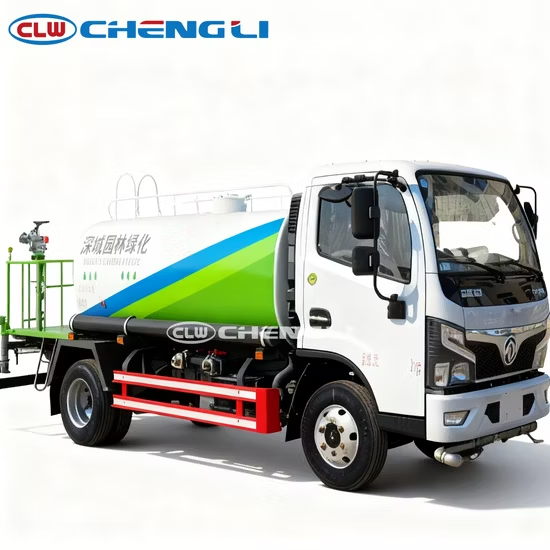
- Dongfeng D6 Light 4x2 Water Truck, 5,000 Litre Tank: short town routes and narrow streets.
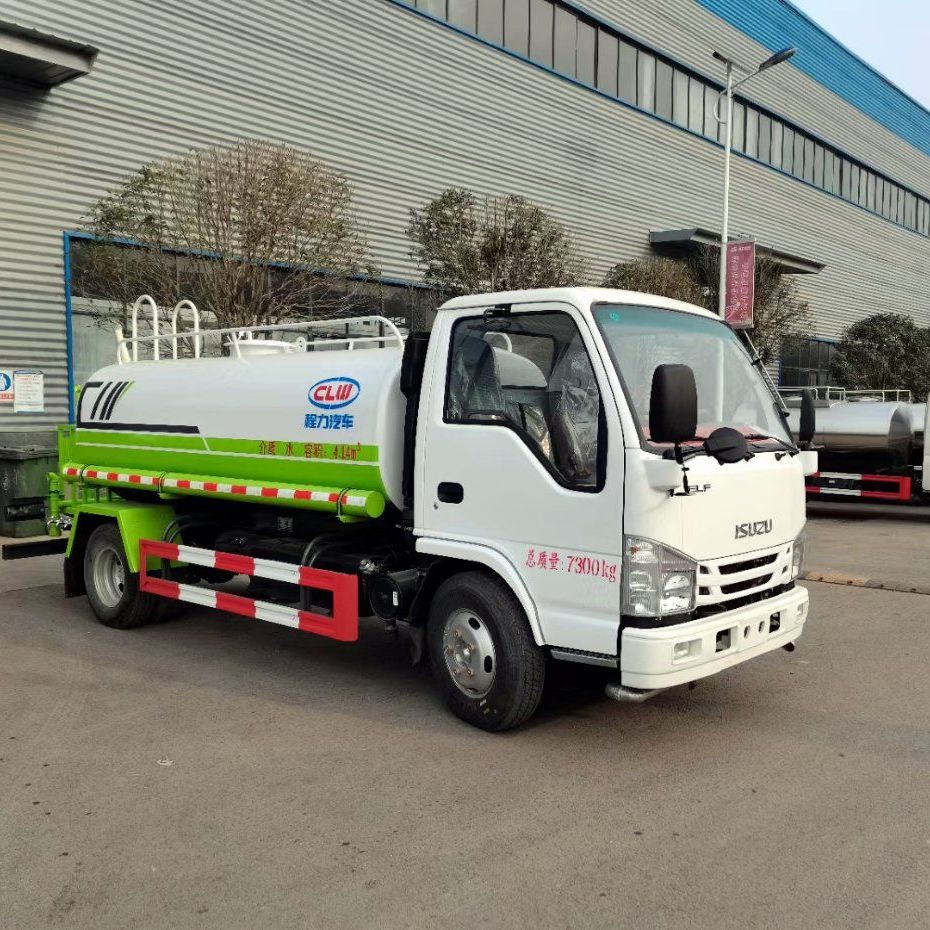
- Isuzu 4x2 Small Water Bowser, 98 hp Engine, 28 m Water Cannon: small engine for light spraying work.
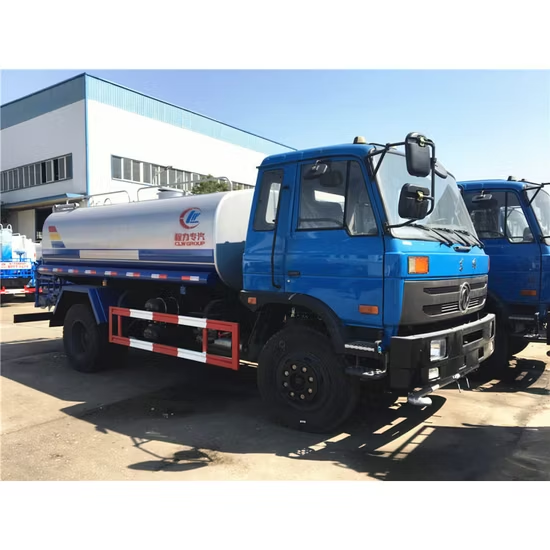
- Dongfeng 145 4x2 Water Tanker, 10,000 or 12,000 Litre Tank: medium tank for council and site work.
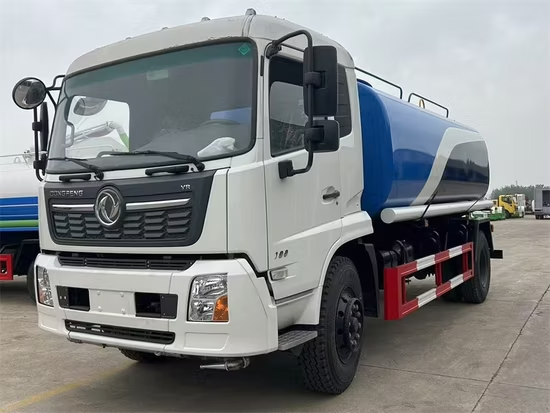
- Dongfeng Tianjin 4x2 Water Bowser, 12,000 to 15,000 Litre Tank: more water per trip on two axles.
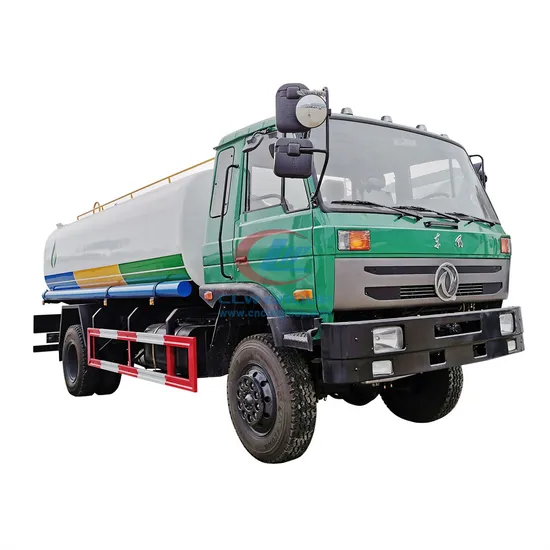
- Dongfeng 153 4x4 Off-Road Water Bowser, 12,000 Litre Tank: all-wheel drive for soft access roads.
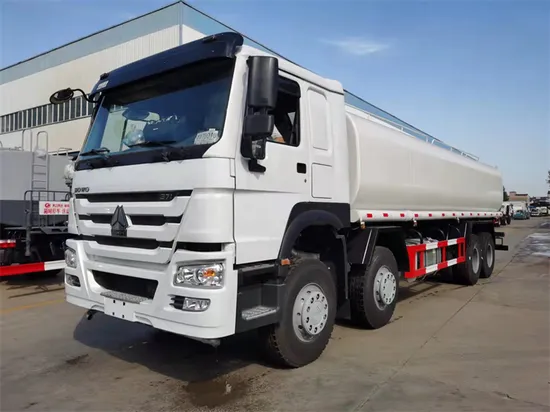
- HOWO 8x4 Water Bowser, 30,000 Litre Tank, 370 hp: fewer trips where the water point is far away.
See all water bowsers. Fleets that also run road sweepers can use the same habits on those trucks. For help choosing a truck for your routes, contact CLW.