High heat hurts a refuse truck in five places: the cooling system, tyres, brakes, battery and lubricants. Hot air also cuts engine power. The answer is a short daily check of coolant, belts, tyres and brakes. Use oil and grease suited to hot climates. Train drivers to stop and let parts cool when gauges or tyres run hot.
Collection work makes heat worse. The truck stops and starts all day, climbs with a full body and idles in traffic. Airflow through the radiator is low for much of the shift. In a hot season, power, fuel use and reliability all suffer, and a poorly prepared truck may not finish its route.
What heat does to each system
| System | Effect of high heat | What to check |
|---|---|---|
| Engine | Thinner air cuts power; overheating can damage the head gasket and valves; engine oil thins and oxidises | Coolant level, gauge readings, oil level |
| Cooling system | Small leaks and slack belts show up first in hot weather | Leaks, fan belt tension, radiator fins |
| Tyres | Pressure and temperature rise; blowout risk grows at speed | Pressure when cold, tread, sidewalls |
| Brakes | Fade with repeated use; hydraulic brake fluid can form vapour | Pedal feel, fluid level, hoses |
| Battery | Electrolyte evaporates faster; overcharging shortens life | Electrolyte level, vent holes, terminals |
| Gear oil and grease | Oil breaks down under load; grease runs out of bearings | Leaks at axles and gearbox, hub heat |
Cooling system checks
- Check the coolant level at the start of each shift, with the engine cold.
- Look for leaks at hoses, clamps, the radiator and the water pump.
- Check fan belt tension and the belt edges. Set the tension as the chassis maker manual states.
- Have the thermostat tested if the engine warms up too slowly or runs hot.
- Remove scale from the radiator and water jackets at service time, and clear dust from the fins.
If the engine overheats, pull over safely and switch off the compactor drive. Do not open a hot radiator cap, because steam and hot coolant can spray out. Some engines should idle for a short time before shutdown, while others should stop at once. The chassis maker manual states which applies to your truck.
Oils, grease and the battery
Use the engine oil and gear oil grade that the chassis maker manual gives for hot climates. Oil ages faster in heat, so the manual may call for shorter change intervals under severe duty. Refuse collection usually counts as severe duty. For wheel bearings, use a grease with a high drop point, so it stays in the bearing when hubs run hot.
Check the battery electrolyte level often in hot months, if the battery type allows it. Top up with distilled water only and keep the vent holes clear. Clean the terminals and have the charging voltage checked. A regulator set too high overcharges the battery and shortens its life.
The compactor body also works harder in heat. Hydraulic oil runs hotter during constant packing cycles. Check the oil level, look for weeping hoses and keep the oil cooler, if fitted, free of dust.
Tyres and brakes in hot weather
On long or hot runs, check tyre temperature by hand at stops. If a tyre is very hot, park in the shade and let it cool. Never pour cold water on a hot tyre. Never let air out to lower the pressure, because the tyre will then run under-inflated once it cools. Keep pressures at the value given by the tyre maker or the manual, and rotate tyres on schedule.
On hydraulic brakes, use brake fluid with a high boiling point and bleed air from the lines. Check the master and wheel cylinders and their seals. On air brakes, check the hoses and the brake chamber diaphragms and replace worn parts. If the brakes feel weaker on a hot day, stop in a safe place and let them cool before you go on.
Hot towns and long routes in Africa
Many African towns run collection rounds in strong sun, with frequent stops, loose dust and broken road edges. Waste debris and dust pack the radiator fins quickly, so clean them daily. Mix coolant with clean water, because dirty water leaves deposits in the engine. Workshops may be far from the route, so keep spare belts, hoses and filters at the depot. Drivers who move between trucks should get a short briefing on how each truck behaves in heat.
For how the packer and body work, read how a garbage compactor truck works. If you are choosing a new truck for a hot town, the refuse compactor buying guide explains body size and bin lifter choices.
Refuse trucks on this site
Browse all refuse trucks, or see water bowsers for street washing and dust control in the dry months.
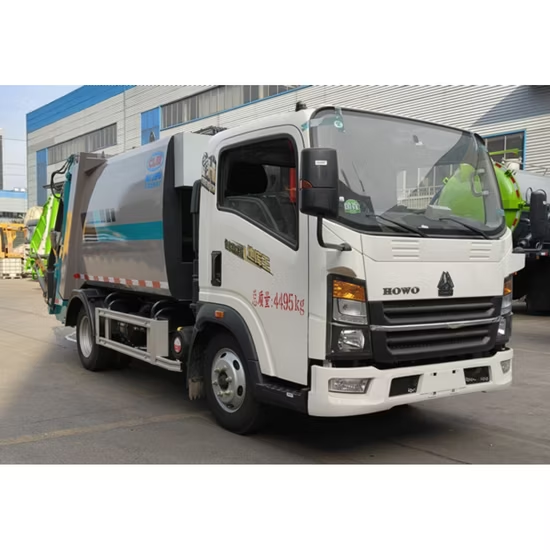
- HOWO 4x2 Light Refuse Compactor, 5000 L Body with Bin Lifter, 116 hp: light rounds in busy town centres.
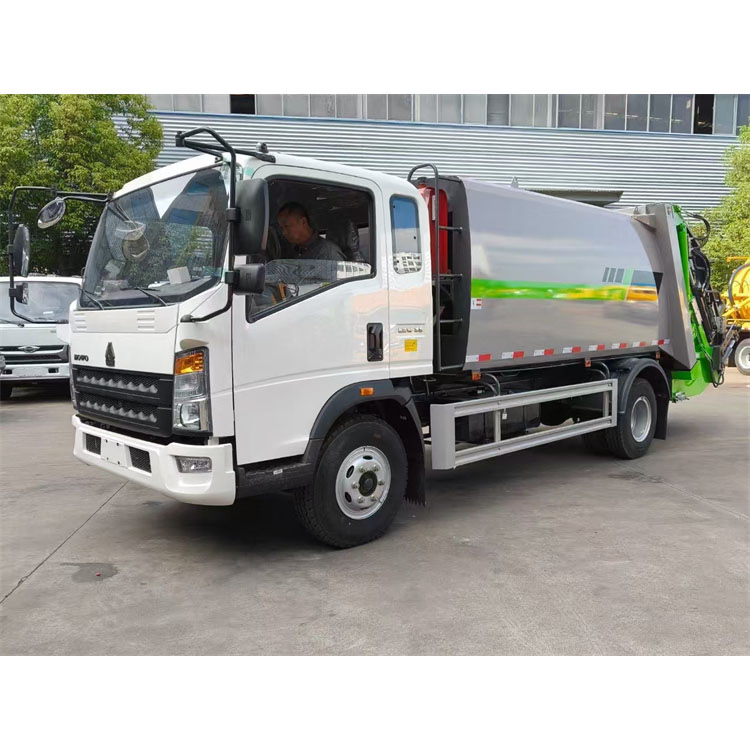
- HOWO 4x2 Mini Refuse Compactor, 5.5 m3 Body, Weichai 115 hp: tight streets and short shifts.
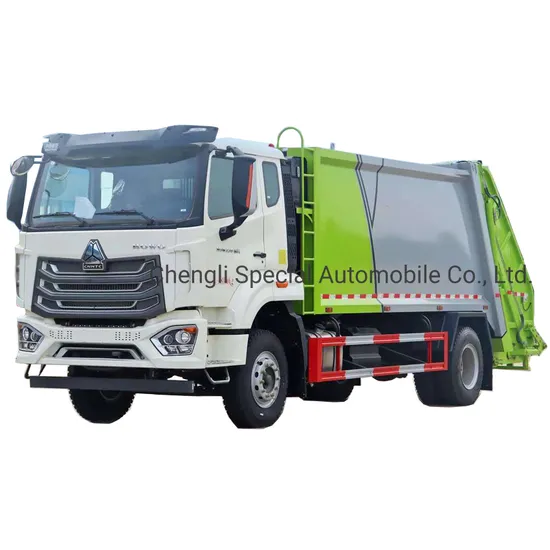
- Sinotruk HOWO 4x2 Refuse Compactor, 8-8.5 m3 Body, Yunnei 116 hp: mid-size rounds in growing towns.
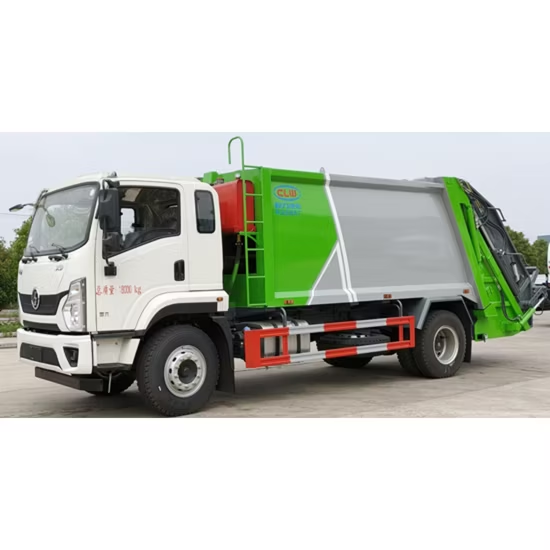
- Shacman 4x2 Refuse Compactor Truck, 14 m3 Rear Loader Body: town routes with long runs to the dump site.
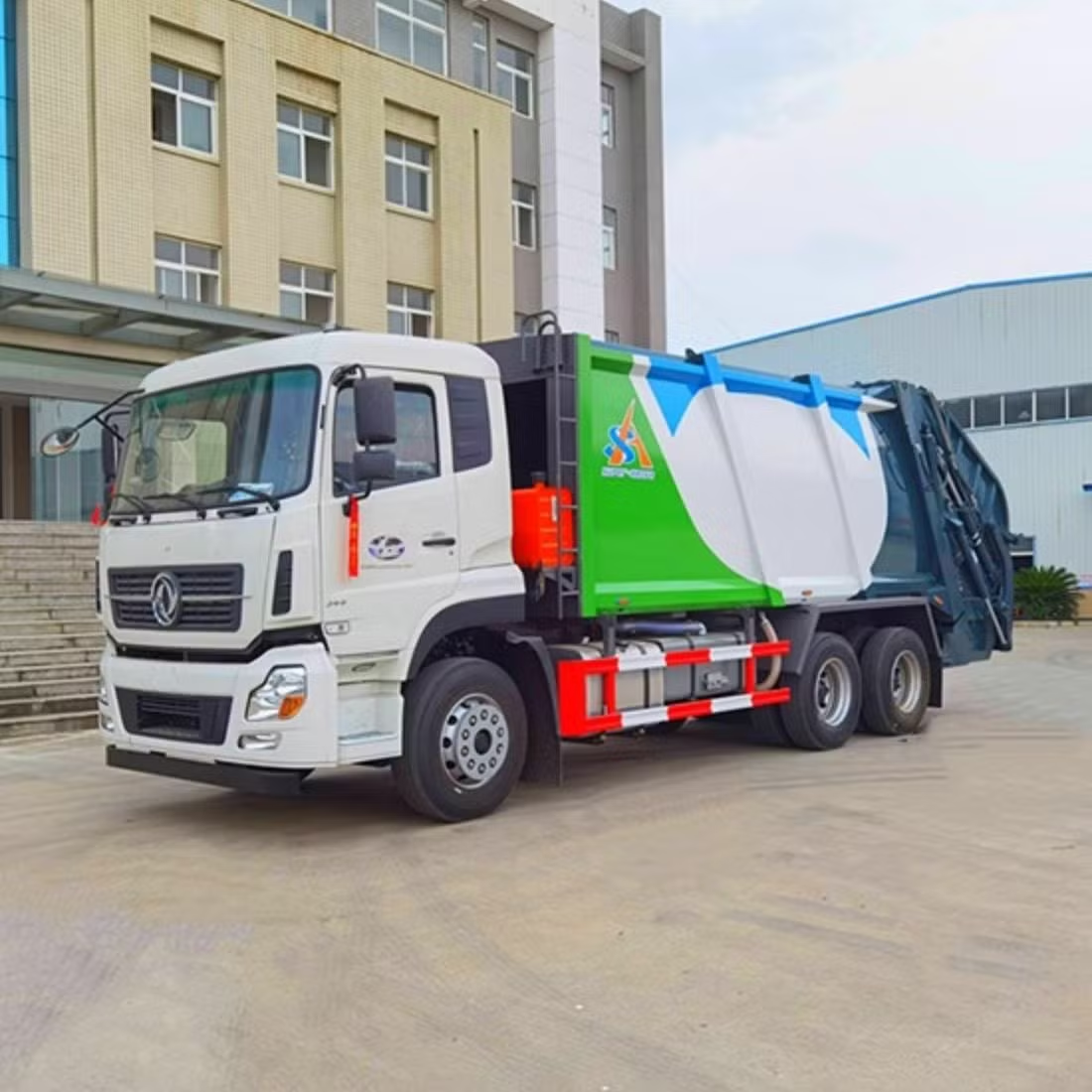
- Dongfeng Tianlong 6x4 Refuse Compactor, 18-22 m3 Sealed Body: large city routes where wet waste must stay in the body.
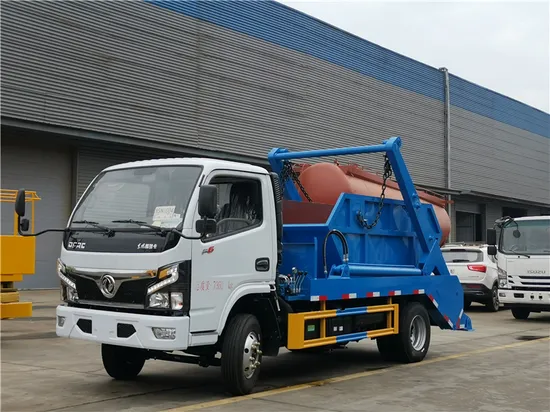
- Dongfeng 4x2 Skip Loader Garbage Truck, 4 m3 Swing Arm, 126 hp: skips at markets and transfer points.
To discuss a truck for your climate and route, contact us or read how to buy.