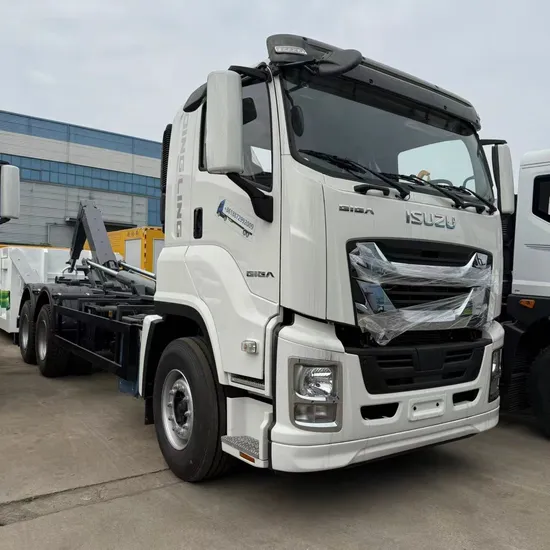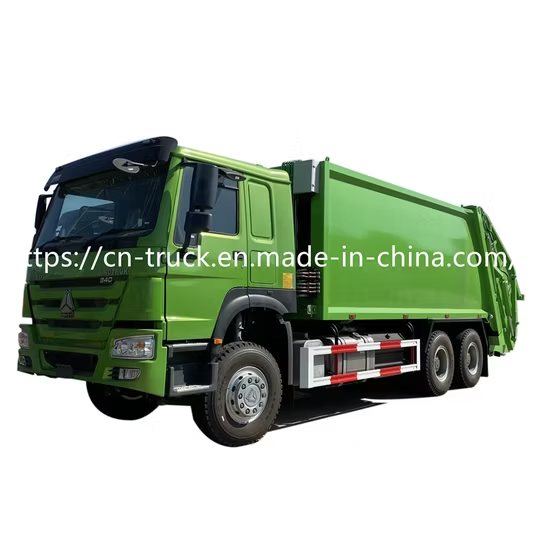
Before you order a refuse truck, decide five things and put them in writing: which body suits your collection pattern (rear loader refuse compactor, skip loader or hook lift), the body volume your chassis and streets can take, the bin lifter for the bins you already use, the hydraulic controls and safety fittings, and the spare parts you will hold. Ask the council or contractor team how waste is collected today before you choose.
1. Match the truck to the collection pattern
The way waste is put out decides the truck type more than any other factor:
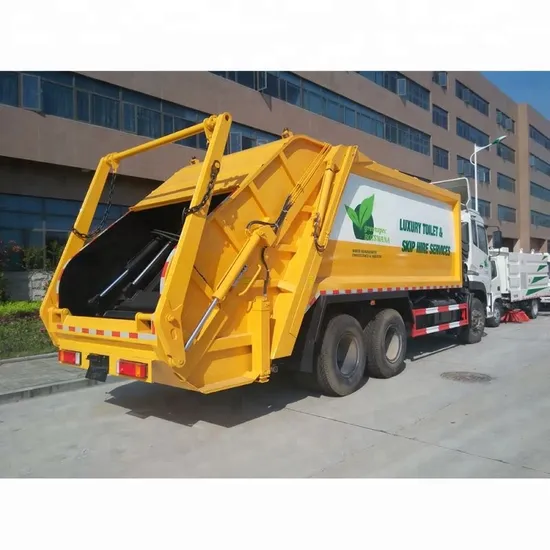
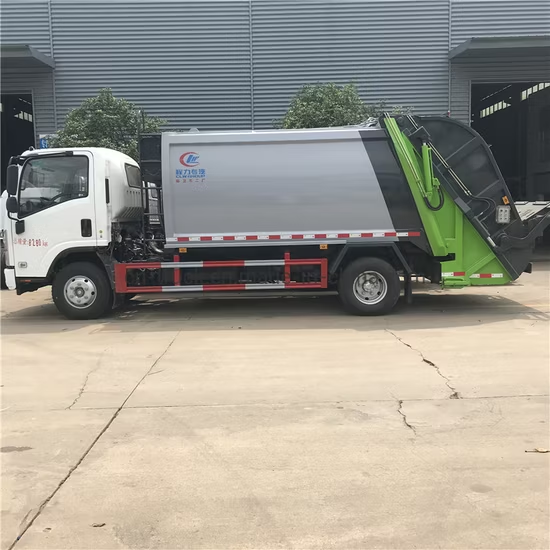
- Door-to-door bags and loose waste: a rear loader refuse compactor loaded by hand into the hopper, such as the Isuzu NPR 4x2 rear loader or the Shacman L3000 rear loader.
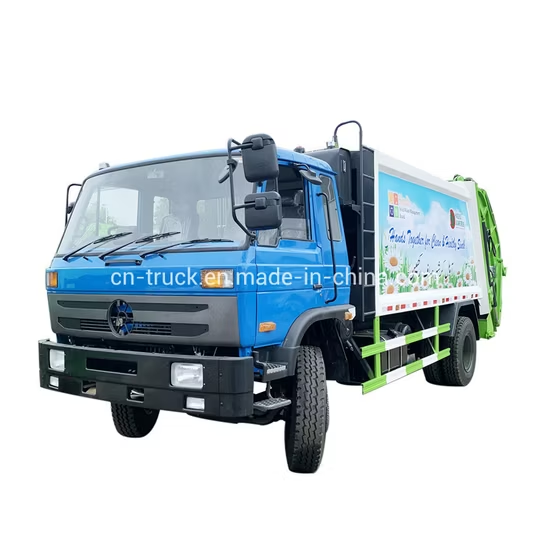
- Wheelie bins: a compactor with a bin lifter at the rear, such as the HOWO 4x2 light refuse compactor with bin lifter.
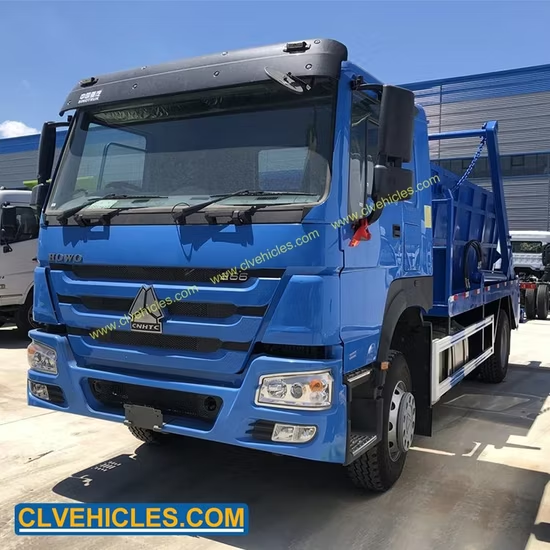
- Communal skips at estates, schools and markets: a skip loader, which lifts a full skip onto the truck with swing arms and leaves an empty one, such as the Sinotruk HOWO 4x2 skip loader.
- Large market, building site or landfill containers: a hook lift (roll-off) truck, which pulls the whole container onto the chassis, such as the Isuzu 6x4 hook lift with 25 t hook.
Many councils run a mix of these. In South Africa, Kenya, Zimbabwe, Zambia and Botswana tenders usually say refuse truck, refuse compactor or skip loader; in Nigeria, Ghana and Liberia buyers often write garbage truck. Use the word your tender uses, but describe the actual work in your enquiry.
2. Body volume, payload and street width
A bigger body is not always better. Compacted refuse is heavy, so the body, the waste and the hydraulics together must stay within the axle and gross weight limits of the chassis. Ask for the body volume in m3, the rated waste payload and the gross vehicle weight in the quotation. Then check your routes:
- Narrow streets and tight corners: a light 4x2, such as the Qingling Isuzu QL1100 small compactor or the Dongfeng EQ5140 with 1.2 m3 hopper.
- Town routes with longer runs to the landfill: a medium 4x2 such as the Dongfeng 4x2 with Cummins 5.9 L.
- High-volume city rounds: a 6x4 such as the Sinotruk HOWO 6x4 rear loader with over 15 m3 body or the Dongfeng 6x4 with 8.9 L engine.
Rough landfill access roads are hard on a loaded truck, so ask about ground clearance and tyre size. Judge the body on the tonnes of your own waste it carries, not on a brochure figure.
3. Bin lifter and bin sizes
Ask the council or contractor which bins are in use before you specify the lifter. Two-wheel wheelie bins, larger four-wheel bins and steel drums each need a different lifting arm or comb. Questions to ask:
- Which bin sizes does the lifter take, and can it be changed later?
- Does it tip one bin or two at a time, and what is its lifting capacity in kg?
- Can the crew still load bags by hand with the lifter fitted?
4. Hydraulics, controls and safety
Crews work behind and beside a rear loader, so safety fittings matter as much as body size. Ask for:
- The pump, valve and cylinder brands, and the working pressure.
- Manual lever or electric push-button controls, and where they are mounted.
- Emergency stop buttons at the rear and in the cab.
- A reversing camera, reversing alarm and rear work lights.
- Rear steps, grab handles and any safety interlock for the packer.
- Rear lights, reflectors and markings that meet local road rules.
5. Leachate tank and sealing
Wet waste from markets and homes produces liquid, called leachate, which drips on the road if the body is not sealed. Ask whether a leachate tank is fitted, its volume, where the drain valve sits, and how the tailgate and hopper are sealed. Also ask for the plate thickness and steel grade of the floor and hopper, which wear fastest.
6. Skips and hook lift containers
For a skip loader or hook lift truck, the containers matter as much as the truck. If you already own skips, send their size, empty weight and the position of the lifting lugs or chains so the arms fit them. For a hook lift, send the hook height and container length you use; containers from different makers do not always fit the same hook. Ask whether new containers can be quoted with the truck, with their volume and plate thickness.
7. Service, spare parts and local rules
Hydraulic seals, hoses and cylinders wear first on a refuse truck. Ask for:
- A spare parts list with hydraulic seal kits, hoses, filters and a spare cylinder.
- Part numbers for the pump, valves and cylinders so parts can be sourced locally.
- Service intervals for hydraulic oil and filters, and the chassis service manual.
CLW builds the body and mounts it on a bought-in HOWO/Sinotruk, Shacman, Dongfeng, Isuzu or Qingling Isuzu chassis, so choose a chassis brand with dealers or parts in your country. Southern and East Africa mostly drive on the left (RHD), while West, Central and North Africa and Ethiopia drive on the right (LHD); see drive side by country. For registration, waste transport permits and tender rules, check with your local authority and clearing agent. The South Africa and Zambia pages give a starting point.
Prices and next steps
Prices shown are reference prices (FOB China, ex-factory list). The final price depends on body, bin lifter, hydraulics, chassis, drive side and shipping, and is fixed in the written quotation. See the refuse truck price guide, browse all refuse trucks, or compare with vacuum tankers and a bare truck chassis. Read how to buy and send your answers through the contact page.