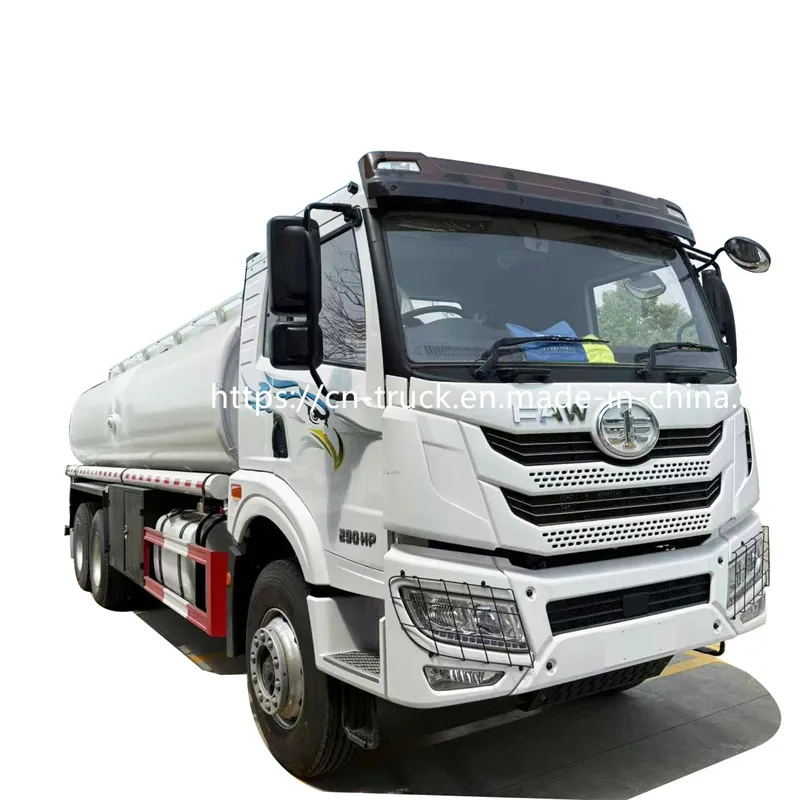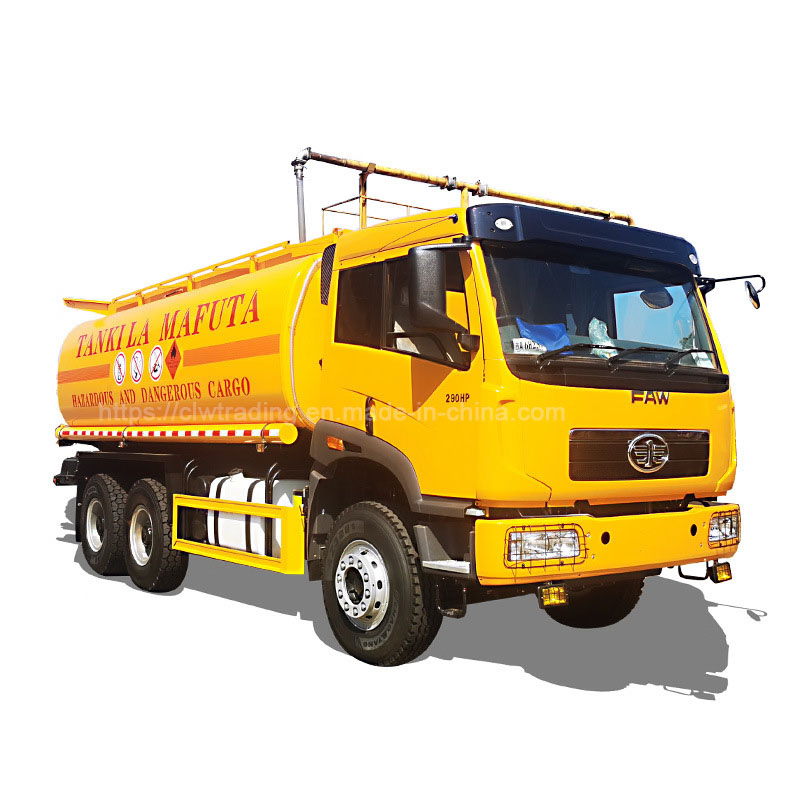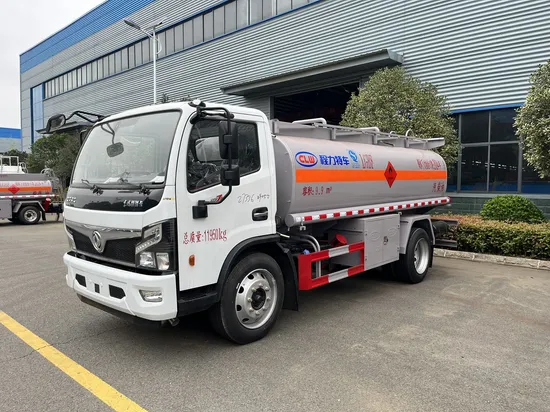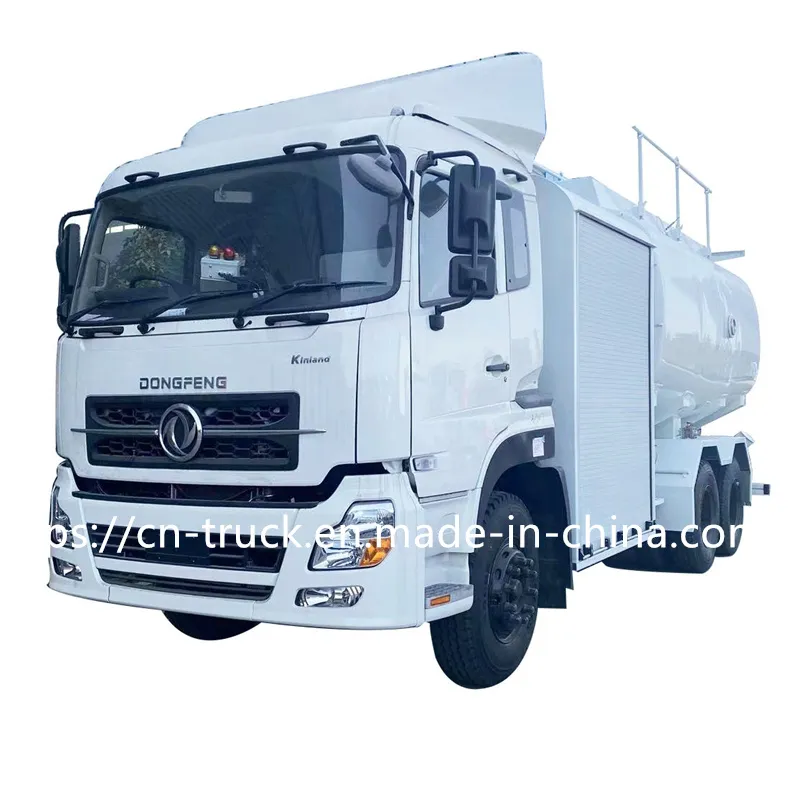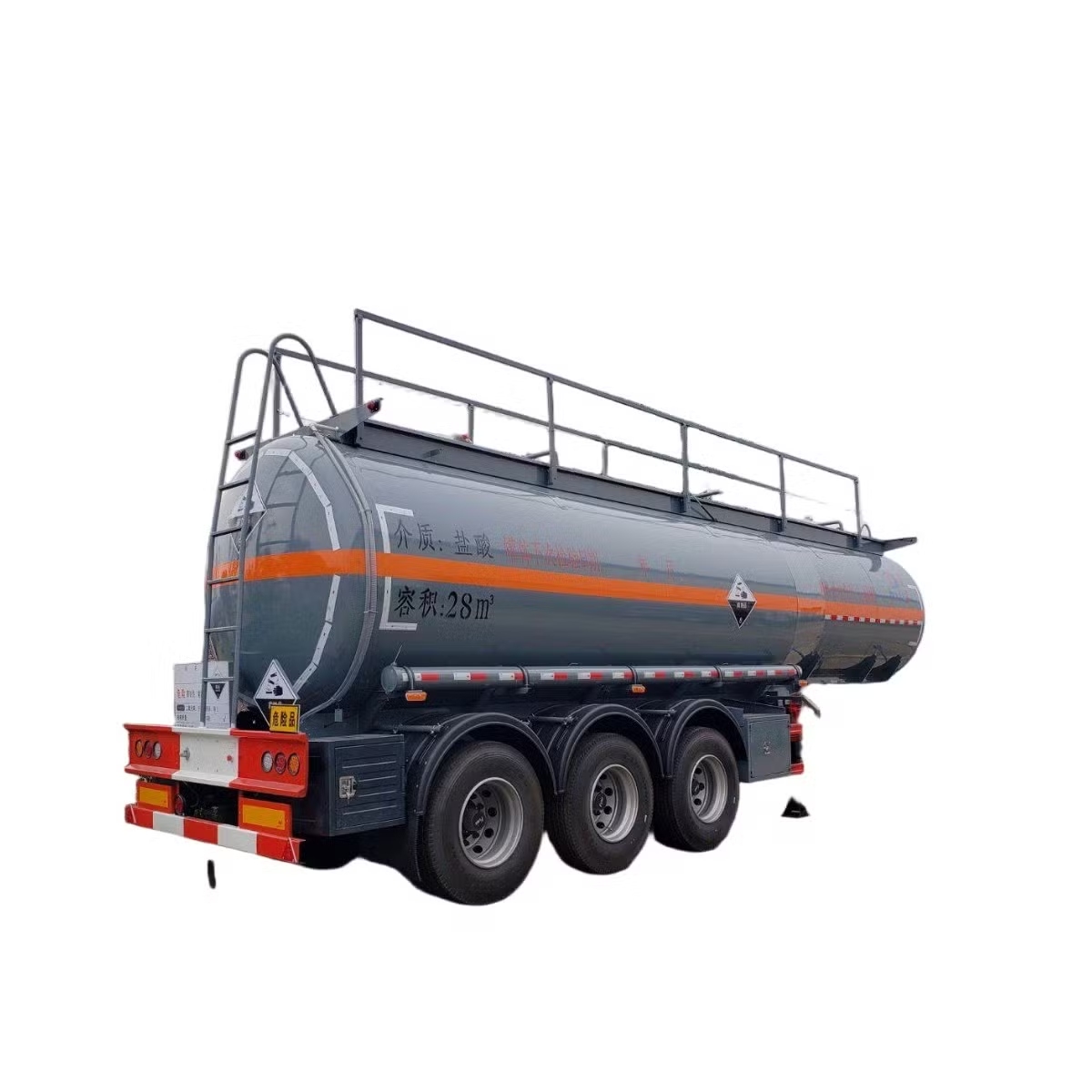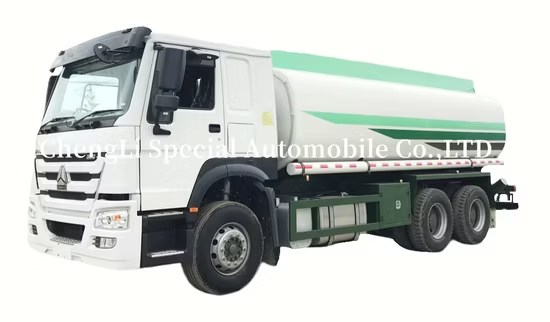
Carrying fuel or other dangerous goods by tanker needs care at every stage: loading, driving, parking, spills and cleaning. Use a tanker built for the product, keep ignition sources away, drive smoothly and never leave a loaded tanker unattended. Follow the dangerous goods rules of your country and the tank maker instructions at every step.
Flammable, corrosive or toxic liquids can do far more harm than ordinary cargo. One mistake can injure people, damage property and pollute land and water. This page sets out general safety points for drivers and fleet managers. It is not a legal reference. Ask the product shipper for its handling instructions and emergency information for each load, and keep them in the cab.
Safety points by stage
| Stage | Main risk | What the crew does |
|---|---|---|
| Before loading | Wrong tank or damaged fittings | Confirm the tank suits the product; check valves, manholes, earthing reel and extinguishers |
| Loading and unloading | Fire, static, overfill, spills | Earth the tanker, follow the site procedure, wear protective equipment, watch the level |
| Driving | Rollover, surge, collision | Controlled speed, long following distance, early and gentle braking |
| Parking | Fire, theft, harm to the public | Park away from crowds and never leave the tanker unattended |
| Leaks and spills | Fire and pollution | Move people away, remove ignition sources, call the emergency contacts |
| After unloading | Residue and vapour | Clean and ventilate as the tank maker instructions describe |
Vehicle choice, markings and equipment
Use a tanker that suits the product, the distance and the roads. Tank material, compartments, valves and vents all depend on what you carry. Never carry products that react with each other in the same tank or on the same vehicle. Display the hazard markings that apply on your route, and keep them clean and readable. Before each trip, check the manhole covers, bottom valves, hoses, earthing reel and fire extinguishers. For fuel trucks, the fuel tanker buying checklist covers the compartments, pumps and safety fittings to specify.
Loading, unloading and fire prevention
- Load and unload in the open air, on a firm surface, with good lighting, clear signs and fire extinguishers at hand.
- Connect the earthing lead before you open any valve or hatch. Remove it only after the hatches are closed.
- Use non-sparking tools. Allow no smoking or open flames on or near the tanker.
- Wear the protective equipment that the product data sheet calls for.
- Stay with the tanker for the whole transfer and watch the level, so no compartment is overfilled.
- Keep the tanker out of strong direct sun and away from heat sources while it waits.
If you carry petrol and diesel on one trip, compartment order and valve control matter. Read can a fuel tanker carry petrol and diesel on the same trip for the details.
Driving a loaded tanker
A liquid load moves. In a part-filled compartment, the liquid surges forward when you brake and sideways in a bend. Drive at a controlled speed and keep a long gap to the vehicle ahead. Brake early and gently, and avoid sharp steering. Do not overtake unless the road ahead is clearly open. Plan the route in advance, and avoid busy town centres at peak hours where you can.
Leaks, parking and cleaning
The right response to a leak depends on the product, so follow the emergency information for that load. In general, stop in a safe place and move people away. Keep sources of ignition out of the area. Call the emergency contacts for the goods and the local fire service. Do not attempt a makeshift repair on a leaking tank.
Do not park a loaded tanker near schools, markets or other busy public places. Never leave it unattended, and keep unauthorised people away. After unloading, clean and ventilate the tank as the tank maker instructions describe before any repair work or change of product. A tank that has carried fuel or chemicals should never carry drinking water or food.
Heat, dust and long routes in Africa
Strong sun raises tank and cargo temperature and puts extra pressure on vents, seals and pipework. Shade the tanker while it waits and check fittings more often in the hot season. Rough roads and rainy-season mud make braking and steering harder and can loosen fittings, so inspect valves and connections at each stop. On long routes between towns, help can be far away. Carry the correct protective equipment, the emergency information and a trip plan with rest stops. A driver who moves from a rigid truck to a semi-trailer tanker needs training on that vehicle first. On every trip, follow the dangerous goods rules of your country and the tank maker instructions.
Fuel tankers and tanker trailers on this site
See all fuel tankers and the tanker models among our semi-trailers.
- HOWO 6x4 Fuel Tanker 20,000 Litre, Four Compartments with Fuel Dispenser: depot to station runs with several products.
- FAW 6x4 Fuel Tanker 24 m3 with Six Compartments and Weichai WP10 Engine: multi-drop deliveries of different grades.
- FAW 6x4 Fuel Tanker, 20,000 Litre Tank, Bottom Loading, 220 kW: depots that load through bottom couplers.
- Dongfeng 4x2 Aluminium Fuel Bowser, 142 hp, ABS and Speed Limiter: site refuelling on short local routes.
- Dongfeng 6x4 Jet Fuel and Kerosene Tanker 19,000 Litre with WP10 340 hp: carrying kerosene and jet fuel.
- CLW 3 Axle Fuel Tanker Semi-Trailer, 42,000 Litres in 6 Compartments: long-haul bulk fuel behind a prime mover.
- CLW Aluminium Fuel Tanker Trailer, 3 Axles, Single Tyres and Air Suspension: bulk fuel where a lighter tank helps payload.
To discuss a tanker for your product and routes, contact us or read how to buy.