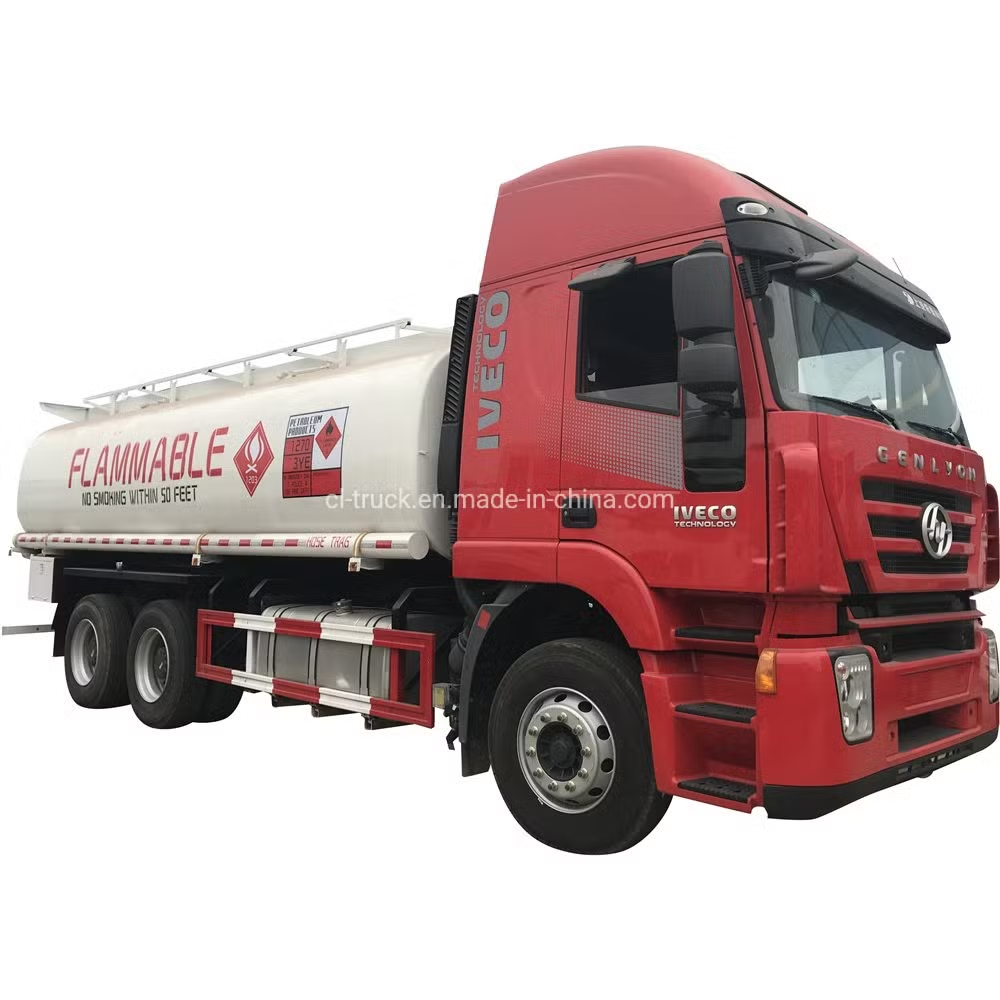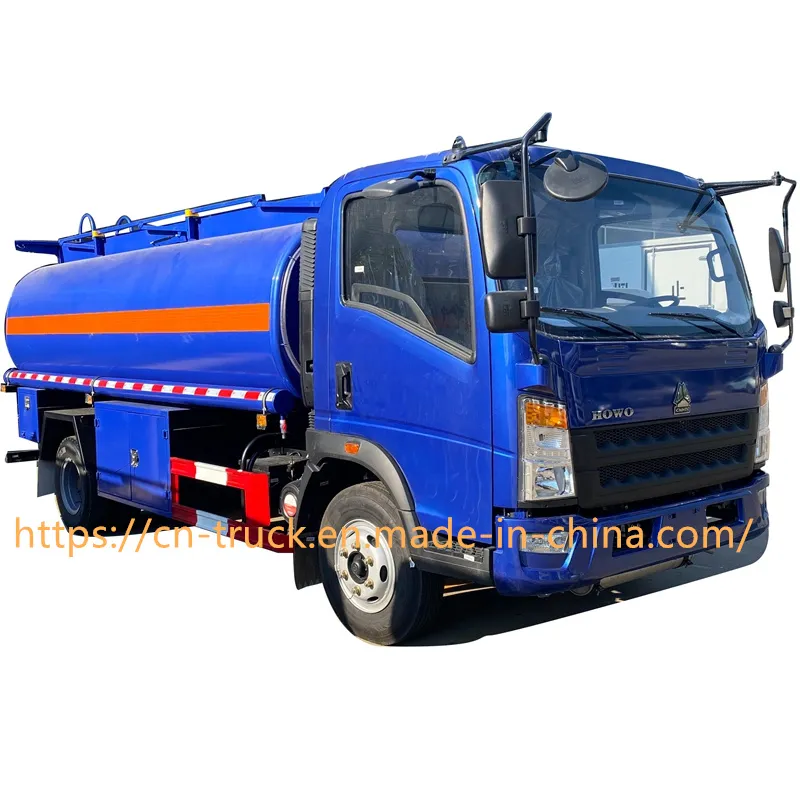
Keep a fuel tanker reliable with a daily walk-around of tank, piping, chassis and tyres, a check at every stop, and a logical method for engine faults. When the engine misbehaves, read the fault codes first. Then check fuel, air and electrical signals in order. Replace parts only after the cause is found.
A fuel tanker combines a chassis, a tank, a piping system and a power take-off. Neglect any one of them and the result may be a leak, a roadside breakdown or a fire risk. Each of those costs far more than the daily checks that prevent it.
What the driver is checking
The tanker body usually includes the tank, a power take-off, a drive shaft and a gear pump. The piping system adds selector and shut-off ball valves, strainers, hoses and, on many trucks, a flow meter or dispenser. Knowing how these parts connect helps the driver spot a fault early. Our page on what a PTO on a truck is explains the pump drive. The page on how a fuel tanker unloads covers pump, meter and gravity discharge. Chassis service follows the chassis maker manual and belongs with a qualified workshop.
Daily check routine
| When | What to check |
|---|---|
| Before departure | Tank, piping and valves for seepage; manhole covers closed; engine oil, fuel and coolant levels; hand and foot brakes; steering, gauges and lights; tyre pressure and wheel nuts; fire extinguishers in place |
| While driving | Gauges; steering and brake response; unusual noise or smell from the engine, chassis or tank |
| At each stop | Brake drum heat by hand; tyres and wheel nuts; stones in the tread; oil, water and air leaks; leaf springs, drive shaft bolts, tank shell and pipework |
| End of the day | Repeat the walk-around; clean the truck; write any fault in the log |
Check the fire extinguishers regularly and replace any that are used, damaged or out of date. Keep the strainers clean, because a blocked strainer slows discharge and strains the pump.
How to trace engine faults
Do not guess, and do not start by changing parts. Read any stored fault codes first. Then work through the system in a fixed order: fuel supply, air intake, sensors and wiring, then injection.
Stalling when the throttle is released
Here the engine cannot hold a steady idle as it drops from load to idle. Possible causes are a faulty accelerator pedal signal, crankshaft and camshaft sensor signals out of step, wrong fuel pressure, a faulty control unit signal or wrong injection timing. Watch how the live readings change as the engine falls back to idle. That usually shows which signal is wrong.
Hard starting or no start
If the starter does not turn, check battery charge, terminals, starter wiring, fuses and the ignition switch. If the starter turns but does not engage the engine, the fault is in the starter engagement. If the engine cranks at normal speed but will not fire, check fuel injection and the intake side.
On electronically controlled engines, do not pump the pedal while starting. It only raises engine speed and fuel use. If the engine idles once the pedal harness is unplugged, the pedal is faulty. Next, check intake pipes for leaks, fuel line joints, air in the fuel and fuel quality. Look for loose plugs and sensor faults. Then confirm that the injectors receive a control signal. With no signal, check fuses, wiring and the control unit. With a signal, check the spray pattern.
Weak power or slow acceleration
Here the engine runs well without load but is slow on hills or with a full tank, and it will not reach full speed. Typical causes are fuel pressure too high or too low, poor injector spray, wrong sensor signals, too little fuel injected, wrong timing, low compression or a blocked exhaust. A clogged air filter gives the same symptom, so check it first in dusty areas.
Fuel quality, dust and heat on long routes
On African routes, fuel quality can vary from one depot or station to the next. Water or dirt in the fuel causes hard starting and weak power. Drain the water separator and change fuel filters as the chassis maker manual states. Check fuel quality before you blame the engine. Dust clogs air filters and radiators, so inspect them more often in the dry season. Heat bakes brake drums and tyres on long hauls, so feel them at every stop.
Workshops can be far apart on long routes. Carry basic spares such as filters, belts and fuses, and keep a simple fault-finding checklist in the cab. Parts may take time to reach remote sites, so plan your spares ahead. If you are specifying a new truck, the fuel tanker buying checklist lists the fittings to confirm.
Fuel tankers on this site
See all fuel tankers and the tanker trailers among our semi-trailers.
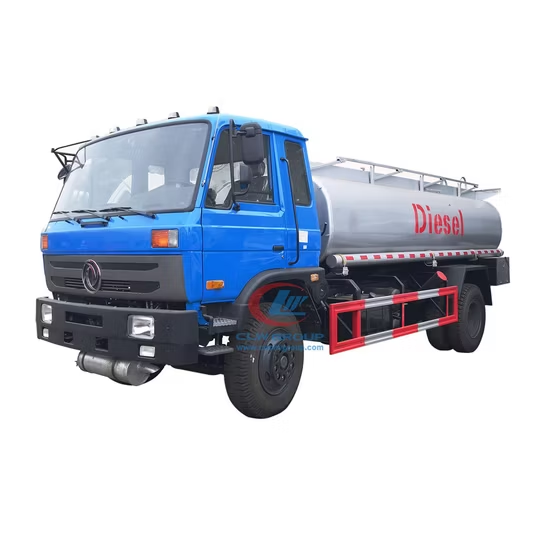
- HOWO 4x2 Six-Wheel Fuel Tanker with 6,000, 8,000 or 10,000 Litre Tank: town deliveries to stations and farms.
- Dongfeng 153 4x2 Fuel Tanker, 10,000 Litres, Cummins 170 or 190 hp: medium routes between depots and towns.
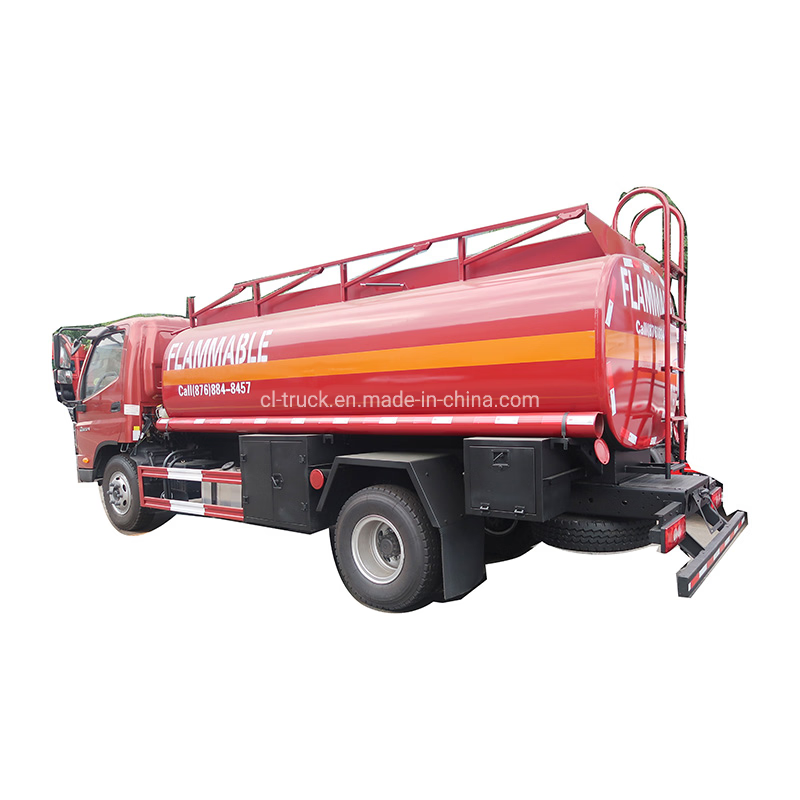
- Foton Aumark 4x2 Fuel Tanker, 6,000 to 7,000 Litre Tank, Cummins 141 hp: smaller loads on narrow roads.
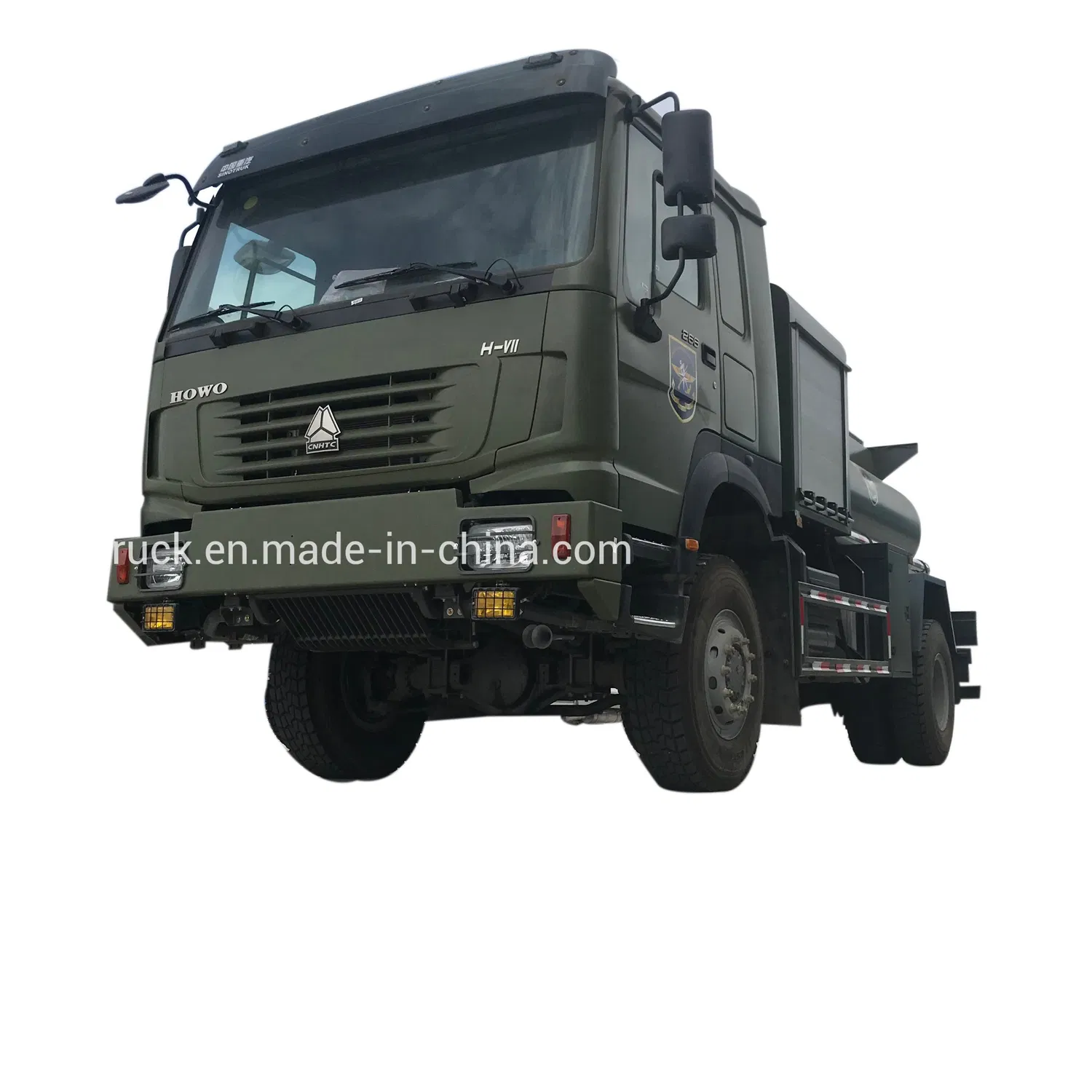
- HOWO 4x4 Off-Road Fuel Tanker up to 10,000 Litre with WD615 260 hp Engine: mine and construction sites off the tar.
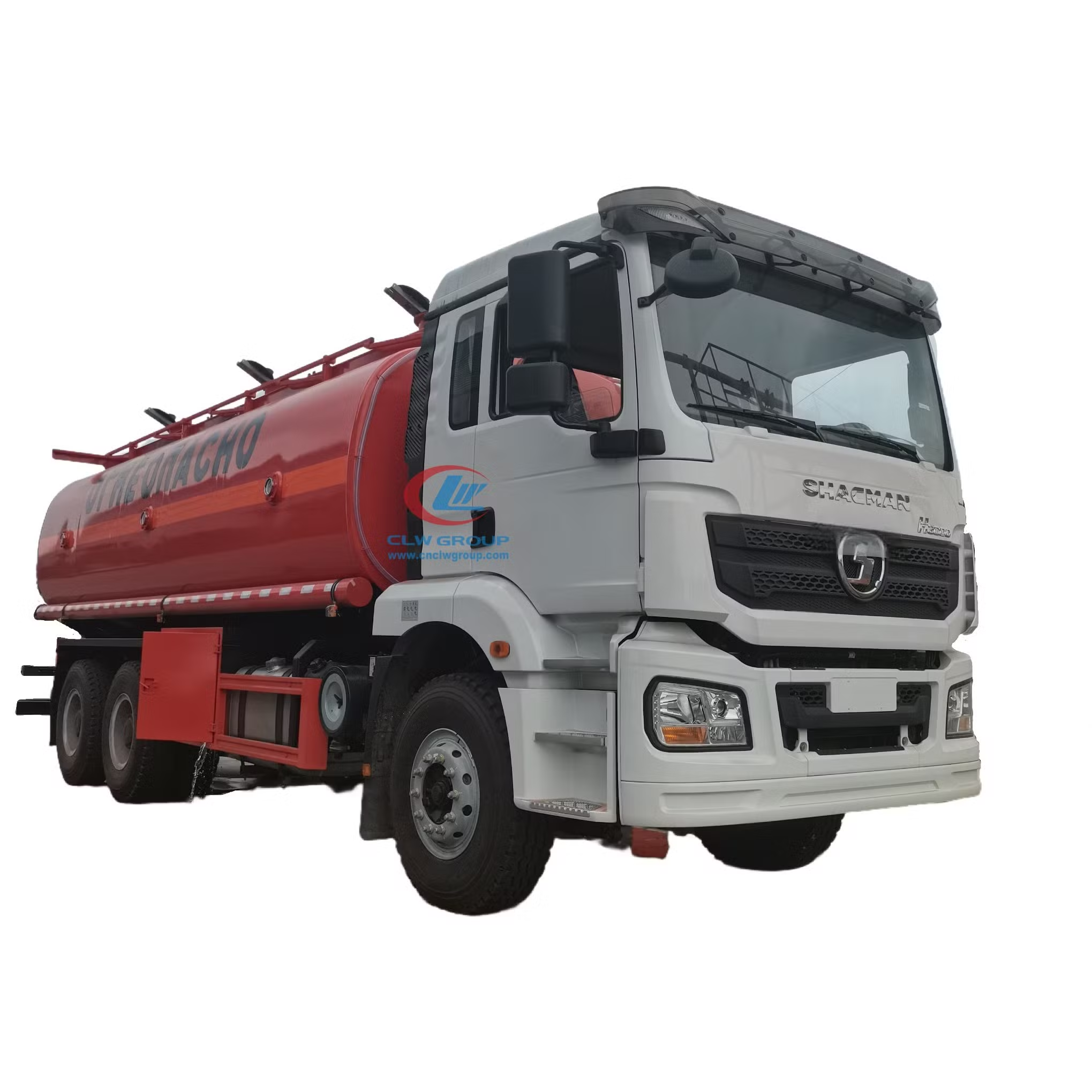
- Shacman 6x4 Fuel Tanker, 18,000-25,000 Litre Tank, Weichai 300 hp: regional bulk runs.
- Hongyan Genlyon 6x4 Fuel Tanker, 20,000 to 25,000 Litre Tank, 320 hp: long depot to station routes.
- Sinotruk HOWO 8x4 Fuel Tanker 30 m3 with Refuelling Pump, 32 t GVW: high-volume runs on good roads.
Ready to compare options? Read how to buy or contact us.