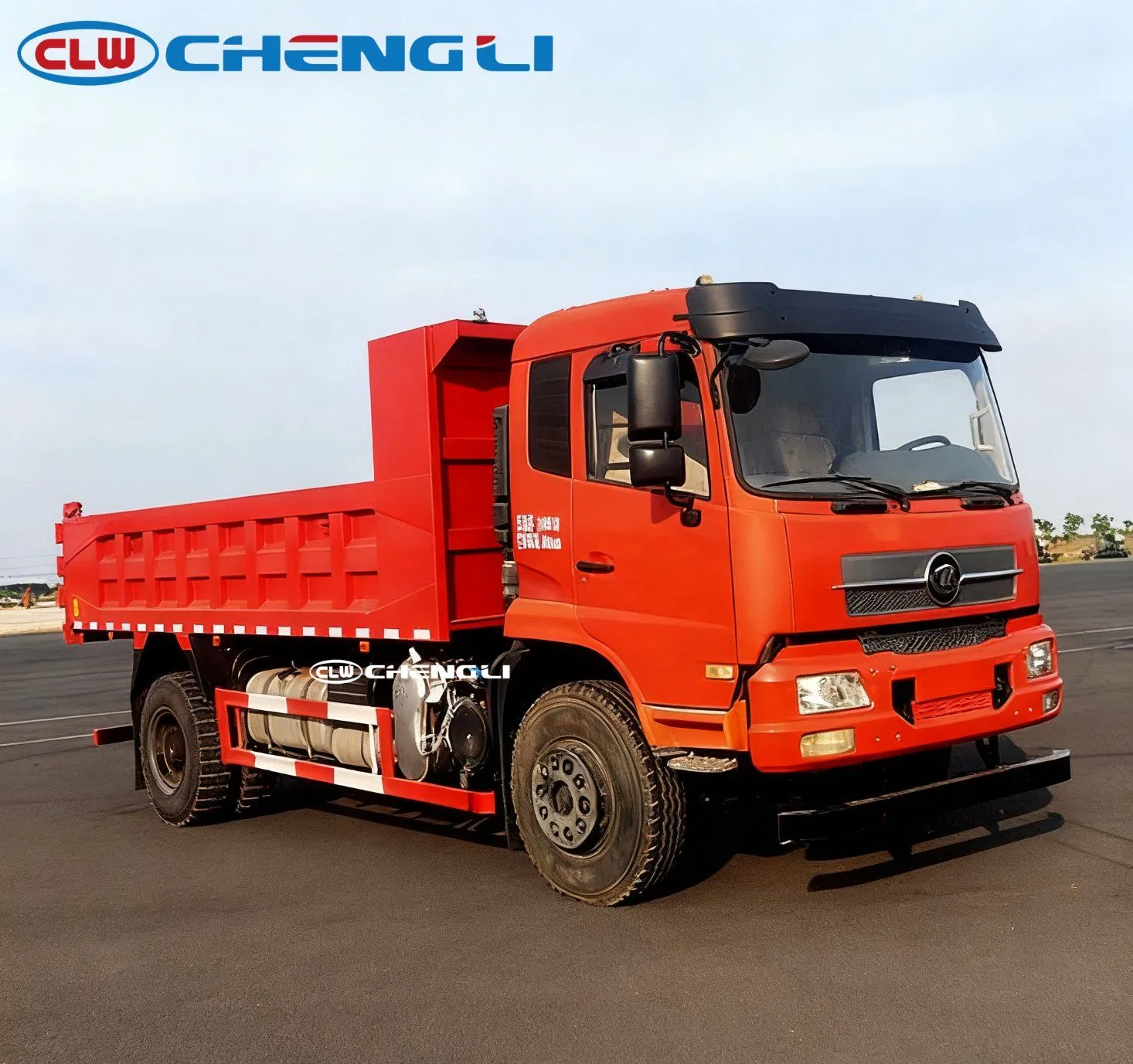
To import a new truck into Kenya, plan for the Kenya Bureau of Standards (KEBS) Pre-Export Verification of Conformity (PVoC) programme before shipment. KEBS works through contracted inspection companies. Vehicles follow different routes from general goods, and the route for a new truck is not clearly set out. Confirm it with your clearing agent and the inspection body before the truck is built.
Kenya at a glance
| Drive side | Right-hand drive (RHD); traffic keeps left |
|---|---|
| Usual port | Mombasa |
| Standards body | Kenya Bureau of Standards (KEBS) |
| Programme | PVoC, a conformity check in the exporting country |
| Certificates | Certificate of Conformity (CoC); Certificate of Roadworthiness (CoR) for used vehicles |
| Other bodies | Kenya Revenue Authority (KRA) for customs; NTSA for registration |
| Clearance and registration | Handled by the buyer and the clearing agent |
Kenya drives on the left, so order a right-hand drive truck. The drive side by country table shows the side for each market. Trucks for Kenya usually land at Mombasa. From there they go by road to Nairobi, Nakuru, Kisumu or Eldoret.
How the KEBS PVoC programme works
PVoC checks goods against Kenya standards in the exporting country. KEBS can also inspect at the destination port. Contracted inspection companies carry out the work. The KEBS PVoC manual lists several contractors for general goods, such as Intertek, SGS, Bureau Veritas and TUV Rheinland. It names one contractor, QISJ, for used vehicles, mobile equipment and used spare parts. The importer starts the process with a Request for Certification (RFC). Contractor lists change, so check the current KEBS list.
Which route applies to a new truck?
- General goods: a CoC from the contractor that covers the exporting country.
- Used vehicles: a CoR or CoC from QISJ. Its listed countries do not include China.
- New vehicles: the manual has an entry for new road vehicles that refers to type approval or manufacturer documents. The KEBS portal page does not show the same entry.
- Special bodies: the manual has a category for special purpose vehicles. It does not say whether a new tipper, tanker or crane truck falls under it.
The sources do not give one clear answer, so treat these points as leads. Registration with NTSA after arrival is a separate step from PVoC.
General PVoC steps before shipment
These steps come from the general PVoC manual. They are not a confirmed procedure for new trucks.
- Get the relevant Kenya standards and import rules, and share them with the factory.
- Ask KEBS or your clearing agent which route applies to your truck.
- If a certificate is needed, send the RFC to the right contractor.
- The contractor arranges an inspection with the exporter, and may ask for tests.
- Check the draft certificate carefully, because KEBS does not amend it after issue.
- At Mombasa, the certificate goes to KEBS and KRA through the single window with the shipping documents.
Documents to prepare
- Commercial invoice, packing list and bill of lading.
- A specification sheet with the model, drive side and engine emission level.
- Chassis number (VIN) list and year of manufacture.
- Photos of each truck and its chassis plate.
- Type approval or other manufacturer papers, if your agent says they are needed.
- Test or inspection reports, if KEBS or the contractor asks.
What the factory provides
The CLW factory is in Suizhou, Hubei, China. You can inspect the truck at the factory, by live video, or through a third party such as SGS or BV. The buyer normally pays that fee. Each truck normally ships with its CCC certificate and a product certificate of conformity. When destination customs require it, the factory can also provide a product conformity inspection report. Trucks usually load at Shanghai, Wuhan, Ningbo, Lianyungang, Qingdao, Tianjin or Guangzhou. They travel in containers, on flat racks or as break bulk, and large orders go by RoRo. Either CLW or the buyer can book the shipping. Import clearance and registration in Kenya are the job of the buyer.
What to confirm with your clearing agent
Rules change. Before you order, confirm the current process with your clearing agent and the inspection body.
- Whether KEBS treats your truck as a new road vehicle or as mobile equipment.
- Whether a certificate is needed, or only manufacturer papers.
- How trucks shipped from China are handled.
- Current charges, age rules and contractor appointments.
- Import duty, taxes and NTSA inspection and registration.
- Any emission or fuel rule. The guide to choosing a Euro engine level explains the fuel side.
Trucks that suit Kenya
These trucks can be built in right-hand drive. See more on the trucks for sale in Kenya page, or browse tipper trucks, water bowsers and fuel tankers.
- CLW 4x2 Six-Wheel Tipper Lorry, 10 t Payload, Yuchai 245 hp: ballast and sand runs for building sites.
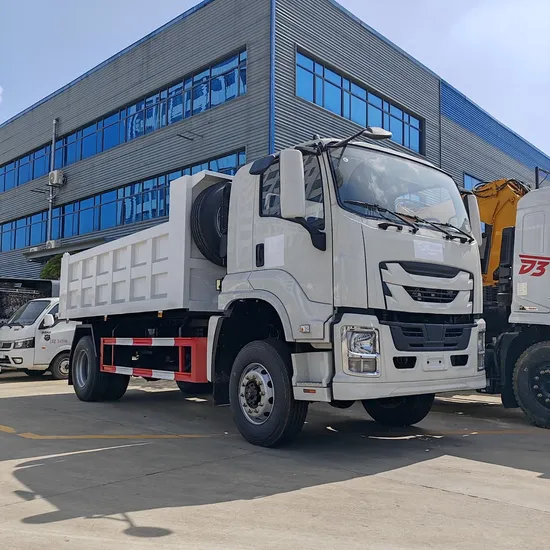
- Isuzu GIGA 4x2 Tipper Truck, 205 hp, 18 t GVW, 5 m Q345 Box: county road work and quarry runs.
- HOWO 4x2 Water Bowser, 10,000 Litre Tank, Water Cannon, RHD or LHD: water delivery in Nairobi estates.
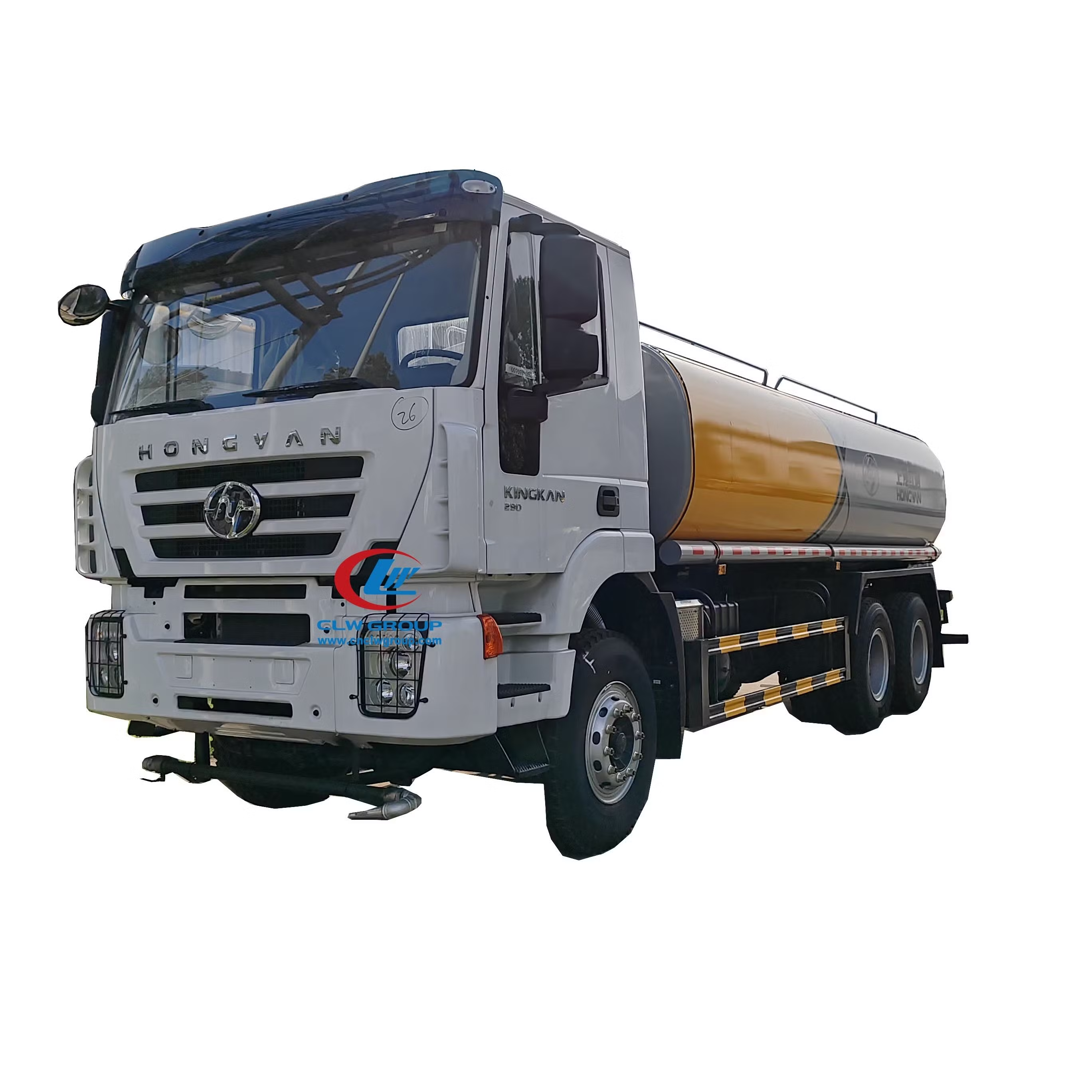
- SAIC Hongyan 6x4 Water Bowser, 16,000-25,000 Litre Tank, Weichai 380 hp: dust control on large road projects.
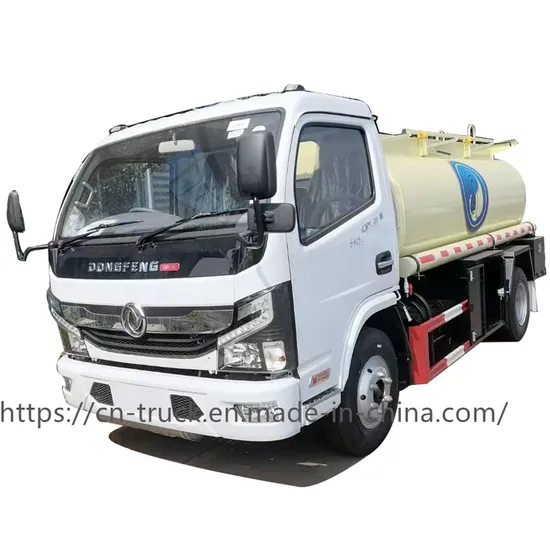
- Dongfeng 4x2 Small Fuel Bowser 3,000-5,000 Litre with Dispenser, 120 hp: refuelling plant on site.
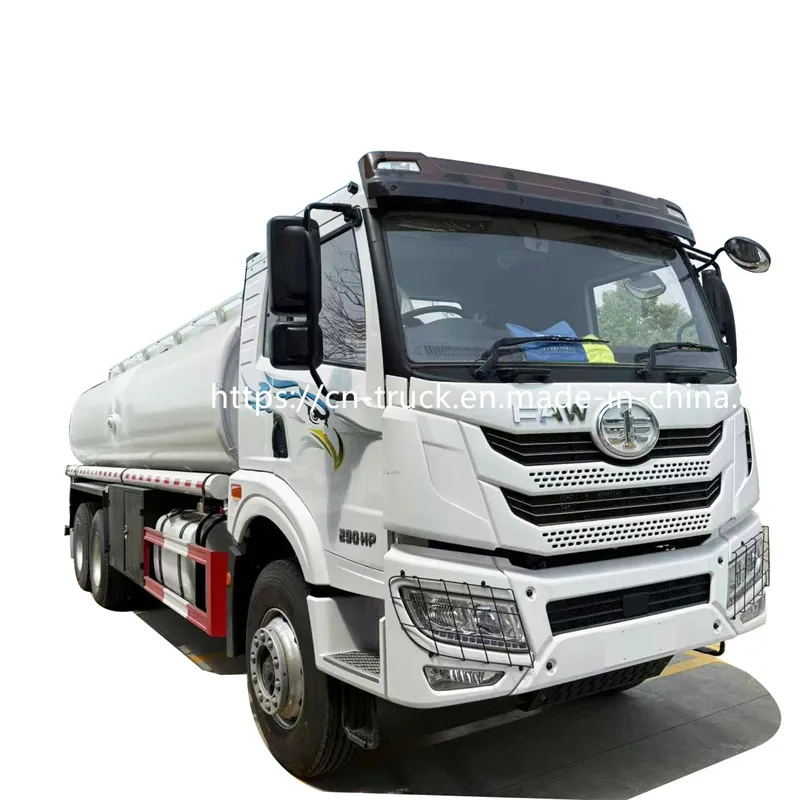
- FAW 6x4 Fuel Tanker 24 m3 with Six Compartments and Weichai WP10 Engine: depot to station deliveries.
- Dongfeng 4x2 Crane Truck, 6.3 Tonne Telescopic Boom, 170 hp: lifting and carrying building materials.
For the whole process from order to arrival, read importing a new truck from China. Road contractors can also read road construction trucks in Kenya. When you are ready, see how to buy.