Order the Euro level that both your local diesel and your import rules allow. A Euro 4 or Euro 5 engine needs low-sulphur diesel to protect its exhaust treatment parts. A Euro 2 or Euro 3 engine copes better with high-sulphur fuel, but it may fall below an import minimum. Check both points with your clearing agent before you confirm the order.
Why engine level and diesel sulphur must match
From Euro 4, most truck engines need exhaust treatment to meet the limit. Common systems are SCR, which sprays urea solution (AdBlue) into the exhaust, and EGR with a particulate filter. Sulphur in diesel harms these parts. It can poison catalysts and block filters. A Euro 4 or Euro 5 truck on high-sulphur diesel may lose power, show fault codes or need costly repairs. A Euro 2 or Euro 3 engine has little or no exhaust treatment, so it accepts a wider range of diesel. It may still miss newer import rules. Ask the factory in writing which maximum fuel sulphur the engine is designed for.
Euro 2 to Euro 5 at a glance
| Euro level | Typical engine equipment | Diesel it needs | Point to check |
|---|---|---|---|
| Euro 2 | Mechanical or simple electronic injection, no exhaust treatment | Copes with higher-sulphur diesel | May fall below a Euro 4 import rule |
| Euro 3 | Electronic common rail injection, usually no exhaust treatment | Copes with higher-sulphur diesel | Same import question as Euro 2 |
| Euro 4 | Common rail with SCR or EGR | Low-sulphur diesel; EU diesel for this stage was capped at 50 ppm | Needs urea solution if SCR is fitted |
| Euro 5 | Common rail with SCR, sometimes a particulate filter | Ultra-low sulphur diesel; EU diesel for this stage is 10 ppm | Needs urea solution and clean fuel |
What public sources report by market
There is no single rule. The table sums up what public sources reported. Most describe rules for all imported or used vehicles, not new trucks. Treat each row as a lead to check, not a confirmed rule.
| Market | Diesel sulphur, as reported | Import emission rule, as reported |
|---|---|---|
| Nigeria | 50 ppm announced, per UNEP; a 50 ppm import cap reported by the press | Euro 4/IV equivalent under the ECOWAS directive, per UNEP; enforcement not confirmed |
| Ghana | 50 ppm adopted, per UNEP and press reports | ECOWAS Euro 4/IV equivalent, per UNEP; national rule not confirmed |
| Kenya | A temporary waiver allowing up to 50 mg/kg was reported in 2026; current limit not confirmed | EAC Euro 4/IV standard, per UNEP; national instrument not confirmed |
| Tanzania | EAC limit of 50 ppm, per UNEP | EAC Euro 4/IV standard, per UNEP; adoption not confirmed |
| Uganda | EAC limit of 50 ppm, per UNEP | Euro 4 reported as adopted but not yet enforced |
| Zambia | A low sulphur gasoil standard is named; ppm not confirmed | Not confirmed |
| Zimbabwe | A 50 ppm grade was sold in 2016; current limit not confirmed | Not confirmed |
| South Africa | A move to 10 ppm diesel reported as planned | Not confirmed |
| Ethiopia | Not confirmed | Not confirmed |
How to choose for your market
- ECOWAS markets such as Nigeria and Ghana: UNEP reports a regional Euro 4/IV equivalent minimum for imported vehicles. Ask how it is enforced before ordering Euro 2 or Euro 3.
- EAC markets such as Kenya, Tanzania and Uganda: UNEP reports a shared 50 ppm diesel limit and a Euro 4/IV vehicle standard, applied by each country in its own way.
- Mines and remote sites: if low-sulphur diesel is not certain, discuss the engine level with the factory.
- Urea supply: an SCR engine needs urea solution, so check it is sold locally.
What the factory provides
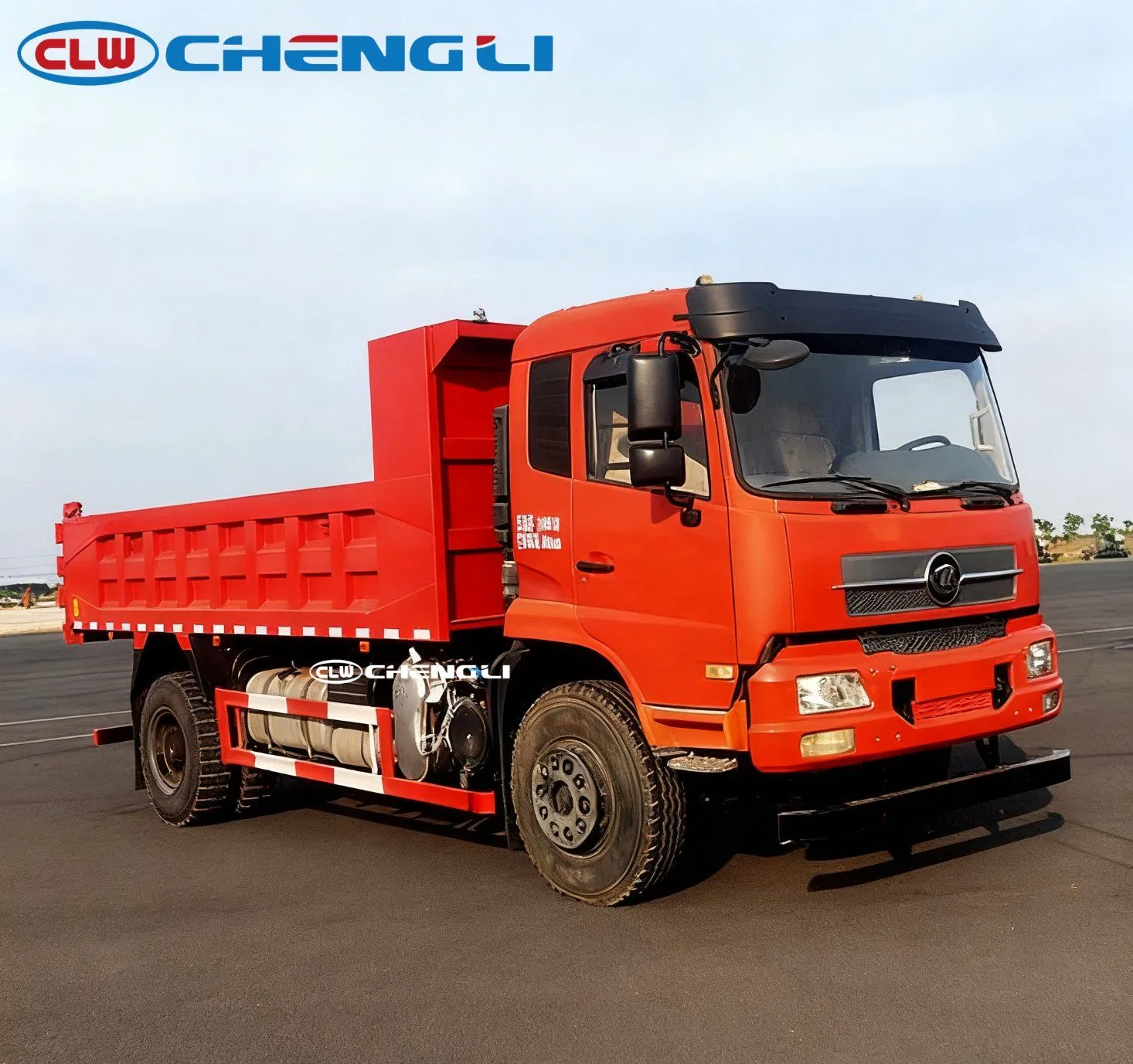
The CLW factory is in Suizhou, Hubei, China. Some models, such as the CLW 4x2 tipper below, are offered with more than one engine level. State your market when you ask for a quotation. Each truck normally ships with its CCC certificate and a product certificate of conformity. When destination customs require it, the factory can also provide a product conformity inspection report. You can inspect the truck at the factory, by live video, or through a third party such as SGS or BV. The buyer normally pays that fee. Import clearance and registration are the job of the buyer.
What to confirm with your clearing agent
Rules change. Confirm the current process with your clearing agent and the inspection body before you order.
- The current minimum emission standard for imported new trucks, and the document that sets it.
- How compliance is proved at the border.
- The diesel sulphur level actually sold at local pumps, including any temporary waiver.
- Age limits, duty, registration and inspection steps.
Trucks with a stated engine level
These truck pages state the engine emission level in their specifications. Browse more tipper trucks, water bowsers and fuel tankers.
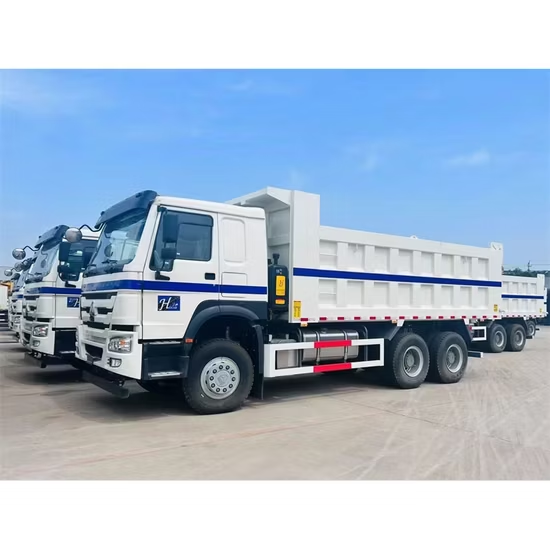
- HOWO 6x4 10-Wheel Tipper Truck, 371 hp WD615 Engine, 30 Ton Class: Euro 2 heavy tipper for quarry work.
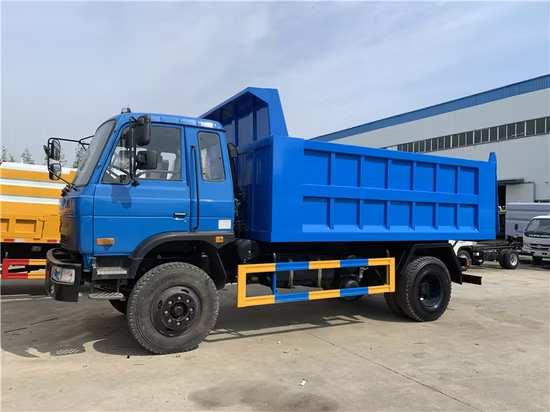
- Dongfeng 145 4x2 Tipper Truck, 8 m3 Body, 170 hp Cummins Diesel: Euro 2 medium tipper for sand and building sites.
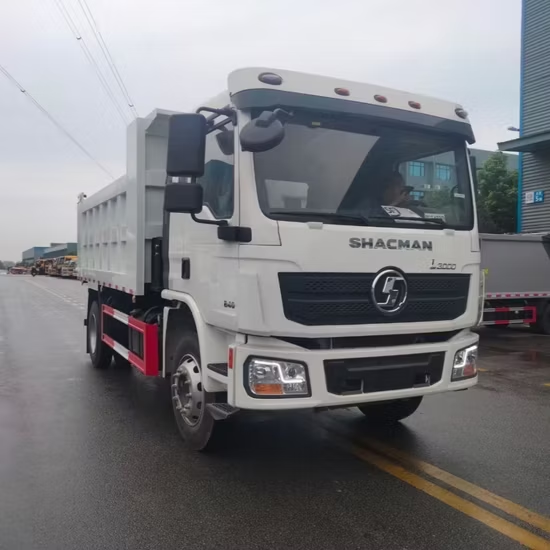
- Shacman L3000 4x2 Tipper Lorry, 9 to 15 m3 Body, Cummins Engine: Euro 3 tipper for town and road projects.
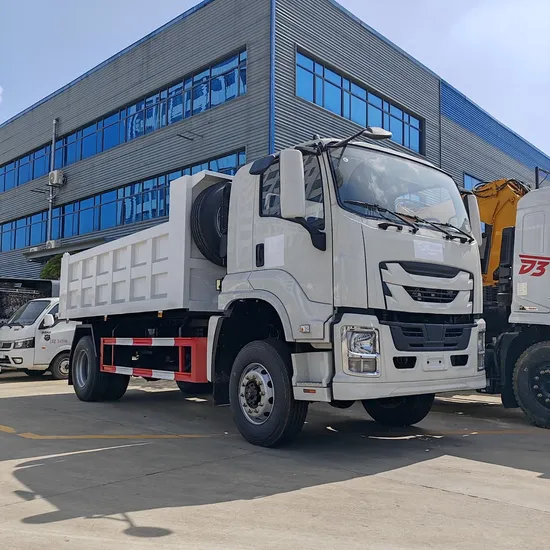
- Isuzu GIGA 4x2 Tipper Truck, 205 hp, 18 t GVW, 5 m Q345 Box: Euro 5 or Euro 6 tipper for markets with clean diesel.
- CLW 4x2 Six-Wheel Tipper Lorry, 10 t Payload, Yuchai 245 hp: engine level from Euro 2 to Euro 6, chosen by market.
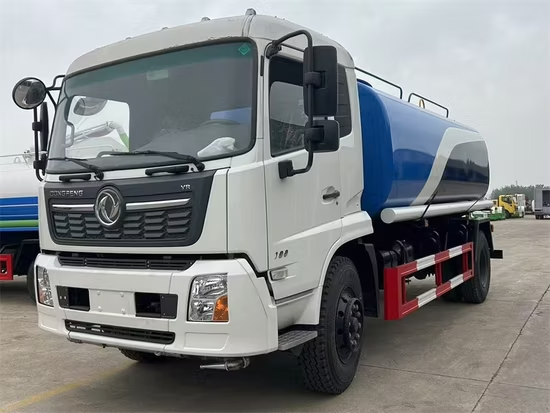
- Dongfeng Tianjin 4x2 Water Bowser, 12,000 to 15,000 Litre Tank: Euro 3 bowser for water delivery and dust control.
- HOWO 4x2 Water Sprinkler Truck, 6 to 10 m3 Tank, 116 hp Engine: Euro 3 sprinkler truck for councils and site roads.
- Foton Aumark 4x2 Fuel Tanker, 6,000 to 7,000 Litre Tank, Cummins 141 hp: Euro 3 tanker for local diesel delivery.
See also the truck quotation checklist and importing a new truck from China. To match an engine to your market, contact the CLW team.