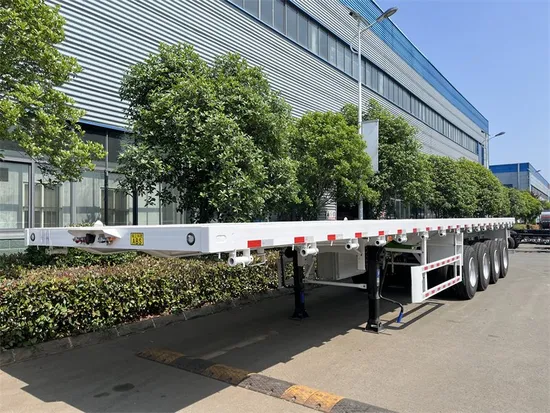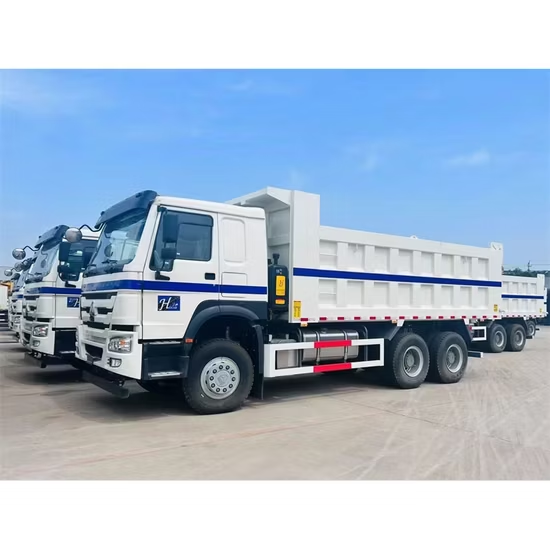
Importing a new truck from China to Africa follows a clear order: agree the specification and written quotation, sign a proforma invoice or contract, let the factory build the truck, complete any pre-shipment inspection your country requires, ship it by RoRo or flat rack, then clear it through customs with a local clearing agent and register it. The details differ by country, so treat this page as a general map and confirm the current rules locally.
Step 1: Specification and quotation
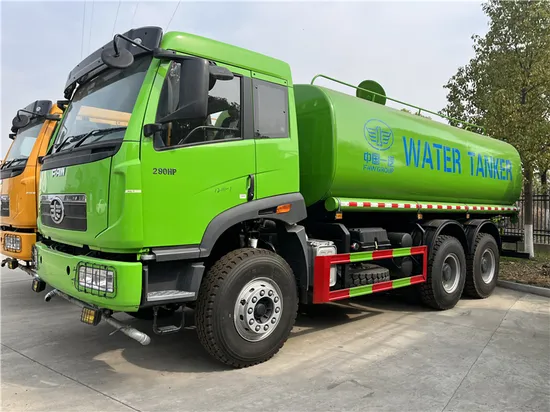
Start with the job, not the truck. Tell us what you carry, how far, on what roads, and which country the truck will be registered in. We then propose a chassis, engine, body and drive side and send a written quotation. For example, a quarry buyer might compare the HOWO 6x4 10-wheel tipper with an 8x4, while a contractor needing water might look at the FAW 6x4 20,000 litre water bowser. Check the drive side for your country on our drive side by country page before you confirm. Our truck quotation checklist lists what the quotation should cover.
Step 2: Proforma invoice and contract
Once the specification is agreed, you receive a proforma invoice or sales contract. It should state the exact model, specification, quantity, unit price, Incoterm (for example FOB or CFR with the named port), payment terms, production period and what happens if anything differs on delivery. Payment terms are agreed case by case and written into the contract, so read them carefully and do not pay against a document that does not match the quotation. Your bank may also need the proforma to arrange payment or an import permit.
Step 3: Production
CLW builds the body, tank, mixer or crane on the agreed chassis at Suizhou, Hubei. During production you can ask for photos of the chassis number, engine plate and body work so you can check that they match the contract.
Step 4: Inspection before shipment
Many African countries run a standards or pre-shipment inspection scheme for imported vehicles. Examples include Kenya KEBS PVoC, Tanzania TBS PVoC, Uganda UNBS PVoC, Nigeria SONCAP, Ghana GSA, South Africa NRCS and homologation, and Zambia ZABS. Which scheme applies, which agency carries it out and what it covers can change, so check the current rules with your clearing agent before the truck is finished. You may also send your own inspector, or ask an independent inspection company, to check the truck at the factory before it leaves.
Step 5: Shipping by RoRo or flat rack
Trucks normally travel by sea in one of two ways:
- RoRo (roll-on roll-off): the truck is driven onto a vehicle carrier. It is common for standard trucks and chassis.
- Flat rack container: used when the route has no suitable RoRo service, or for some oversize or special units such as semi-trailers and cranes.
Main ports include Durban, Mombasa, Dar es Salaam, Lagos (Apapa and Tin Can) and Tema. Landlocked Zambia and Uganda are usually served via Dar es Salaam, Durban, Walvis Bay, Beira or Mombasa, followed by road transit. Ask your forwarder or clearing agent which route and method suit your truck.
Step 6: Documents commonly needed
- Commercial invoice showing the buyer, seller, truck description, chassis number and value.
- Packing list with dimensions and weights.
- Bill of lading issued by the shipping line.
- Certificate of conformity or inspection certificate, where your country requires one.
- Certificate of origin, which may be needed for customs or trade agreements.
Some countries ask for more, such as an import permit, an import declaration form or extra vehicle papers. Your clearing agent will confirm the full list.
Step 7: Clearing, registration and roadworthiness
A licensed clearing agent at the port lodges the customs entry, arranges payment of duties and taxes, and releases the truck. Duty and tax depend on the country and the vehicle type, so ask your clearing agent for a current estimate before you order. After release, the truck usually needs a roadworthiness or vehicle inspection and registration with the local licensing authority. Special trucks such as fuel tankers may need extra permits. See our country pages for Tanzania, Ghana and Zambia.
Choosing the truck
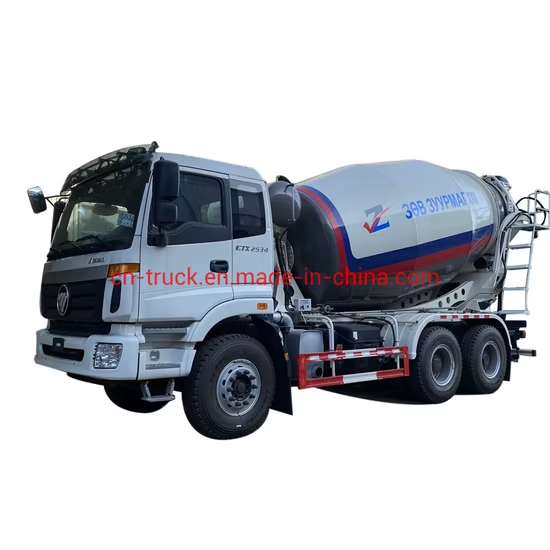
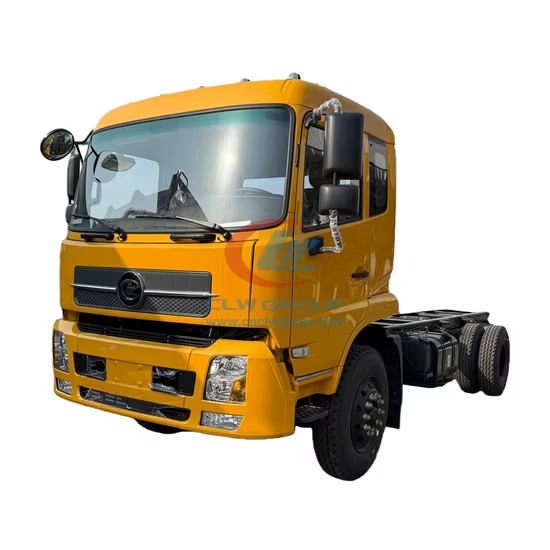
Browse tipper trucks, concrete mixers and truck chassis. Popular builds include the CLW 6x4 concrete mixer and the Chengli RHD 4x2 cab chassis. Read how to buy and send your enquiry through the contact page.