Before you ask for a quotation for a small factory fire truck, measure the site. Record the gate, the narrowest internal road, the tightest corner, every overhead limit on the route and the garage bay. Send these with labelled photos and the role your fire safety adviser has set for the truck. CLW can then match a compact build to the site.
Why access comes first
A factory fire truck is only useful if it can reach the risk fast. Gates, pipe racks, canopies and tight turns can stop a truck that fits a public road. Compact fire trucks on this site differ in length, width and height. The table shows the sizes from their pages.
| Truck | Length x width x height | Wheelbase | Tanks |
|---|---|---|---|
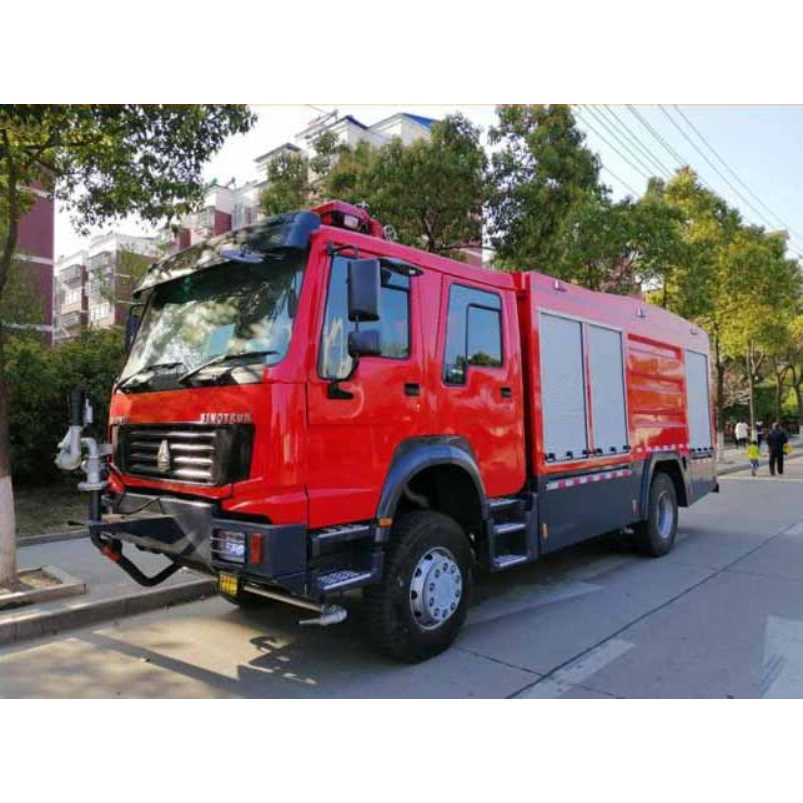
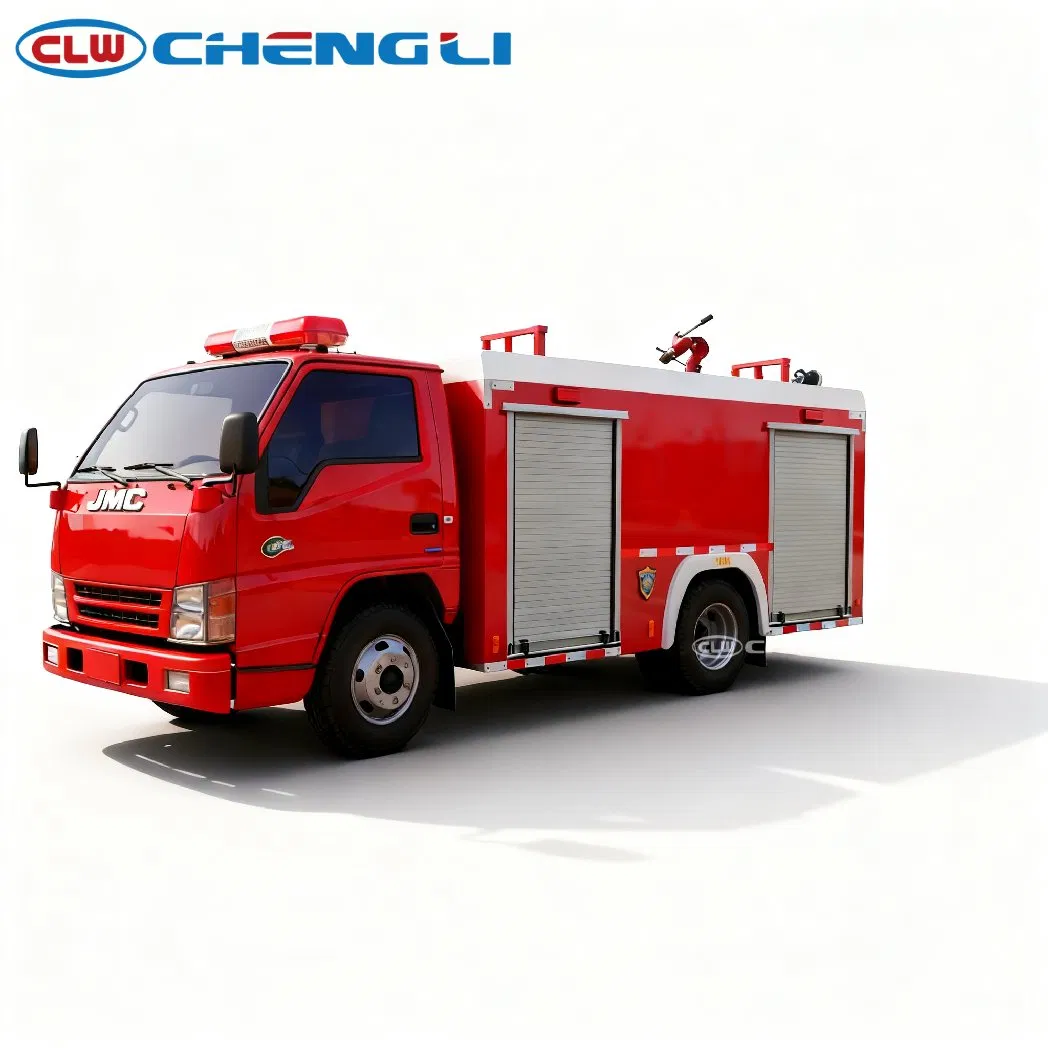
| JMC 4x2 compact | 6,040 x 1,940 x 2,550 mm | 3,360 mm | 2,000 L water |
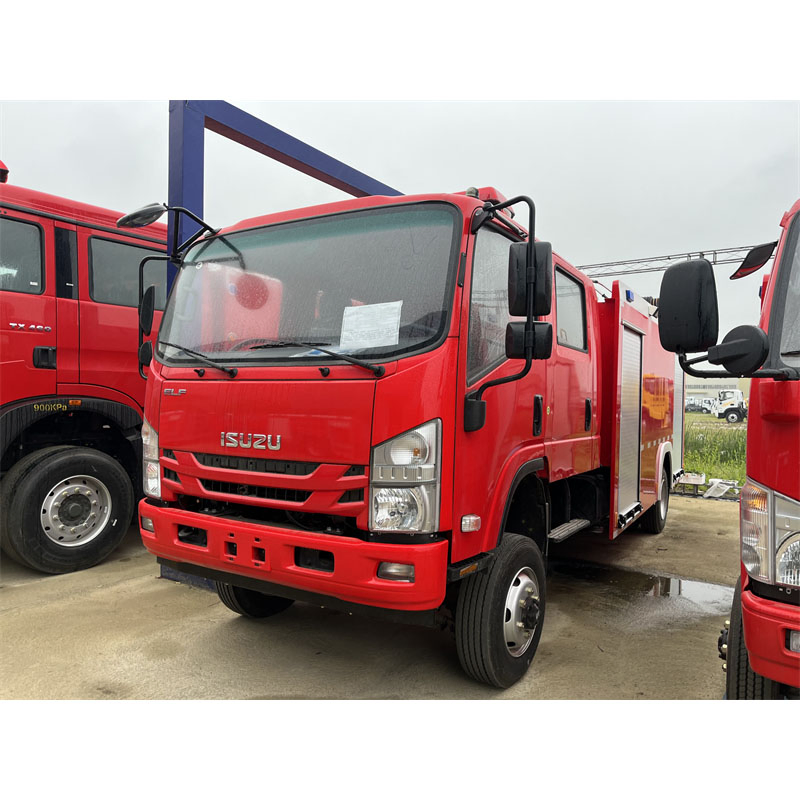
| Isuzu ELF 4x2 | About 6,100 x 1,960 x 2,660 mm | 3,360 or 3,815 mm | About 3,500 L water and foam |
| Dongfeng 4x2, Yuchai 120 hp | 6,900 x 2,200 x 3,000 mm | Not stated | 3,000 L water, 1,000 L foam |
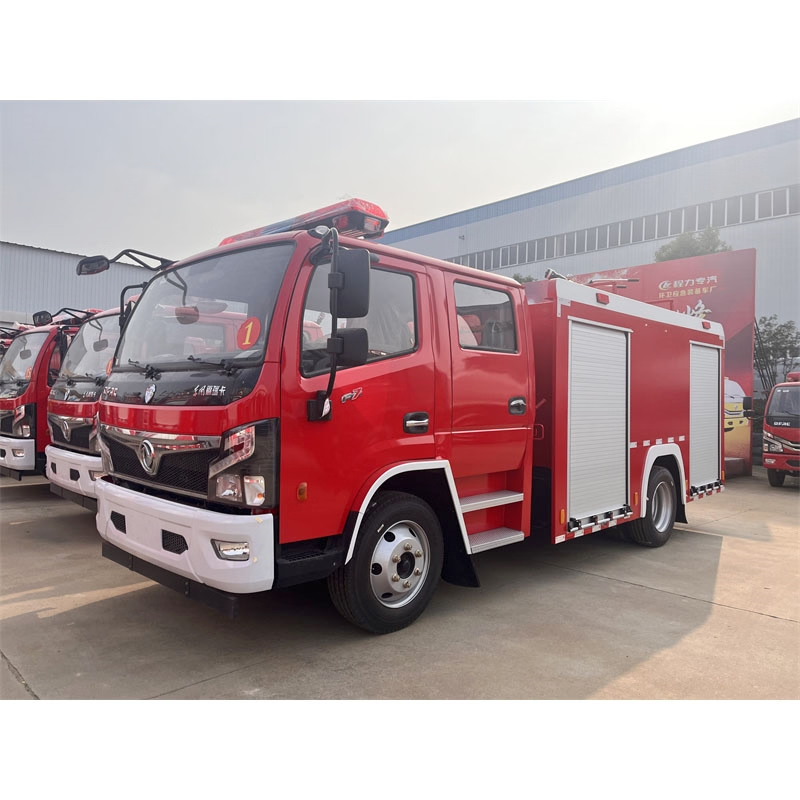
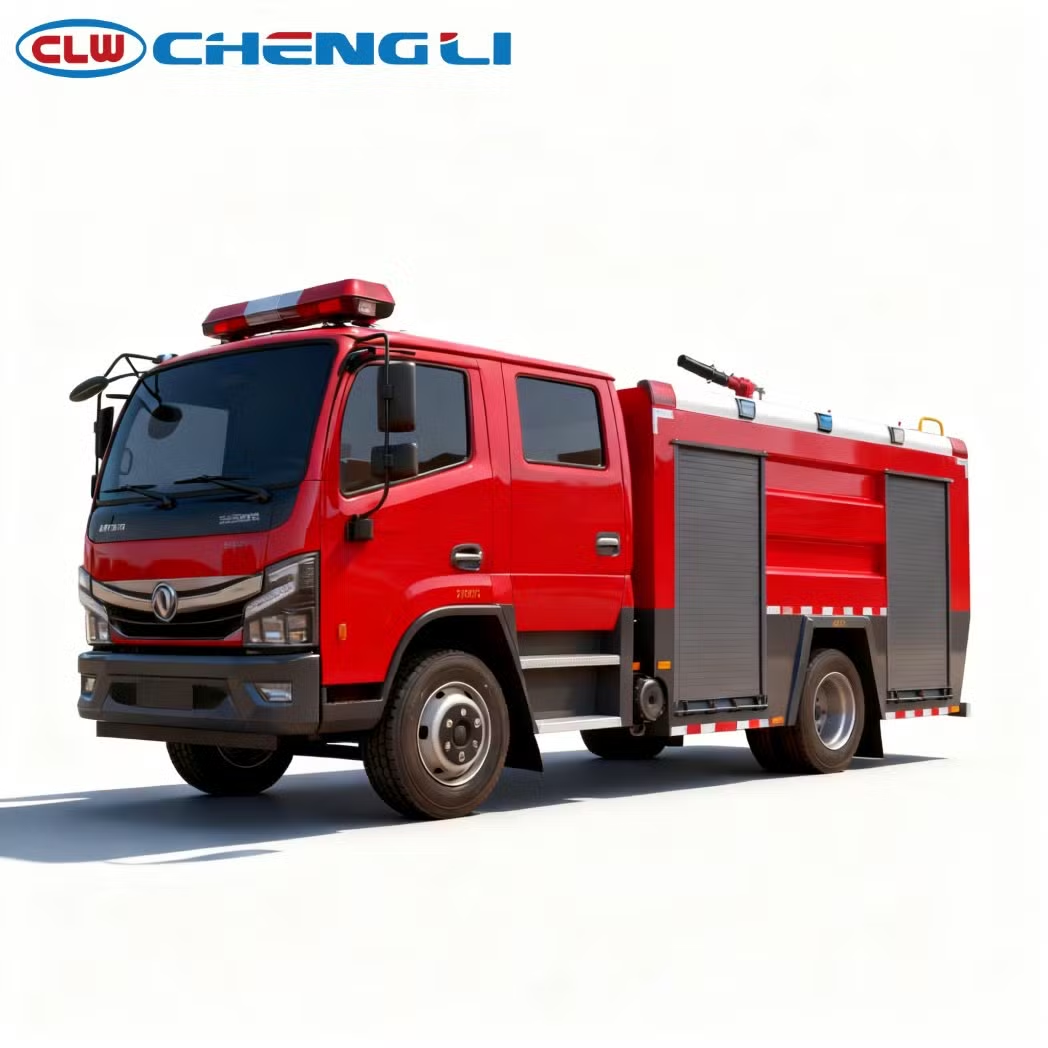
| Dongfeng Freetruck 4x2 | 6,960 x 2,200 x 2,810 mm | 3,800 mm | 3,200 L water, 1,600 L foam |
| Sinotruk HOWO 4x4 | 8,470 x 2,500 x 3,640 mm | 4,600 mm | 3,000 L water, 1,000 L foam, 500 L powder |
Height runs from 2,550 mm to 3,640 mm across these trucks. That gap matters under a low canopy or a pipe bridge. Wheelbase affects how tightly the truck turns, so a short wheelbase helps in crowded yards.
Walk the route from gate to risk
Start at the factory gate and follow the route to each area the truck must serve. Measure the clear width at gates, between buildings and past fixed plant. Note every tight corner and the space around it. Record slopes, drains, loose ground and speed bumps. Mark the date on any site plan, because new buildings and machines change the route.
Also record what blocks the route during a normal shift. Parked trailers, forklifts and stacked goods often narrow a road that looks clear on paper. Do not measure only on a quiet day.
Overhead limits
List every overhead item on the route: pipe racks, conveyors, canopies, door heads, cables and signs. Give the clear height under each one. Then ask for the height of the completed fire truck, not the bare chassis. The roof monitor, light bar and ladder rack can add height. If the factory changes the body or fittings during the quotation, ask for new dimensions.
The garage bay
Measure the bay where the truck will stand, including the door width and height. Leave space to open cab doors and lockers on both sides. Check that the truck can leave the bay and turn onto the route without stopping to reverse.
The fire role is not set by the truck
Water suits ordinary fires in stores and offices. Foam suits fuel, oil and solvent fires. Dry powder suits gas and electrical fires. Which one your site needs is a decision for your fire safety adviser, not for the truck seller. A small truck also does not replace fixed fire protection, such as hydrants, sprinklers and alarms. This guide covers access details for a quotation. It is not a fire safety plan.
One pack for the enquiry
- Current site plan with the route marked
- Gate, road and corner widths
- Overhead clear heights along the route
- Garage bay size and door size
- Labelled photos linked to the plan
- The truck role and agents your fire adviser wants
Compact fire trucks to compare
Prices below are the listed reference price (FOB China, ex-factory list). The written quotation fixes the final price.
- JMC 4x2 Compact Fire Truck, 2,000 Litre Water Tank and Roof Monitor: 2,550 mm high for low canopies, US$20,000-22,000.
- Isuzu ELF 4x2 Fire Truck, 3,500 Litre Water and Foam Tank: narrow body with water and foam, US$34,500-35,500.
- Dongfeng 4x2 Fire Truck, 3,000 L Water and 1,000 L Foam, Yuchai 120 hp: six seats and a foam tank, US$28,000-30,000.
- Dongfeng Freetruck 4x2 Fire Truck, 3,200 L Water and 1,600 L Foam: larger foam share for fuel stores, US$25,000-35,000.
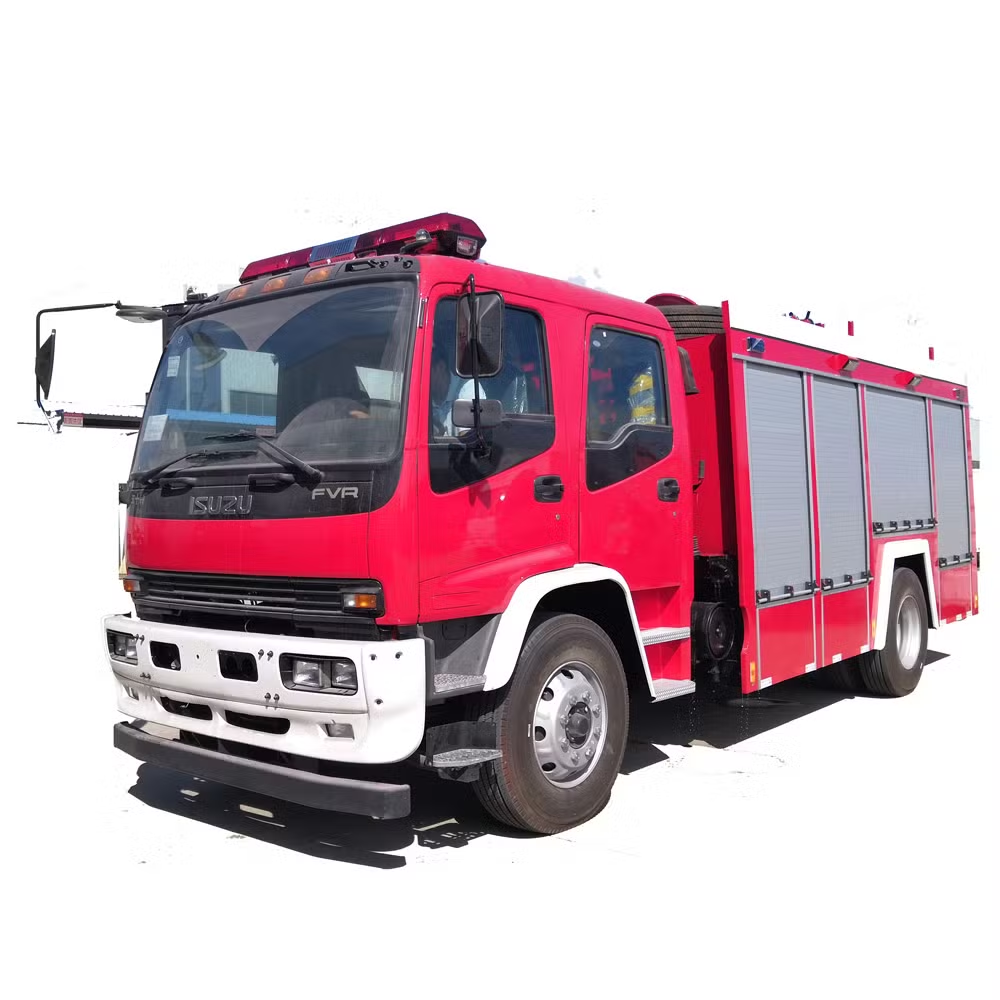
- Isuzu FTR 4x2 Fire Truck, 4,000 L Water and 2,000 L Foam, 205 hp: bigger sites with wide roads, US$35,000-45,000.
- Sinotruk HOWO 4x4 Off-Road Fire Truck, 3,000 L Water, Foam and Dry Powder: rough yards and three agents, US$38,600-86,500.
Browse all fire trucks, or see water bowsers for a water supply tanker. To compare water and foam tenders, read the fire truck buying guide. For each type and agent, see fire truck types explained. To send your site pack, use the contact page.