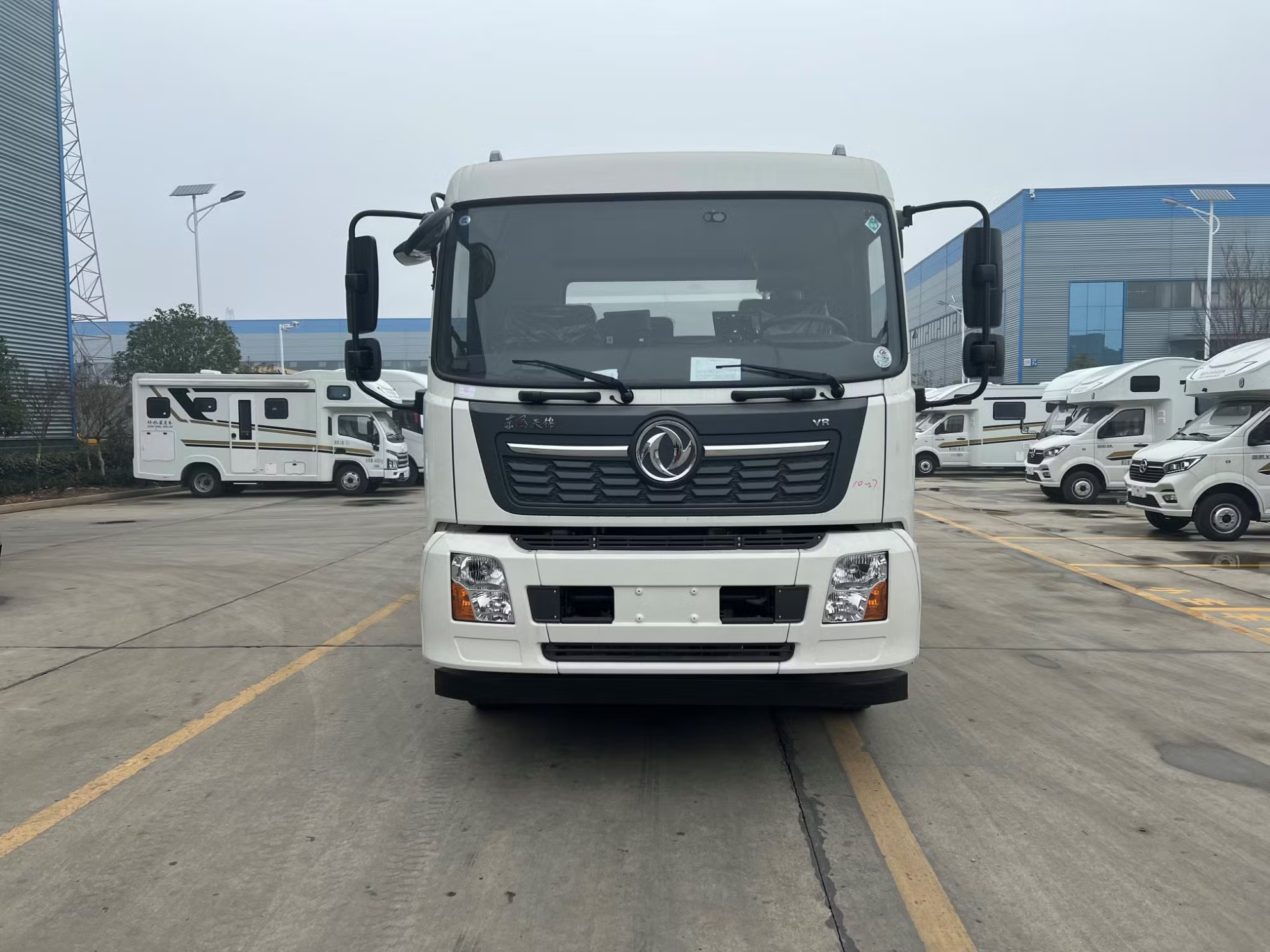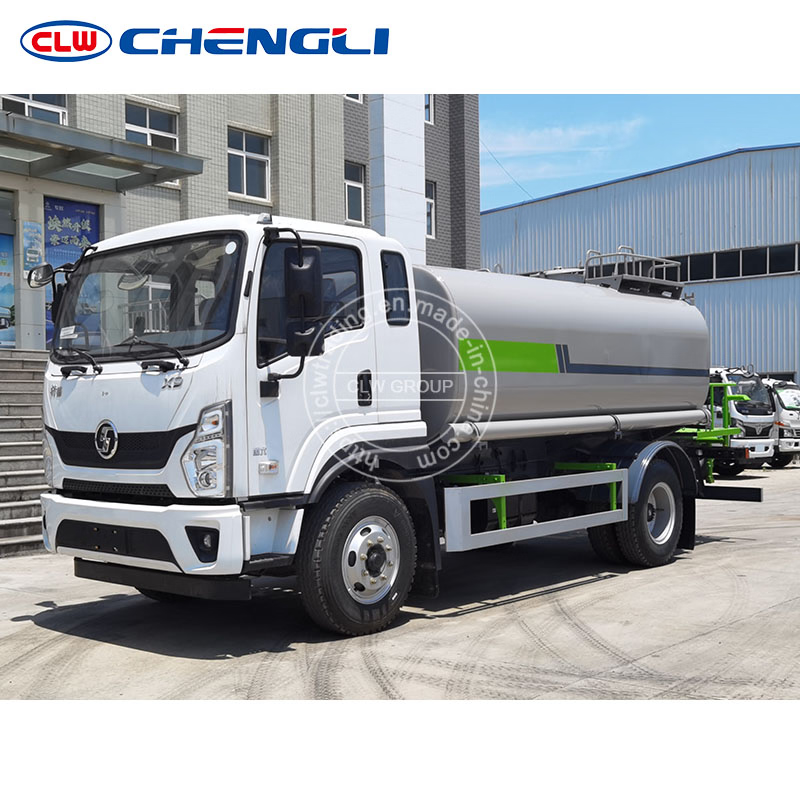
Decide first whether the job is road washing or dust suppression. Road washing moves dirt off a paved surface, so it needs strong, low front jets and a place for dirty water to go. Dust suppression keeps dust down on haul roads, sites and stockpiles, so it needs wide rear or side sprays, or a mist cannon. Many bowsers can do both.
The truck you order should follow from the result you want on the ground. If you ask for every function without a clear job, the quotation becomes hard to compare and the truck may still not suit the work.
What each job needs
| Job | Aim | Main outlet | Information to request |
|---|---|---|---|
| Paved road washing | Move dirt and sand off the surface | Front flush bar | Flush width and nozzle position |
| Haul road and site wetting | Keep traffic dust down along a route | Rear and side sprays | Spray width and pump flow |
| Trees, verges and walls | Water or wash a set spot | Water cannon | Cannon range and rotation |
| Stockpiles, quarries, demolition | Catch dust where it rises | Mist or fog cannon | Mist range and conditions stated |
| Litter and loose debris | Pick material up | Water alone does not do this | Consider a road sweeper |
Describe the road washing job
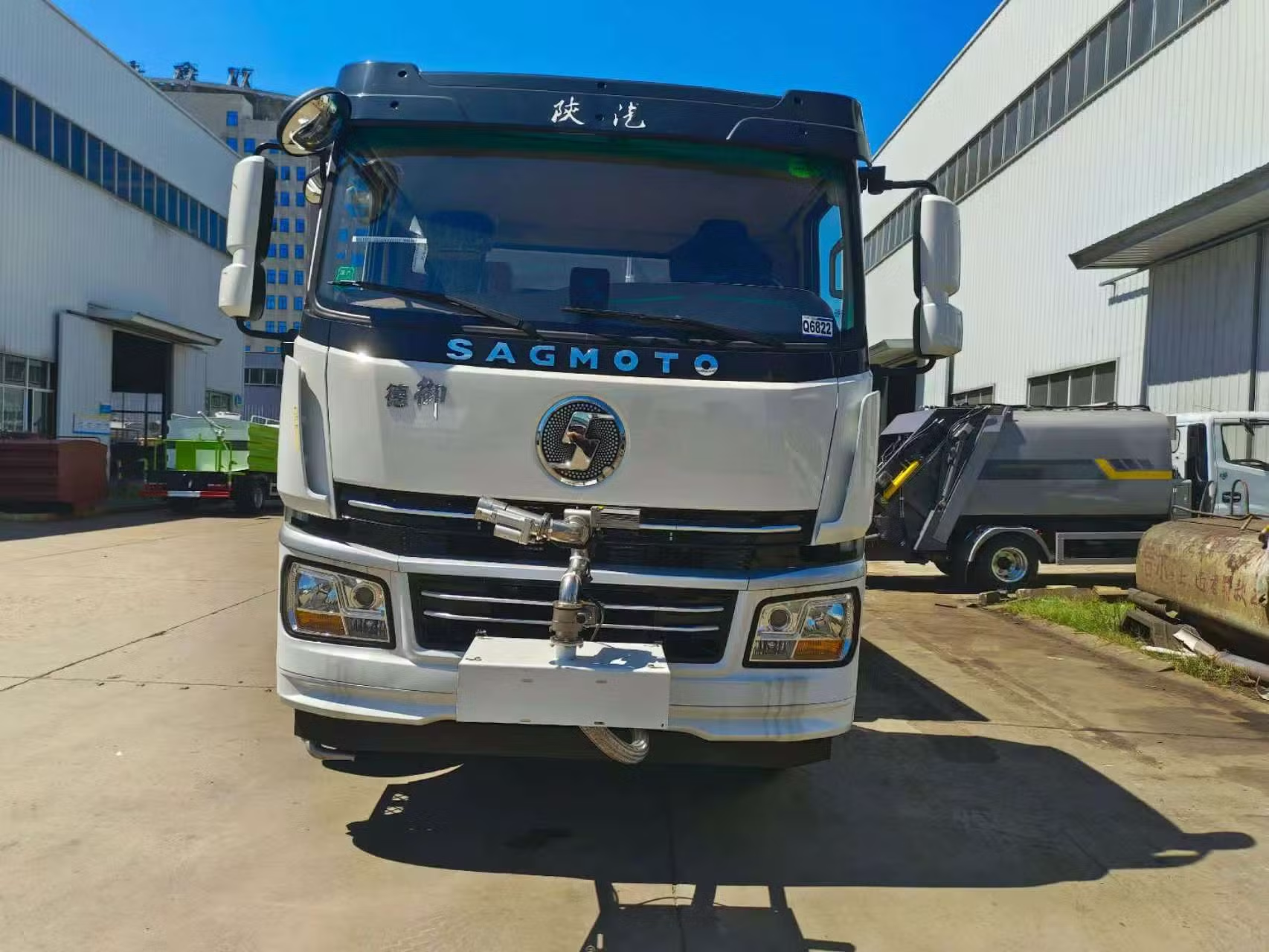
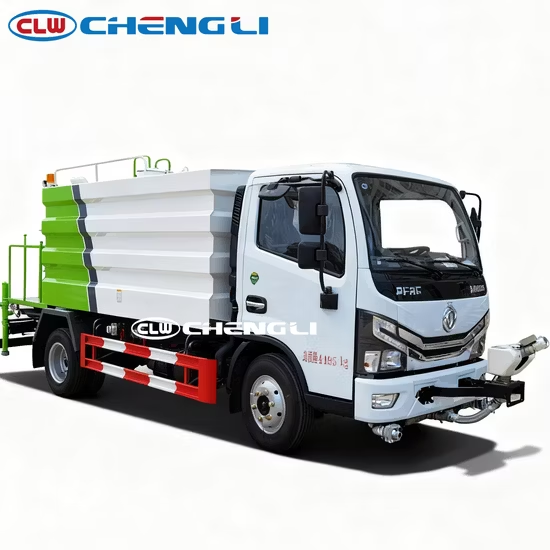
State the surface, the material to remove and where the water and dirt will go. Is it a wide paved lane, a kerbside strip or one spot such as a market entrance? Front flushing pushes dirt sideways toward the kerb and drains. Someone still has to collect it, or it will wash back after the next rain. Check that drains can take the water. For example, the 4x2 Water Bowser with Front Flushing and Rear Spraying suits small washing jobs.
Describe the dust problem
For dust control, separate a traffic surface from a material handling area. On haul roads, dust comes from wheels, so the truck sprays along the route. At a crusher or stockpile, dust comes from one place, so a mist cannon aimed at that spot may work better. Mark the dust source, where the truck can park or drive, and the usual wind direction. A stated mist range is a figure for set conditions. It is not a promise for every site and every wind.
When another truck fits better
If the road carries sand, litter or gravel, washing alone moves the problem. A road sweeper picks the material up first, and some sweepers also wash. The road sweeper buying guide explains the choice between sweep and wash. If dust comes from one stockpile all day, a dedicated mist truck can be more useful than a general bowser.
Tank, water source and runoff
Choose the tank as part of the whole set-up, not as the only figure. Note the water source, how the truck will fill and whether the water carries silt. For washing, include how runoff and debris will be handled. For dust work, include the areas to wet and the space the truck can use.
Silty river water can block fine mist nozzles faster than spray bar nozzles, so say where the water comes from. If the job needs both washing and dust control, ask for a truck that has both a front flush bar and rear sprays, and state how often each will be used. A short list of outlets in order of use makes quotations easy to compare. The guide to water bowser pump and spray options shows how these items appear on an equipment sheet.
Trucks matched to each job
- Dongfeng 4x2 Water Bowser, 12,000 Litre Tank with Front and Rear Spray: front flushing for washing, rear spraying for dust.
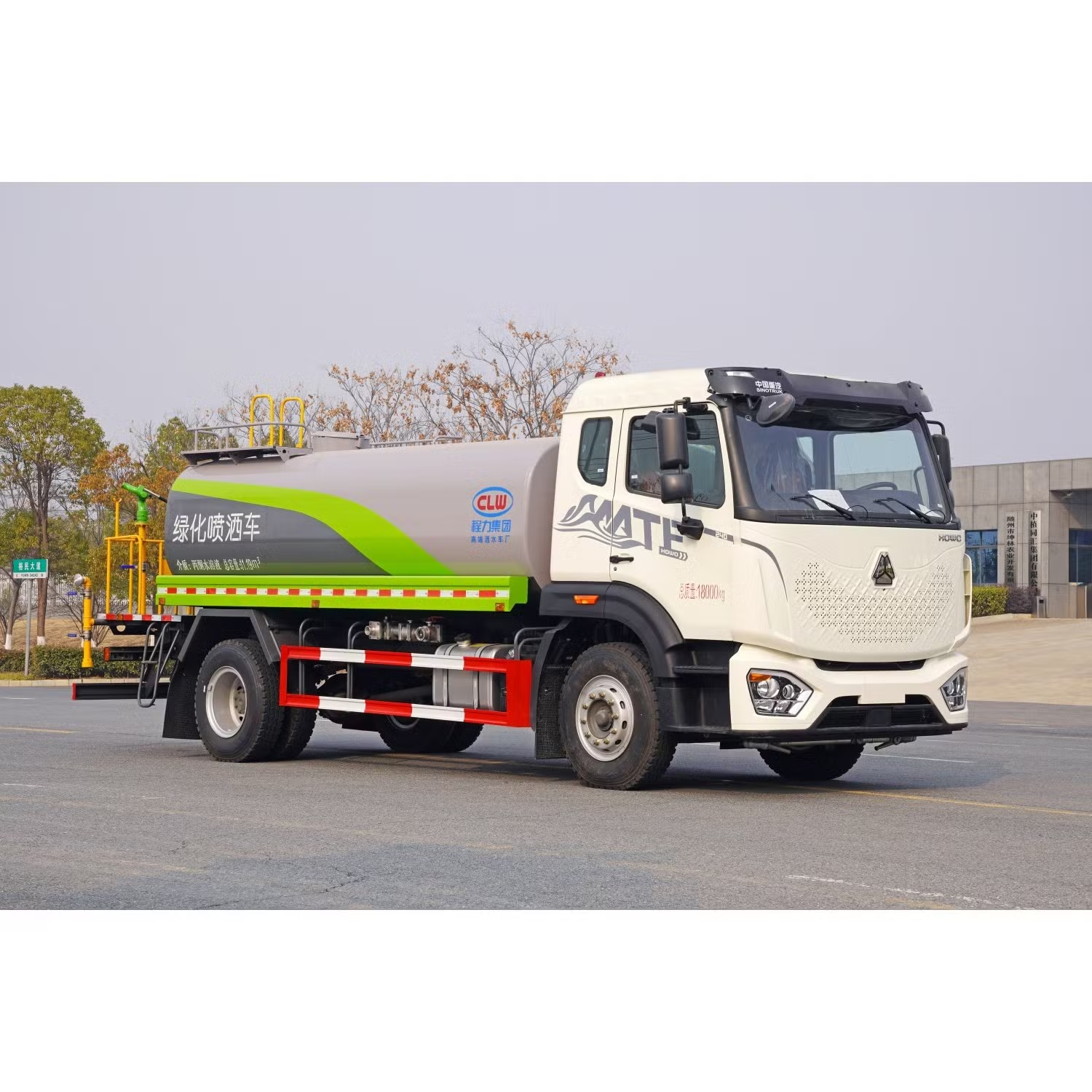
- Sinotruk HOWO 4x2 Water Bowser for Dust Suppression and Greening: front, rear and side outlets for town roads and verges.
- Shacman 6x4 Water Bowser, 25 Tonne GVW, Front Flush and Rear Spray: haul roads, with a cannon that has jet and mist modes.
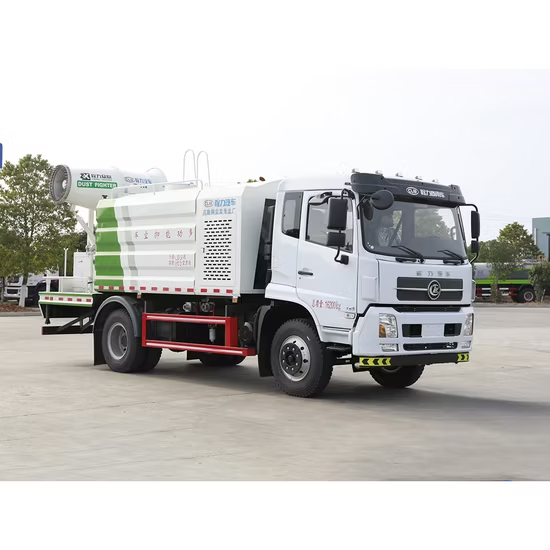
- CLW 4x2 Dust Suppression Mist Truck, 10 m3 Tank: mist cannon for stockpiles and quarries.
- Dongfeng D6 4x2 Dust Suppression Truck, 11,500 Litre Tank, Fog Cannon: fog cannon work on building sites.
- Dongfeng 4x2 Road Sweeper and Washer, 18 Ton, 7 m3 Dustbin: sweeps and washes city roads in one pass.
See all water bowsers. Then send CLW the target result, the location, the area to cover and the water source in one short brief. The factory can match the tank, outlets and spray equipment to the job. Start on the contact page.