There is no fixed number. Count the containers that must stay at customer sites, add the empty ones needed for the busiest exchange period, and allow for containers out for washing or repair. Then check that one truck can drive all the trips. Extra containers cut waiting at the customer site. They do not add driving hours to the truck.
Start with what you promise each customer
Sort your customers into three service types. A permanent placement keeps a container on site between visits. An exchange swaps a full container for an empty one in one visit. A collect-and-return service takes the container away and brings it back after tipping, so the site has none for a while.
Ask each customer if that gap is acceptable. A busy building site in Lagos or a market in Accra may need an instant swap. A factory yard may accept a planned gap. Do not price both on the same number of spare containers. Also note which containers must be washed before reuse, and which are kept for one waste type or one customer.
Count containers by availability
| Group | What to count | Planning question |
|---|---|---|
| At customer sites | Every container that must stay at a site | Can the site work while its container is away? |
| Exchange stock | Empty containers needed before returned ones are free | How many swaps overlap in the schedule? |
| Out of use | Units waiting for repair, washing or a restricted job | How long are they normally out? |
| Reserve | Extra units for a named problem or a peak | Which missed swap or delay does this cover? |
These groups help planning. They do not mean one spare per customer. An empty that comes back from the first trip can serve a later swap. What matters is when a container is free, not only whether it exists.
A worked example with three sites
Take three customers, each with one container on site. All three ask for an exchange today. For this example only, assume each collect, tip and return cycle takes two hours. The truck starts with one empty container, and every returned container can go straight to the next customer.
| Time | Truck task | Where the containers are |
|---|---|---|
| 08:00-10:00 | Swap at Site A, tip the load, return | The spare now sits at A; the emptied A container is the next spare |
| 10:00-12:00 | Swap at Site B with that empty | The emptied B container is free for the next trip |
| 13:00-15:00 | Swap at Site C | Three containers at customers, one empty back at the depot |
Under these assumptions, four containers cover the work: three on site and one moving spare. This is an example, not a CLW result or a fixed four-to-one rule. It has no reserve. It only works if all containers fit the same truck and the timing is real. Traffic in Nairobi or Dar es Salaam can change a cycle a lot, so time your own route.
See what changes when the assumptions change
If Site B needs a different container type, the empty from Site A cannot go there. If the first container must be washed, it is not ready for the second swap. Both cases raise the container count without adding customers.
A queue at the dumpsite is a different problem. An extra empty at the depot does not help a truck still waiting to tip. Check truck hours apart from container stock. Two customers who want service at the same time may need a new schedule or a second truck, not more containers. Once you have real fill rates, plan for the average week and the busiest likely week.
Match every container to the truck
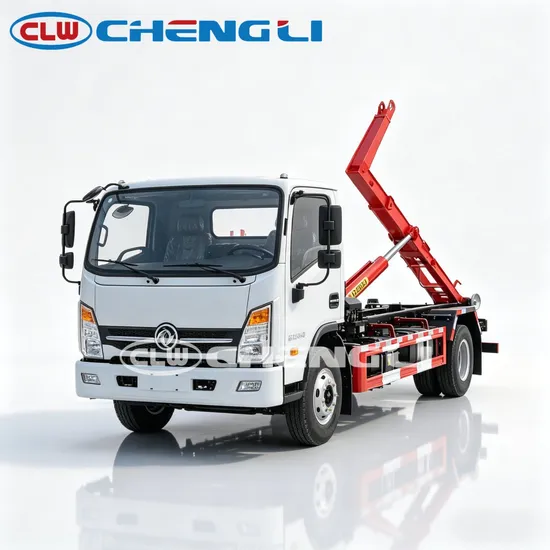
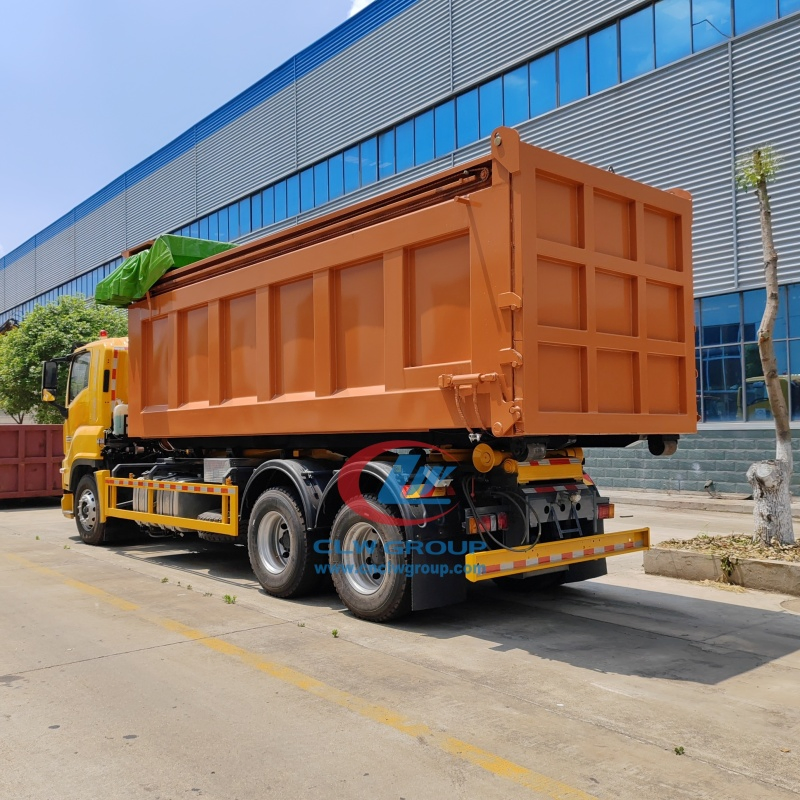
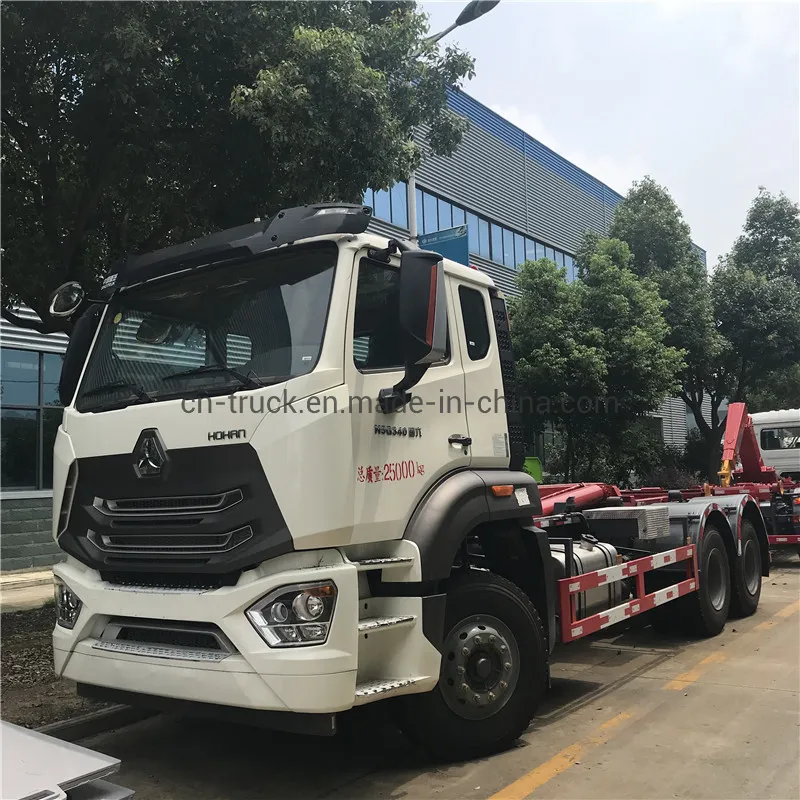
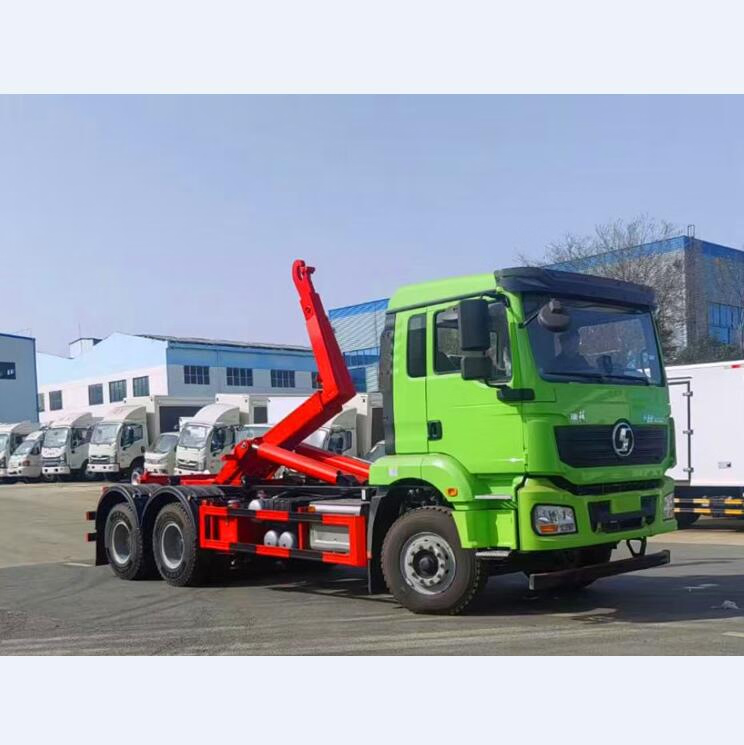
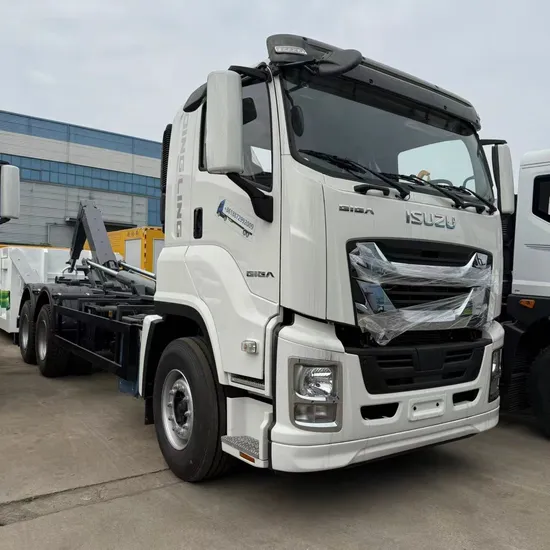
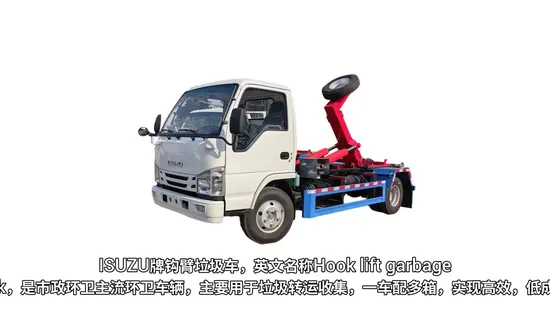
Hook lift trucks come in very different sizes. The Isuzu 4x2 hook lift handles 5 to 7 m3 bins. The Dongfeng 4x2 hook lift is built around a square container of about 12 m3. The Sinotruk HOWO 6x4 takes 18-24 m3 containers, and the Dongfeng DV5 8x4 is offered for 6-30 m3 bins. A container that fits one of these may not fit another. Keep the hook bar height, rail spacing, length and empty weight on each container record. The guide will your containers fit a hook lift truck sets out the checks. Volume does not set the allowed waste weight, so check the truck payload too.
Turn the schedule into a quote request
Send CLW the number of placements, how often each container fills, your exchange promise, travel and tipping times, container drawings and waste types. Ask for the truck and the containers as separate quote lines, with any reserve shown on its own. Start with a route plan you can explain, then update it from real collection records. If you are still choosing the system, the refuse compactor buying guide compares compactors with hook lifts.
Hook lift trucks to compare
The price shown is the listed reference price (FOB China, ex-factory list), and the written quotation fixes the final price.
- Isuzu 4x2 Hook Lift Refuse Truck, 5 to 7 m3 Bins: small bins at shops, clinics and narrow streets, US$20,000.
- Dongfeng 4x2 Hook Lift Garbage Truck: containers of about 12 m3 on town routes, from US$12,000.
- Isuzu 6x4 Hook Lift Truck for Waste Bins, 25,000 kg GVW: 18-25 t hook loader for heavier containers, from US$25,000.
- Sinotruk HOWO 6x4 Hook Lift Refuse Truck, 18-24 m3 Containers: large containers at markets and building sites, from US$23,500.
- Shacman L3000 6x4 Hook Lift Garbage Truck, 25 or 28 m3: bulky, light waste, from US$49,000.
- Isuzu 6x4 Hook Lift Roll-Off Refuse Truck, 25 t Hook: containers made to order, from US$75,000.
- Dongfeng DV5 8x4 Hook Lift Truck, 6-30 m3 Bins: mixed container sizes in one fleet, from US$77,800.
See all refuse trucks. For loose rubble that needs no container, compare tipper trucks. When your route plan is ready, read how to buy.