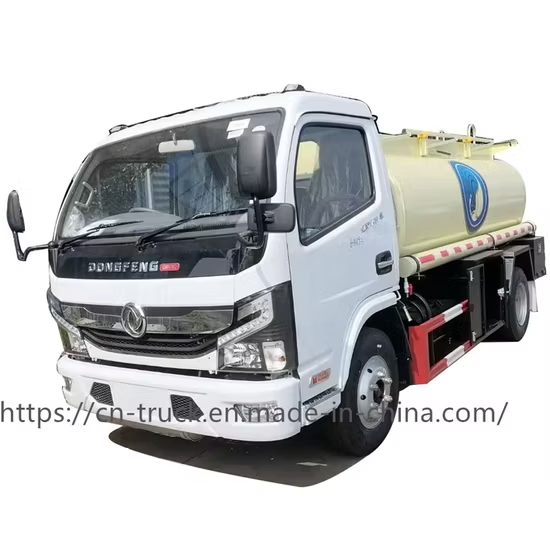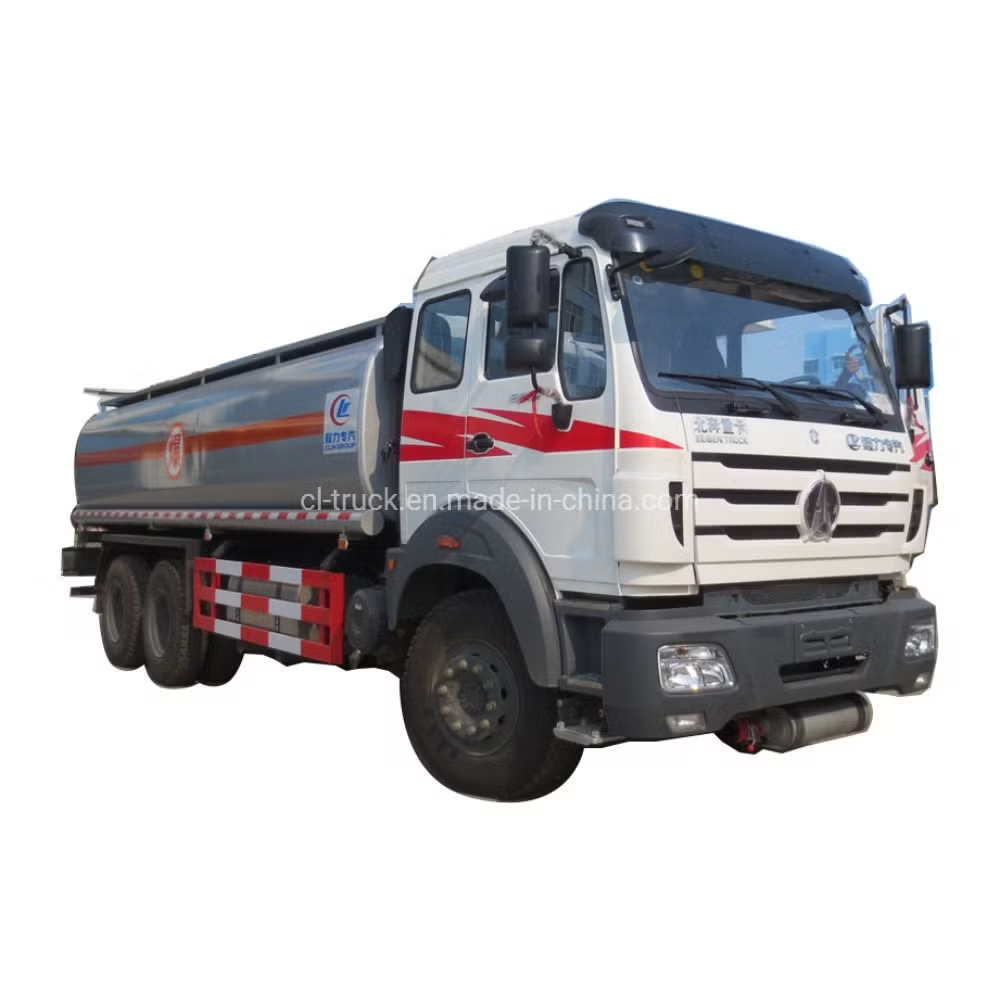
First decide where the fuel goes on a remote site: into a central storage tank, straight into machines, or both. Then describe the machines, storage points, litres per trip and the access road. A 6x4 tanker of 20,000 litres suits filling a site tank from town. A 4x4 bowser with pump, meter and hose reel suits refuelling machines where they work.
Map where the fuel is received
Think of a mine near Kitwe, a quarry outside Nairobi or a road project far from the nearest depot. List each machine group and each storage tank, and mark them on a simple site map. For every point, note the connection type, the litres per delivery and where the truck can park. State whether the truck stays at a central point or drives from machine to machine.
Tank size describes what reaches the site. Hose reach, pump and meter describe how the fuel leaves the truck. A bigger tank does not add a hose reel or a dispenser. Treat transport and dispensing as two separate parts of the order.
Transport tanker or field refueller
| Site job | Truck type | Examples on this site |
|---|---|---|
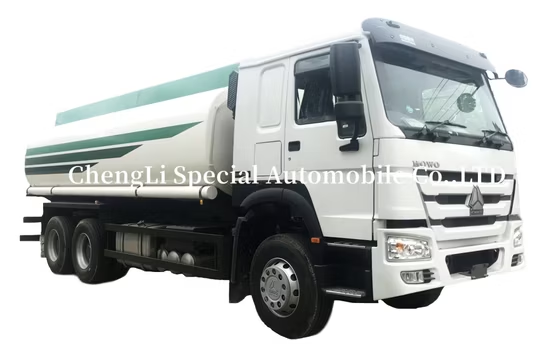
| Keep a site storage tank full from a town depot | 6x4 tanker of 20,000 litres or more | Beiben 6x4 with 20,000 litre tank and 60 m3/h pump; FAW 6x4 with 24,000 litres |
| Refuel machines across a large, graded site | 6x4 or 4x2 refueller with flow meter and hose reel | HOWO 6x4 refueller, 20 m3, Naide meter and 15 m reel |
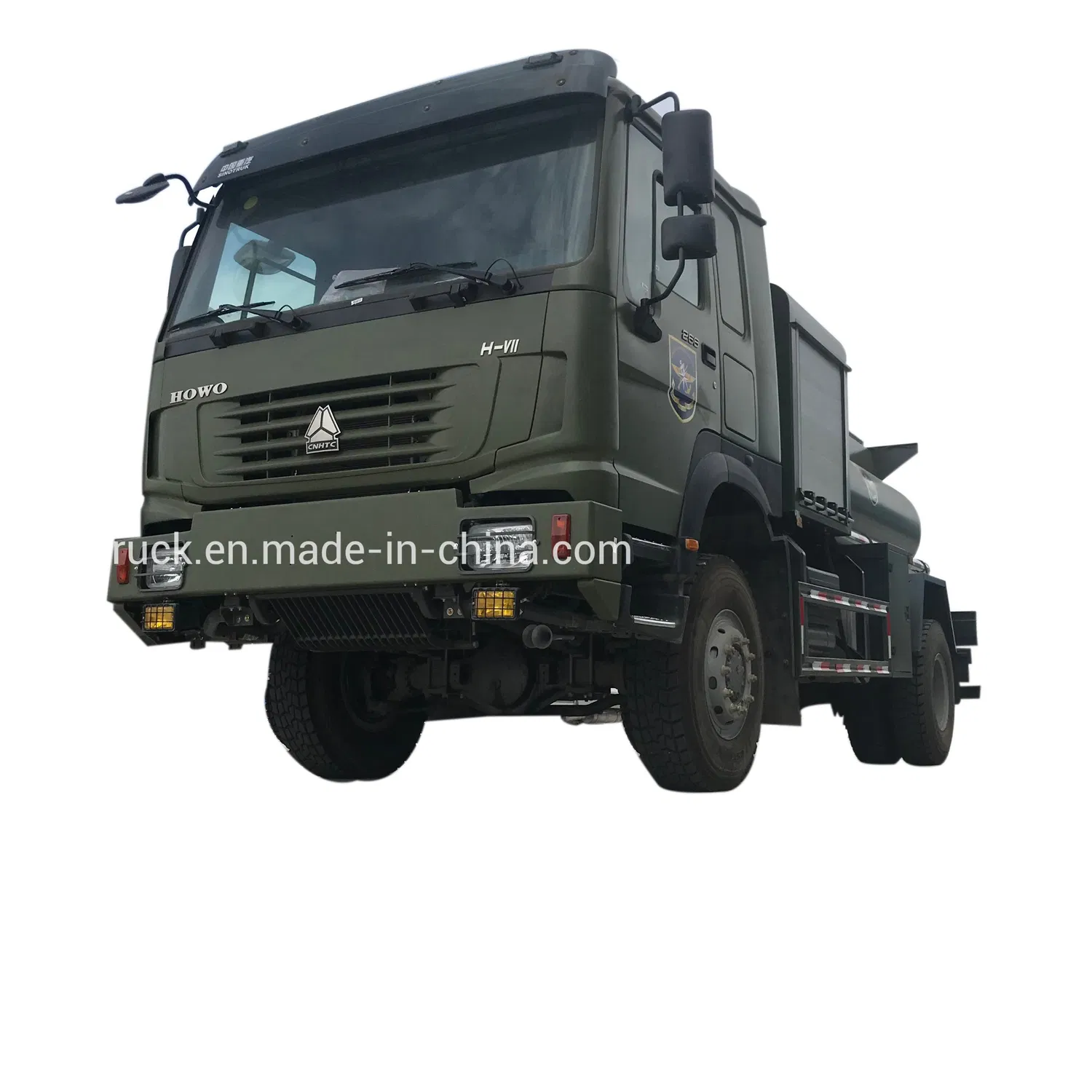
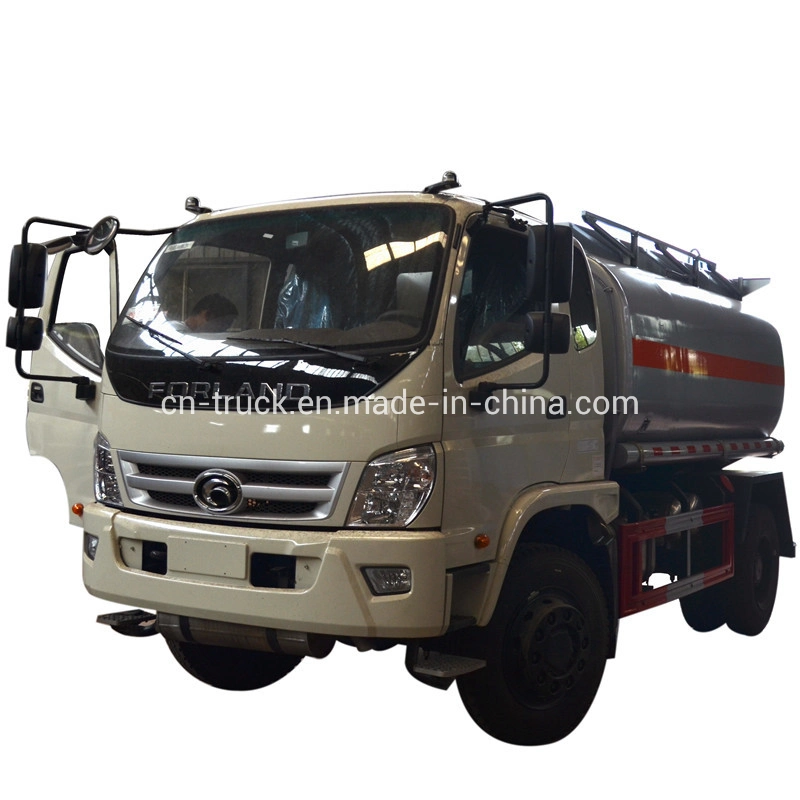
| Refuel machines on soft or steep tracks | 4x4 bowser | HOWO 4x4 with 5,000 to 10,000 litre tank and PTO pump; Foton 4x4 light bowser with dispenser |
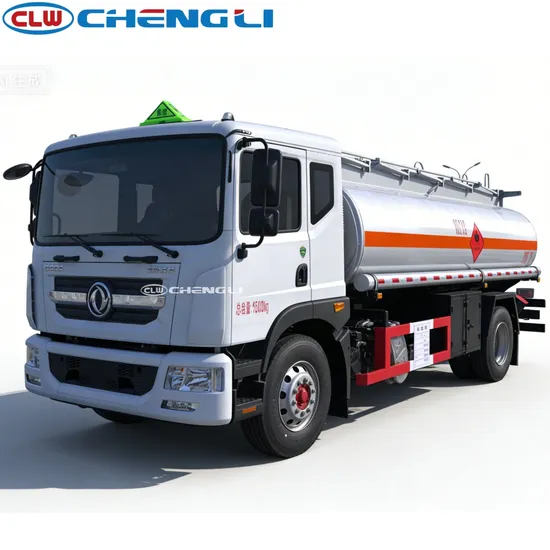
| Top up generators and small plant | Light 4x2 bowser with dispenser | Dongfeng 4x2 bowser, 3,000 to 5,000 litres |
Many sites use two trucks: a large tanker for the depot run and a small bowser inside the site. Others use one 6x4 refueller for both jobs. Your consumption records decide which plan fits.
Specify transfer and dispensing separately
A pump rating on a spec sheet is not a delivery time. The Beiben page lists an 80YHCB-60 pump rated at 60 m3 per hour and 0.6 MPa, one flow meter and two hose reels. A dispenser with a 15 m hose is an option on that truck. The HOWO 4x4 page lists a PTO pump of 30 m3 per hour. Real flow also depends on hose length, hose size and the receiving tank.
Ask for a function list instead of a general promise. Name the pump, meter, reel, nozzle, filter and dispenser, and mark each one as fitted or optional. Say whether each machine needs a printed ticket. Describe the receiving connection on your storage tank and on the main machine types. For safe transfer, follow the dangerous goods rules of your country and the tank maker instructions.
Describe the road and the schedule
Give the route length from the depot, the road surface and the steepest climbs. Add gate width and turning space at the site. Note whether tracks turn to mud in the rains. Name the depot where the truck refills and the planned delivery windows. Show how demand changes between shifts or project phases, using your own records.
Rough tracks favour all-wheel drive. The HOWO 4x4 tanker runs a WD615 engine of 260 hp on a 4,600 mm wheelbase. The Beiben 6x4 page notes that its drive suits gravel roads and steep site ramps. Ask CLW to check the axle loads against your planned routes before you order.
Remote site checklist
- Fuel type and litres per trip.
- Receiving points and litres at each one.
- Central storage, machine refuelling, or both.
- Compartments, hose reach and metered records needed.
- Route, gates, parking positions and delivery windows.
- Drive side and the emission level that suits your local diesel.
Matching trucks on this site
The price shown is the listed reference price (FOB China, ex-factory list), and the written quotation fixes the final price.
- Beiben 6x4 Fuel Tanker, 20,000 Litre Tank, Weichai 340 hp: depot run to a site storage tank, from US$38,000.
- HOWO 6x4 Fuel Refueller Truck 20 m3 with Flow Meter: metered refuelling across a large site, US$41,500.
- HOWO 4x4 Off-Road Fuel Tanker up to 10,000 Litre: soft pit floors and steep haul roads, price on request.
- Foton 4x4 Light Fuel Bowser with Dispenser and Flow Meter: small machines on rough tracks, price on request.
- Dongfeng Dolica D9 4x2 Fuel Bowser, 12,750 Litre Tank: graded sites with good roads, from US$29,500.
- Dongfeng 4x2 Fuel Bowser with Dispenser, 3 to 5 m3 Tank: generators and light plant, from US$14,000.
- FAW 6x4 Fuel Tanker 24 m3 with Six Compartments: diesel plus other products on one run, from US$44,900.
Compare more trucks under fuel tankers. Sites that also need dust control can look at water bowsers. For tank sizes and bowser types, read the diesel bowser guide. For pumps, meters and gravity drops, see how a fuel tanker unloads. When your site brief is ready, send it through the contact page or read how to buy.