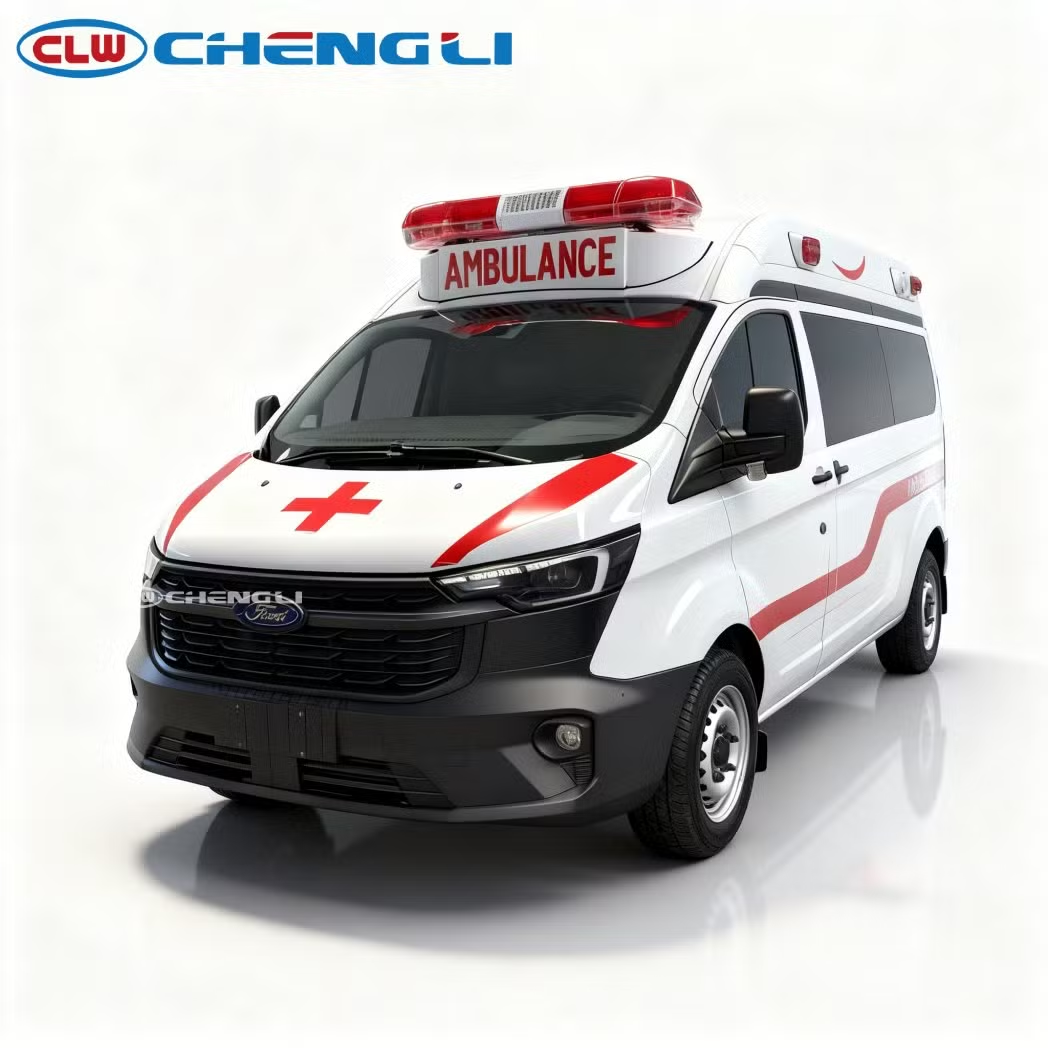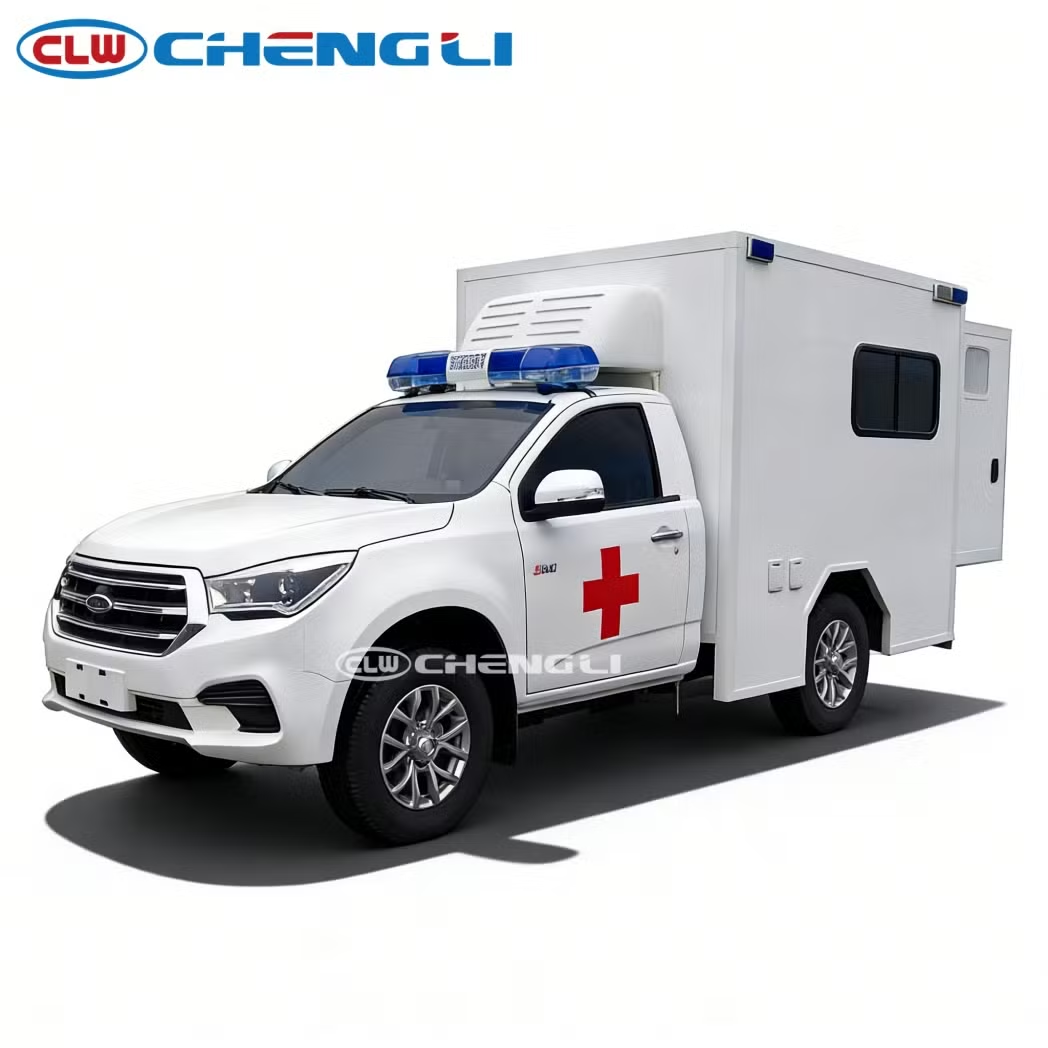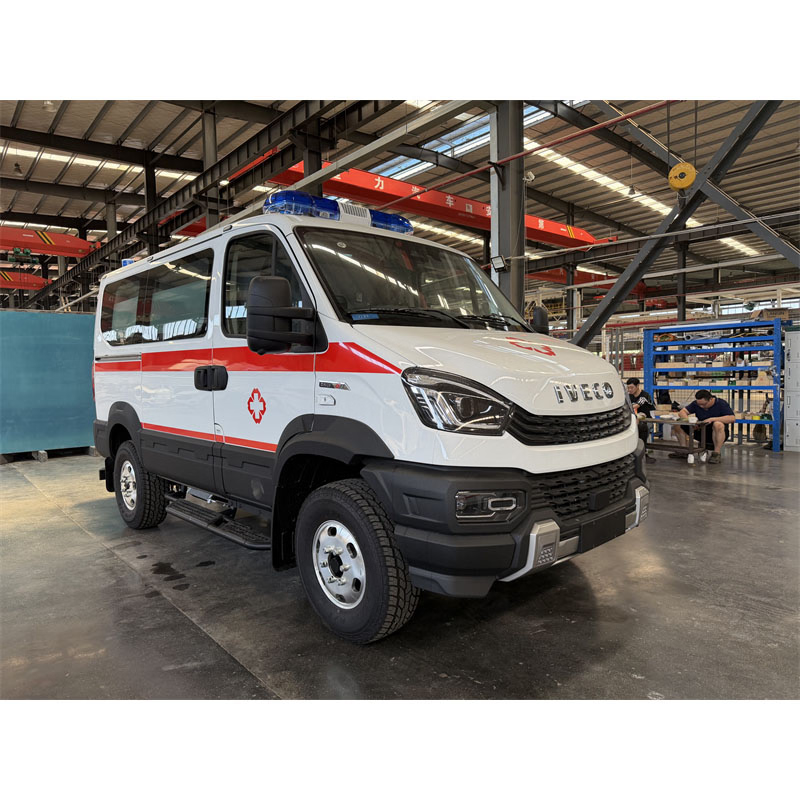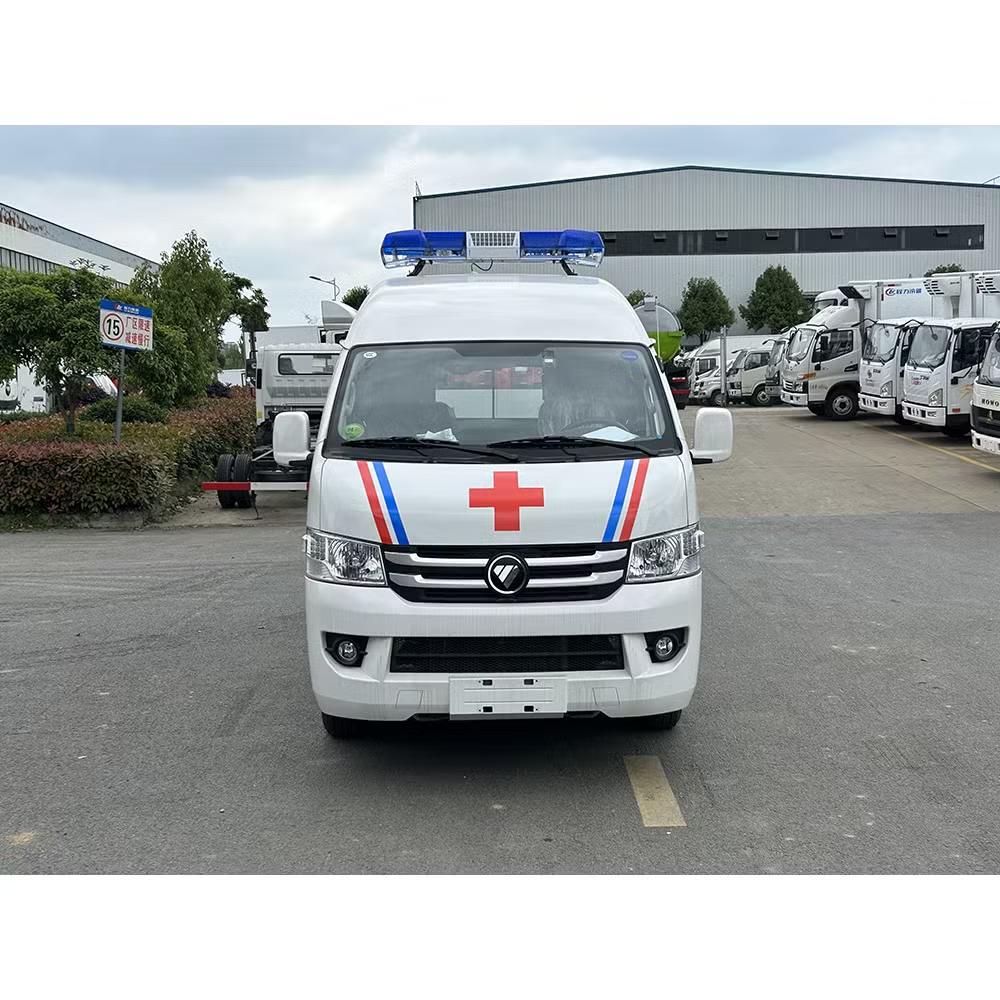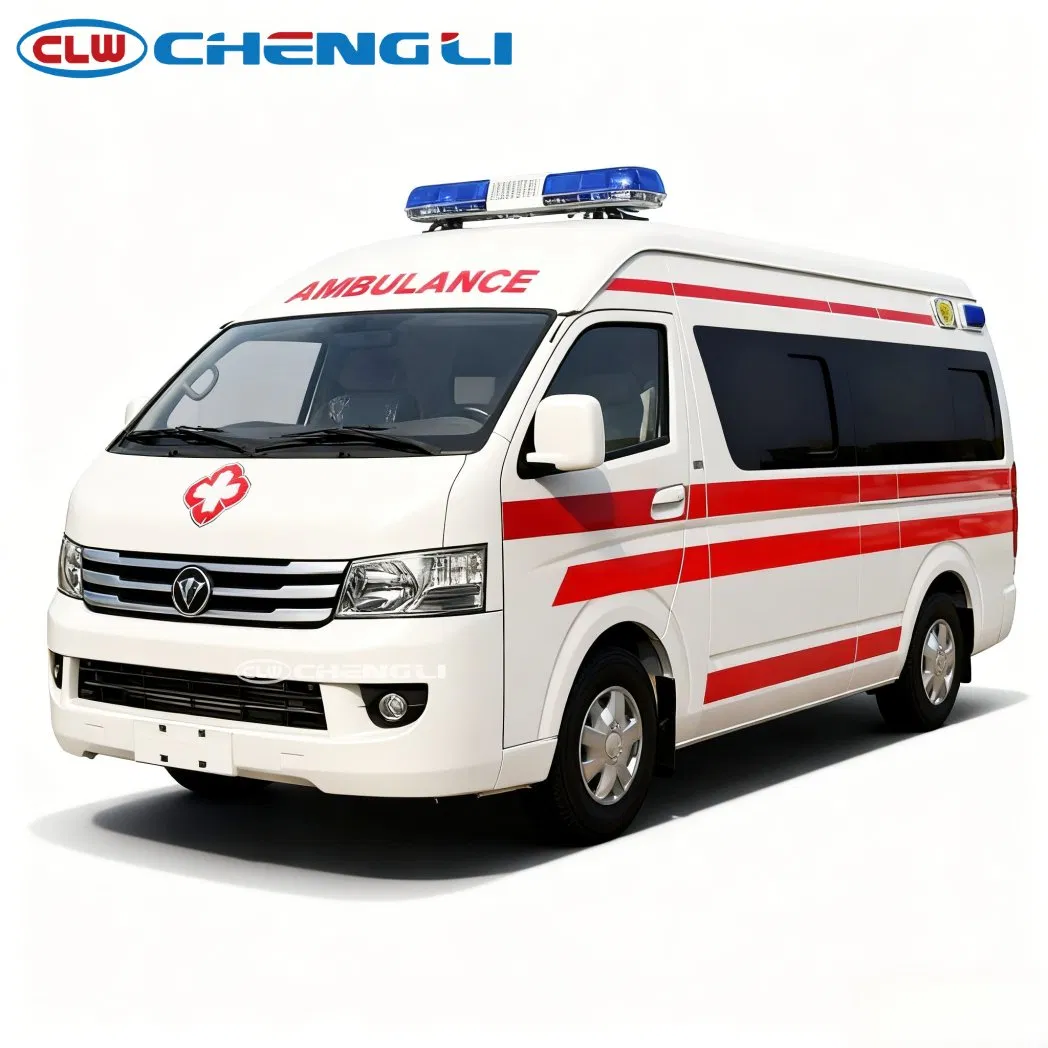
Start with the medical cabin size, the exact stretcher and the crew seats, then place every cabinet and device on a dimensioned drawing. The outside size of the van does not tell you the space left once the stretcher, seats, oxygen and cabinets are fitted. Ask CLW for the layout drawing of the exact build you are quoted, and let your clinical lead review it.
Compare medical cabin sizes, not van sizes
Several ambulance pages on this site give the inside size of the medical cabin. Compare these figures rather than overall vehicle length. The table uses figures from the linked pages.
| Ambulance | Medical cabin, L x W x H (mm) | Stretcher on the page | People carried |
|---|---|---|---|
| Foton View G9, long wheelbase | 3350 x 1760 x 1580 | Aluminium automatic loading stretcher | Not stated |
| Naveco Iveco Juxing, long wheelbase | 2710 x 1730 x 1710 | Automatic loading stretcher | 7, including the patient |
| JMC Ford Transit V362 diesel | 2600 x 1700 x 1720 | Aluminium automatic loading stretcher | 7 to 8, including the patient |
| Isuzu 4x4 on pickup chassis | Aluminium box, size not stated | Automatic loading stretcher | 7 in total |
| Iveco Daily 4x4 | Not stated | Electric loading stretcher | Not stated |
Where a page gives no cabin size, ask for it. Do not work it out by taking a guessed wall thickness off the overall size. Note the trade-offs too. The G9 cabin is the longest here but has the least headroom, so check it with the staff who will work inside.
Name the stretcher exactly
Two stretchers that look alike can use different floor locks and loading rails. If your hospital already uses a stretcher model, give its make, model and size. If not, ask which stretcher comes with the build and ask for its data sheet. Ask for the details of the lock or retention system as well. Keep the stretcher model on both the drawing and the quotation, so any change is visible.
Show the occupied layout
Ask for a plan view and a side view that show the stretcher, the attendant seat, any crew bench, the cabinets and the oxygen cylinders. Several pages list two 10 litre oxygen cylinders. Add the positions of suction units, monitors and other devices your team carries. Mark which dimensions are clear inside space and which are body structure.
Door openings matter for loading. The Isuzu 4x4 cabin has double rear doors that open to 180 degrees, plus a side door. Ask how wide each opening is and whether a cabinet or seat sits in the loading path.
Keep clinical choices with your clinicians
Your clinical lead decides which care must be possible during transport and which devices go on board. CLW provides the drawings and technical data so they can judge the layout. This guide does not set treatment positions or procedures. For typical kit, see what equipment is inside an ambulance.
The road matters as well. A referral hospital in Nairobi or Lagos on paved roads may choose a long-wheelbase van for cabin length. A county health team or NGO serving rural roads in Uganda may accept a shorter cabin to get a 4x4 base. The van or 4x4 ambulance guide covers that choice.
Check mounts and power for each device
Each device needs a mount and often a power supply. The Isuzu 4x4 page lists a 1,000 W inverter, and the Iveco Daily 4x4 page lists an inverter and cabin lighting. Send CLW the model, weight and power need of each device. Ask which mounts and sockets are included and which items you supply. If a device changes later, have the drawing checked again. If your country needs crash or safety test evidence for seats or the stretcher mount, ask what applies to this build rather than assuming it.
Agree the acceptance package
Agree which drawing revision, stretcher model and device list will be checked. You can inspect at the Chengli factory in Suizhou, by live video, or through SGS or BV. Compare the built cabin with the drawing, not with a brochure photo. Record every difference and settle it before the ambulance ships.
Ambulances to compare
The price shown is the listed reference price (FOB China, ex-factory list), and the written quotation fixes the final price.
- Foton View G9 4x2 Ambulance, Long Wheelbase: longest cabin in the table for city hospitals, from US$12,000.
- Naveco Iveco Juxing 4x2 Diesel Ambulance, Long Wheelbase: diesel van with rear air conditioning, US$28,500.
- JMC Ford Transit V362 4x2 Diesel Ambulance: tall cabin with seats for 7 to 8, from US$10,000.
- Isuzu 4x4 Ambulance on Pickup Chassis: rural roads and mine sites, from US$26,000.
- Iveco Daily 4x4 Ambulance with Electric Loading Stretcher: monitoring work off paved roads, from US$66,500.
- Foton G7 Petrol Ambulance with Stretcher and Oxygen: basic patient transport, from US$15,900.
- SAIC Maxus V90 4x2 Ambulance, 2.0 Litre Diesel: diesel transport van, from US$17,890.
See every model under ambulances. Emergency services that equip a whole station can also compare fire trucks. To start a layout review, send your stretcher details and device list through the contact page.