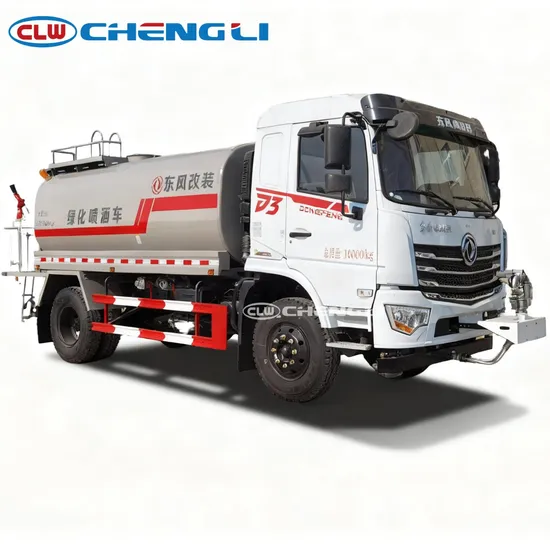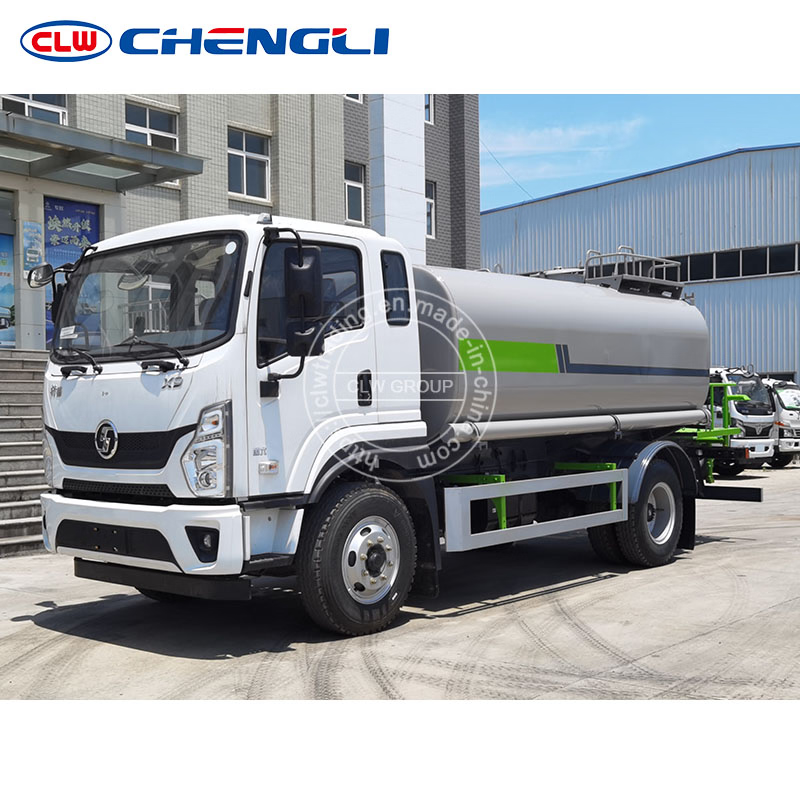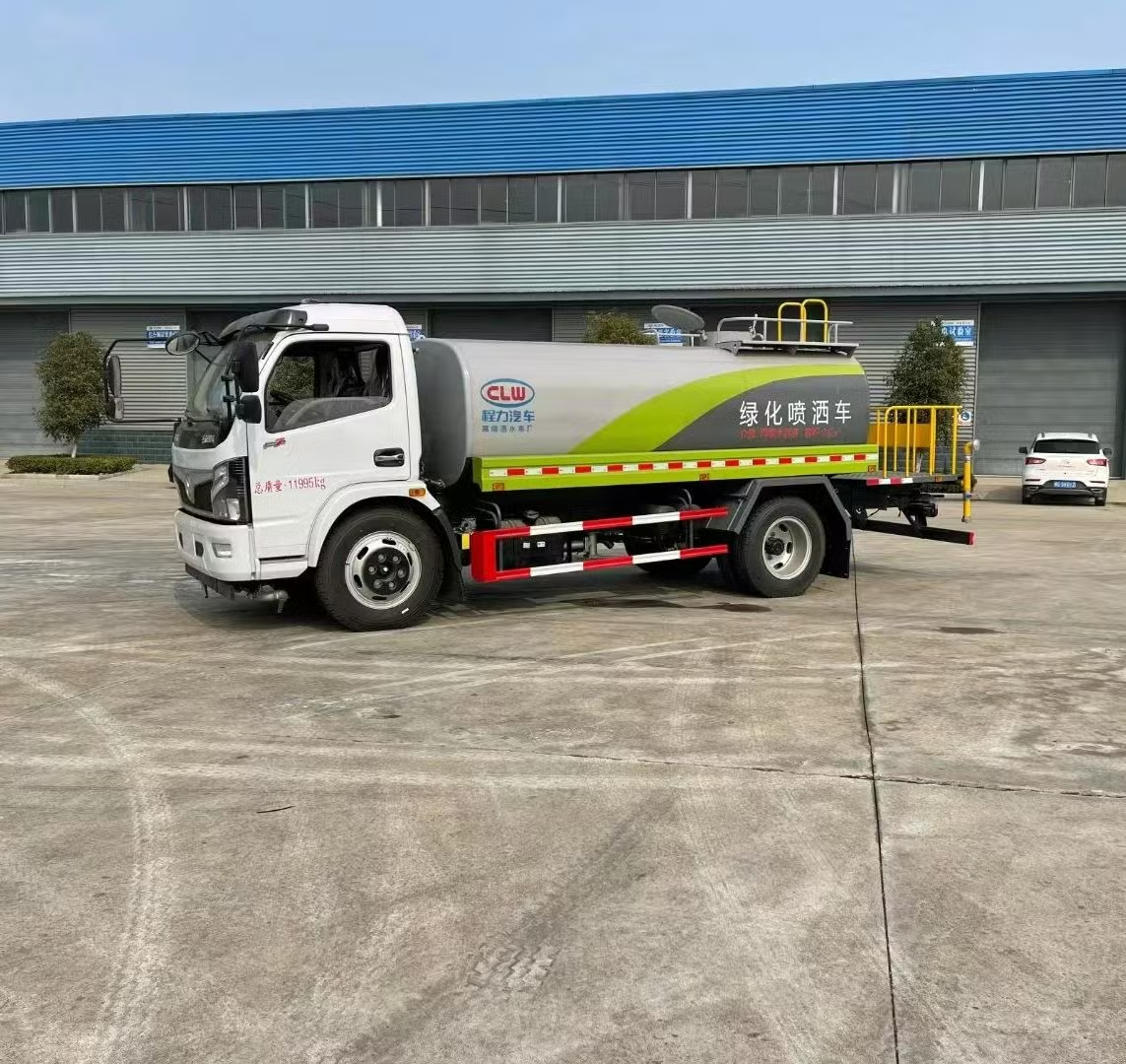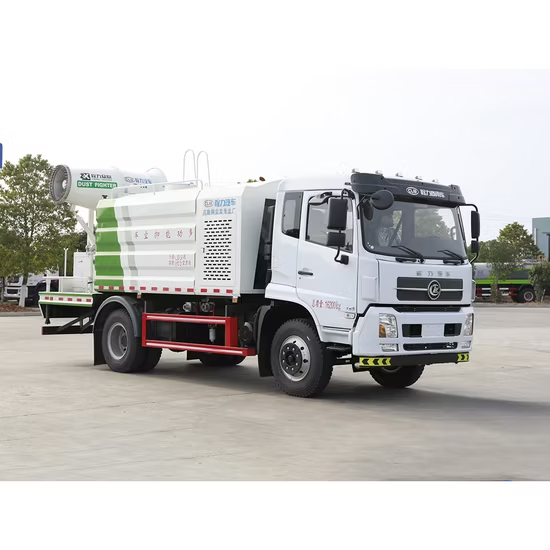
When a water bowser sprays unevenly, record which outlet is affected, which side, which spray mode was on, the tank level, the water source and when the change started. Add a short video. These facts tell the mechanic whether one nozzle, one side or the whole system is weak, before anyone opens the pump or valves.
Why a vague report slows the repair
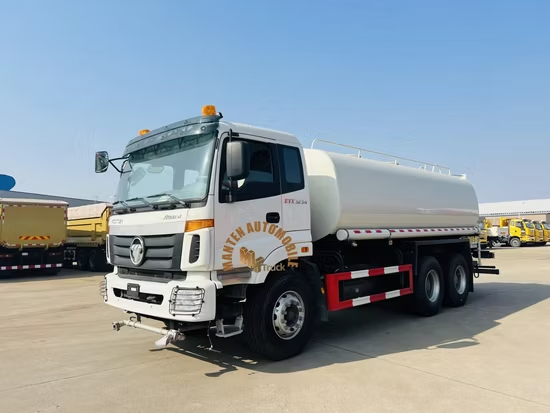
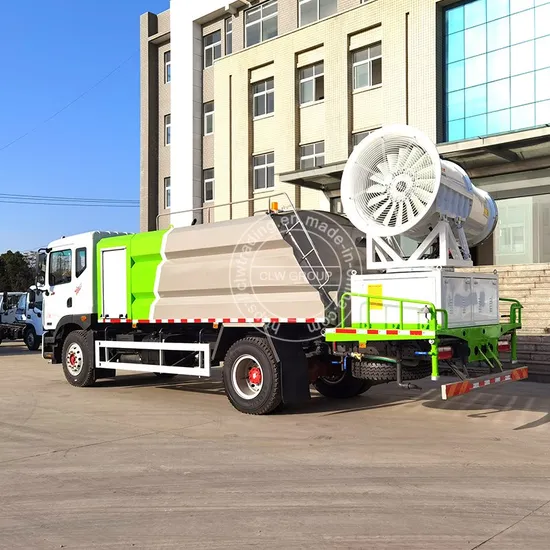
A water bowser can have several outlets: front flushing nozzles, rear spray bars, side nozzles, a water cannon and sometimes a fog cannon. Some trucks also have a fire pump outlet. A report that only says the spray is weak could mean one blocked nozzle or a pump problem. The mechanic then has to guess where to start.
On African sites this costs time. A bowser on a mine haul road or a road camp may be hours from a workshop. A good first report can save a wasted trip.
Identify the truck and the function
Write the fleet number, the chassis model and the pump model from its plate if you can read it. Name the function in use: road watering, front flushing, rear spray, water cannon or fog cannon. For example, the Dongfeng 4x2 water bowser with fog cannon has a fog cannon as well as watering outlets. A fault on the fog cannon should not be reported as a general sprayer fault.
Note how the pump is driven. Many bowsers use a pump driven by the truck engine through a PTO, such as the Dongfeng D3S 6x4 water bowser. Record the engine speed the operator normally uses for spraying.
Three common patterns and what to note
| Pattern | What to record |
|---|---|
| One side weaker | Left or right as seen from the driver seat, which outlet, stream narrower or shorter, from the start of work or later |
| Spray comes and goes | One outlet or all, how long each break lasts, any change in pump sound, warning lights, recent rough road |
| Whole pattern weaker | Tank level, outlets open, engine speed, water source, sudden or gradual, after a refill or not |
Describe what you see. Do not write pump failed or valve blocked unless a mechanic has confirmed it. A guess in the report can send the repair in the wrong direction.
Water source and dust matter
Bowsers often fill from rivers, dams, boreholes or site ponds. Sand, leaves and silt can reach the strainer and the nozzles. Write where the last fill came from and whether the water looked dirty. Note when the suction strainer was last cleaned.
Dust and wind also change how a spray looks. Record the wind direction and strength, and the direction of travel. A side wind can make one side look weaker when the nozzles are fine. Film from a safe spot, away from the spray and the path of the truck.
A fault record you can copy
- Fleet number, chassis model and pump model.
- Date, time and site.
- Function in use and outlet position.
- Pattern: one side, on and off, or all weak.
- Tank level, engine speed and outlets open.
- Water source and last strainer cleaning.
- Wind, travel direction and road surface.
- Recent refill, mode change or repair.
- Photos and a short video with labels.
Send the record to your mechanic and follow the pump maker and chassis maker manuals. Do not open pressurised lines or change settings just to repeat the fault.
Water bowsers on this site
- Dongfeng 4x2 Water Bowser, 12,000 Litre Tank with Front and Rear Spray: town road watering.
- 4x2 Water Bowser with Front Flushing and Self-Filling Pump: crews that fill from open water.
- CLW 4x2 Dust Suppression Mist Truck: dust control at quarries and stockpiles.
- Foton Auman 6x4 Water Bowser with 28 m Water Cannon: haul roads and large sites.
- Isuzu 4x2 Small Water Bowser with Water Cannon: small towns and estates.
Browse all water bowsers and road sweepers. To understand the outlets, read how a water bowser works and what a PTO on a truck is. For a new bowser, see how to buy from CLW.