When a truck tyre blows out, hold the steering wheel firmly and keep the truck straight. Lift off the accelerator and let engine drag take off speed. Do not brake hard. Once speed is under control, brake gently, stop well clear of traffic, set out warning signs and get the wheel changed or the truck recovered.
Keeping control in the first seconds
A blowout often makes the truck pull hard and sway from side to side. How the driver reacts in the first seconds matters most. Follow this order:
- Do not panic. Grip the wheel with both hands and keep the truck pointing where you want to go.
- Release the accelerator quickly. Engine drag will take off much of the speed by itself.
- Do not stab the brake. Hard braking makes the sway worse and can cause loss of control.
- When the speed is under control, brake lightly and bring the truck to a gradual stop.
- Stop in a safe place well away from traffic. Switch on the hazard lights and set out warning signs.
A blowout at speed on a fast road is the most dangerous case. Keep to safe speeds, and do not drive when tired.
If the brakes also fail on a descent
Brake trouble after a blowout causes many accidents. If the brakes fail on a downhill and the truck keeps gaining speed, the aim is to add resistance. Change down if the gearbox allows it. Use an escape lane, rising ground or a safe run-off area beside the road. These are last resorts. Regular brake checks are far better, as set out in our guide to truck brake care.
Repair or replace the tyre
Once the truck is safe, decide whether the tyre can be repaired at all. Three repair methods are common:
| Method | How it works | Limits |
|---|---|---|
| Plug | A rubber strip is pushed into the hole with the tyre still on the rim | Quick, but a temporary fix for small holes only |
| Patch | The tyre comes off the rim and a patch is bonded inside over the damage | Seals larger holes, but may leak again after long use in water and at speed |
| Hot repair | Raw rubber is applied to the damage and cured with heat until it bonds | Most durable, but needs a skilled fitter, as poor heat control can harm the tyre |
Repair is not always the answer. A deep sidewall cut or a large hole in the tread usually means a new tyre. Such a tyre is hard to repair and hard to trust. Let a qualified tyre shop make that call.
Tyre sealant has limits too. It does little once the tyre has lost all its air. Over time it can also corrode steel and alloy rims and spoil the seal between rim and tyre.
Preventing blowouts on hot, rough roads
High road heat, sharp stones on murram roads, overloading and long distances between tyre shops all raise the risk. A short daily routine helps:
- At the start of each shift, check every tyre for cuts, bulges and nails.
- Remove stones trapped between twin tyres.
- Check pressures cold, at the values in the chassis maker or tyre maker manual.
- Do not overload. Too much weight heats the tyres and the brakes.
- Carry a serviceable spare, a jack rated for the truck and the tools to change a wheel.
- Agree a breakdown plan before the truck leaves the yard, with phone numbers for recovery.
On a fuel tanker, follow the dangerous goods rules of your country and the tank maker instructions after any incident.
What to record
For each tyre event, note the truck, wheel position, date, odometer reading, likely cause and the repair or replacement made. Over time the log shows which routes, loads or tyres fail most often. Brief drivers who move between truck types on how each one handles.
Trucks for rough-road haulage
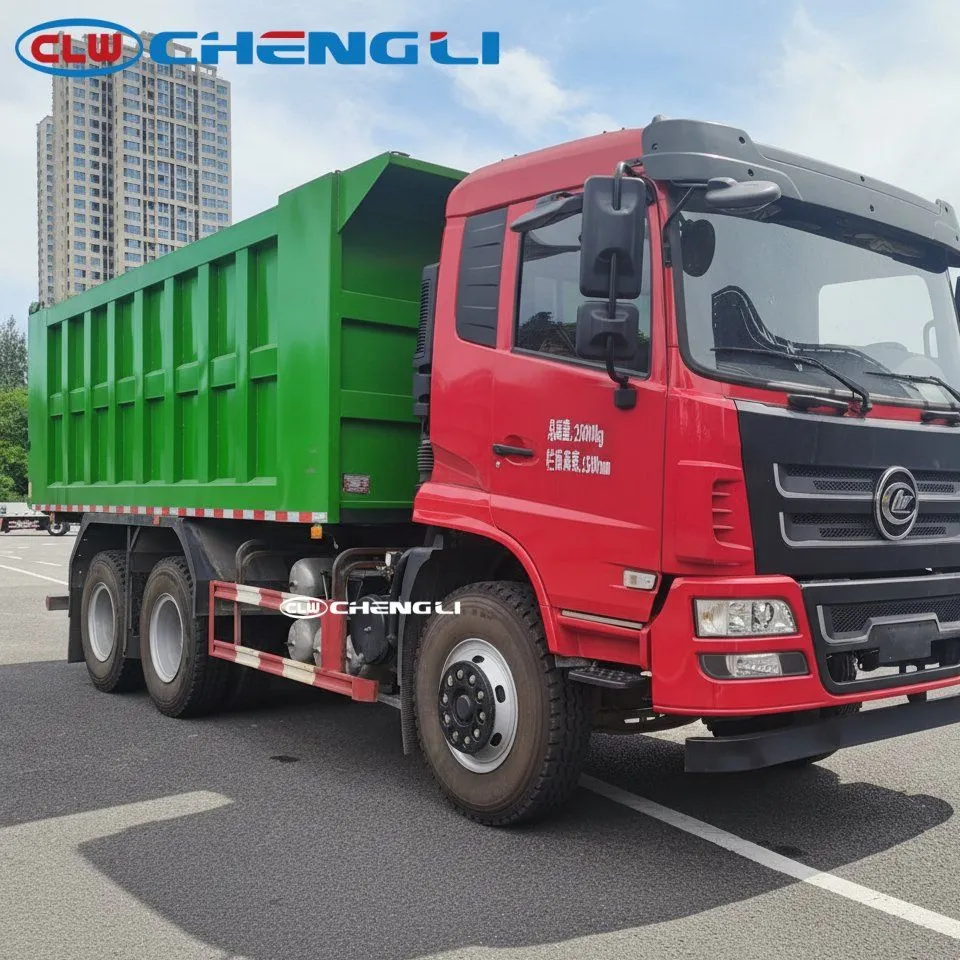
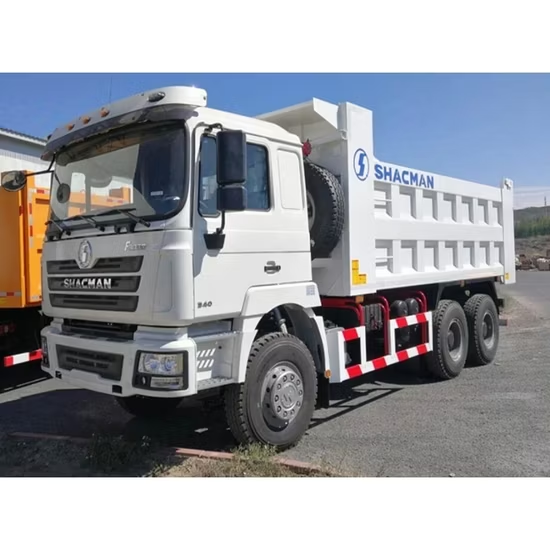
- Shacman 6x4 Heavy Tipper Truck, Weichai WP12 375 hp: quarry and road-works haulage.
- CLW 6x4 Ten-Wheel Tipper Lorry, 15.3 t Payload: murram and gravel delivery.
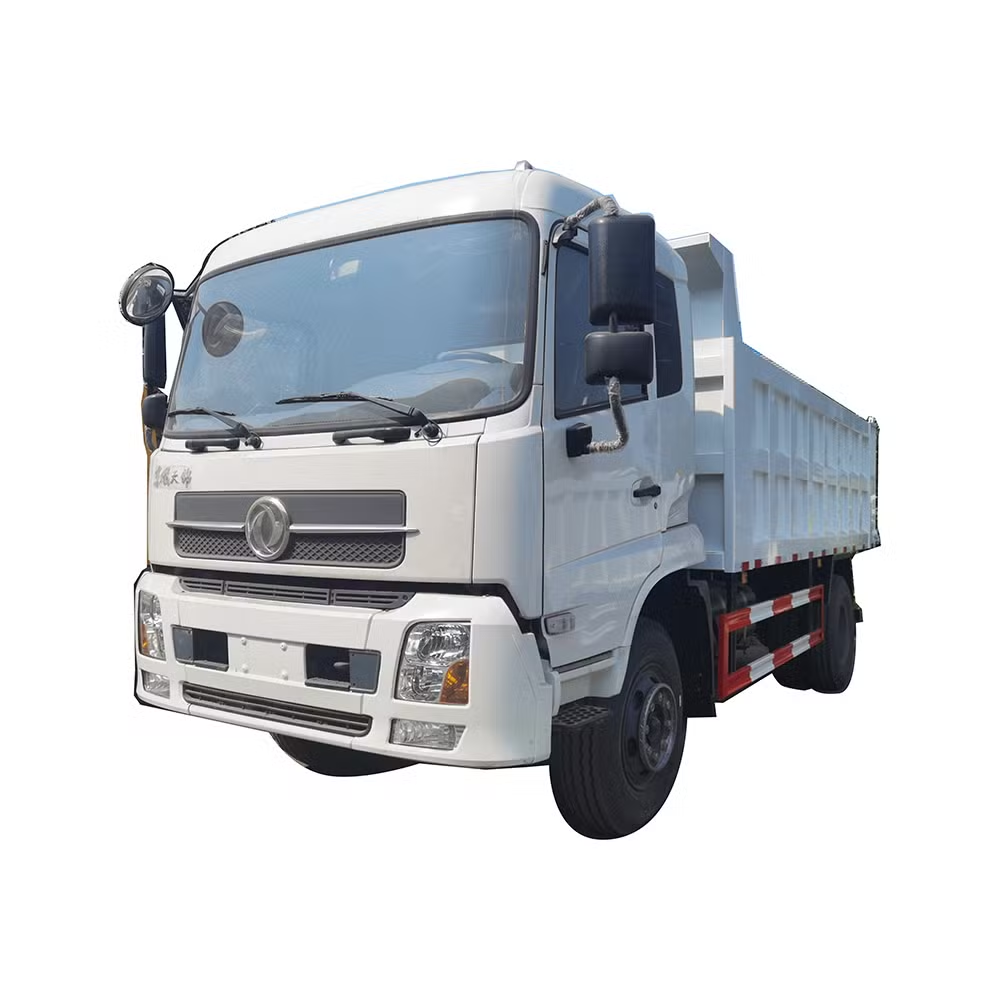
- Dongfeng 4x2 Dump Truck, 8-10 Tonne Payload: smaller loads on town and rural roads.
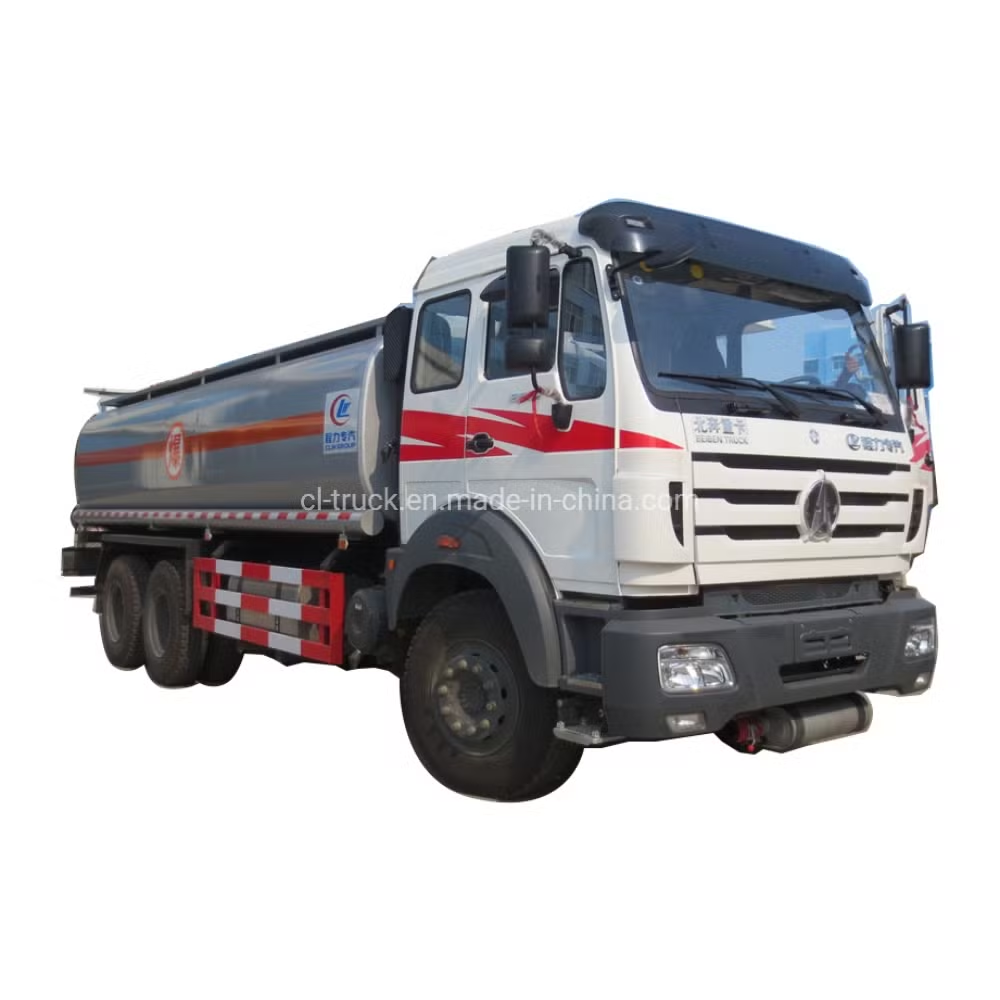
- Beiben 6x4 Fuel Tanker, 20,000 Litre Tank: long-distance fuel delivery.
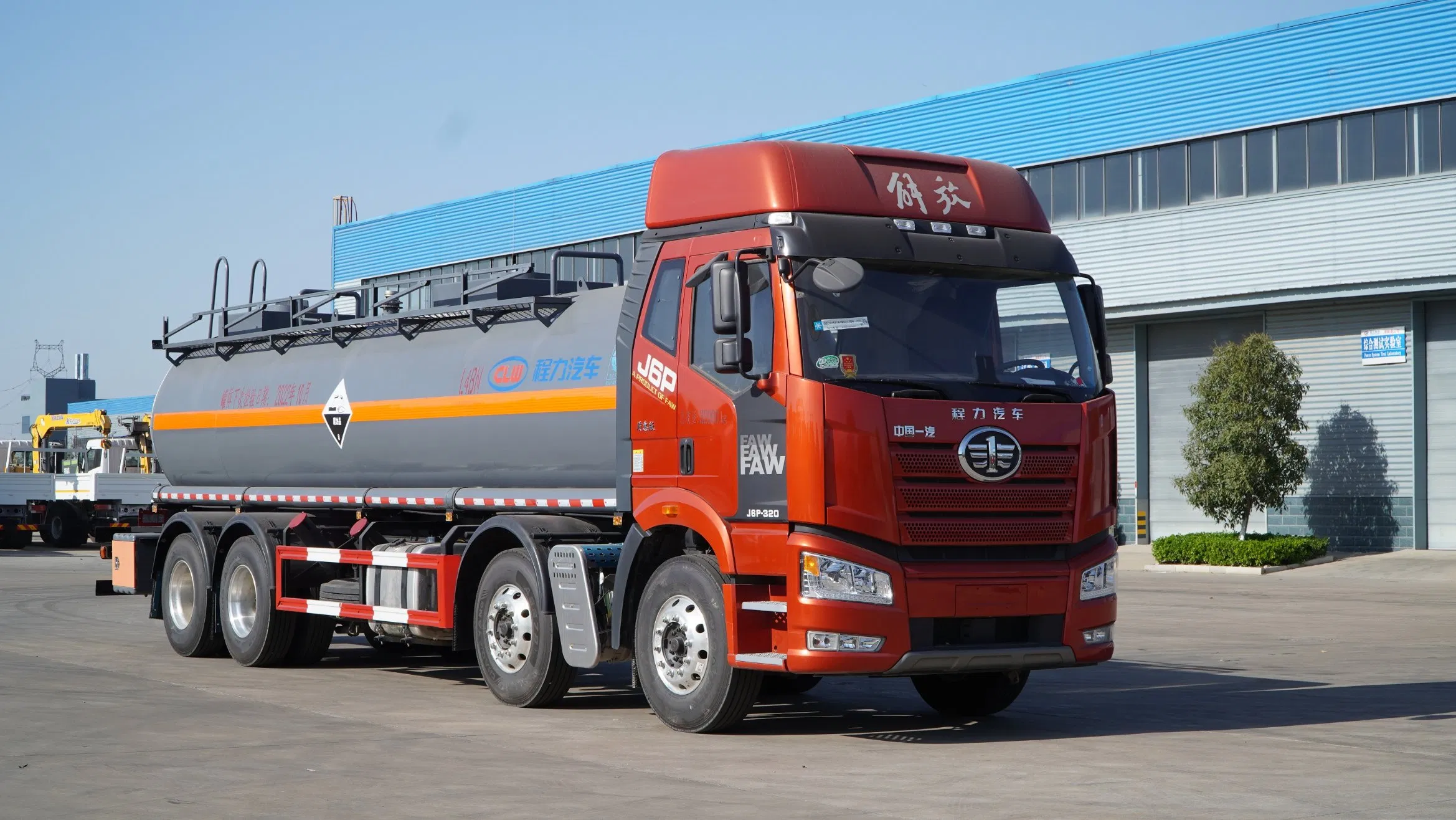
- FAW 8x4 Fuel Tanker, 20,000 Litre Tank: depot-to-station runs on four axles.
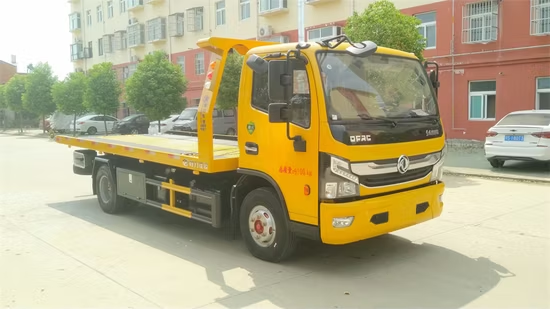
- Dongfeng 4x2 Rollback Tow Truck, 5.6 m Flatbed: moving light vehicles to a tyre shop.
Browse all tipper trucks, fuel tankers and tow trucks. To avoid overloading, read how to read GVW, payload and kerb weight. This page gives general advice and does not replace driver training. To discuss a truck, use the contact page.