Truck brakes last longer and stay safer when the driver slows early, uses a low gear and engine braking on long descents, and never overloads the truck. Add a regular check of pads or linings, discs or drums, the brake fluid or air system, and any pull to one side. Follow the intervals in the chassis maker manual.
Why truck brakes wear fast
A brake turns movement into heat through friction. Pads, linings, discs and drums are made to wear, but the rate depends on the driver and the load. A loaded tipper or tanker has far more energy to absorb than an empty one. The heavier the load and the steeper the hill, the harder the brakes work. A brake failure is one of the most dangerous faults a truck can have.
Driving habits that protect the brakes
- Slow down before a long descent. Select a suitable low gear at the top and let engine braking carry part of the load.
- Brake in short steps. Long, steady pressure on a descent builds heat, and hot brakes lose force.
- Lift off early in town. Late, hard stops behind other vehicles wear the pads quickly and waste fuel.
- Take care at bends, bridges and narrow roads. Cut speed early and be ready to stop.
- Allow for changing light. Your eyes need time to adjust when you drive from bright sun into shade.
- Do not overload. Every extra tonne adds work for the brakes.
What to check and how often
| Item | What to look for | Action |
|---|---|---|
| Pads or linings | Thickness near the wear limit, uneven wear, oil or mud on the surface | Replace at the limit in the chassis maker manual |
| Discs or drums | Deep scoring, cracks, blue heat marks | Have a workshop measure and replace as needed |
| Brake fluid (hydraulic brakes) | Low level, dark colour, leaks at wheels or lines | Top up or change as the manual states |
| Air system (air brakes) | Water in the air tanks, air leaks, slow pressure build-up | Drain the tanks and repair leaks as the manual states |
| Pull to one side | Truck pulls left or right under braking | Stop heavy work and have the brakes adjusted at once |
| Pedal and noise | Soft or low pedal, grinding, vibration | Report before the next trip |
Before every trip, the driver should look for leaks around the wheels and listen for odd noises. Any pull, soft pedal or vibration goes to the workshop before the truck leaves again.
Running in a new truck
New brakes need time to bed in. During the running-in period in the chassis maker manual, avoid emergency stops where you can. Then return to normal driving. Brake fluid also ages, mainly because it takes in water. Change it at the interval in the manual, and sooner if the truck works long term in damp, humid weather.
Extra care in heat, dust and rainy-season mud
Long climbs and descents with heavy loads build heat in the brakes. On murram roads, dust and grit get between the friction surfaces and speed up wear. In the rainy season, mud and water coat the brakes and get into the system.
- Wash mud and dust off the wheels and brake area when you can. Then look for scoring or uneven wear.
- After driving through deep water, test the brakes gently at low speed before you pick up speed.
- Check fluid level and condition more often in humid weather.
- On remote routes, carry spare pads or linings and the right tools, because the nearest workshop may be far away.
- Brief drivers who move between trucks. Brake feel and engine braking differ from model to model.
What to record
Keep a brake log for each truck. Note the date, odometer reading, lining or pad condition, any adjustment and every driver report. The log shows which routes and drivers wear the brakes fastest. It also tells the mechanic what has already been done.
Heavy trucks where brake care matters most
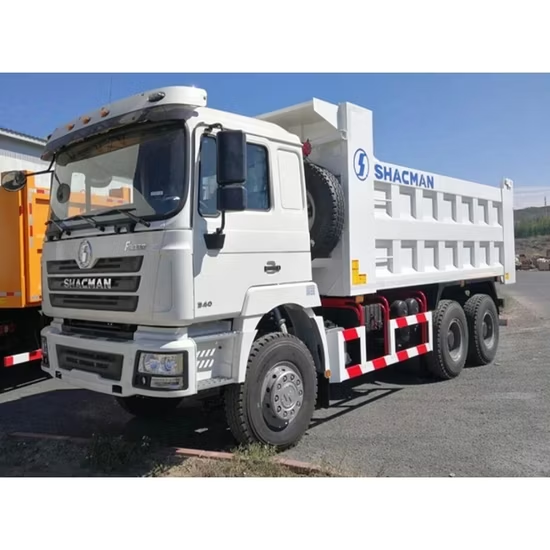
- Shacman 6x4 Heavy Tipper Truck, Weichai WP12 375 hp: heavy loads on quarry and hill roads.
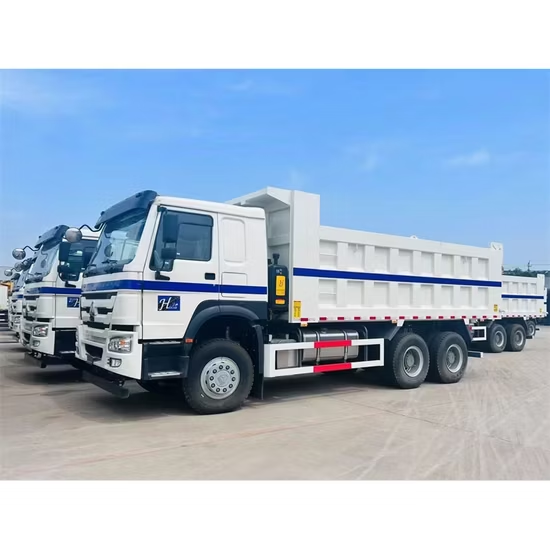
- HOWO 6x4 10-Wheel Tipper Truck, 371 hp: sand and stone haulage.
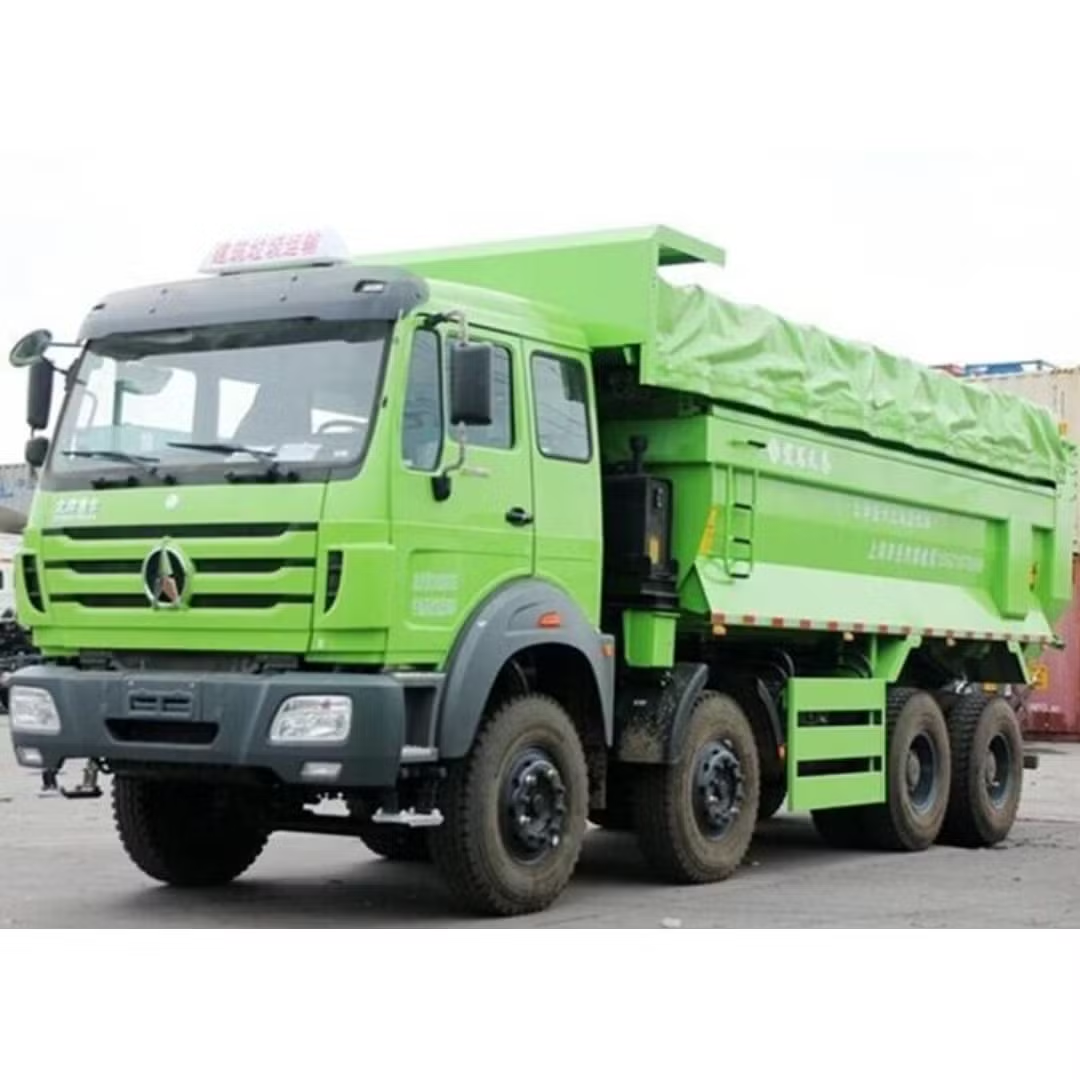
- Beiben North Benz 8x4 Tipper Lorry: four axles spread the load for bulk work.
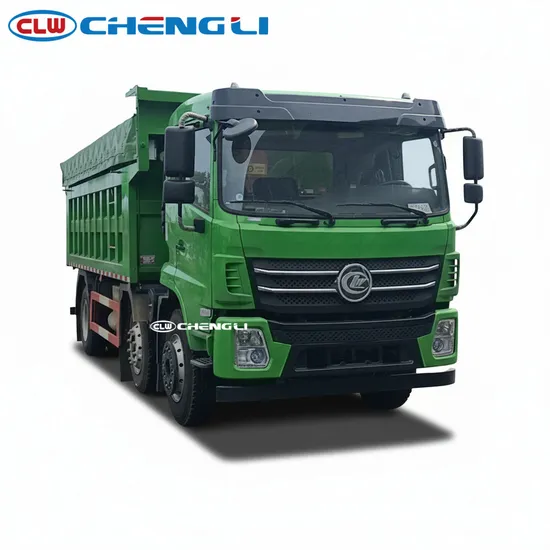
- CLW 8x4 12-Wheeler Tipper Truck, 19.7 t Payload: long aggregate runs.
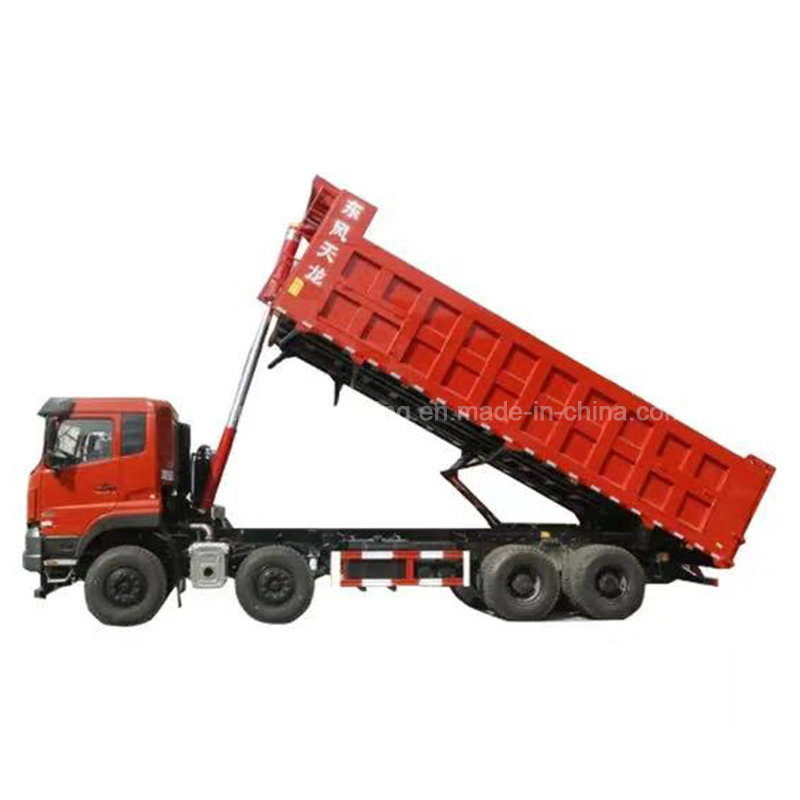
- Dongfeng 8x4 Dump Truck, 12 Wheels: high-volume earthmoving.
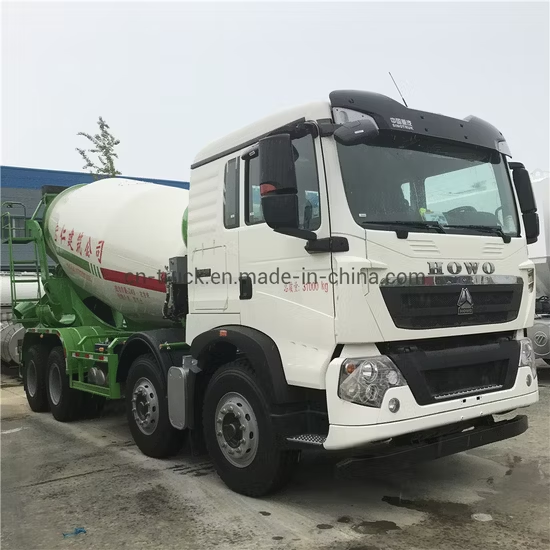
- HOWO 8x4 Concrete Mixer Truck, 12, 14 or 16 m3 Drum: a heavy, moving load on site roads.
Browse all tipper trucks and concrete mixers. For axle choice on heavy work, read 6x4 or 8x4 tipper truck. This page gives general advice and does not replace training or the chassis maker manual. To discuss a truck, use the contact page.