A refrigerated truck log should keep three numbers apart: the setpoint chosen on the controller, the reading on the unit display, and any cargo reading taken with a probe or logger. Each entry needs a time, a source and a place. Mixing them in one column hides what really happened to the load on the trip.
Three numbers that are not the same
The setpoint is the target the driver or dispatcher selects. It is an instruction, not a measurement. The unit display shows what the cooling unit senses, usually in the air near its own sensor. A cargo reading comes from a stated place, such as a probe in one carton near the rear doors.
These numbers often differ, and that is normal. Cold air takes time to reach the centre of a pallet. Warm goods loaded at a hot dock also take time to cool. If the log only says temperature, nobody can tell later which number it was. On a long run from a port to an inland cold store, that gap can decide a claim.
Set up the log columns
Use one row per event and give each reading its own column. A simple layout works on paper or in a spreadsheet.
| Column | What to write |
|---|---|
| Date and time | Local time of the event, from one clock for the whole trip |
| Event | Loading, departure, door opening, stop or arrival |
| Setpoint | The value selected on the controller, with the unit of measure |
| Unit display | The value shown on the cooling unit at that moment |
| Cargo reading | Value, instrument number and where it was taken, or not taken |
| Doors | Which door opened, with the open and close times |
| Remarks | Delays, breakdowns, fuel stops, setpoint changes and who ordered them |
If no cargo reading was taken, write not taken. Never copy the unit display into the cargo column. A copied number looks like a measurement that did not happen.
Four stages to record on every trip
- Loading: setpoint, unit display and any cargo reading, plus the consignment number and the loading start and finish times.
- Departure: setpoint and display, door status and the number of any logger in the box.
- Door events: each opening with times, place and the door used. Multi-stop trucks may open the doors many times a day.
- Arrival: readings before the doors open, then the time the doors open.
Use the procedure agreed with the cargo owner for any extra checks. If a continuous recorder is fitted, keep its file with the trip record. Do not replace it with a few values picked by hand.
Know your unit and its range
The log should name the box and the cooling unit, not only the truck. Write the unit make, model and serial number on the first page. On a semi-trailer, keep the history with the trailer, because the prime mover can change between trips.
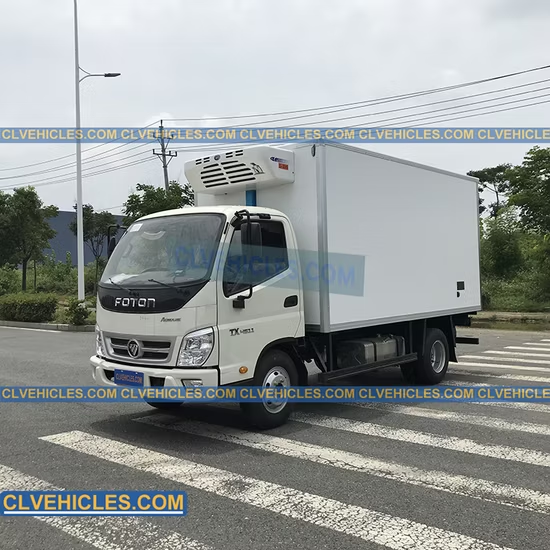
Also note whether the unit is independent or driven by the truck engine. The Foton 4x2 freezer truck page explains the difference. An independent unit has its own small engine and keeps cooling with the truck engine off. A non-independent unit stops when the engine stops. That matters in border queues and long waits in the heat. The same page notes that a temperature recorder can be fitted in the box.
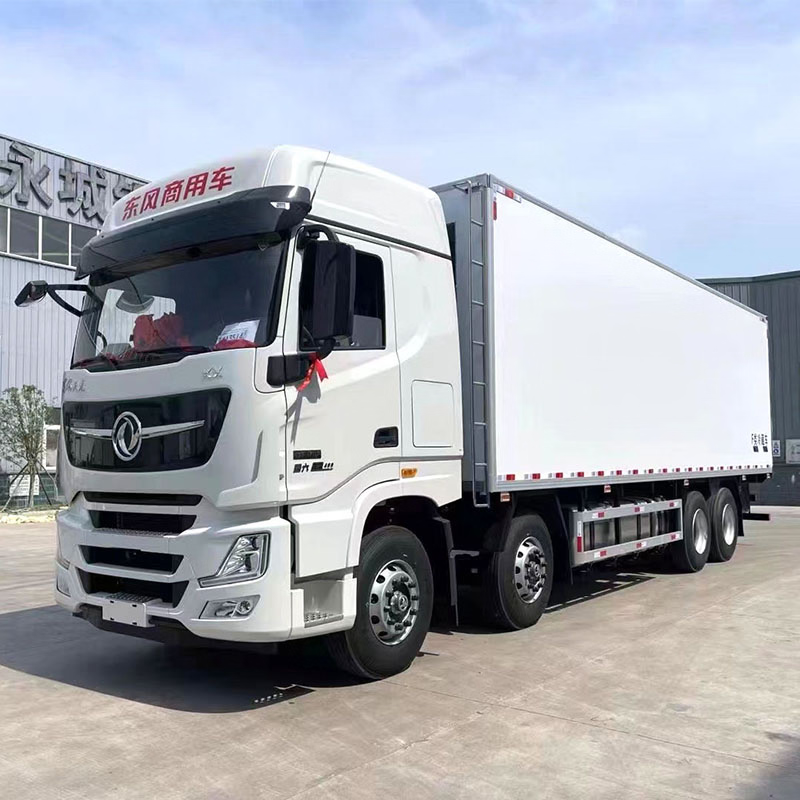
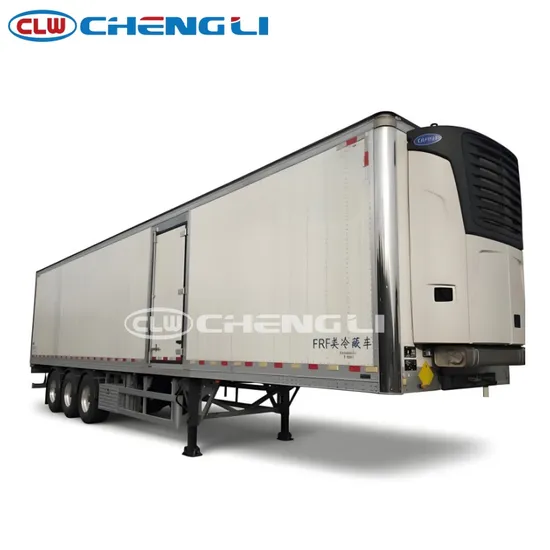
The rated range of the unit is not a cargo result. The CLW 3-axle reefer semi-trailer page gives a unit range of minus 30 C to plus 25 C. The Dongfeng 8x4 reefer page gives plus 5 C to minus 25 C. These figures say what the equipment is built for. The log must still show what the cargo actually reached.
Heat, dust and long hauls
High outside heat makes the unit work harder, and every door opening lets in warm air. Dust on the condenser coil can reduce cooling, so record when the coil was last cleaned. Long waits at weighbridges, borders and depots belong in the remarks with times. If the display stays far from the setpoint, write it down. Then follow the unit maker manual or call a trained reefer technician.
Record setpoint changes and handovers
When someone changes the setpoint, log the time, the old value, the new value and who gave the instruction. Keep remarks next to the right time, not at the bottom of the page. At handover, the receiving team can then see what was set, what was measured and what happened on the road. That protects the driver, the fleet owner and the cargo owner.
Reefer trucks on this site
- CLW 3-Axle Refrigerated Semi-Trailer, 80 m3 Aluminium Box: long cold chain corridors behind a prime mover.
- Dongfeng 8x4 Refrigerated Truck, 9.6 m Insulated Box: heavy rigid for port to cold store runs.
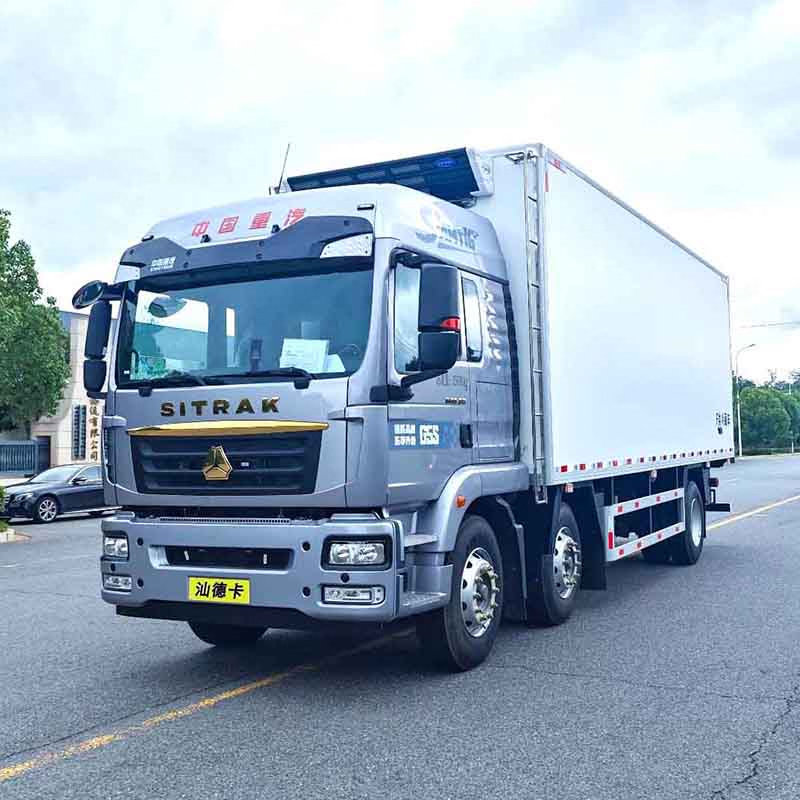
- Sinotruk HOWO 4x2 Refrigerated Truck, 6.8 m Freezer Box: medium regional distribution.
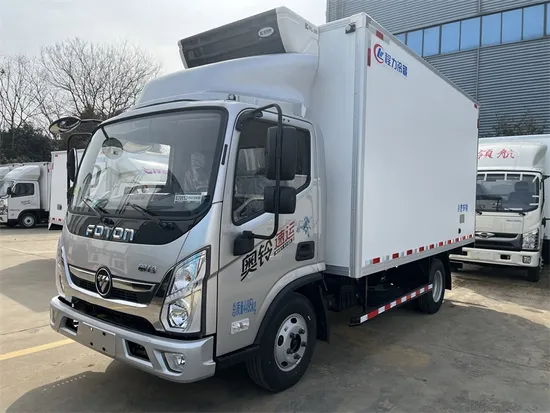
- Foton Ollin 4x2 Freezer Truck, 18 m3 Box: town deliveries with many stops.
- Foton 4x2 Freezer Truck for Fresh Fish: fish and meat from landing site to market.
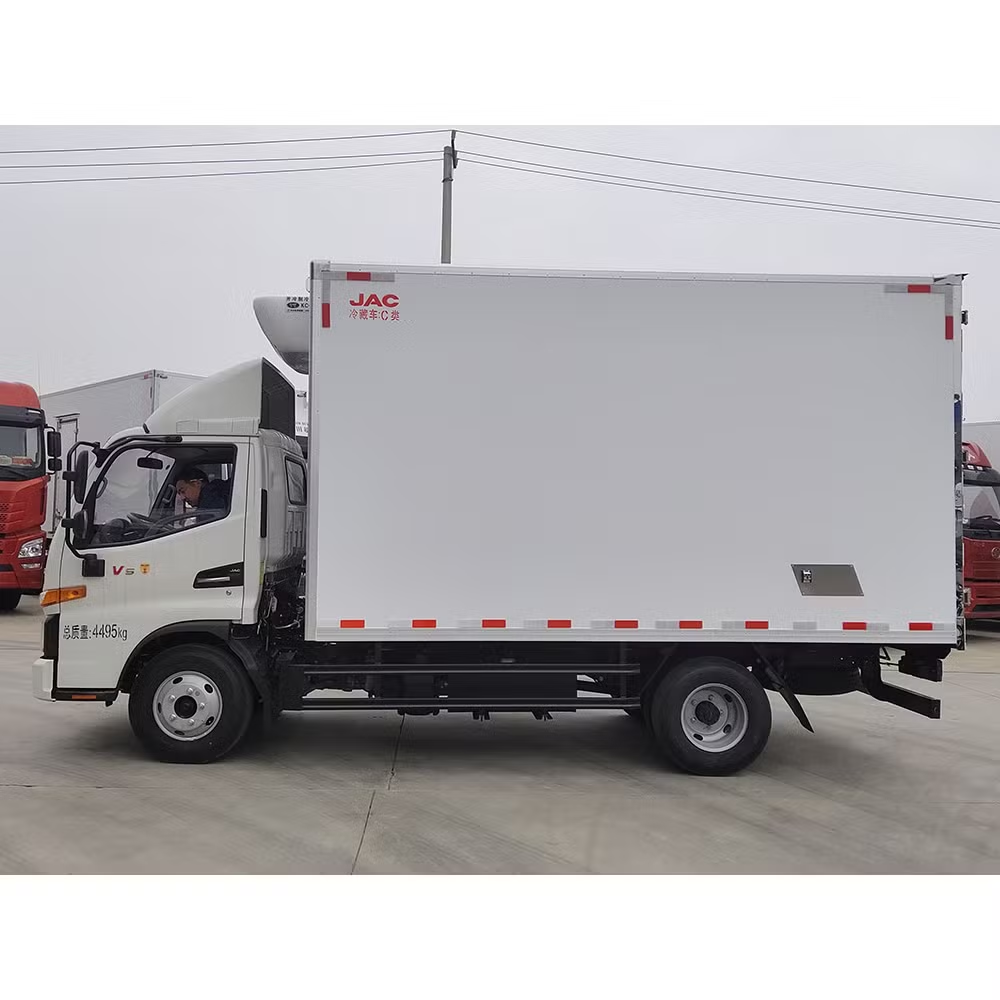
- JAC 4x2 Refrigerated Truck, 4.1 m Insulated Box: small loads in busy cities.
Browse all cargo and box trucks and semi-trailers. To see how the box and unit work, read how a refrigerated truck works. For multi-drop planning, see urban refrigerated deliveries with frequent stops. To order a reefer with a recorder, see how to buy from CLW.