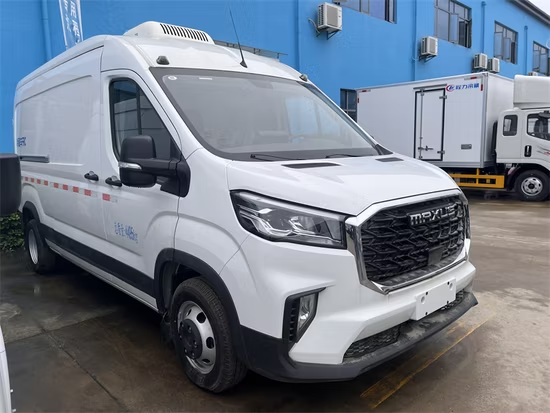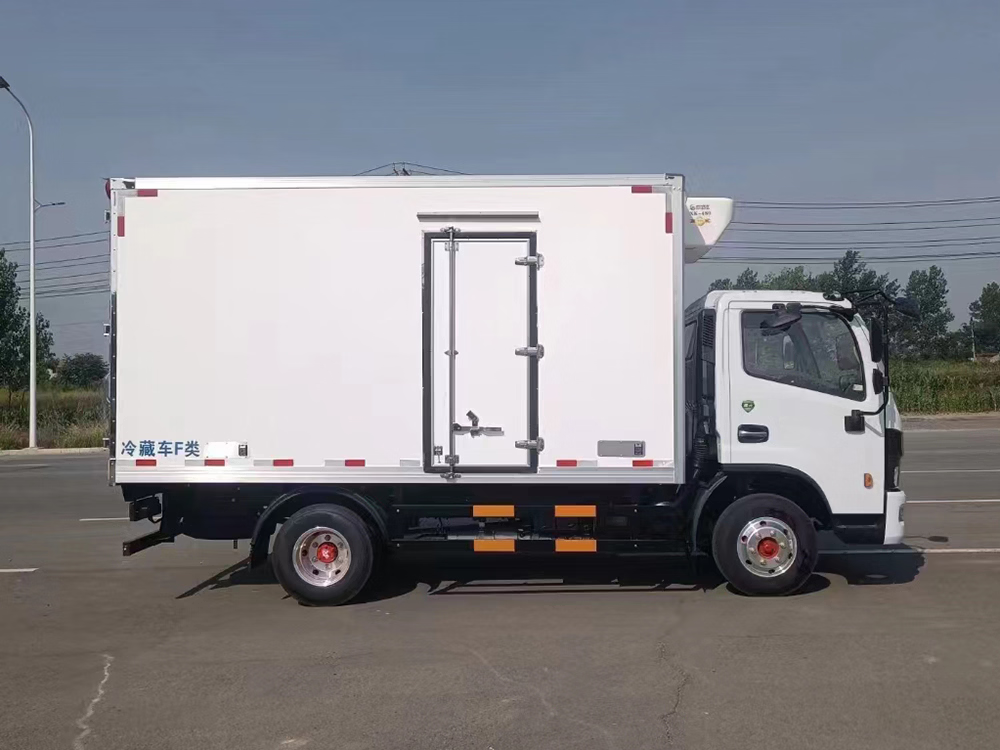
For a multi-stop cold route, describe the delivery day as well as the cargo and the temperature. List the stops, what leaves the box at each one, how long the doors stay open and what cargo stays behind. With that, CLW can match box size, door layout and cooling unit to the route, for example a side door so small drops do not open the rear doors.
Describe loading order and packaging
Picture a reefer taking dairy crates to supermarkets in Nairobi, or frozen chicken cartons to restaurants in Lekki and Ikeja. List the stops in delivery order and what leaves at each one. Say whether goods travel as cartons, crates or pallets. Goods for the last stop go in first, so show how the driver reaches each drop without moving the rest.
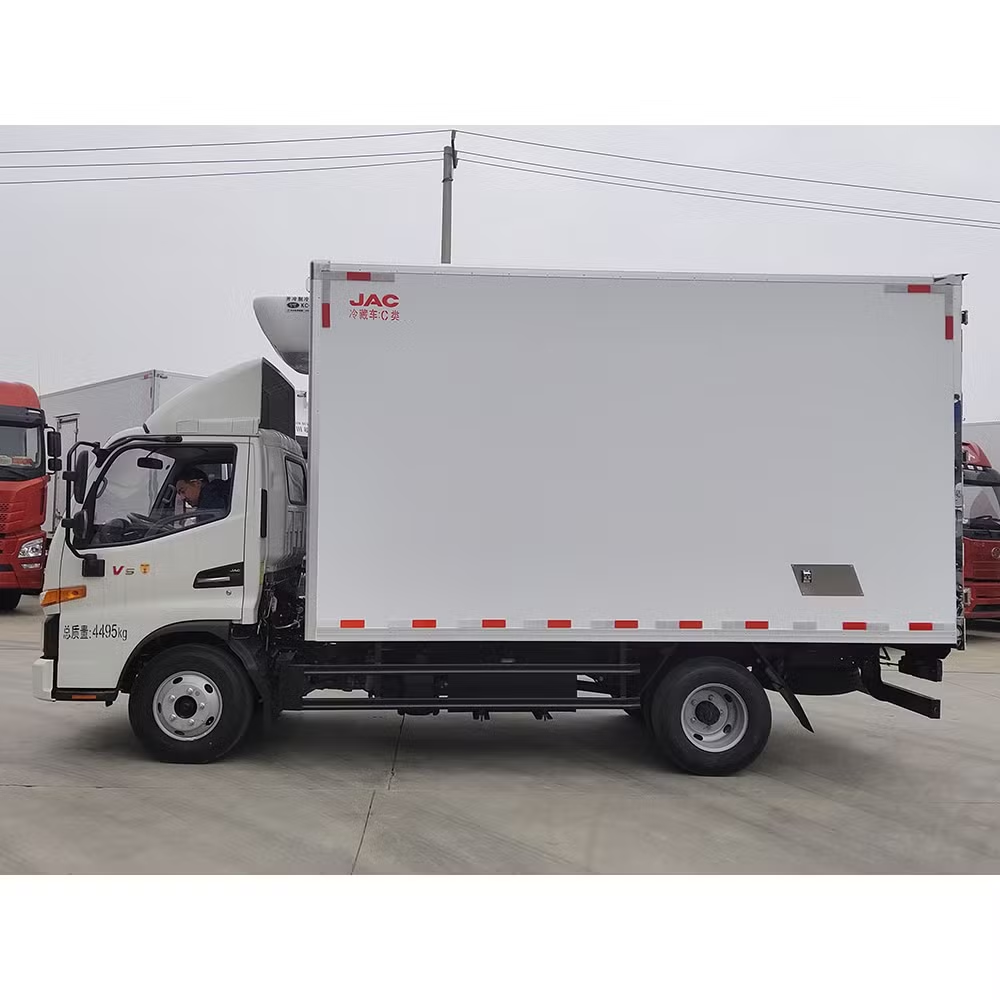
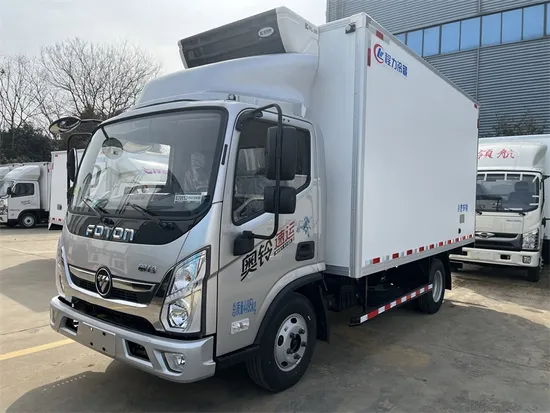
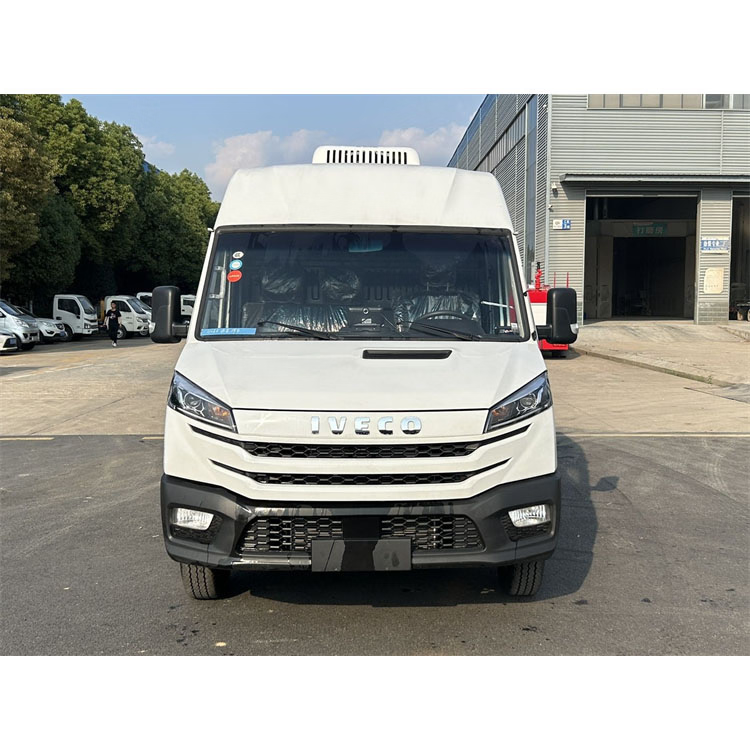
Box size sets the space you can plan around. The Dongfeng 4x2 reefer has a 4,090 x 2,100 x 2,100 mm box, and the Foton Ollin box is 4,080 x 2,100 x 2,100 mm, about 18 m3. The Naveco Iveco mini reefer box is 3,360 x 1,640 x 1,550 mm, or 8.5 m3. The JAC X5 mini van box is 3,500 x 1,610 x 1,750 mm. Send your package sizes so the factory can check the real usable layout.
Record what happens at each stop
Note where the truck can park, the receiving hours and the distance from the truck to the cold room. A quick handover beside the truck is very different from many trips into a mall. Record waiting time apart from unloading time. In tight streets a smaller truck may park closer, which can cut the time the doors stay open.
Door openings and the cooling unit
Every door opening lets cold air out and warm, humid air in. The cooling unit then has to pull the box back down to temperature. Give the number of planned stops and any measured door times from an existing route. Note which door is used and whether unloading means one long opening or several short ones. Label any estimate as an estimate.
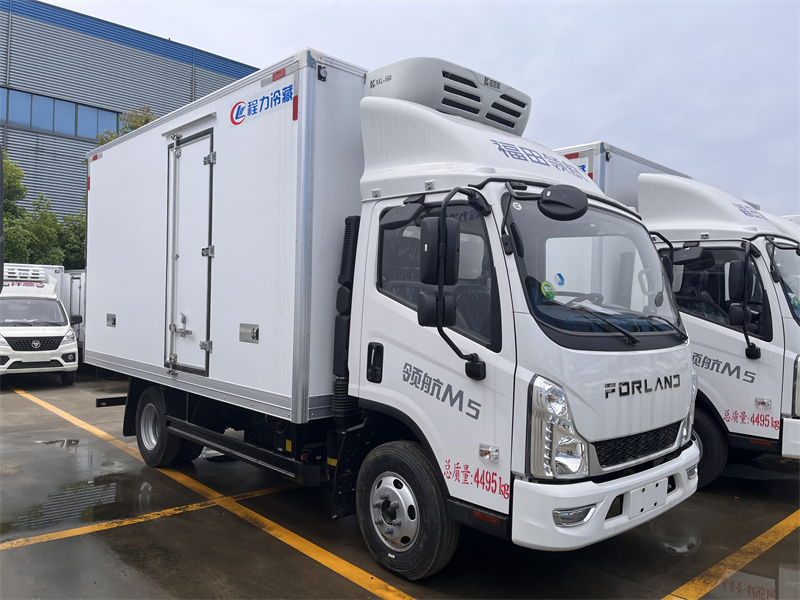
A side door helps on small drops. The HOWO 4x2 reefer with a 6.8 m box has a side door fitted, and its page notes that this keeps more cold air inside on multi-stop routes. The JAC 4x2 reefer has rear doors plus one side door. On the Dongfeng 4.1 m, Forland M5 and Naveco reefers, a side door is an option. Ask about strip curtains in the quotation as well.
A rated temperature does not prove the unit copes with every door pattern. The Forland M5 page shows a Hanya unit working at minus 15 °C. The HOWO 10 ton reefer shows 5 to minus 25 °C. Give CLW your route data and the cargo temperature range so the unit can be sized for the work.
Plan for the cargo that remains
The load shrinks through the day, and part loads shift. Cold air needs space above the cargo and a clear return path to the unit. Floor air channels are offered on the Dongfeng 4.1 m, Forland M5 and Naveco pages. The Dongfeng page also offers a split box with two temperature zones, which suits chilled and frozen goods on one route. Ask how the layout keeps airflow working as the box empties.
A one-day route sheet
| Field | What to write |
|---|---|
| Loading point | Location, loading time window and how cargo is packed |
| Stop order | Customer or site code in delivery order |
| Consignment | Unit type, size and quantity for each stop |
| Access | Parking spot and distance to the receiving door |
| Door event | Which door, how many openings and measured minutes |
| Remaining load | What stays in the box after the stop |
| Cargo needs | Required temperature range and the records you keep |
Refrigerated trucks for city routes
The price shown is the listed reference price (FOB China, ex-factory list), and the written quotation fixes the final price.
- Dongfeng 4x2 Refrigerated Truck, 4.1 m Box: split box and side door options for mixed routes, from US$17,800.
- JAC 4x2 Refrigerated Truck, 4.1 m Insulated Box: side door fitted for small drops, from US$17,150.
- Forland M5 4x2 Light Refrigerated Truck, 4 m Box: frozen goods to shops, from US$16,000.
- Foton Ollin 4x2 Freezer Truck, 18 m3 Box: supermarket rounds, from US$20,000.
- Naveco Iveco 4x2 Refrigerated Truck, 8.5 m3 Box: compact city work, from US$25,500.
- CLW Maxus V90 4x2 Small Reefer Van: pharmacy and restaurant drops, US$28,500.
- JAC X5 Mini Refrigerated Van Truck, 3.5 m Box: light loads in narrow streets, US$12,800.
- Sinotruk HOWO 4x2 Refrigerated Truck, 6.8 m Box: large drops to many outlets, from US$34,800.
Compare more reefers under cargo trucks, and refrigerated trailers for the port leg under semi-trailers. For routes in Kenya, read refrigerated trucks for fish, dairy and flowers. For the basics, see how a refrigerated truck works. Send your route sheet through the contact page.