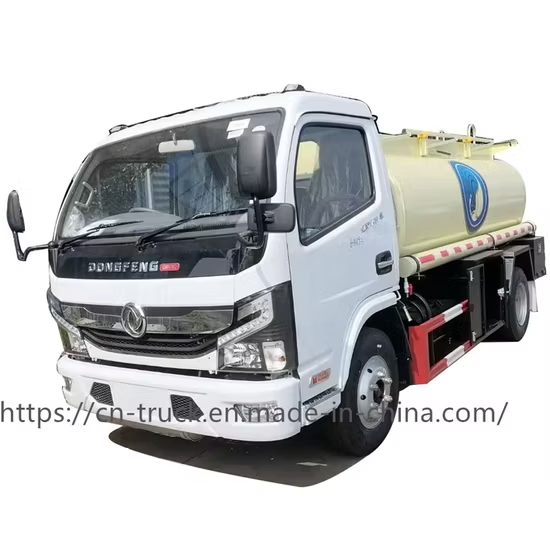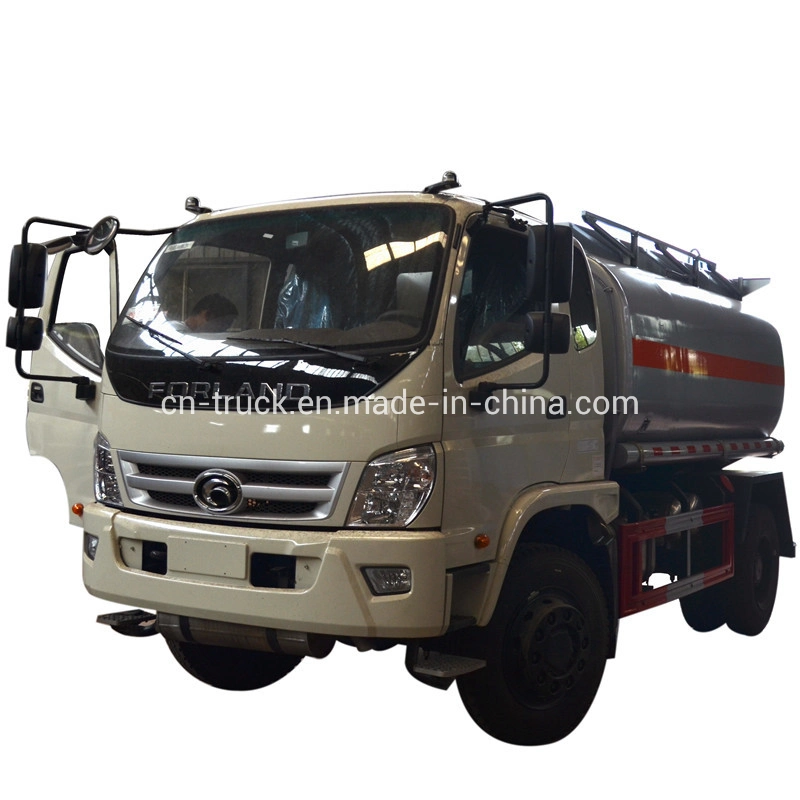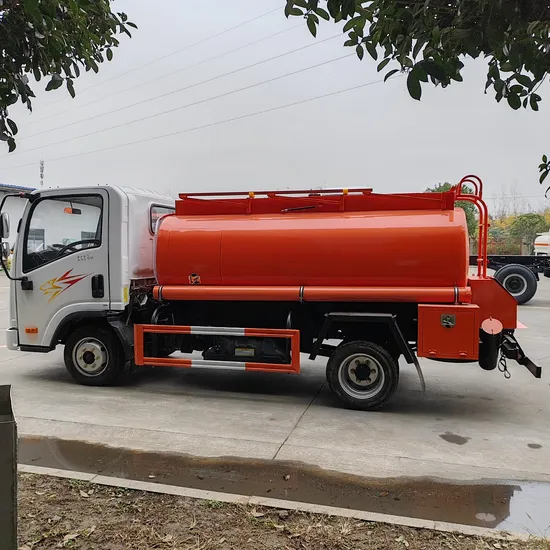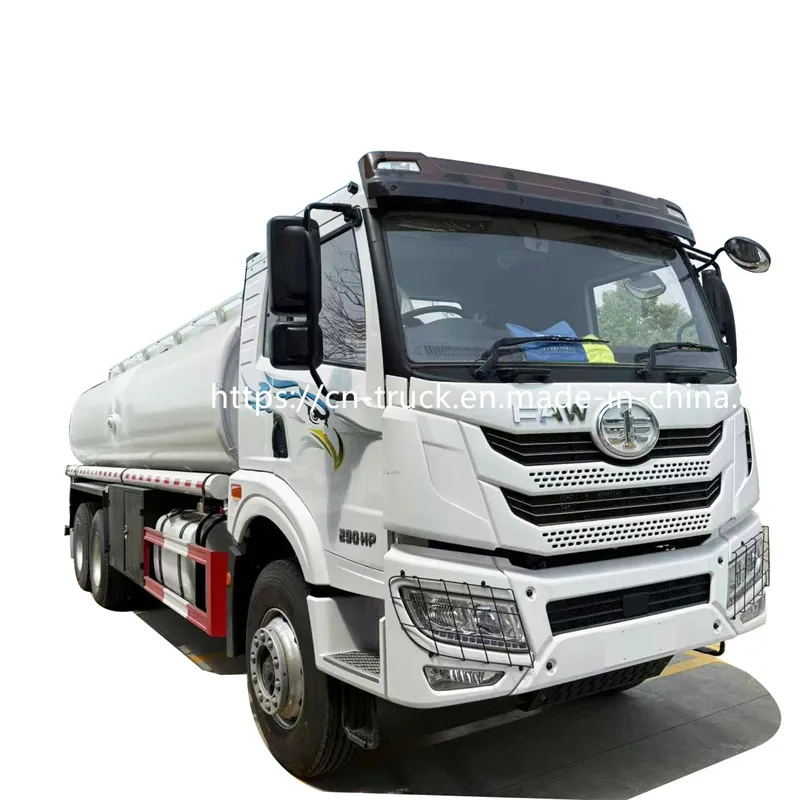
At fuel tanker handover, collect a separate set of papers for each main assembly: the chassis, the tank, the pump and its PTO drive, the meter or dispenser, and the hose reel. For each one, record the model, the serial number, the part references and the manual. Linking all of them to the fleet number makes later parts enquiries and repairs much simpler.
One folder for each assembly
Open folders for the chassis, the tank body, the pump and drive, the metering equipment, and the hoses and reel. Add a front page that links them all to the fleet number and the chassis number. Put the final equipment schedule at the top, showing what was actually delivered. Many truck pages offer options, such as two chassis versions or two pump connections. Your file should show the option you received, not a brochure that covers both. Each CLW truck normally ships with its CCC certificate and product certificate of conformity. Keep these in the chassis folder.
Questions to ask about the tank
Ask which document identifies the tank: its number, its layout drawing and its compartment schedule. If the tank has several compartments, record the volume label of each one as delivered. Keep the papers for the emergency shut-off valves, the manhole covers and the breather valves in the tank folder, so each part can be identified on its own. For compartments and safety fittings, the fuel tanker buying checklist covers what to specify before ordering.
Separate the pump from its drive
The pump and the power take-off that drives it are separate parts with separate references. Record the pump model, the PTO model, the type of output shaft and the pipe connection size. A pump flow figure on a spec sheet is not enough to order a coupling or a drive part. If the truck page offers a choice of PTO or connection size, write down which one is fitted. Photograph the plates while they are still clean and easy to read.
Meter, dispenser and hose records
If the truck has a flow meter or a dispenser, record its model and serial number. Keep any calibration papers supplied with it, filed under that serial number. Ask your local weights and measures office whether the meter needs local checks before you use it for sales. Record the hose, nozzle and reel references separately from each other. Hoses and nozzles that look alike may not fit the same reel.
Why this matters on long routes
Depot to station routes and remote mine deliveries often run hundreds of kilometres from a service centre. Dust gets into breather valves and filters, and heat works on seals and hose rubber. When a part fails on a long route, a clear part reference sent by phone can save a wasted trip. For any work that involves tank entry, cleaning or welding, follow the dangerous goods rules of your country and the tank maker instructions.
A handover table
| Assembly | Identity and parts | Documents |
|---|---|---|
| Chassis | Chassis number, model, engine number | Chassis manual, certificates |
| Tank body | Tank number, compartment schedule, fittings list | Layout drawing, valve and manhole instructions |
| Pump and drive | Pump model, PTO model, shaft type, connection size | Pump manual, parts list |
| Meter or dispenser | Model and serial number | Instructions, any calibration papers |
| Hoses and reel | Reel, hose and nozzle references | Fitting instructions |
Record the handover date, the document versions and who in your team holds each folder. Before you pay, check that these papers are named in the quotation. The truck quotation checklist covers other points to confirm.
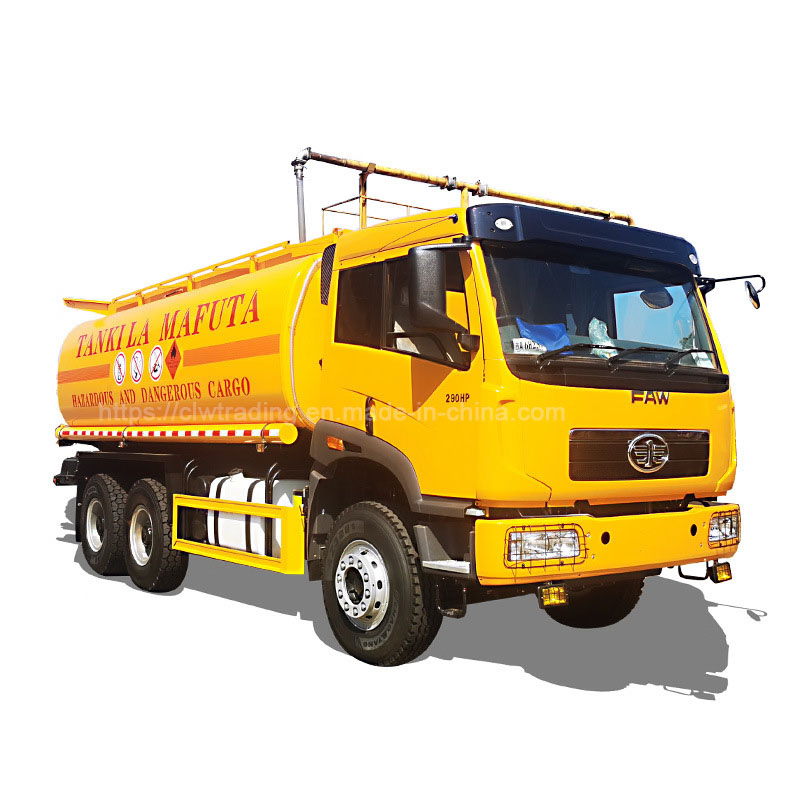
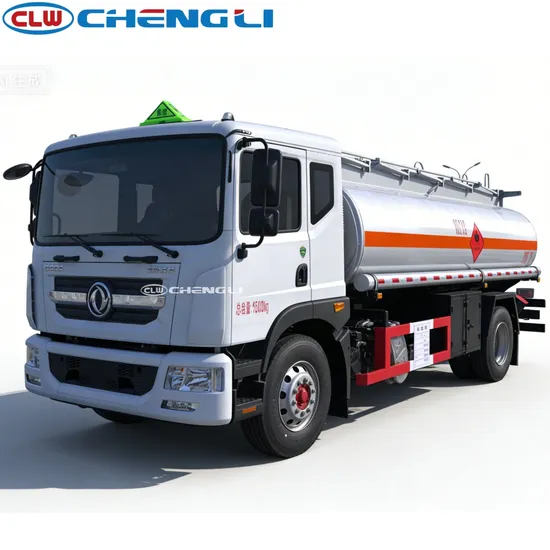
Fuel tankers on CLW pages
These trucks differ in tank size, compartments and pump set-up, so the handover file for each will look different:
- Dongfeng Dolica D9 4x2 Fuel Bowser with Dispenser, 12,750 Litre Tank: a medium bowser with a dispenser for site refuelling.
- Dongfeng 4x2 Fuel Bowser with Dispenser, 3 to 5 m3 Tank: a small bowser for generators and site plant.
- Foton 4x4 Light Fuel Bowser with Dispenser and Flow Meter, 141 hp: four-wheel drive with a meter for rough roads.
- Foton Aumark 4x2 Fuel Tanker, 12,000 Litre Tank, Cummins 210 hp: a rigid tanker for town deliveries.
- FAW 6x4 Fuel Tanker 24 m3 with Six Compartments and Weichai WP10 Engine: six compartments for multi-stop depot runs.
- FAW 6x4 Fuel Tanker, 20,000 Litre Tank, Bottom Loading, 220 kW: bottom loading for depots that use it.
- HOWO 6x4 Fuel Tanker Truck 16,000 Litre with WD615 Engine and PTO Pump: a PTO-driven pump for self-unloading.
See all fuel tankers, and the tanker semi-trailers for longer hauls. To discuss a tanker set-up, use the contact page.