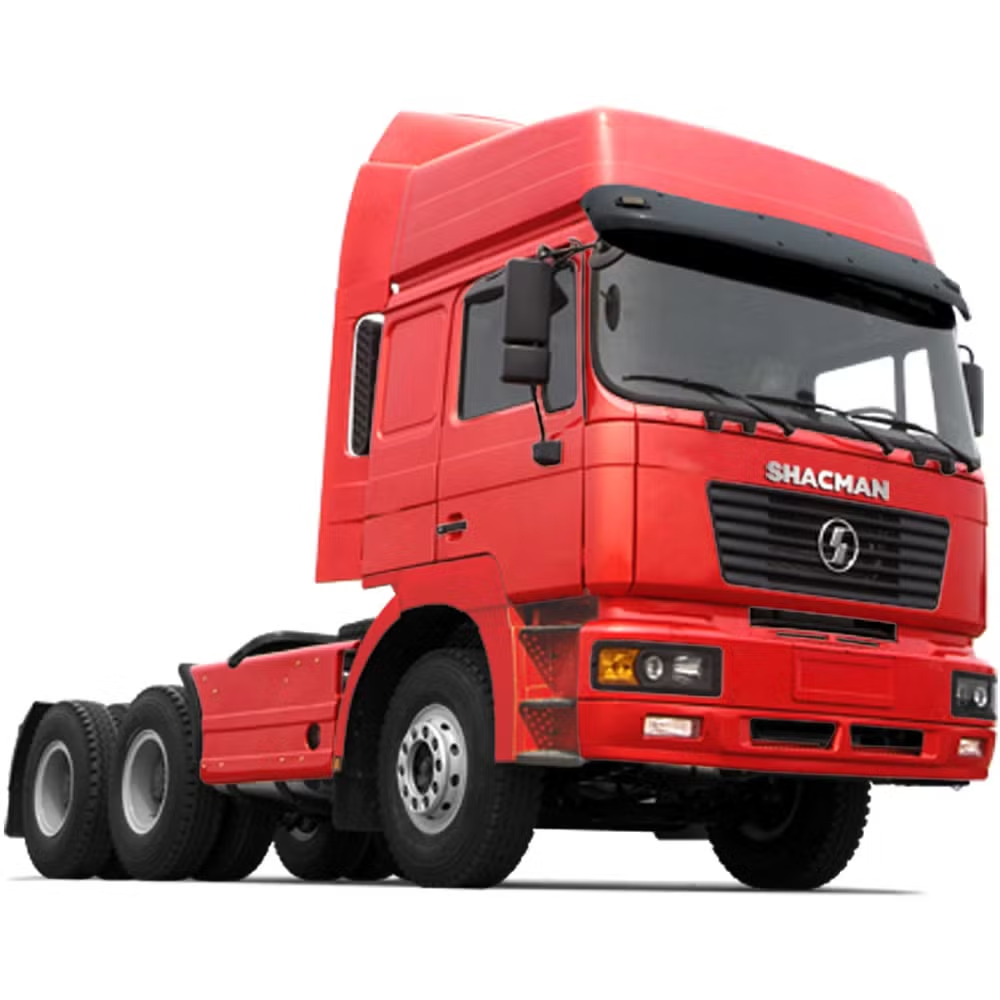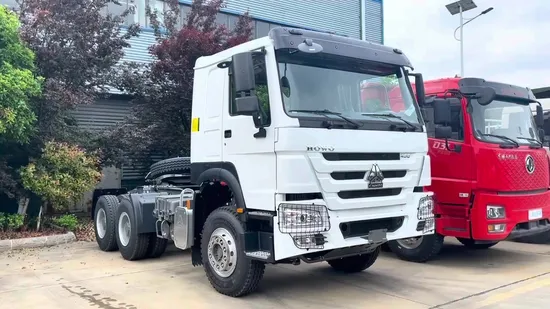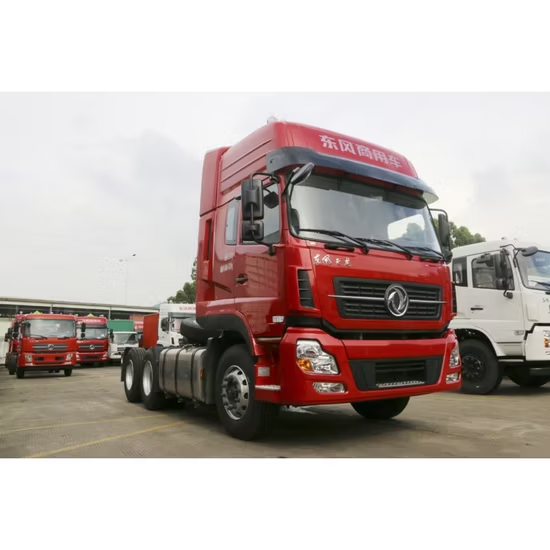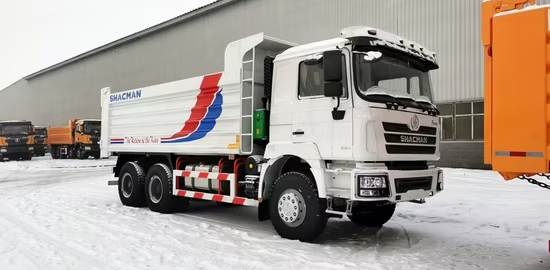
Six habits often shorten a truck life and raise risk: overtaking without warning, following too closely, handling drinks while moving, using a phone while driving, setting off with an empty washer bottle and ignoring tyres. Each fix is simple and costs little. On long, hot and rough routes, these fixes protect the driver, the load and the truck.
Why habits matter more on long routes
Trucks rarely fail from one big event. Wear and accidents usually come from small habits repeated every day. In many African countries, routes are long, towns are far apart and help can be hours away. Roads mix trucks with buses, motorbikes, pedestrians and animals. Heat, dust and broken surfaces add stress. A mistake costs more when the nearest workshop is far away.
Drivers also switch between trucks of different sizes. A driver used to a light truck needs time to learn the stopping distance of a loaded 6x4 tipper or a prime mover with a trailer.
1. Overtaking without warning
Look well ahead and behind before you pull out. The truck ahead may also be about to overtake. A car behind may be pulling out at the same time. Signal early and use the horn, and flash the lights if needed, so the driver ahead knows your plan. Once you commit, move decisively. Check the mirror before you return to your lane.
When you are being overtaken, hold your lane and speed. A large truck passing close can push air between the two vehicles. Keep a firm grip and watch the road ahead.
2. Following too closely
A loaded truck needs far more distance to stop than a car. Keep a gap that lets you stop safely, and make it larger as speed, load or rain increase. Do not sit behind another large truck for a long time. It blocks your view, and some trucks have weak or broken tail lights. On gravel roads, a bigger gap also keeps you out of the dust cloud and away from thrown stones.
3 and 4. Drinks and phones on the move
Opening a bottle with one hand while steering takes your eyes off the road. Prepare drinks before you leave, using a bottle with a push cap or a straw. On hot routes, plan water at rest stops so you do not reach for it while moving.
Phone use is a major hidden cause of crashes. If a call comes, slow down and stop in a safe place before you answer or call back. Follow the traffic rules on your route.
5 and 6. Empty washer bottle and unchecked tyres
Spray, mud and dust from other vehicles smear the windscreen. Wipers alone make it worse. Check before each trip that the washer bottle is full and the jets work. If the glass smears, check the road is clear, slow down and use the washers with the wipers until the glass is clean.
Heat, speed and heavy loads make tyre failure more likely. Before each trip, check all tyres, including the spare. Set pressures from the tyre maker or chassis maker manual. At rest stops, walk around the truck and look for cuts, bulges and leaks. Repair a leak at once. If a tyre bursts, do not brake hard. Hold the wheel firmly, slow down gradually and move to the side of the road.
A short pre-trip routine
| Check | What to look for |
|---|---|
| Lights, indicators and horn | All working and clean of dust |
| Washer and wipers | Bottle full, jets clear, blades not torn |
| Tyres and spare | Pressure, cuts, bulges and wheel nuts in place |
| Water and rest plan | Drinking water on board and stops planned |
| Faults from the last trip | Reported and fixed before departure |
Ask drivers to report faults and near misses in writing. A simple record helps the fleet owner see repeat problems early.
Trucks for long routes and site haulage
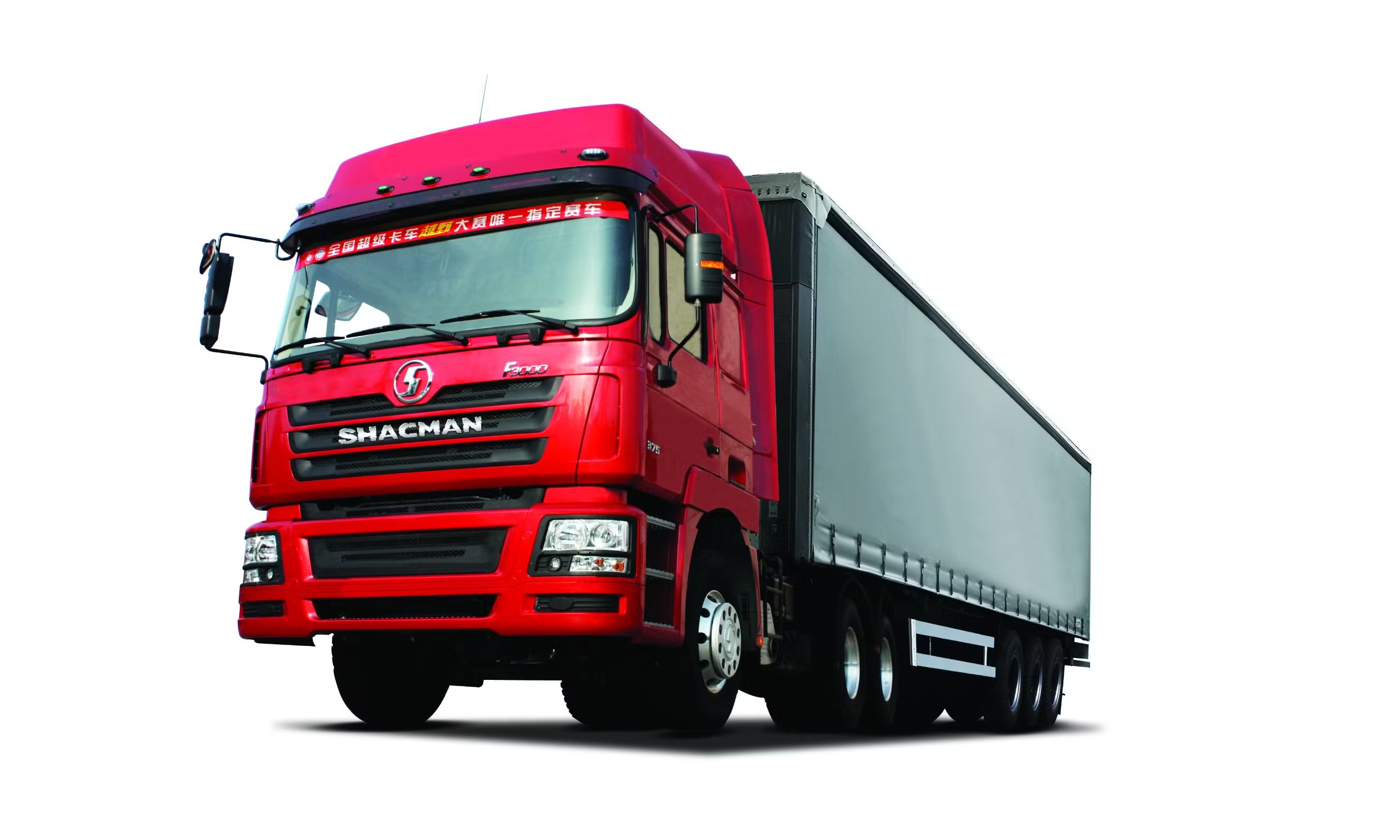
- Shacman F3000 6x4 Prime Mover, 340 hp: long-haul trailer work.
- Shacman F2000 6x4 Tractor Head with Sleeper Cab: overnight routes with a rest bunk.
- Sinotruk HOWO 6x4 Prime Mover, 430 hp: heavy loads on corridor routes.
- Dongfeng 6x4 Truck Tractor, 420 hp: regional and cross-border haulage.
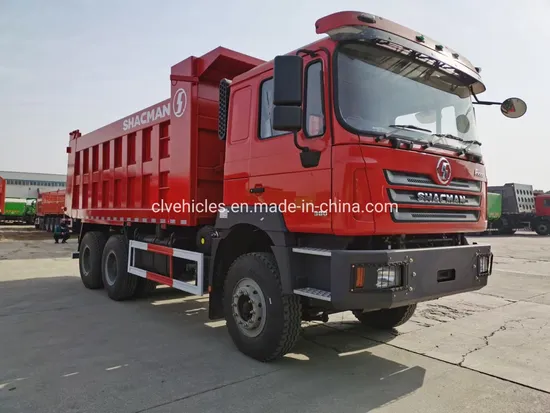
- Shacman F3000 Tipper Lorry, 380 hp: quarry and mine roads.
- Shacman F3000 6x6 All-Wheel-Drive Tipper: soft and steep site tracks.
Browse all prime movers and semi-trailers and tipper trucks. For background, read what a tractor head is and the prime mover and semi-trailer buying guide. To discuss a truck for your routes, contact CLW.