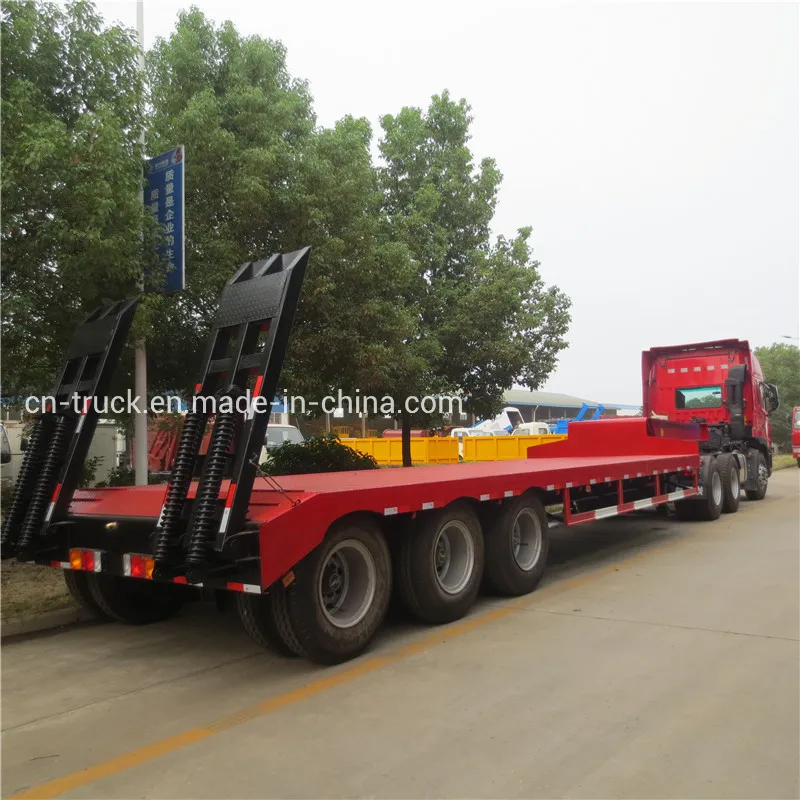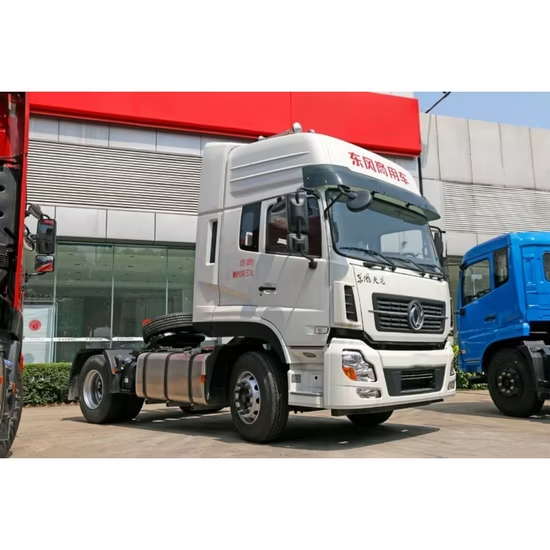
Before you order a prime mover and semi-trailer, decide six things in writing: a 4x2 or 6x4 horse with enough power for your route and load, a fifth wheel and kingpin that match, the trailer type, the number of axles for your legal axle loads, matching tyres and brake couplings, and any permits the rig will need. Remember that a semi-trailer has no drive side; only the prime mover is LHD or RHD, so the same trailer works in any country.
In Kenya, Uganda and Tanzania the tractor unit is usually called a prime mover. In South Africa, Zimbabwe, Zambia, Botswana and Mozambique it is a horse or truck tractor, and the rig is a horse and trailer. In Nigeria and Ghana buyers often say trailer head and call the whole rig a trailer.
1. Route and load decide the horse
The prime movers supplied through CLW are complete Dongfeng and Sinotruk tractor units; CLW builds the trailers. Choose the horse for the heaviest load and the hardest part of the route, not the average trip.
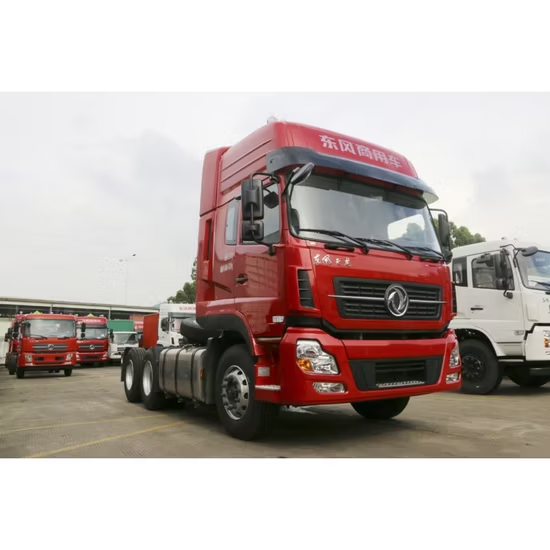
- 4x2 horse: one drive axle, lighter and cheaper to run, for flat tarred roads and lighter loads, such as the Dongfeng 4x2 tractor head, 340 hp.
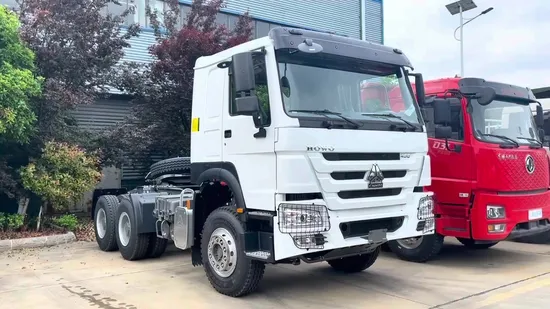
- 6x4 horse: two drive axles for full fuel tankers, containers, hills, gravel and mine roads, such as the Dongfeng 6x4 truck tractor, 420 hp or the Sinotruk HOWO 6x4 prime mover, 430 hp, sleeper cab.
Ask for the engine power and torque, the rated gross combination weight, and whether a day cab or sleeper cab suits your trip length.
2. Fifth wheel height and kingpin size
The fifth wheel on the horse and the kingpin on the trailer must match. Kingpins come in 2 inch and 3.5 inch sizes, and a 2 inch kingpin will not lock safely in a 3.5 inch fifth wheel. The fifth wheel height must also suit the trailer coupling height so the trailer runs level when loaded. Ask for the kingpin size and coupling height of the trailer and the fifth wheel make, size and height of the horse, and put both in the quotation.
3. Gearbox and axle ratio
A 12-speed gearbox gives more steps for climbing loaded, while the rear axle ratio sets the balance between pulling power and road speed. A lower (numerically higher) ratio suits heavy loads and hills; a higher ratio suits long flat highway runs. Tell us your load, typical speed and steepest climbs, and ask which ratio is fitted.
4. Choose the trailer type
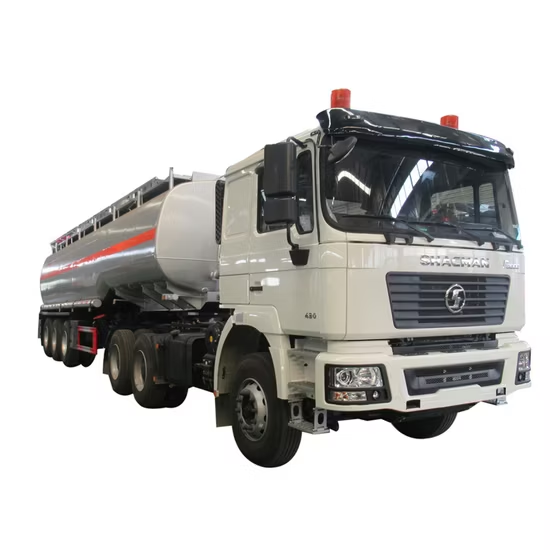
- Fuel tanker trailer: for diesel and petrol, such as the CLW 3-axle carbon steel fuel tanker semi-trailer or the tri-axle 30-40 m3 tanker with FUWA axles.
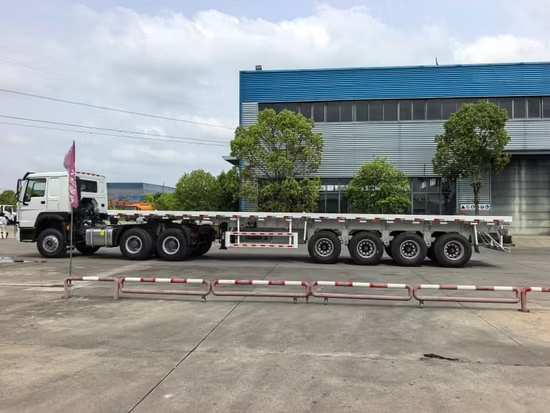
- Flatbed or container trailer: with twist locks for 20 ft and 40 ft containers, such as the CLW four-axle container trailer with 12 twist locks. Confirm the number and position of twist locks for your container mix.
- Lowbed: for excavators, dozers and other plant, such as the CLW three-axle low bed semi-trailer. Ask for deck height, ramp type and the machine weight it is built for.
- Liquid tank trailer: for water and other liquids, such as the tri-axle 46 cbm liquid tank semi-trailer. Tell us exactly what liquid it will carry.
5. Number of axles and legal axle loads
More trailer axles spread the load, but each country sets its own axle load and gross combination limits, and these change. Check the current limits with your local authority or clearing agent, then choose two, three or four axles to suit. Ask for the rated load of each axle and the tare weight of the trailer.
6. Axles, suspension and tyres
CLW trailers commonly use FUWA axles, as on the CLW 40 ft flatbed with 16 x 12R22.5 tyres. Ask for the axle brand, rated capacity and suspension type (mechanical leaf spring or air). Try to order the same tyre size on the horse and the trailer so one spare and one tyre stock serve both.
7. Tanker compartments and tank material
Ask how many compartments the tanker trailer has, the volume of each, and the number of baffles. Carbon steel costs less and is easy to repair locally; aluminium, as on the CLW 3-axle aluminium fuel tanker semi-trailer, is lighter and does not rust but needs specialist welding. Ask for plate thickness, valves, manholes and earthing fittings in the quotation.
8. Brakes, ABS and couplings
- Is ABS fitted on the trailer, and is it compatible with the horse?
- Which air coupling heads and which electric socket (pin count and voltage) are fitted on each unit?
- Are spring brake chambers fitted for parking, and is a landing gear brand stated?
9. Permits and local rules
Lowbed loads that are over width, height or weight usually need abnormal load permits and sometimes escort vehicles. Fuel tanker trailers may need dangerous goods approval. Rules differ by country, so check with your local authority and clearing agent before ordering. The Tanzania and Zambia pages give a starting point.
Prices and next steps
Prices shown are reference prices (FOB China, ex-factory list), and the horse and trailer are priced separately. The final price depends on horse, trailer, axles, tyres, fittings, drive side and shipping, and is fixed in the written quotation. See the semi-trailer and prime mover price guide, browse semi-trailers and prime movers, fuel tankers or cargo trucks. Confirm the drive side of the horse on the drive side by country page, read how to buy, and send your answers through the contact page.