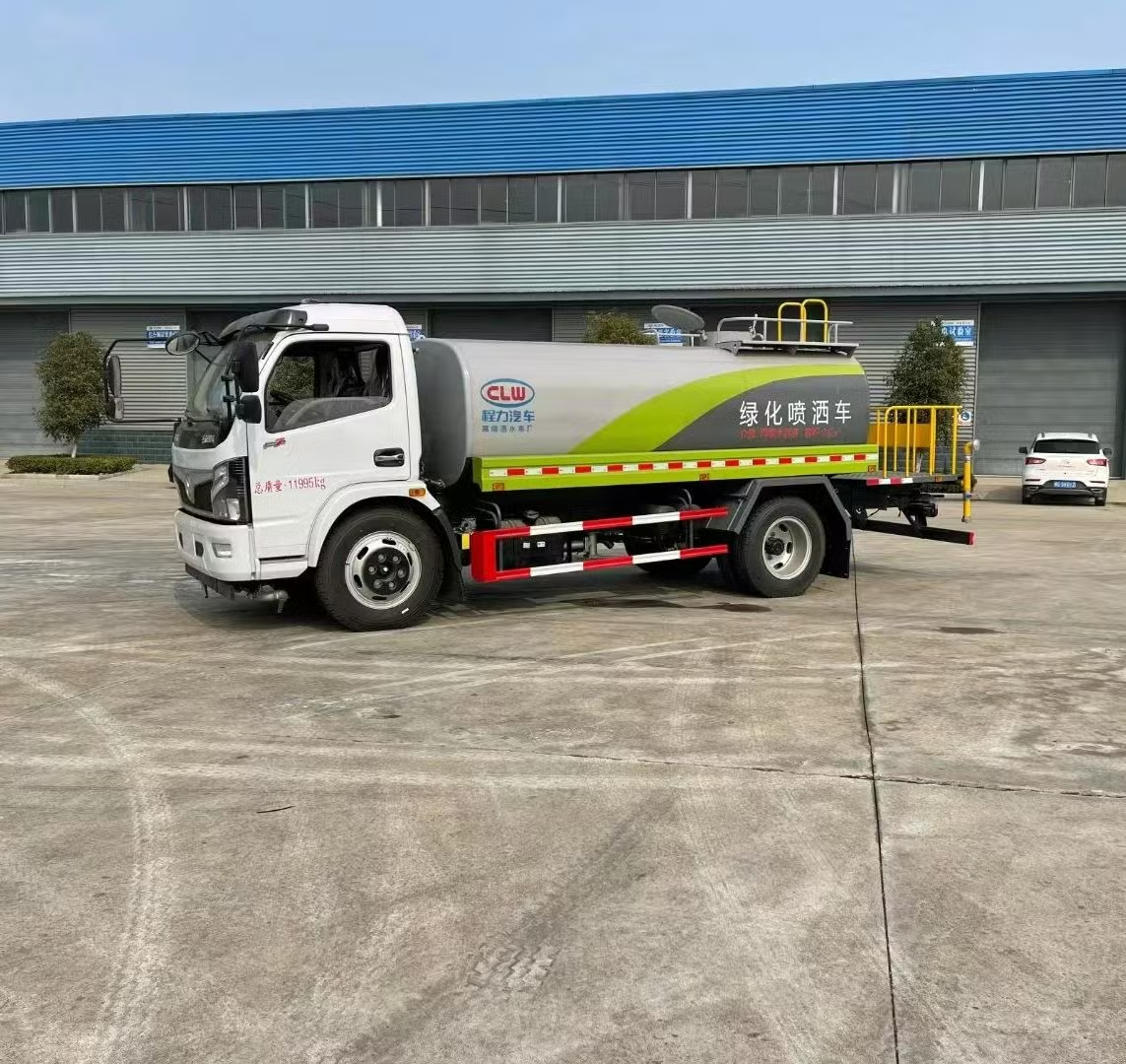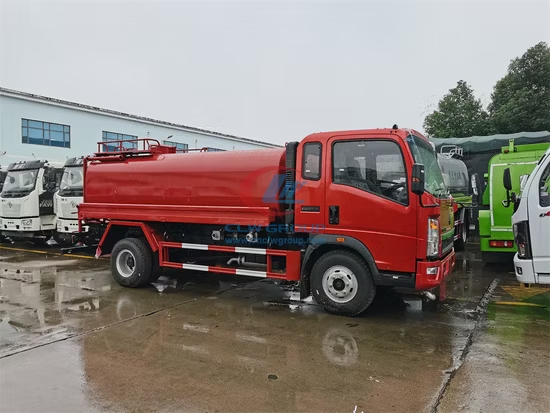
You control the spray on a water bowser with three things. The hand throttle sets engine speed and so pump speed. The valves choose the outlet. The nozzle setting shapes the spray. Put down only enough water to settle the dust or wash the surface. Too much water makes mud and runs off, and too little does not hold the dust down.
Start from the surface and the weather
There is no single right flow rate. A dry haul road in the afternoon needs more water than a road that is still damp from rain. Loose soil or gravel on a paved road should be swept or flushed off first. If you only spray it, the dirt turns to mud and later dries into fresh dust. On clay or soft murram roads, heavy watering can make the surface slippery for other vehicles. Start light, watch the result over a few passes, and then adjust.
What sets the amount of water
| Control | What it changes | Practical note |
|---|---|---|
| Hand throttle | Pump speed, and so flow and pressure | Raise it slowly and stay within the pump maker limit |
| Driving speed | Water put down per metre of road | Slower driving wets the same width more heavily |
| Valves | Which outlet is open | Open the outlet you need and close the others |
| Nozzle setting | Spray width and droplet size | Wide fan for coverage, narrow jet for washing |
| Pump size | The upper limit of flow | Fixed when you order the truck |
The pump sets the ceiling. Its flow appears on the truck page, for example 40 m3 per hour on the HOWO 8,000 litre bowser and 60 m3 per hour on the FAW JH6 6x4. Write the pump model and flow in the truck file so drivers know the limit.
Choose the right outlet for the job
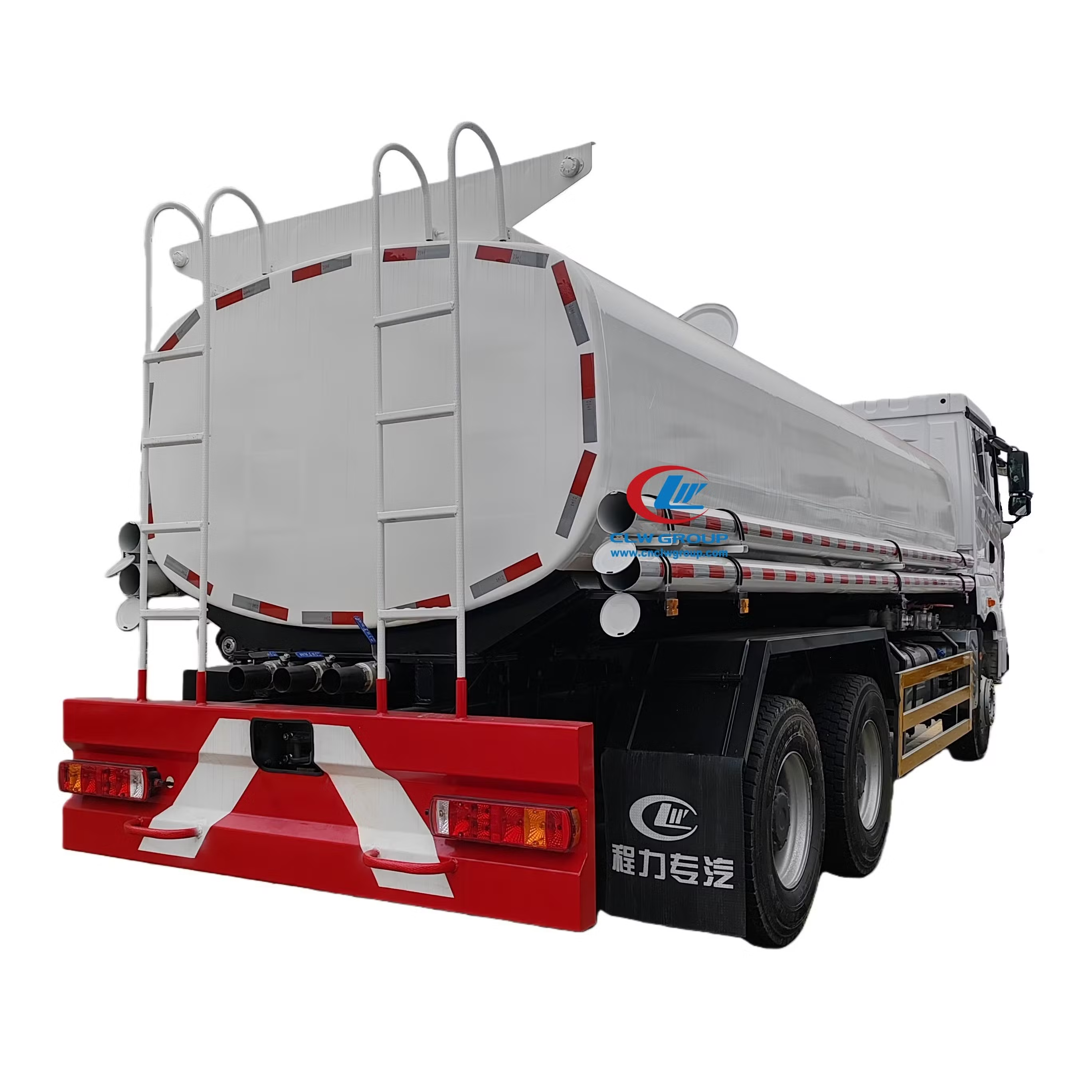
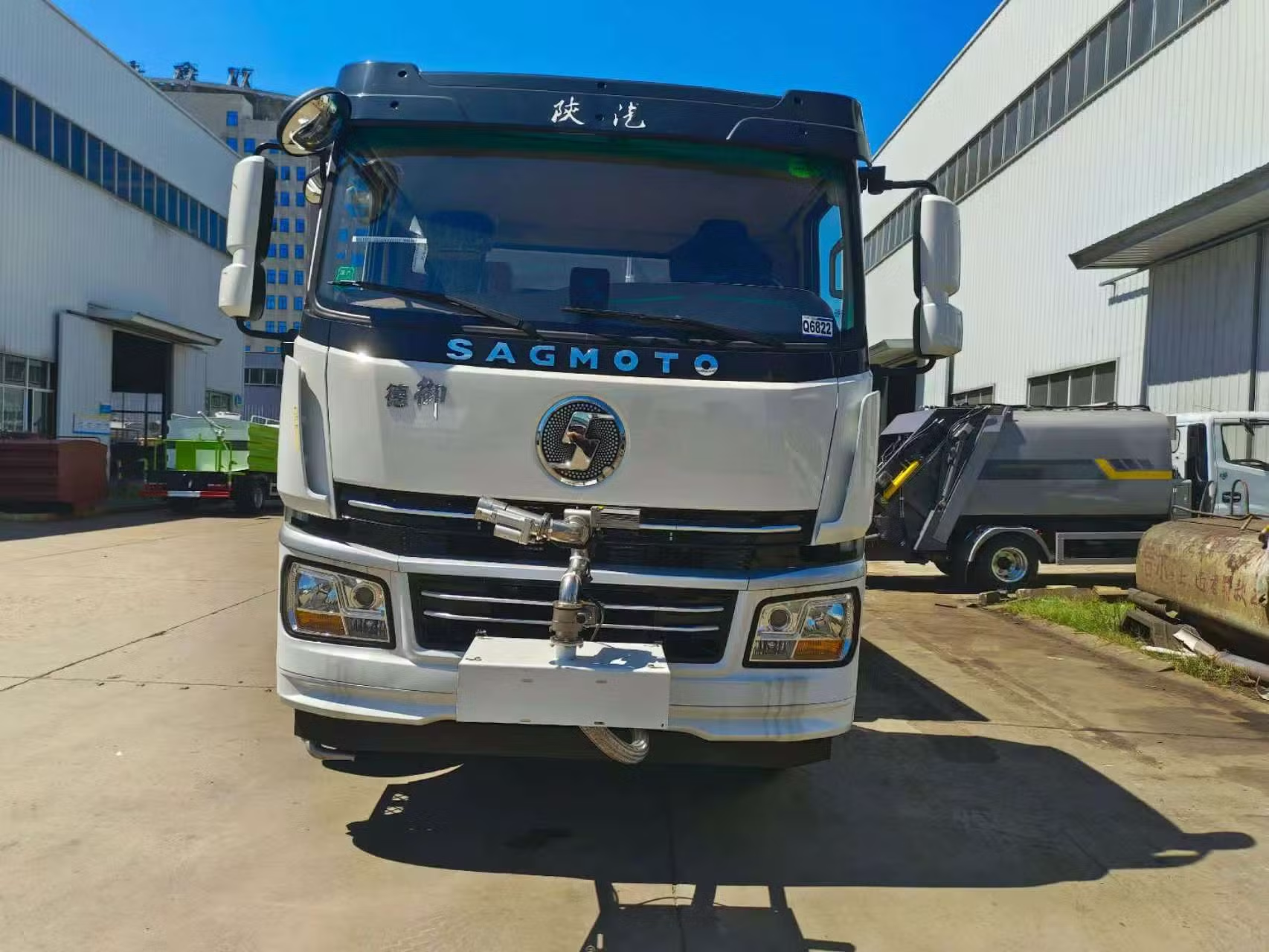
- Front flush: low, strong jets that push dirt off paved roads. Use it for road washing.
- Rear spray: a wider, gentler fan. Use it for dust control and for wetting fill before compaction. Close the front line while the rear bar is in use.
- Side spray: wets road edges and verges without soaking the centre of the road.
- Water cannon: switch between a solid jet for washing and a spray for trees and plants.
Follow the valve order in the equipment manual. Do not run the pump with every outlet closed. Do not slam valves open or shut while the pump is at high speed.
Engage and stop the pump safely
- Stop the truck, apply the hand brake and put the gearbox in neutral.
- Check that the PTO switch is off and the hand throttle is at minimum, then start the engine.
- Wait until air pressure reaches the level stated in the manual.
- Press the clutch, switch the PTO on, and release the clutch slowly.
- Raise the hand throttle until the spray looks right.
- To stop, lower the throttle to minimum, press the clutch and switch the PTO off.
Engage the PTO only with the truck stopped, both for filling and before spraying. Do not reverse while spraying. A fast clutch release can damage the PTO and gearbox. Our guide What Is a PTO on a Truck? explains how the drive works.
Keep the water clean at the source
River and dam water often carries sand, silt and leaves, mainly in the rainy season. Keep the strainer on the end of the suction hose, and keep the hose end fully under water. In a shallow stream, dig out a small pit first so the hose does not suck air. A centrifugal pump needs priming water each time. A self-priming pump needs it at first use. Check hoses for splits and clamps for tightness, because any air leak stops suction.
What to record for the workshop
- Date, site and the outlet used.
- Uneven spray, blocked nozzles or weak pressure, and which nozzle.
- Time taken to fill the tank compared with normal.
- Leaks at valves, joints or the pump seal.
- Sand found when the tank drain was opened.
Clean the strainer and open the tank drain more often in dusty, silty conditions. Carry spare strainers and hose clamps when the workshop is far away. A laminated card in the cab with the PTO and valve order helps when drivers change trucks.
Water bowsers with different spray layouts
- HOWO 4x2 Water Sprinkler Bowser, 8,000 Litres, 40 m3/h Pump: front sprays of 12 to 16 m with manual or automatic control.
- FAW JH6 6x4 Water Bowser with 390 hp Xichai Engine and 60 m3/h Pump: front, rear and side nozzles plus a turning cannon.
- Shacman 6x4 Water Bowser, 25 Tonne GVW, Front Flush and Rear Spray: cannon with jet, rain and mist modes.
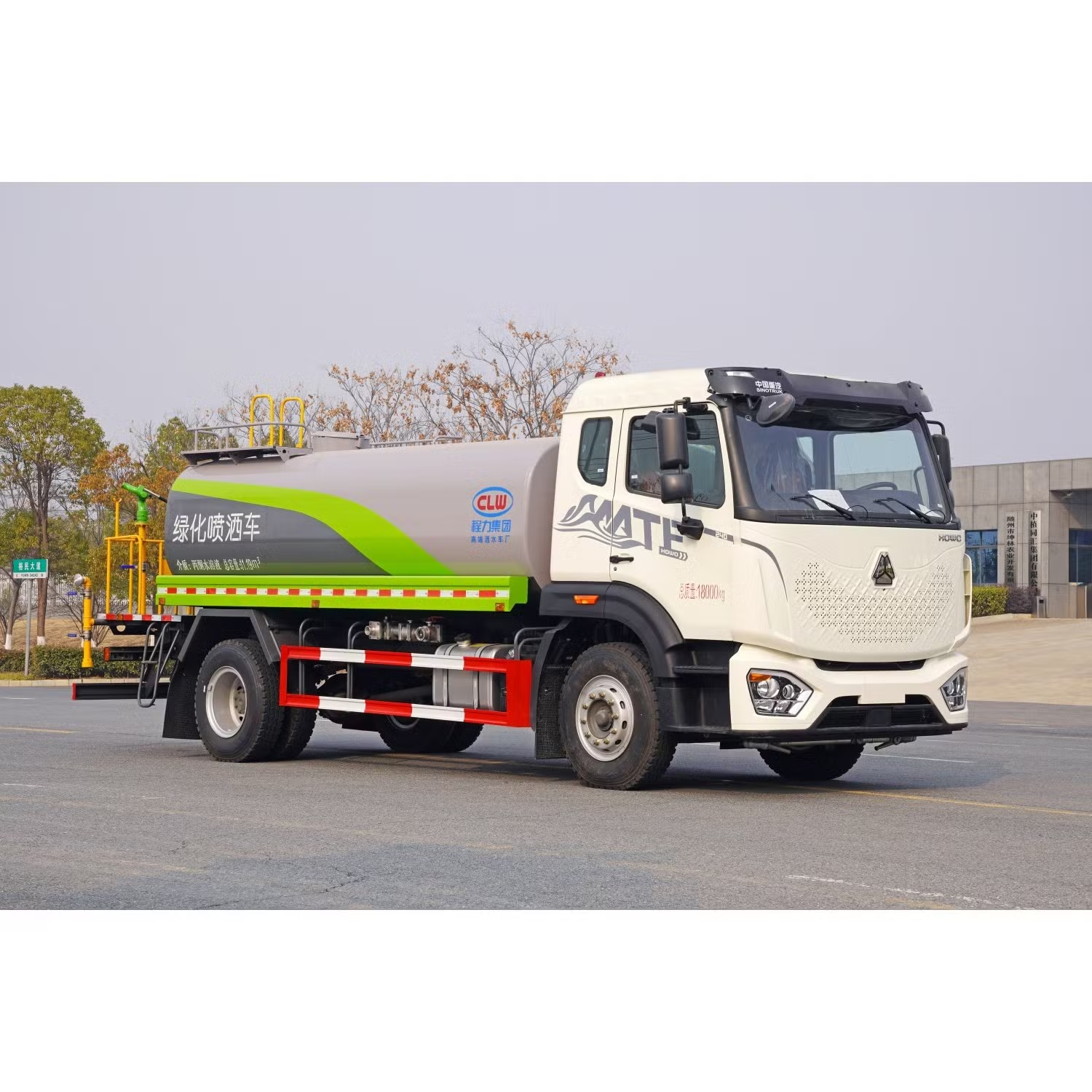
- Sinotruk HOWO 4x2 Water Bowser for Dust Suppression and Greening: front, rear and side outlets for town roads and verges.
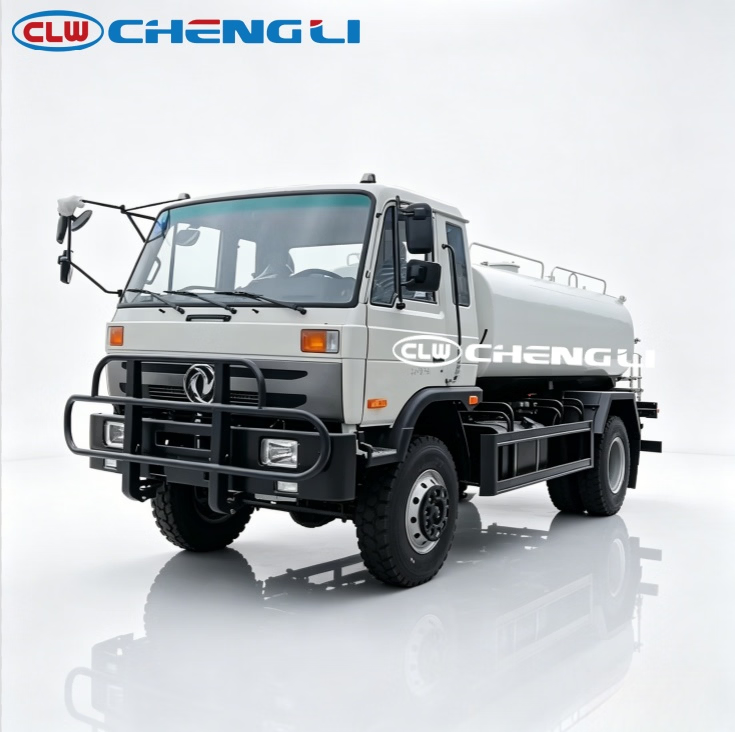
- Dongfeng 4x4 Off-Road Water Bowser, 9,280 Litre Tank: rear suction nozzle to fill on site, for rough access.
- 4x2 Water Bowser with Front Flushing, Rear Spraying and Self-Filling Pump: simple layout for small contractors.
Browse all water bowsers and the road sweepers that pair with them on city roads. For the parts behind the controls, read how a water bowser works and the guide to pump and spray options. To discuss a spray layout, contact CLW.