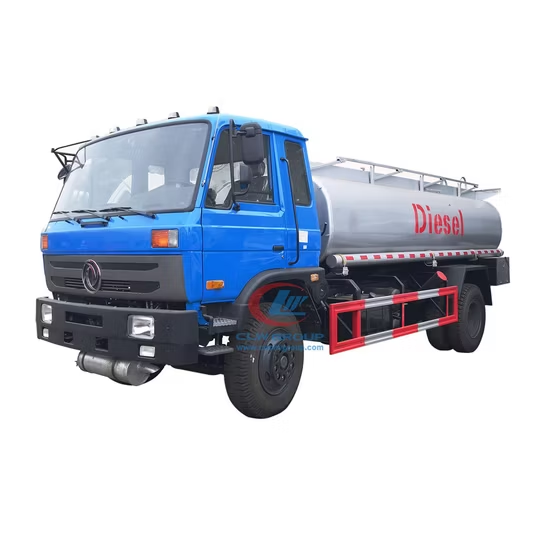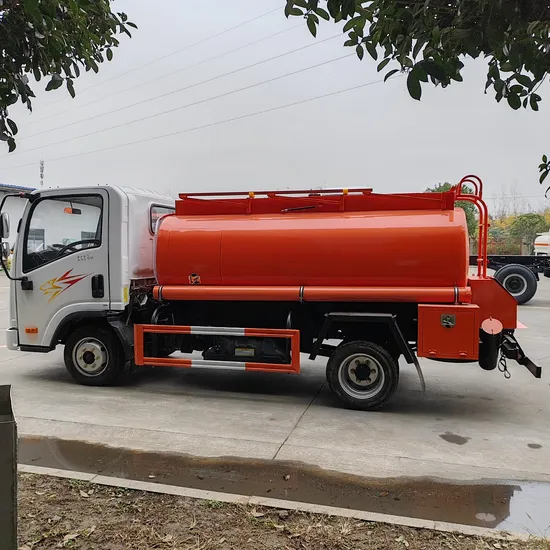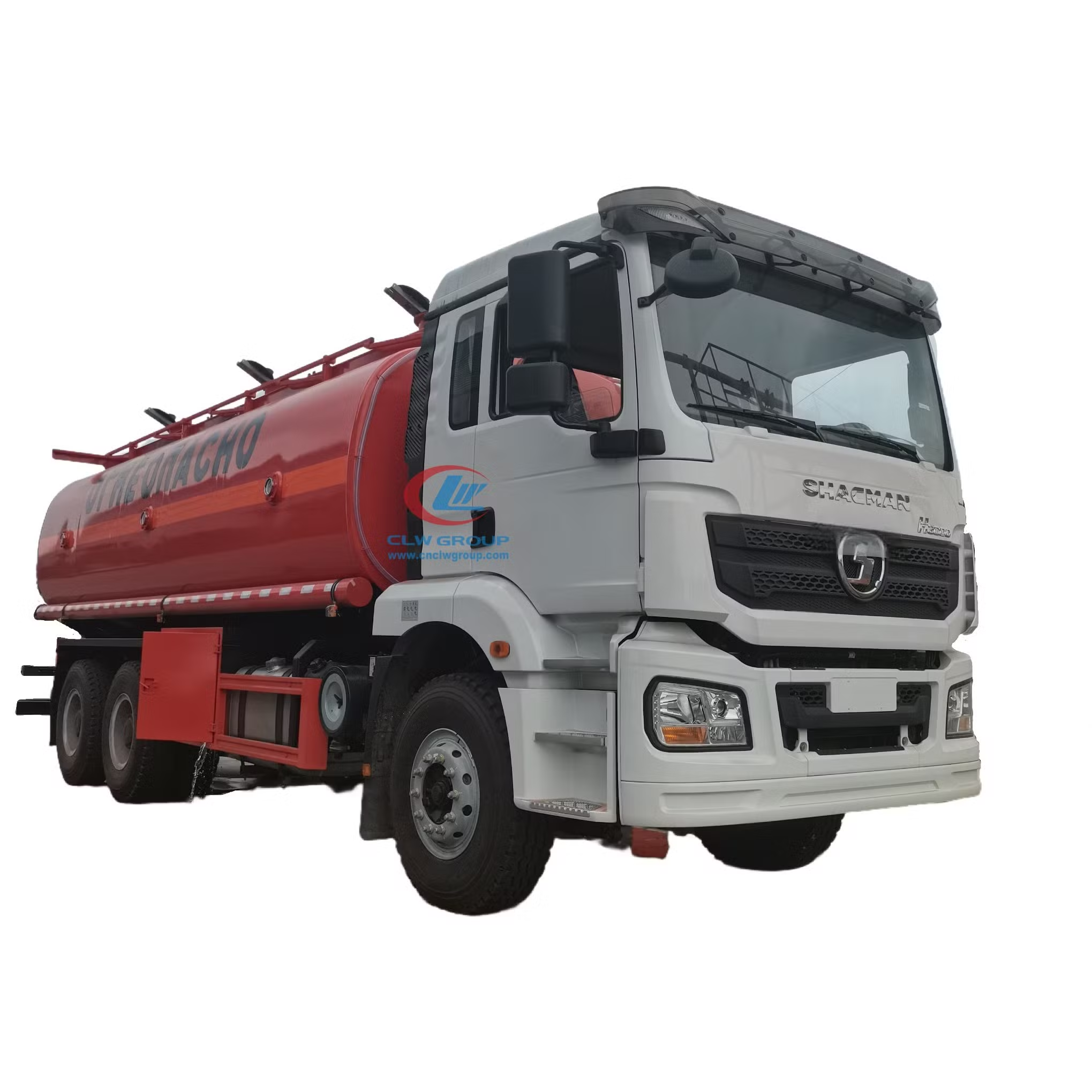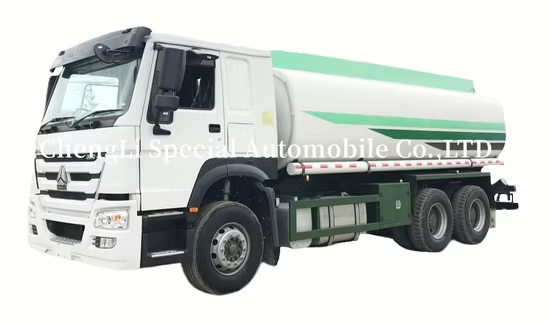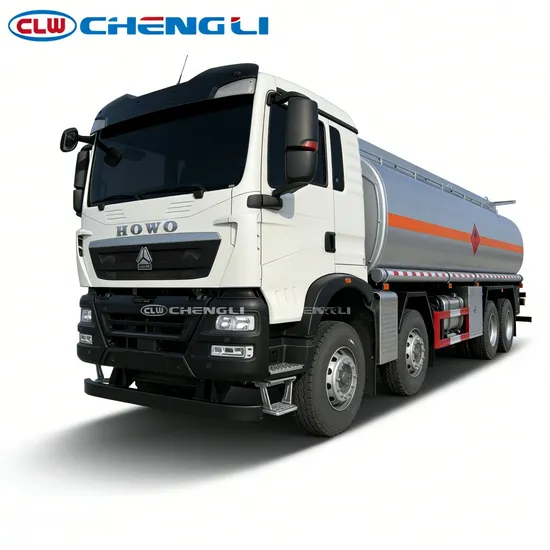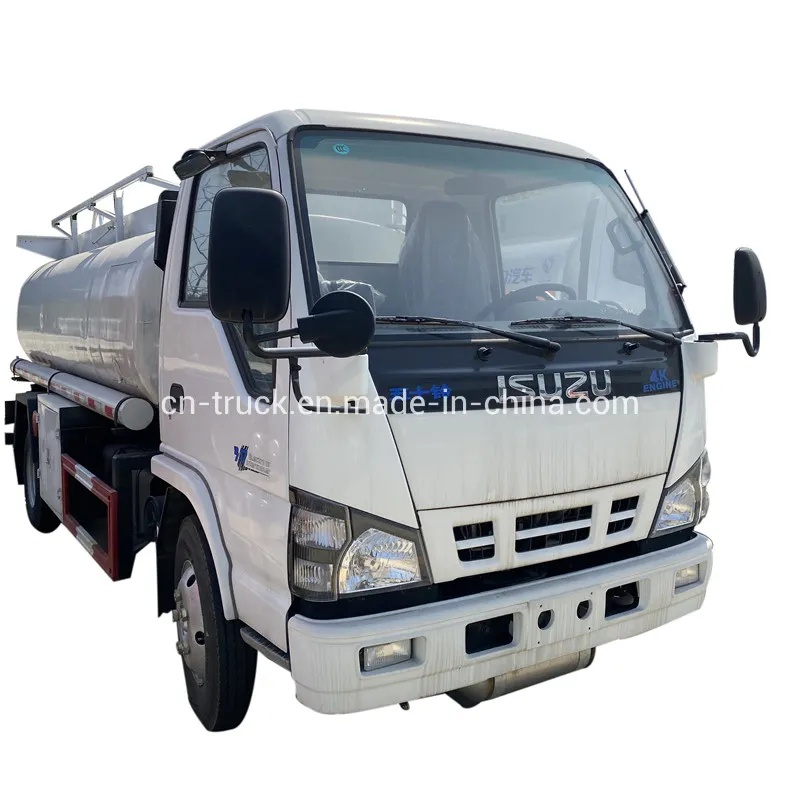
For depot to station work in Kenya, most buyers choose between three sizes. A 4x2 tanker of 10,000 to 12,000 litres suits town stations and short runs around Nairobi. A 6x4 tanker of 18,000 to 25,000 litres suits longer runs from Mombasa or the inland depots. A prime mover with a tanker semi-trailer of 40,000 litres or more suits long trips on the Northern Corridor. Kenya drives on the left, so order a right-hand drive (RHD) truck.
How fuel moves from depot to station in Kenya
Fuel comes into Kenya by sea at Mombasa. Most of it then travels by pipeline to inland depots in Nairobi, Nakuru, Eldoret and Kisumu. Tankers load at these depots and carry the fuel to filling stations, farms, factories and building sites. Some fuel also leaves Mombasa by road, for the coast and for long trips inland.
So the job decides the truck. A tanker that serves stations inside Nairobi makes several short trips a day in heavy traffic. A tanker that runs from Eldoret to stations in the west makes fewer and longer trips. A prime mover and trailer on the Northern Corridor, from Mombasa through Nairobi and Eldoret towards Malaba, spends long days on the road.
Tanker size by route
| Route type | Truck | Tank size |
|---|---|---|
| Town stations, farms and sites in Nairobi, Kisumu or Eldoret | 4x2 rigid tanker | 5,000 to 12,000 litres |
| Depot to stations within one region | 6x4 rigid tanker | 18,000 to 25,000 litres |
| Heavy regional runs on good roads | 8x4 rigid tanker | 25,000 to 30,000 litres |
| Mombasa to Nairobi and long Northern Corridor trips | 6x4 prime mover with a 3-axle tanker semi-trailer | 40,000 to 48,000 litres |
A bigger tank means fewer trips for the same fuel. But it also needs stronger roads, bigger station forecourts and a driver with the right licence class. Check the axle load limits on your route before you choose the size. A full tanker that is too heavy for a county road can be stopped at a weighbridge.
Compartments, pumps and safety fittings
A station often orders petrol and diesel in the same delivery. A tanker with several compartments can carry both without mixing them. Three to six compartments is common for station work. A single compartment suits a tanker that only carries diesel to one mine or factory.
- Bottom loading: the tank fills from below through couplings at the side. Many depots prefer it because it is cleaner and safer than top loading. Ask your depot which system it uses.
- Vapour recovery: a pipe system that returns fuel vapour to the depot or station tank while the truck loads or unloads.
- Pump and flow meter: needed if the truck sells fuel to farms, sites or generators. A station delivery truck often unloads by gravity into the underground tank.
- Emergency valves, earthing cable and fire extinguishers: basic safety items for any fuel tanker.
- Tank material: carbon steel costs less. Aluminium is lighter, so the truck can carry more fuel at the same gross weight.
For a full list of fittings, read the fuel tanker buying checklist.
Rigid tanker or truck and trailer
A rigid tanker has the tank fixed on the truck chassis. It is easier to drive in town and to turn into small station forecourts. It also suits an owner who wants one vehicle to run and insure. A prime mover with a semi-trailer carries far more fuel per trip. The trailer can also wait at the depot while the prime mover does other work. But the pair costs more to buy, needs a heavier licence class and needs more space to turn.
A fleet can run both types. Rigid tankers serve town stations, and truck and trailer sets do the long run from Mombasa.
Recommended trucks
All prices below are the listed reference price (FOB China, ex-factory list), and the written quotation fixes the final price. Each truck below is offered in RHD. The trailer has no drive side and works with an RHD prime mover.
- Isuzu 4x2 Fuel Tanker Truck, 5,000 to 10,000 Litre Tank, 110 hp: for farms, sites and small stations, US$11,000-24,460.
- Dongfeng 153 4x2 Fuel Tanker, 10,000 Litres, Cummins 170 or 190 hp: for town station runs in Nairobi or Kisumu, US$20,000.
- Foton Aumark 4x2 Fuel Tanker, 12,000 Litre Tank, Cummins 210 hp: a larger 4x2 for regional station work, US$26,000.
- Shacman 6x4 Fuel Tanker, 18,000-25,000 Litre Tank, Weichai 300 hp: for depot to station runs from Eldoret or Nakuru, US$37,000-37,800.
- HOWO 6x4 Fuel Tanker 20,000 Litre, Four Compartments with Fuel Dispenser: keeps petrol and diesel apart and can sell by meter, US$41,500.
- Sinotruk HOWO 8x4 Fuel Tanker 30 m3 with Refuelling Pump: for heavy regional runs on good roads, US$50,000-65,000.
- CLW 3 Axle Aluminium Fuel Tanker Trailer, 6 Compartments, 48,000 Litres: for long Northern Corridor trips, US$23,800-45,500.
- Shacman F3000 6x4 Prime Mover, 340 hp WP10 Engine and 12-Speed Gearbox: a prime mover to pull the tanker trailer, US$32,000-45,000.
See all sizes on the fuel tankers page and the trailers on the semi-trailers page. For prices by size, read the fuel tanker price guide.
RHD, Mombasa and EPRA
Kenya drives on the left, so ask for RHD in your first message. The drive side by country page lists other markets. New trucks ship to Mombasa port and then travel by road to Nairobi, Eldoret, Kisumu or your depot.
EPRA (Energy and Petroleum Regulatory Authority) is the body to ask about licences for carrying fuel in Kenya. Ask your clearing agent which licences, tanker inspections and KEBS PVoC (pre-export inspection) papers apply. Your agent can also confirm duty and registration.
How to order
- Tell us the route: town stations, regional depot runs or the Northern Corridor.
- Give the tank size, the number of compartments and the fuels you carry.
- Say whether your depot loads from the top or the bottom, and whether you need a pump and meter.
- Check the specification and written quotation, then confirm RHD, shipping to Mombasa and payment terms.
The full process is on our how to buy page. To ask about a truck, use the contact page.