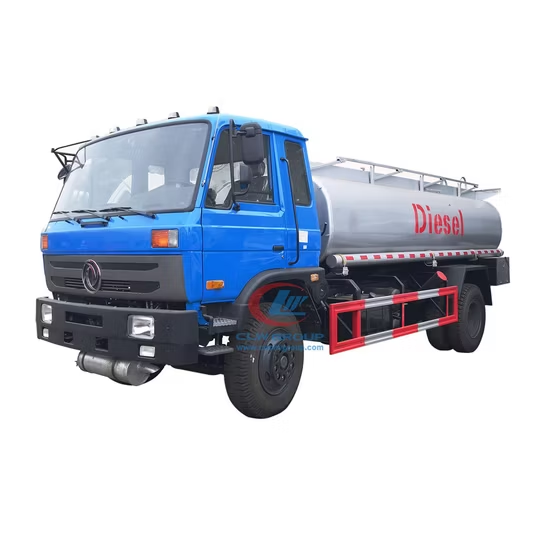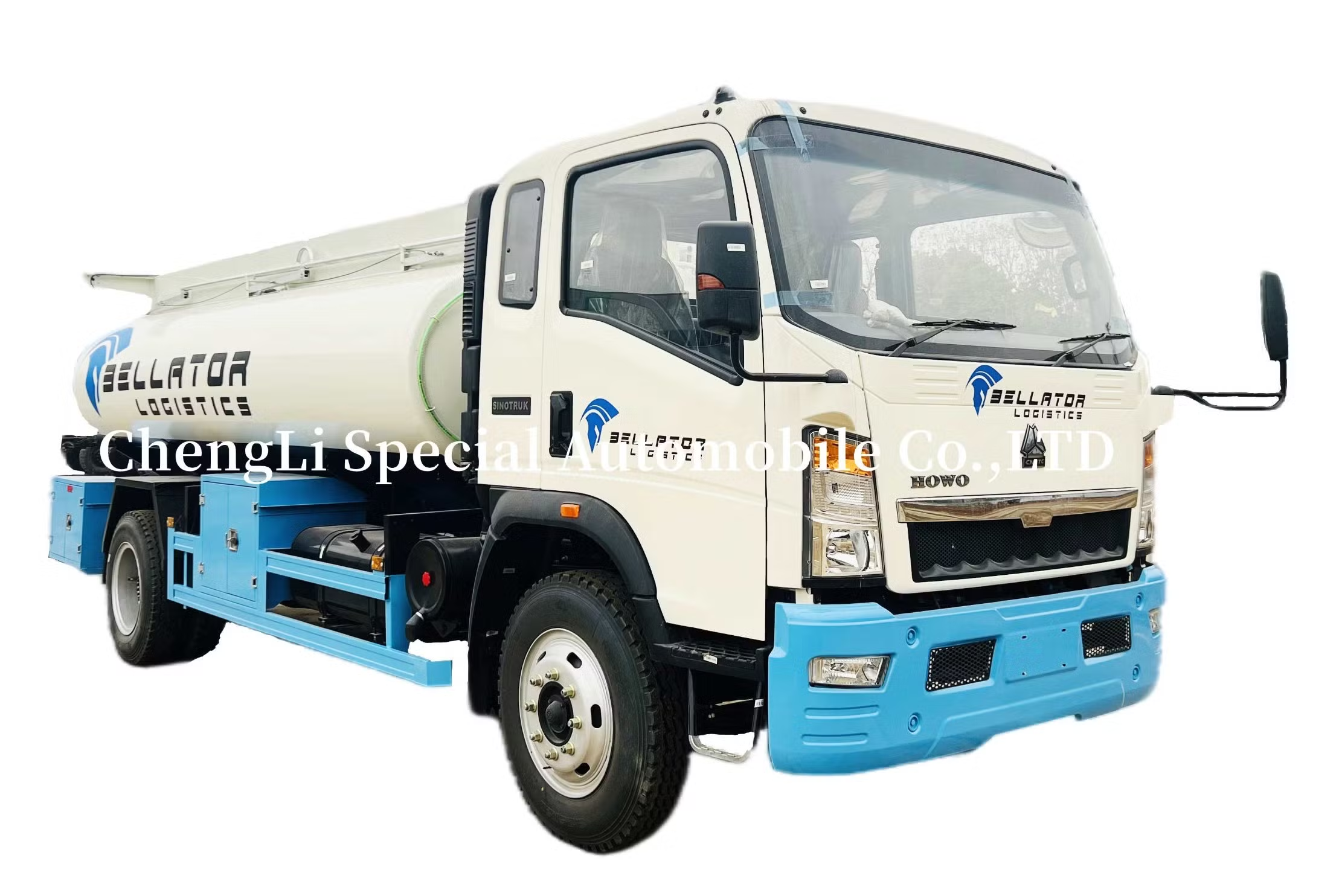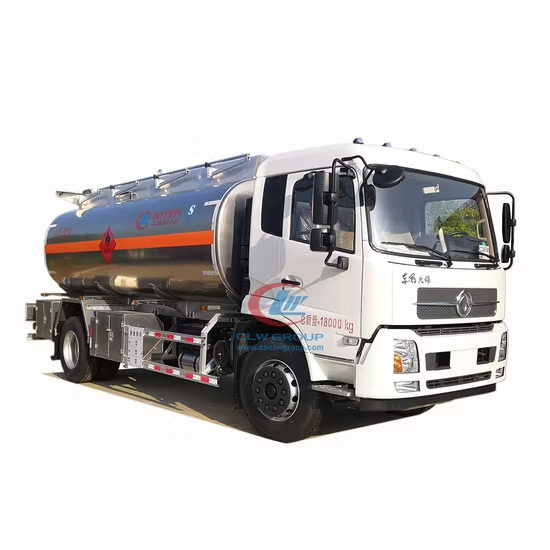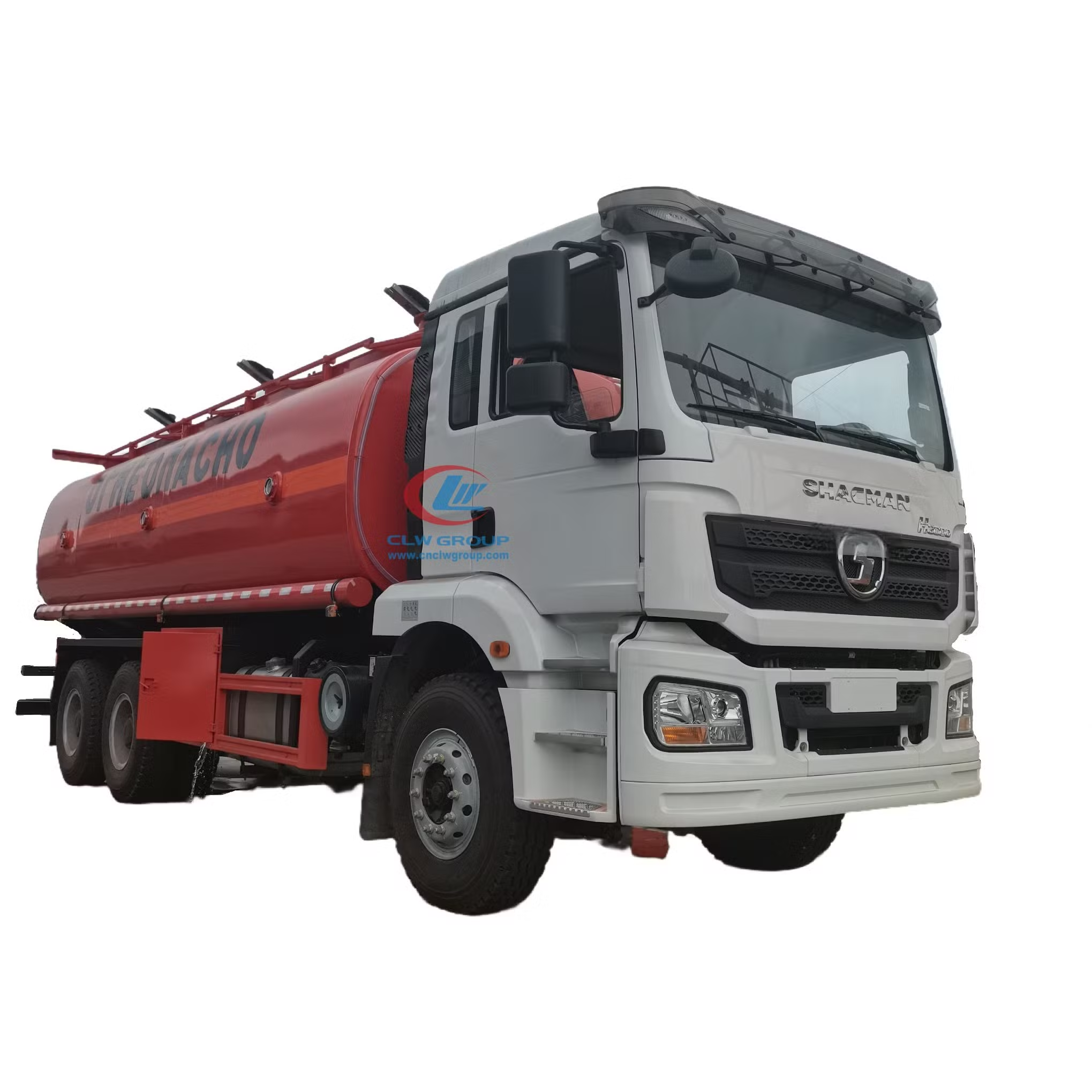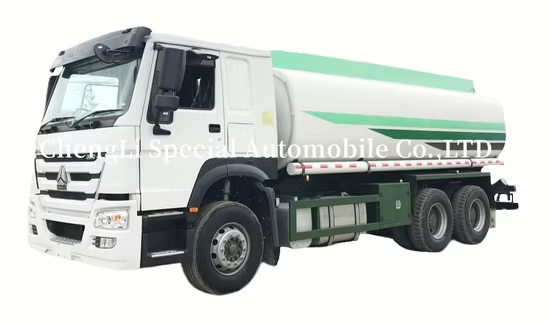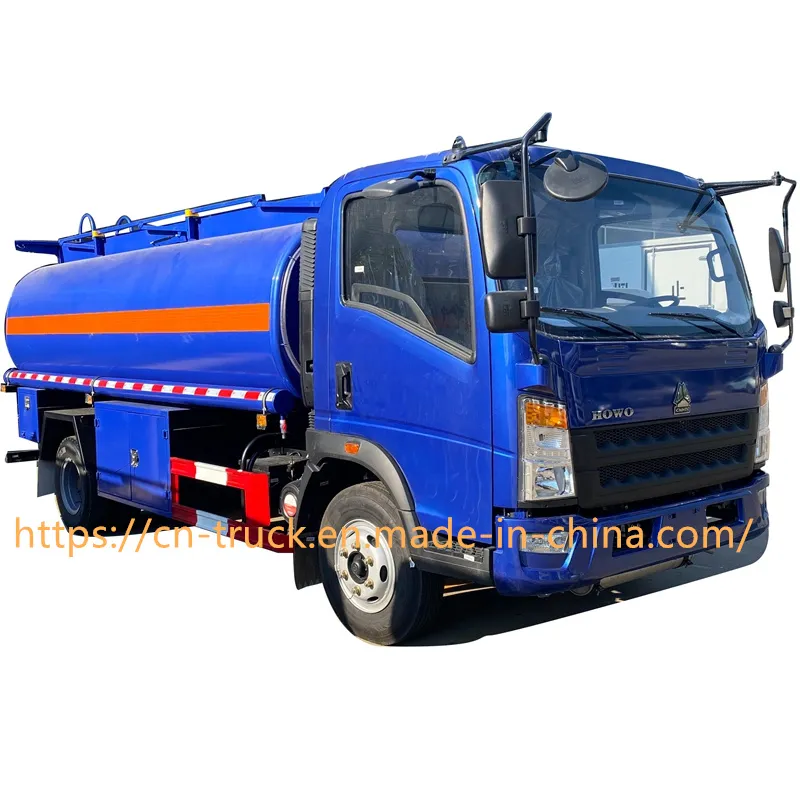
For depot to filling station work in Nigeria, a 6x4 rigid fuel tanker of 20,000 to 25,000 litres suits most dealers. Small stations, town deliveries and site refuelling suit a 4x2 tanker of 10,000 to 15,000 litres. Nigeria drives on the right, so order a left-hand drive (LHD) truck. A rigid tanker turns and reverses more easily than a trailer in busy Lagos streets.
Rigid tanker or tanker trailer
A rigid tanker has the tank fixed on one truck chassis. A tanker trailer needs a separate tractor head to pull it. Trailers carry more fuel per trip on long runs, such as Lagos to Kano. Rigid tankers suit shorter runs, tight station forecourts and town streets. They are also simpler to park and maintain, as there is no coupling or trailer axle to look after.
If you plan long runs from Apapa to the north, read our guide to tanker and flatbed trailers for Nigeria. This page covers rigid trucks only.
Common jobs for rigid fuel tankers in Nigeria
Depot to filling station
Most petrol (PMS) and diesel (AGO) reaches filling stations by road from a depot. Many depots sit in Lagos around Apapa, and others are inland near cities such as Ibadan, Abuja and Kano. A 6x4 tanker of 20,000 to 25,000 litres moves a useful load and still fits most forecourts. A tank with several compartments lets one truck carry petrol and diesel on the same trip.
Diesel for generators, factories and sites
Many factories, hotels, banks and estates run diesel generators. They buy diesel by the truckload. A 4x2 tanker with a pump, flow meter and hose reel can fill their tanks directly and record the volume. The same truck can refuel machines on a building site.
Tank size and chassis at a glance
| Tank size | Chassis | Typical use in Nigeria |
|---|---|---|
| 6,000 to 10,000 litres | 4x2 six-wheel | Generator diesel, small stations and site refuelling |
| 10,000 litres, two compartments | 4x2 with dispenser | Metered diesel sales to several customers |
| 15,000 litres, aluminium | 4x2 | Larger town rounds with a lighter tank |
| 18,000 to 25,000 litres | 6x4 | Depot to filling station runs |
| 24,000 litres, six compartments | 6x4 | Several fuel grades or orders on one trip |
What to confirm in the quotation
- Compartments: how many, and the size of each one, so you can carry petrol and diesel together.
- Loading: top loading or bottom loading. Ask the depots you use which one they accept.
- Safety fittings: emergency cut-off valves, breather and safety valves, surge baffles, earthing tape and fire extinguishers.
- Tank metal: carbon steel, or aluminium alloy, which is lighter and does not rust.
- Metering: a flow meter and dispenser if you sell diesel by the litre.
- Steering: LHD for Nigeria, written on the quotation.
Recommended trucks
All prices are the listed reference price (FOB China, ex-factory list), and the written quotation fixes the final price. Each truck below is offered in LHD.
- HOWO 4x2 Six-Wheel Fuel Tanker, 6,000 to 10,000 Litres: generator diesel and small stations, US$20,000-22,470.
- Dongfeng 153 4x2 Fuel Tanker, 10,000 Litres: Cummins engine, pump and 15 m hose reel for site refuelling, US$20,000.
- Sinotruk HOWO 4x2 Fuel Tanker, 10,000 Litres, Two Compartments: flow meter and dispenser for metered diesel sales, US$31,500-32,500.
- Dongfeng KR 4x2 Aluminium Fuel Tanker, 15,000 Litres: a lighter aluminium tank for larger town rounds, US$28,000.
- Shacman 6x4 Fuel Tanker, 18,000 to 25,000 Litres: depot to station runs, top or bottom loading, US$37,000-37,800.
- HOWO 6x4 Fuel Tanker, 20,000 Litres, Four Compartments: mixed petrol and diesel loads, with a dispenser, US$41,500.
- FAW 6x4 Fuel Tanker, 24,000 Litres, Six Compartments: several grades or customer orders on one trip, US$44,900-45,000.
See every size on the fuel tankers page. Buyers who need a tractor head for long runs can look at the semi-trailers. Before you order, read the fuel tanker buying checklist.
LHD, Apapa port and import papers
Nigeria drives on the right, so ask for LHD in your first message. A tanker can ship to Apapa or Tin Can Island in Lagos, or to Onne near Port Harcourt. Ask your clearing agent about SONCAP papers, duty and registration for a fuel tanker. Depots and state authorities may also set rules for tanker fittings and markings. Check with them before you order.
How to order
- Tell us the work: depot to station runs, generator diesel or site refuelling.
- Give the tank size, the number of compartments and the fuels you carry.
- Check the specification and written quotation, including valves, pump and meter.
- Confirm LHD, the port of discharge and payment terms.
The full process is on our how to buy page, or send your questions through the contact page.