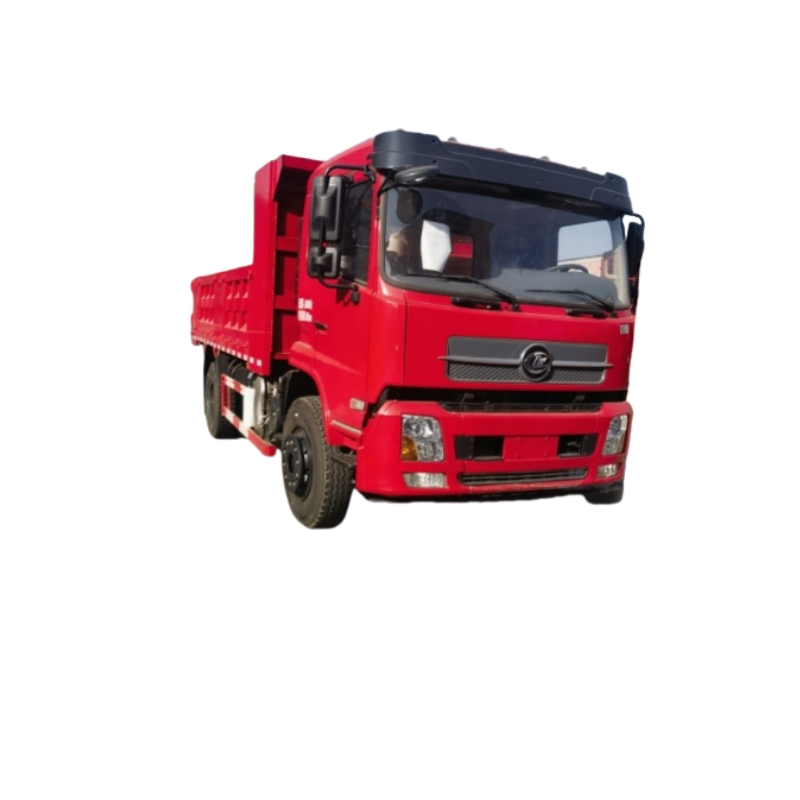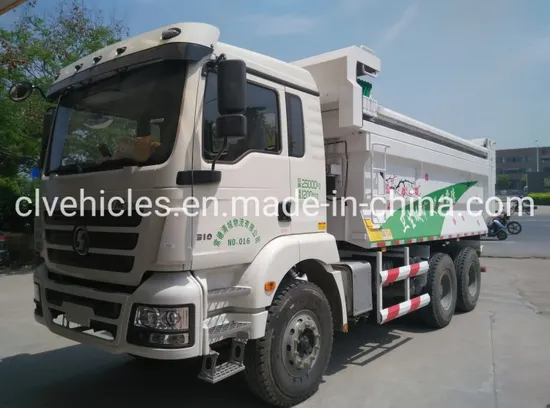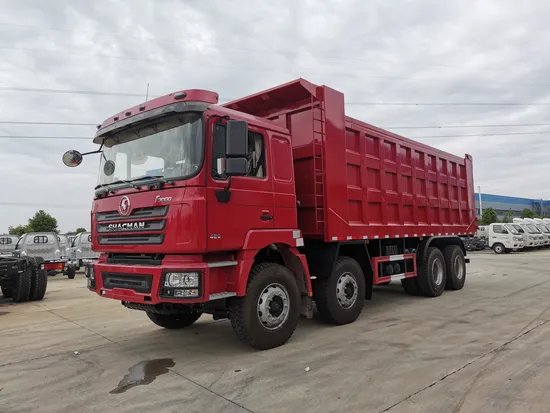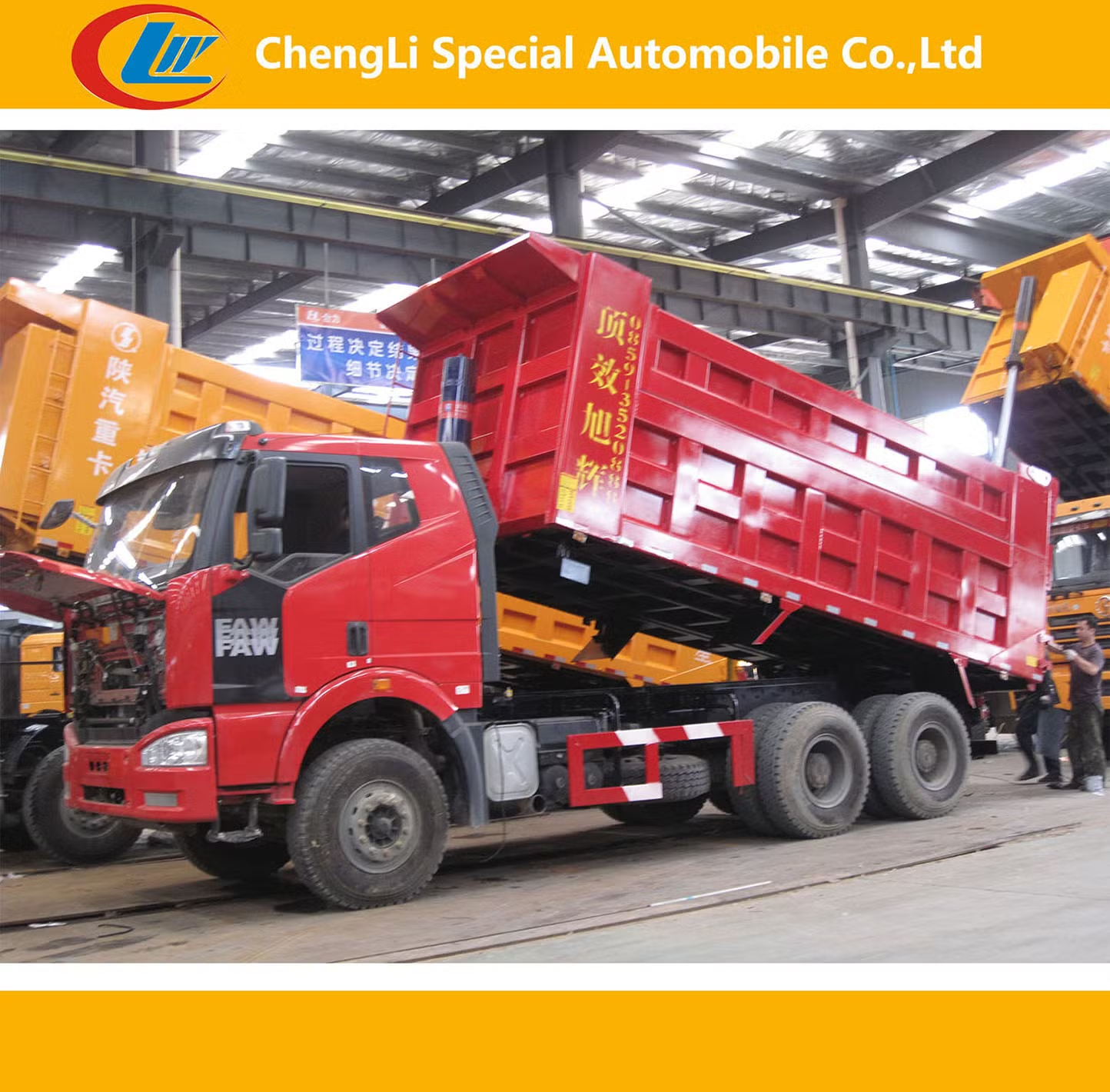
Outside measurements do not give a tipper load volume. The outside size includes the side plates, floor and frame, and the overall truck size adds the cab and chassis. For a square-sided body, load volume is inside length x inside width x inside height to a stated fill line. For a U-shape body you need the real cross-section.
The simple rule for a box body
For a square-sided body, multiply the inside length, width and height in metres. The answer is the level volume in cubic metres. Take a made-up body that is 4 m long, 2 m wide and 1 m high inside. Its level volume is 4 x 2 x 1 = 8 m3. These numbers are only an example.
The result is space, not weight. It does not tell you how many tonnes the truck may carry. It also leaves out any material heaped above the sides.
Outside size and overall size are different numbers
A spec sheet can show three sets of dimensions. The overall truck size covers the cab, chassis, body and bumpers. The outside body size includes the plates and any ribs. The inside body size is the load space. Only the third one gives volume.
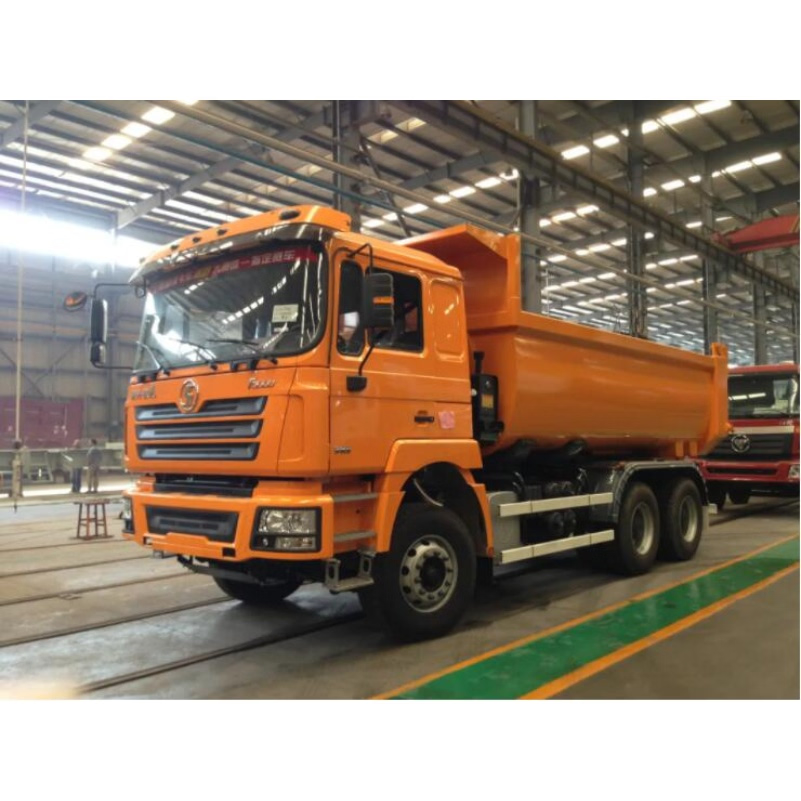
Look at the Shacman F3000 6x4 tipper with an 18.6 m3 body. Its body is 5,400 x 2,300 x 1,500 mm. Multiplied out, that is about 18.6 m3, as the page states. Its overall size is 8,200 x 2,500 x 3,450 mm. Multiply those and you get about 70 m3, which means nothing for loading. Overall size is for shipping, garage doors and road access.
Inside size, stated volume and steel thickness
Side and floor plates take space. A body with 8 mm sides is 16 mm narrower inside than outside. Ribs, a raised front headboard and a sloped rear also take space.
Some pages give the box size and a stated volume, so you can check one against the other. The CLW 4x2 six-wheel tipper lorry shows an inside box of 5,400 x 2,400 x 800 mm. The simple product is 5.4 x 2.4 x 0.8, about 10.4 m3, which matches the stated volume. When the two do not match, the box size may not be the inside size, or the body may not be a full rectangle. In such a case, ask which dimensions the stated volume uses.
U-shape and sloped bodies
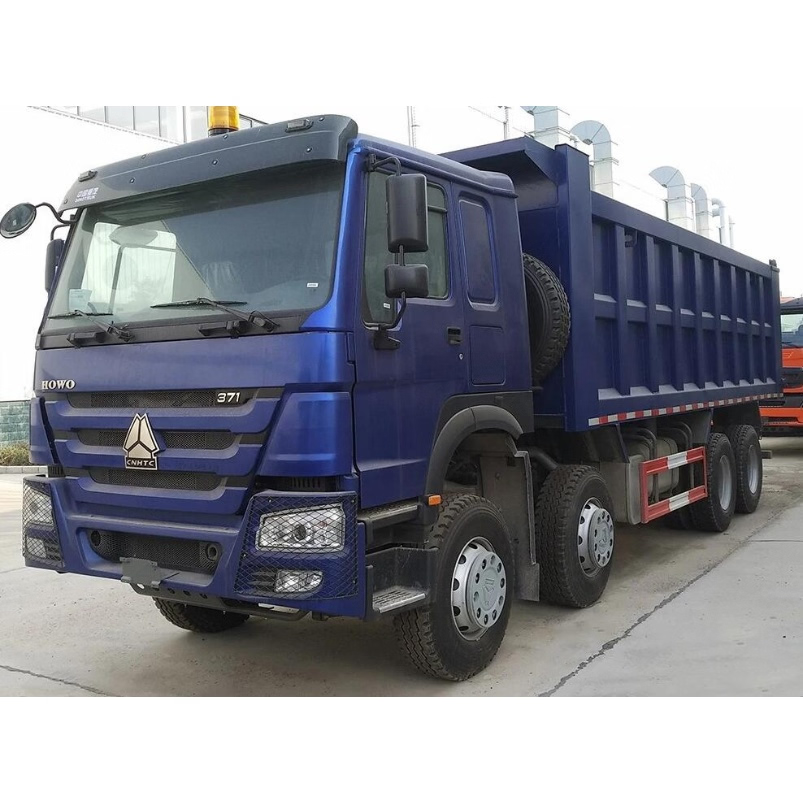
Many heavy tippers come with a square box or a U-shape body. The Sinotruk HOWO 6x4 sand and stone tipper offers both, with bodies of 15, 16, 18 or 20 m3. A U-shape body has a curved floor and rounded lower corners. It sheds wet and sticky loads more cleanly. It also holds less than a square box with the same length, width and height.
For these bodies, the length times the end area gives the volume. The end area is smaller than width times height, because the curved corners are missing. As a made-up example, if the curves remove one tenth of the end area, the volume is one tenth lower too. Ask for the cross-section drawing of the body you choose.
Level fill, heaped fill and payload
A stated volume can mean level with the sides or heaped above them. Heaped volume depends on the material and the loader, so treat it as an estimate. Ask which fill the figure means.
Then check weight. Sand weighs roughly 1.5 to 1.7 tonnes per cubic metre. The Sinotruk HOWO 8x4 tipper with a 28 m3 body has an 8,000 x 2,350 x 1,500 mm body, which gives about 28.2 m3. Filled level with sand, that space would hold over 40 tonnes. The payload rating and your road rules decide how much of the space you may use with dense loads.
What each figure is for
| Figure on the sheet | What it tells you | Use it for |
|---|---|---|
| Overall truck size | Length, width and height of the whole truck | Shipping, road access and workshop space |
| Outside body size | Body size including the plates | Fitting the body to the chassis |
| Inside body size | The load space | Level volume of a square box |
| Cross-section drawing | Shape of a U or sloped body | Volume of bodies that are not square |
| Stated volume (m3) | Space to a stated fill line | Comparing bodies, once the fill rule is known |
| Rated payload (kg) | Weight the truck may carry | Planning loads by weight |
Before you compare quotations, ask for the inside body size, the plate thickness, the body shape and a volume statement that says level or heaped. Our guide to tipper truck sizes in cubes matches cube sizes to chassis. The guide to reading a truck spec sheet explains the weight rows.
Tippers with clear body figures
- Shacman F3000 6x4 Tipper Truck, 336 hp Weichai Engine, 18.6 m3 Body: 8 mm floor and 6 mm sides.
- Shacman X3000 6x4 Tipper Truck, 20 Cube Body, Cummins 420 hp: rectangular 5,800 x 2,400 x 1,500 mm box of about 20.9 m3.
- Shacman F3000 6x4 Tipper Lorry, 15 m3 Body, 10-Speed Gearbox: inside 5,400 x 2,300 x 1,200 mm.
- Shacman F3000 8x4 Tipper Truck, 20 m3 Body, 400 hp, 12 Wheels: long, low 7,400 x 2,300 x 1,200 mm inside size.
- FAW 6x4 Tipper Truck, 335 hp, 16 m3 Body, 12.5 t Payload: inside 4,800 x 2,300 x 1,500 mm, stated payload.
- Sinotruk HOWO 8x4 Tipper Truck, 28 m3 Body, 371 hp, 12 Wheels: large body that suits light, bulky material.
- Sinotruk HOWO 6x4 Sand and Stone Tipper, 15 to 20 m3, Weichai 340 hp: square or U-shape body in four sizes.
- CLW 4x2 Six-Wheel Tipper Lorry, 10 t Payload, Yuchai 245 hp: 10.4 m3 stated volume on a two-axle chassis.
Browse all tipper trucks, or see truck chassis if you plan to fit your own body. Send your material, daily volume and road limits through the contact page to ask for a matching body and chassis.