It depends on how heavy your goods are for their size. Divide the payload of the box truck by its inside box volume. If your load weighs less per cubic metre than that figure, the box fills before the weight limit. If it weighs more, you reach the payload limit while space is still left.
Two limits on every box truck
A box truck has a weight limit and a space limit. The weight limit is the payload, which is the gross vehicle weight (GVW) minus the kerb weight. The space limit is the inside size of the box. Both matter, but on most trips only one of them stops you.
A big box does not mean a big payload. A long body on a light chassis can hold a lot of space and still carry little weight. A short body on a heavy chassis is the opposite. Read both lines on the spec sheet before you compare trucks.
Box sizes and weights on CLW box trucks
The volumes below are inside length x width x height from the linked truck pages. Some pages give a full weight set, and some give only the kerb weight.
| Truck | Box size | Box volume | Weight data on the page |
|---|---|---|---|
| Foton Aumark 4x2 mini box van | 4,140 x 1,960 x 1,900 mm inside | About 15.4 m3 | Kerb weight 3,565 kg |
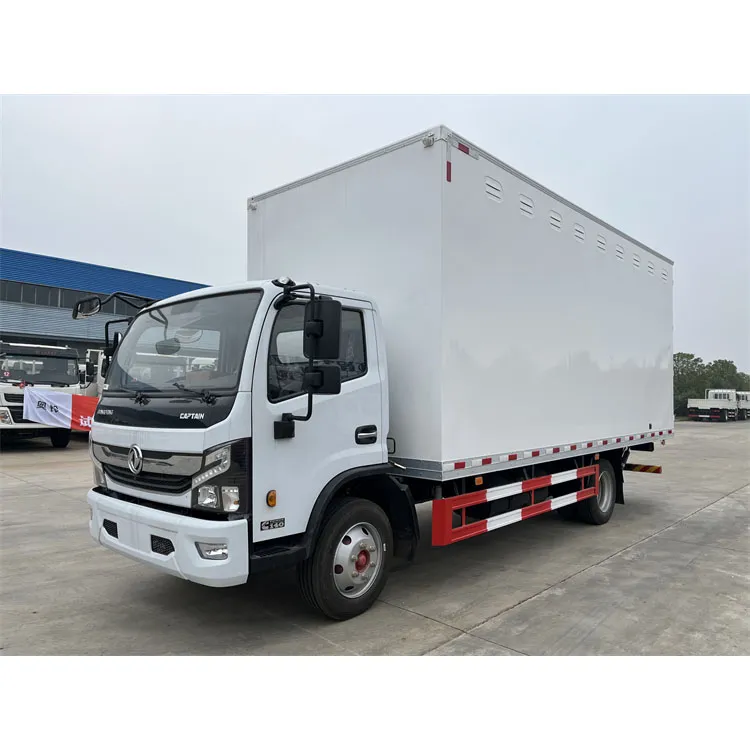
| Dongfeng Captain 4x2 box van | 6,000 x 2,450 x 2,600 mm inside | About 38.2 m3 | Kerb weight 4,605 kg |
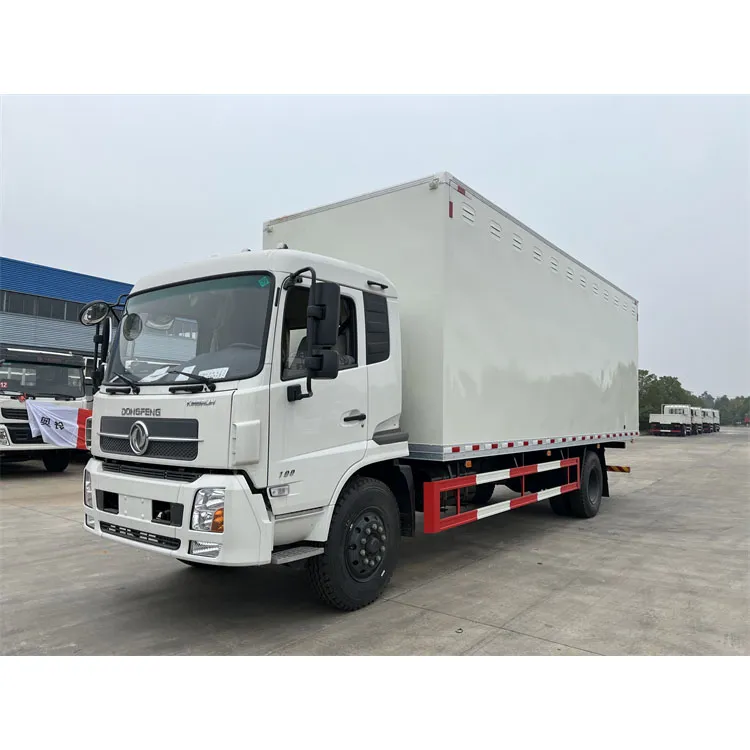
| Dongfeng Tianjin 4x2 box truck | 6,750 x 2,400 x 2,400 mm | About 38.9 m3 | GVW 18,000 kg, kerb 7,480 kg |
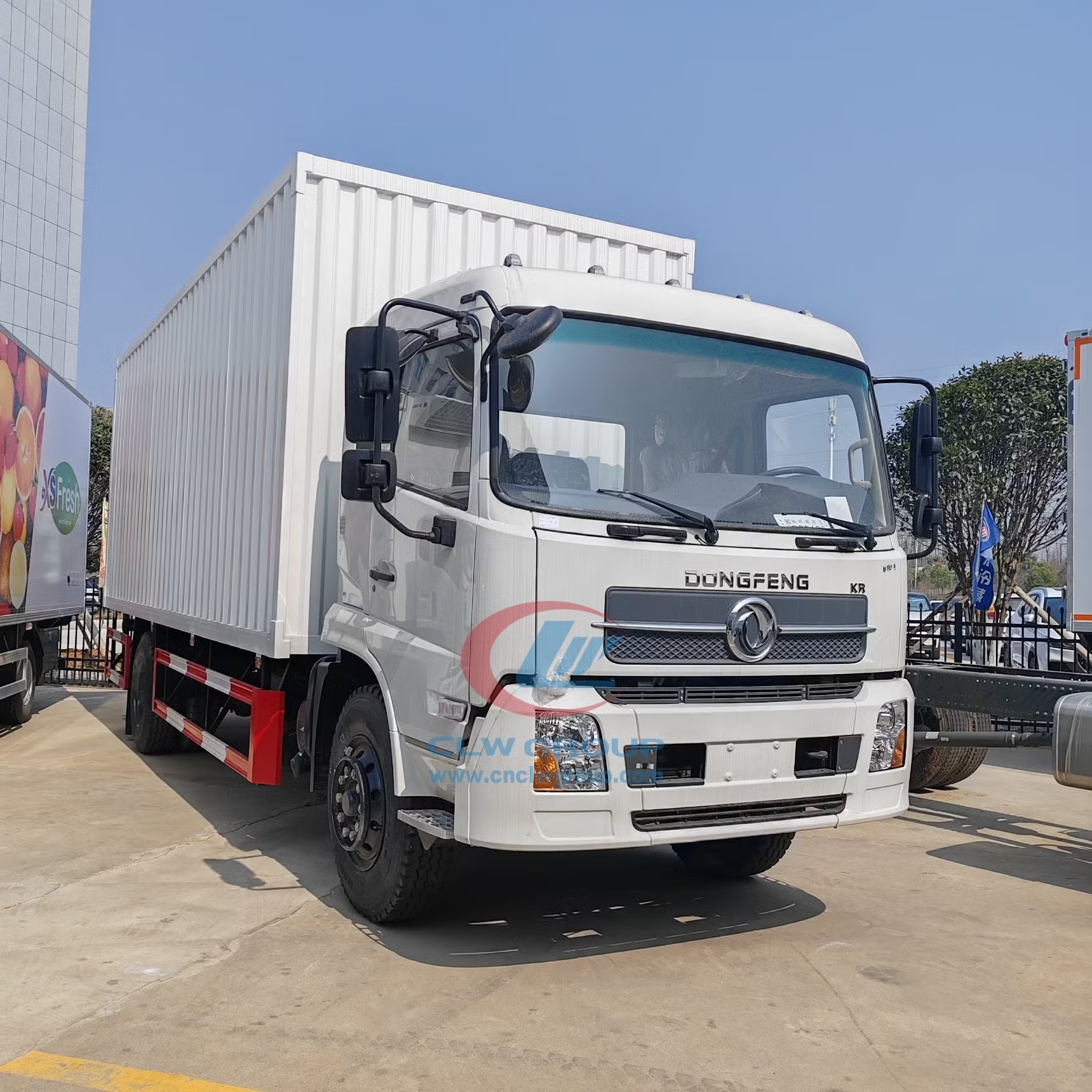
| Dongfeng KR 4x2 box van | 7,500 x 2,450 x 2,600 mm inside | About 47.8 m3 | Kerb weight 7,430 kg |
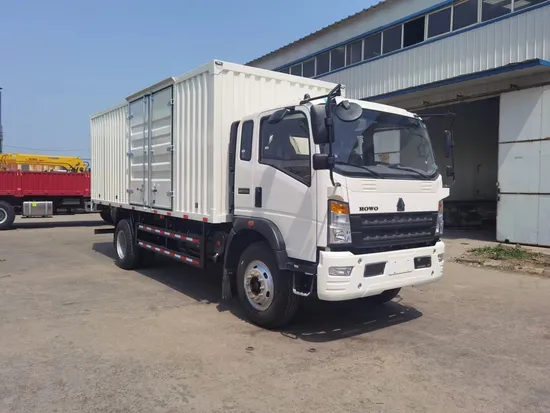
| HOWO 4x2 dry goods box van | Ask for the inside size | Ask | Payload 4,425 kg, GVW 9,100 kg |
Where a page gives only the kerb weight, ask for the GVW and rated payload in the quotation. Without both lines you cannot tell which limit you will reach first.
A worked example: the break-even density
Take the Dongfeng Tianjin. GVW is 18,000 kg and kerb weight is 7,480 kg. That leaves 10,520 kg for the crew and the cargo. The box is about 38.9 m3.
Now divide 10,520 kg by 38.9 m3. The answer is about 270 kg per cubic metre. This is the break-even density for this truck.
- If your goods weigh about 150 kg per m3, the box is full long before the payload is used.
- If your goods weigh about 500 kg per m3, you reach the payload with the box only about half full.
- If your goods are close to 270 kg per m3, both limits arrive together, and you need to plan each load with care.
How to find the density of your own goods
Take one full pallet or one stack of cartons as you ship it. Weigh it with the pallet and packing. Measure its length, width and height, and work out the volume. Divide the weight by the volume.
Light goods include foam mattresses, plastic chairs, empty crates and packed snacks. Heavy goods include bagged cement, tiles, bottled drinks and steel parts. A trader in Kumasi or Dar es Salaam moving mixed stock should test the light and heavy lines separately.
Plan for gaps as well. Pallets, doors, wheel arches and stacking limits mean you rarely fill all of the box. Fragile goods that cannot be stacked high also waste height.
Equipment that changes the numbers
Every item fitted to the truck adds to the kerb weight and takes from the payload. A tail lift, a side door, shelves or a heavier box material all count. Ask for the kerb weight of the truck as built, not of the bare chassis.
Some fittings also take space. Racks, partitions and tail lift parts can reduce the usable inside size. Ask for a box drawing that shows what is fitted and where.
Local road rules can also set a lower weight than the maker rating. Ask your clearing agent or road authority about axle and gross weight limits where you operate.
What to do with the answer
If space runs out first, look for a longer or taller box on a similar chassis. If weight runs out first, a bigger box will not help, so look at a heavier chassis with a higher GVW. If your loads change from day to day, plan around your most common load, not the rare one.
Box trucks to compare
Each price below is the listed reference price (FOB China, ex-factory list). The written quotation fixes the final price.
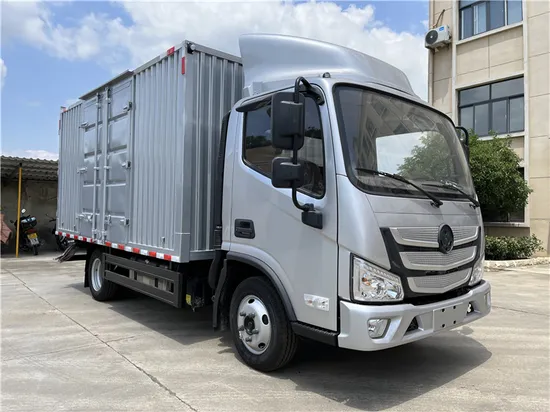
- Foton Aumark 4x2 Mini Box Van Truck, 4.2 m Box, 92 hp: small city deliveries of light goods, US$16,000.
- Dongfeng Captain 4x2 Box Van Truck, 6 m Steel Box, 140 hp: bulky retail stock between town shops, US$23,000.
- Dongfeng Tianjin 4x2 Box Truck, 18 Ton GVW, 6.75 m Steel Cargo Box: heavier mixed loads with a clear weight margin, US$13,500-14,000.
- Dongfeng KR 4x2 Box Van Truck, 7.5 m Closed Box, 190 hp: high-volume light goods, US$30,000.
- HOWO 4x2 Dry Goods Box Van Truck, 4.4 Tonne Load, Yuchai 135 hp: medium loads of packed goods, US$19,401-24,087.
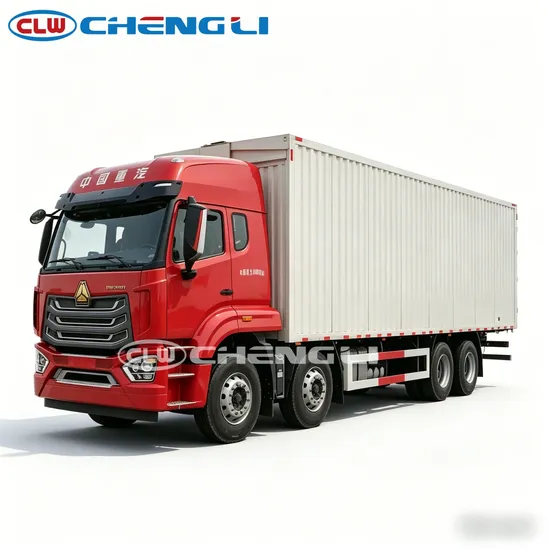
- HOWO 8x4 Wing Van Truck, 31 Tonne GVW, 9.5 m Box, 349 hp: heavy goods loaded from the side by forklift, US$30,000-38,800.
- FAW 4x2 Wing Van Truck, 18 Tonne GVW, 10.8 Tonne Load: palletised loads with fast side access, US$43,800.
See all box vans in the cargo truck range, or a bare truck chassis if you build bodies locally. The guide on reading GVW, payload and kerb weight explains each weight line. For budgets, see the flatbed and cargo truck price guide. Then read how to buy from the factory.