A truck winch is a powered drum that winds in steel wire rope to pull a vehicle or load. Read its rating as the pull on the first rope layer, and choose a clear margin over the job. Keep people out of the rope line, and clean mud and sand from the rope, drum and fairlead after every recovery.
What a winch does on a truck
Recovery trucks use a winch to pull broken or stuck vehicles onto a deck or out of a ditch. Rescue and road-clearing trucks use one to move obstacles. Self-loading flatbeds use one to drag machines up the ramps. Many fleets only think about the winch when a truck is already stuck. That is the wrong moment to learn how it works.
The main parts of a truck winch
- Drive: a direct-current electric motor on electric winches, or a hydraulic motor fed by a PTO pump on hydraulic winches. Some electric winches have a cooling fan.
- Control unit or valve: takes the signal from the remote and reverses the drum.
- Drum: the cylinder the rope winds onto. Heavier rope needs a larger drum.
- Wire rope and hook: the parts that carry the full pull, and the parts that wear fastest.
- Fairlead: guides the rope onto the drum when the pull comes at an angle. A roller fairlead uses rollers.
- Clutch: a handle frees the drum so the rope can be pulled out by hand.
- Remote control: lets the operator stand clear. Wired remotes are common, and wireless ones exist.
How to read the pull rating
Winch pull may be stated in pounds, kilograms or tonnes. Check the unit before you compare two winches. The rated pull usually applies to the first layer of rope on the drum. Each extra layer adds to the drum diameter, so the pull on the outer layer is lower. A long drum needs fewer layers for the same rope length, so it keeps more pull.
A stuck vehicle is often much harder to move than its weight suggests, because mud or sand holds it. Choose a winch with a clear margin over the job. Never pull beyond the rated capacity. Where you can, let out more rope so fewer layers stay on the drum.
Winch ratings on CLW recovery trucks
| Truck | Winch shown on the truck page |
|---|---|
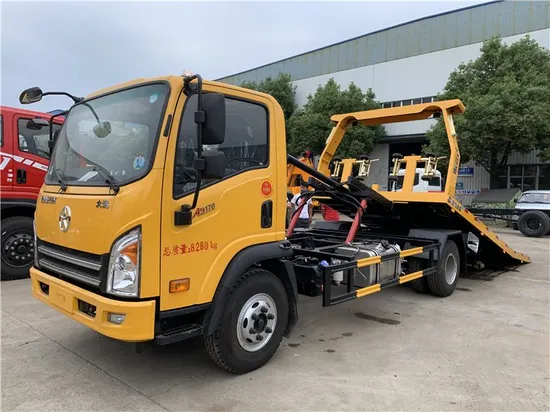
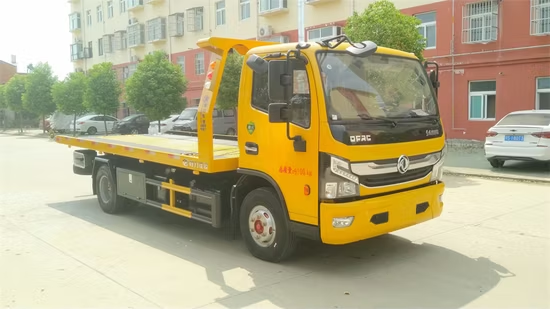
| Dongfeng 4x2 Rollback Tow Truck, 5.6 m flatbed | 4 tonne winch |
| CLW Dayun 4x2 Flatbed Tow Truck | 4 tonne winch |
| Shacman L3000 4x2 Flatbed Recovery Truck | 8,000 kg pull, 25 m steel wire rope |
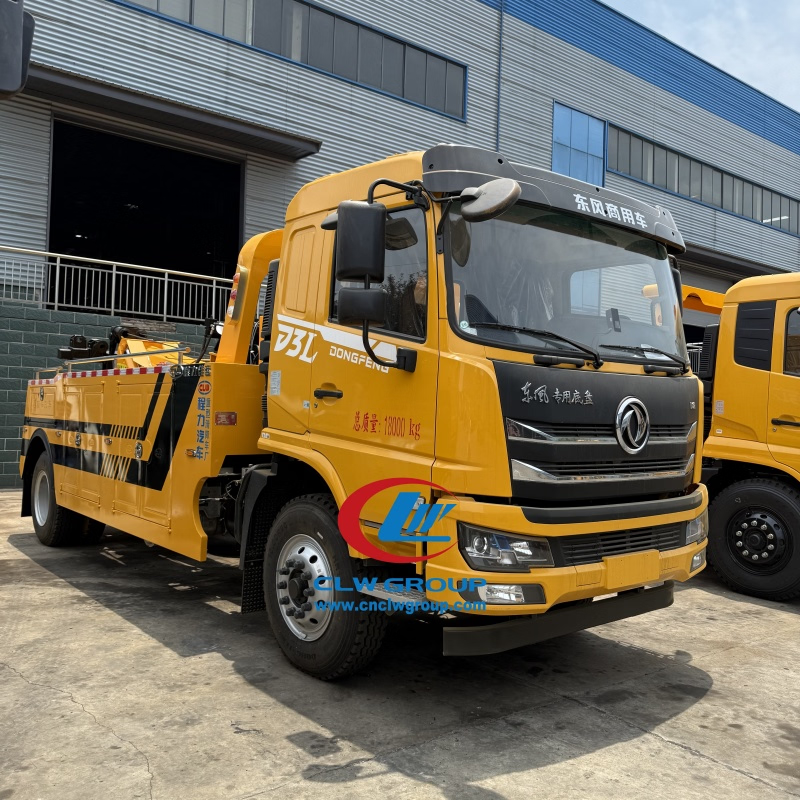
| Dongfeng 4x2 Wrecker Tow Truck | 2 winches, 8 tons each, 45 m steel rope |
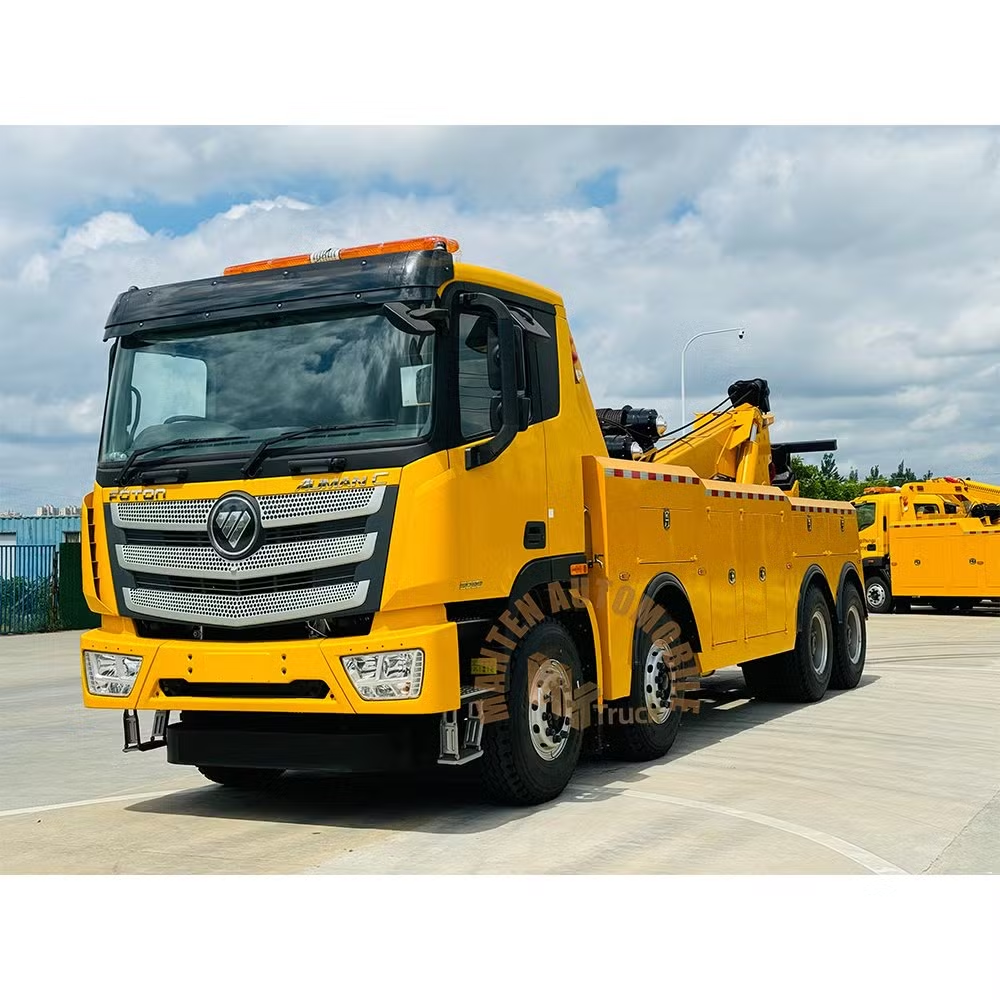
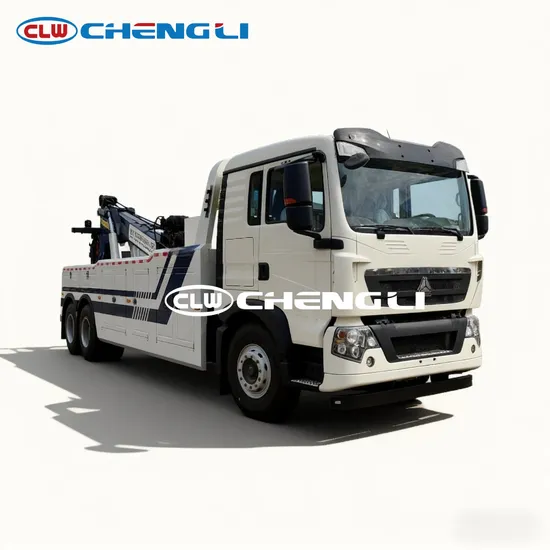
| HOWO 6x4 Heavy Wrecker Truck | Two hydraulic winches, 10 tonnes each, 45 m wire rope |
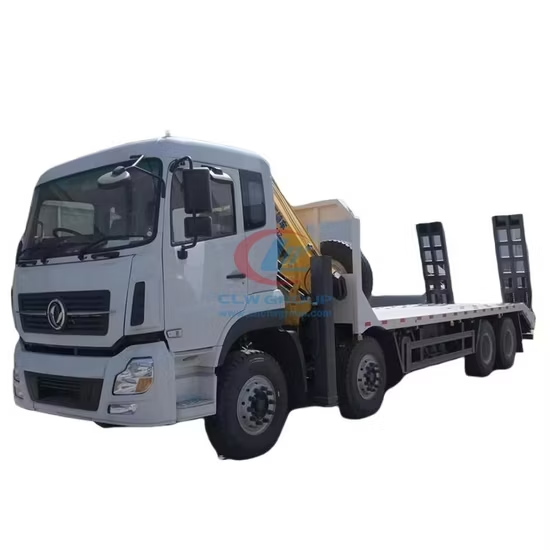
| Dongfeng 8x4 Self-Loading Flatbed | 10 t hydraulic winch |
Confirm the winch type, rope length and rating in the written quotation for the truck you order.
Care on mud, sand and remote routes
Rainy-season mud, soft sand and washed-out tracks make recovery a regular job on many routes. A failed winch far from a workshop can leave two vehicles stranded. These habits help:
- Clean mud, sand and dust from the rope, drum and fairlead after every recovery. Grit left in the rope wears it from inside.
- Rewind the rope under light tension in even layers. Loose, crossed layers crush the rope.
- Check the rope for broken wires, kinks and flat spots. Replace a damaged rope rather than repair it.
- In hot weather, do not run an electric winch for long pulls without rest. Let the motor cool.
- Check electric connections, the remote lead and hydraulic hoses for dust, damp and leaks.
- Make sure the clutch handle moves freely and locks fully before each job.
- Carry a spare remote lead and the right tools on remote routes.
Safe use during a pull
Only trained people should run a winch, and they should follow the winch maker manual. Keep everyone out of the rope line and away from the snatch block. Never step over a loaded rope. Anchor to a point strong enough for the pull, and stop at once if the rope or anchor moves in an unexpected way. Record each recovery, the pull used and any damage found.
Recovery trucks with winches
- Dongfeng 4x2 Rollback Tow Truck, 5.6 m Flatbed, 4 Tonne Winch: cars and light vans.
- CLW Dayun 4x2 Flatbed Tow Truck, 4 Tonne Winch: town breakdown work.
- Shacman L3000 4x2 Flatbed Recovery Truck, 8 Ton Winch: heavier vans and light trucks.
- Dongfeng 4x2 Wrecker Tow Truck, Two 8 Ton Winches: pulling vehicles out of ditches.
- HOWO 6x4 Heavy Wrecker Truck, 20 Tonne Class Body: buses and loaded lorries.
- Dongfeng 8x4 Self-Loading Flatbed with 12 t Folding Crane and Winch: moving machines up ramps.
Browse all tow and recovery trucks and crane trucks. Read the tow truck buying guide and how a flatbed tow truck works. To discuss a recovery truck, use the contact page.