Most truck oil leaks come from a few causes: worn or hardened seals, badly fitted gaskets, loose or over-tightened fasteners, a blocked breather that builds pressure, overfilling, and cracked or warped covers. Prevent them with clean assembly, tightening to the maker manual, clear breathers, correct oil levels and a quick drip check every shift.
Why a small leak matters
A leak is more than a dirty engine. It wastes oil, marks the ground and can pollute water. When the level inside a part drops, gears and bearings get less oil and less cooling. Wear speeds up, and a small seep can end in a breakdown. On a remote site, that breakdown may be far from a workshop.
Where leaks usually start
| Cause | What happens |
|---|---|
| Poor parts or poor fitting | Weak material, dirty faces or a damaged gasket leave a gap |
| Wrong tightening | Too loose and the gasket does not seal. Too tight and threads strip or faces lift. |
| Worn seals | Rubber hardens with age and heat and loses its shape |
| Blocked breather | Pressure builds inside the housing and pushes oil past the weakest seal |
| Overfilling or wrong oil | Too much oil is pushed out at seals. An unsuitable oil may harm seals. |
| Cracked or warped covers | Thin covers and pans distort and let oil seep out |
Heat, dust and rough roads
Strong sun and heavy loads age rubber seals and gaskets faster. Dust clogs breathers and vents, which builds the pressure that forces oil out. Corrugated and unsurfaced roads shake bolts loose and stress joints. Fuel and oil quality can vary from place to place. Use the oil type named in the chassis maker manual. Keep the common gaskets, seals and breather parts on hand at the yard, and fix a small leak early.
Gaskets, fasteners and seals
Flat joints such as the sump, rocker cover and end covers rely on gaskets. Large flat faces are hard to clamp evenly, so they are common leak points. Clean both faces before fitting a new gasket, and seat it straight.
Tighten every fastener to the torque in the chassis maker manual, in the order the manual gives. A loose drain plug can lose all the engine oil and cause serious engine damage. Check drain plugs after every oil change.
Rotating shafts rely on lip seals and O-rings. A seal fitted off centre, or a shaft that wobbles, throws oil out. Rubber also loses its spring with age. When a seal starts to seep, replace it early.
Breathers, hoses and wheel hubs
Inspect and clean breathers often, and more often in dusty work. A blocked engine breather also raises oil use and internal resistance.
Hydraulic hose unions that are removed many times can lose their thread and start to weep. Replace damaged union nuts and make sure the sealing cone sits properly. This matters on tippers, crane trucks and bowsers with PTO-driven pumps.
Grease or oil thrown from a wheel hub has its own causes. Too much grease in the hub, an old or badly fitted hub seal, hubs that run hot from heavy braking, or a loose axle nut can all do it. Follow the chassis maker manual for grease quantity and intervals, and keep the hub vent clear.
Daily habits that catch leaks early
- Look under the truck for drips at the start of each shift and after parking.
- Keep the underside clean enough to see fresh seepage.
- Check oil levels on level ground and never overfill.
- Record each leak, where it was and how it was fixed.
- Show drivers where each truck has its drain plugs, breathers and filler points.
A written leak history makes repeat faults easier to trace, especially in a mixed fleet.
Trucks that need regular leak checks
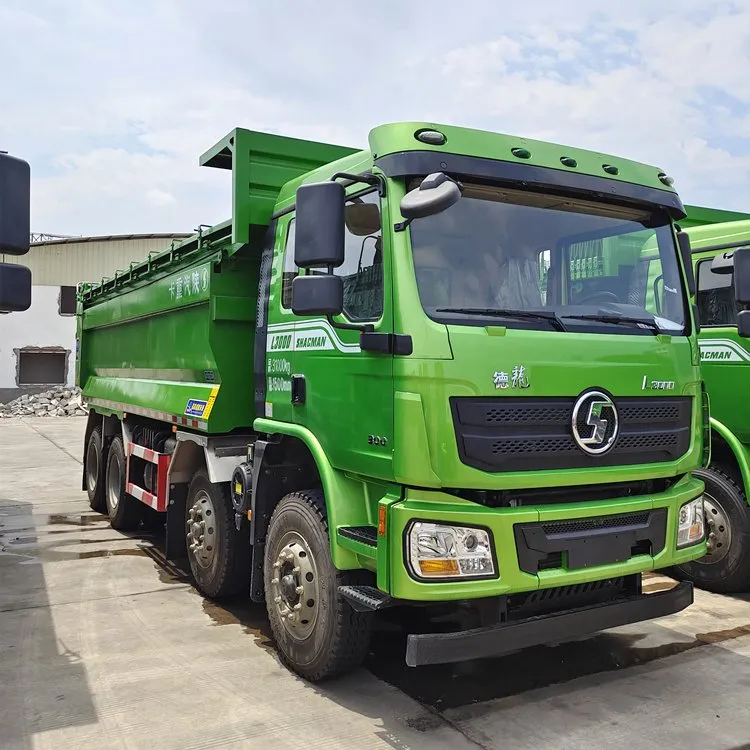
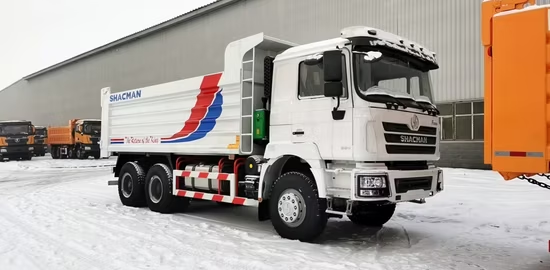
- Shacman F3000 Tipper Lorry, 380 hp: quarry and mine haulage with a hydraulic hoist.
- Shacman 8x4 Tipper Truck, 26 m3 Body: heavy bulk loads on rough roads.
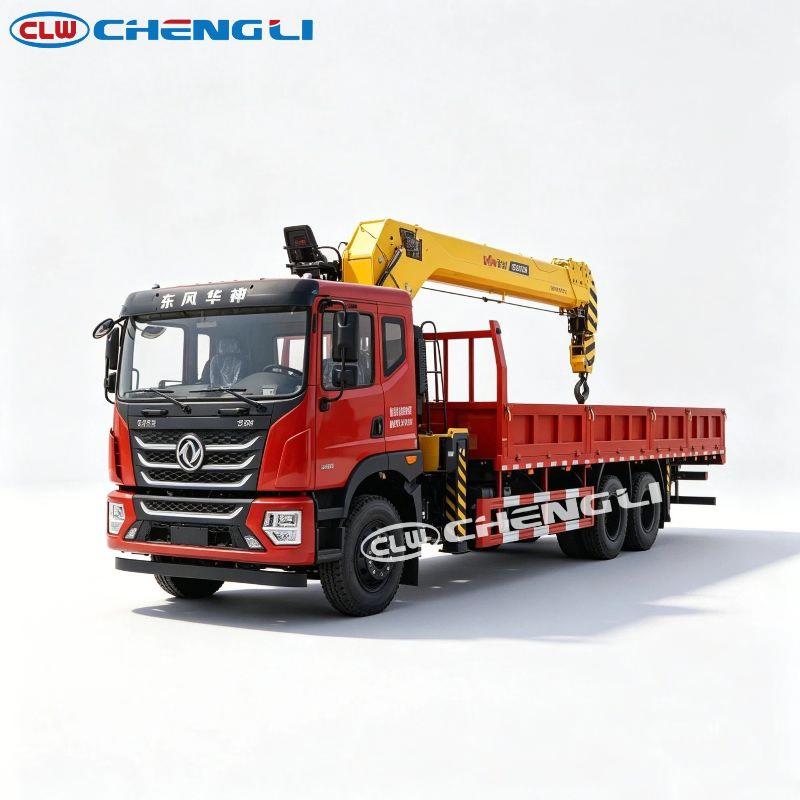
- Dongfeng 6x4 Crane Truck with HYVA 12 Ton Boom Crane: hydraulic hoses and joints to watch.
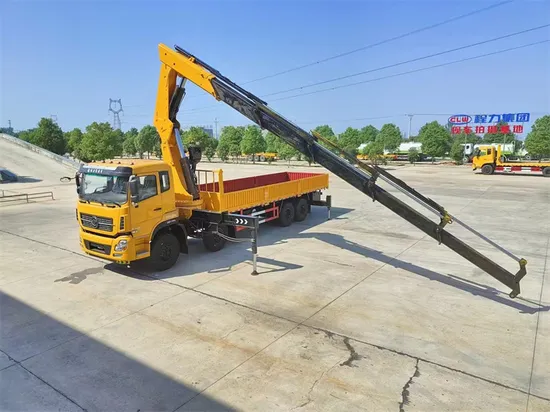
- Sinotruk HOWO 8x4 Knuckle Boom Crane Truck: many hose unions along the boom.
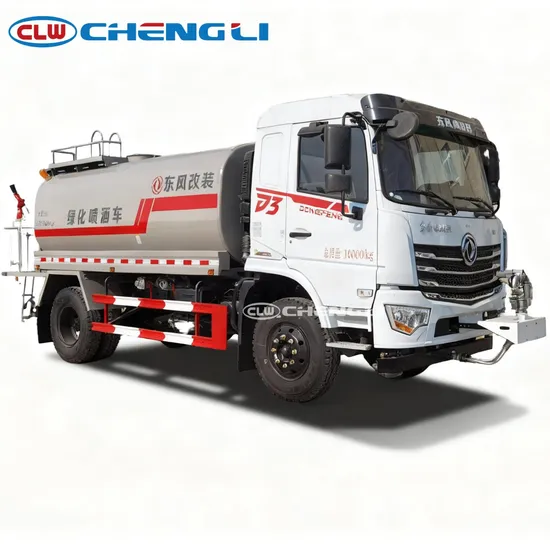
- Dongfeng D3S 6x4 Water Bowser with PTO Pump: PTO and pump seals in dusty work.
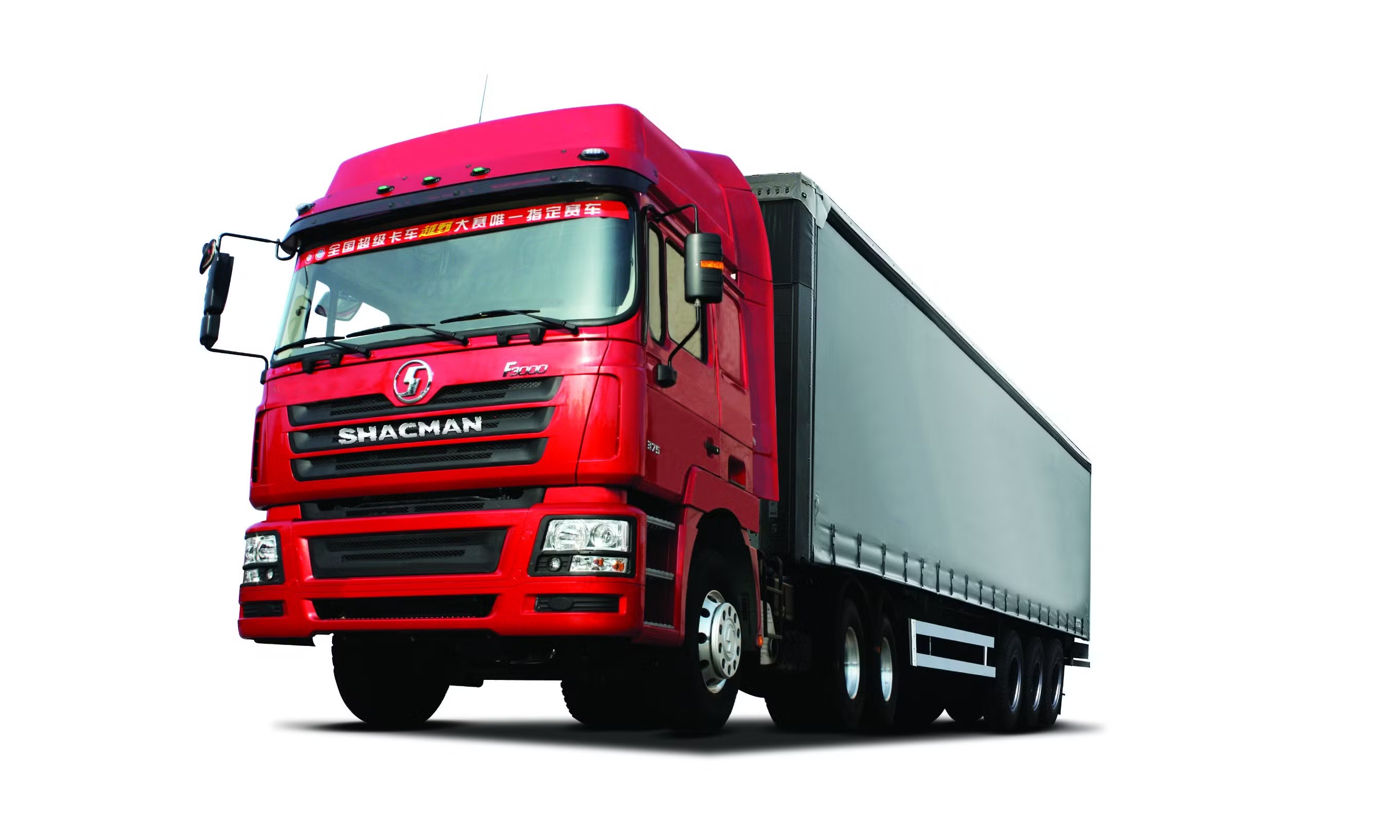
- Shacman F3000 6x4 Prime Mover: long hauls where a hub leak can go unseen.
Browse all tipper trucks and crane trucks. To see how oil-filled drive parts work, read what a PTO on a truck is and how a dump truck hoist works. For a quotation, contact CLW.