A truck air filter on dusty roads needs checking far more often than the standard schedule suggests. Inspect it whenever dust is heavy. Clean a lightly dusty dry element with compressed air from the inside out. Replace it when cleaning no longer restores the paper colour, or when power and fuel use get worse.
What the air filter does
Every breath the engine takes passes through the air filter first. The air carries dust, grit and soot. Without a working filter, that dust reaches the cylinders and wears the engine quickly. A cared-for filter keeps that wear low and lets the engine breathe freely.
The filter has two jobs. It must stop dirt, and it must still pass enough air. A clean element does both. As it collects dust, it traps fine particles well for a while. Past a certain point, the dust layer chokes the airflow. Fuel then burns less completely, the engine runs rough, power drops and fuel use climbs.
Why dusty routes need a shorter check rhythm
A truck on a sealed highway breathes far less dust than one on a quarry haul road or a dry murram track. Dust is heaviest when trucks follow each other closely in the dry season. Heat can also age the rubber seals and hoses around the intake. On long routes far from a workshop, a choked filter can leave a truck stranded. Carry a spare element of the correct type where the route is remote. Wetting haul roads with a water bowser also cuts the dust that every truck on site breathes.
| Working condition | Dust exposure | How often to inspect |
|---|---|---|
| Sealed highway, light traffic | Low | As the chassis maker manual states |
| Town work with some unsealed streets | Medium | More often than the manual interval |
| Murram roads in the dry season | High | Look at the filter or restriction gauge on the daily walk-round |
| Quarry, mine or road-building site | Very high | Daily check, and clean or replace as soon as it is loaded |
If the truck has a restriction indicator on the intake, read it every day. Follow the chassis maker manual for the reading that calls for service.
How to inspect the filter
Inspection is quick and usually needs no special tools. Work through this list at each service, and more often in heavy dust:
- Release the clips on the filter housing without forcing them. Note the order of the parts.
- Lift the cover and take out the element. If a part will not refit, find out why rather than force it.
- Look at the outer face for heavy dust. Look at the inner face for dust that has got past.
- Check the housing, seals and hose clamps for dirt, cracks or poor contact.
- Make sure the element and housing are dry before refitting.
Cleaning a dry paper element
A dry element with light dust can be cleaned. Take it outside. Blow compressed air through it from the inside outwards, turning the element and moving the nozzle along the pleats. Keep the nozzle back far enough that the paper does not tear. Do not wash the element with petrol or water. Do not knock it hard on the ground, as this can crack or bend it. Wipe the housing and sealing faces with a clean cloth.
Then judge the result. The outer face of a used element turns grey or black. The inner face should still show the natural paper colour. If that colour returns once the dust is off, the element can go back in. If the paper stays dark, replace it.
When to replace the element
No single interval suits every truck. Start from the interval in the chassis maker manual, then shorten it for dusty work. Replace the element sooner if power, fuel use or exhaust smoke gets worse, or if cleaning no longer restores the paper colour. Fit the element type and grade the engine maker specifies, from a source you trust. A wrong or poor element can let dust through or restrict the air.
What to record
- Date, odometer or engine hours, and the site or route.
- Condition found: light, medium or heavy dust, and any damage to seals.
- Action taken: cleaned or replaced, and the part number fitted.
- Any change the driver noticed in power, smoke or fuel use.
A simple log shows which routes load the filter fastest. It also helps a mechanic trace a fault later.
Trucks that work in heavy dust
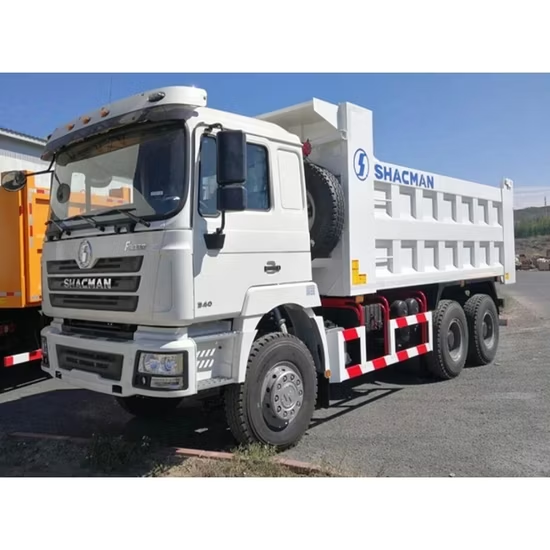
- Shacman 6x4 Heavy Tipper Truck, Weichai WP12 375 hp: quarry and road-works haulage.
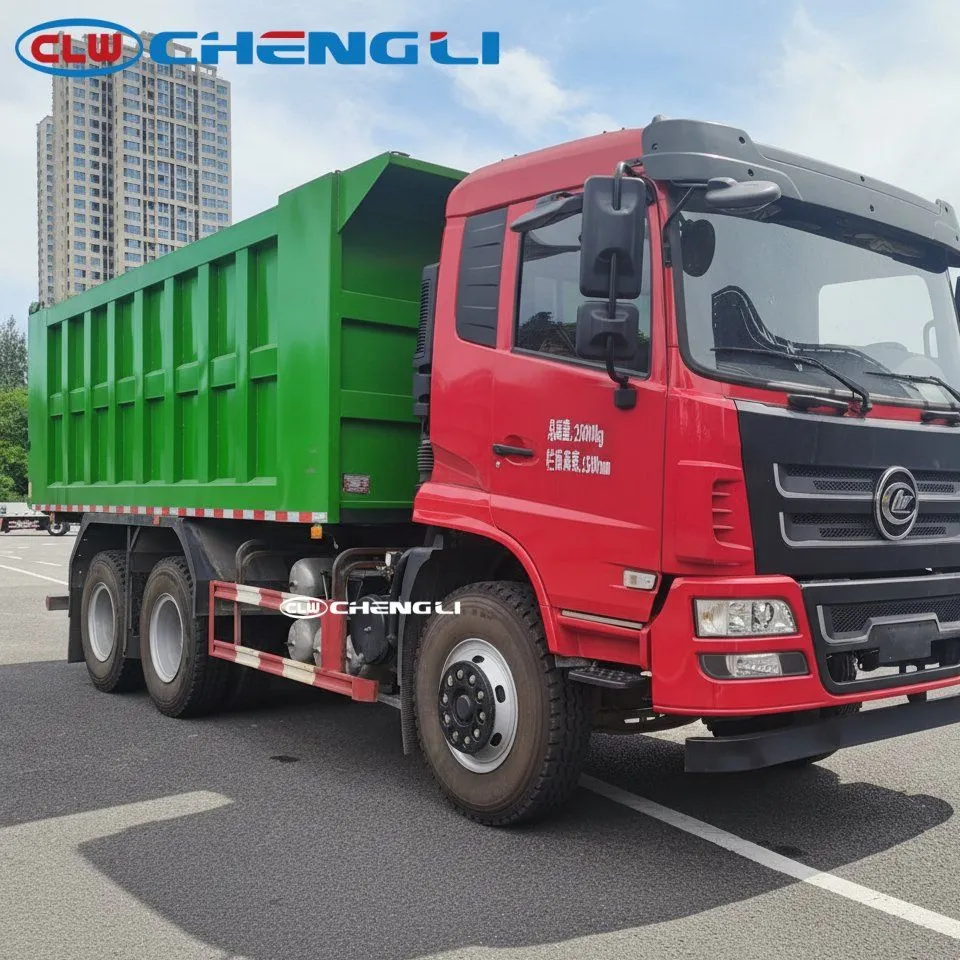
- CLW 6x4 Ten-Wheel Tipper Lorry, 15.3 t Payload: murram, sand and gravel delivery.
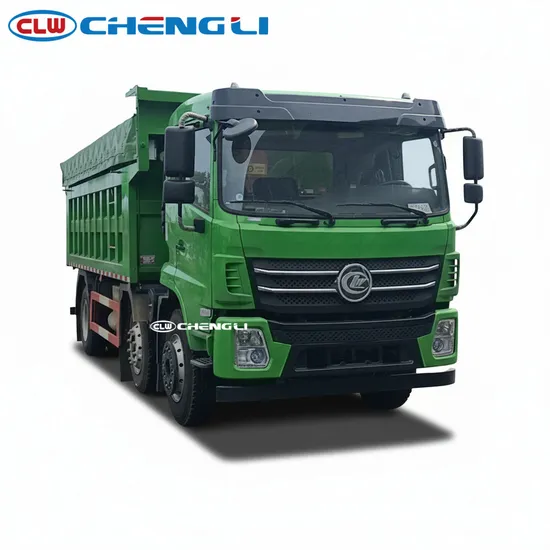
- CLW 8x4 12-Wheeler Tipper Truck, 19.7 t Payload: bulk aggregate haulage.
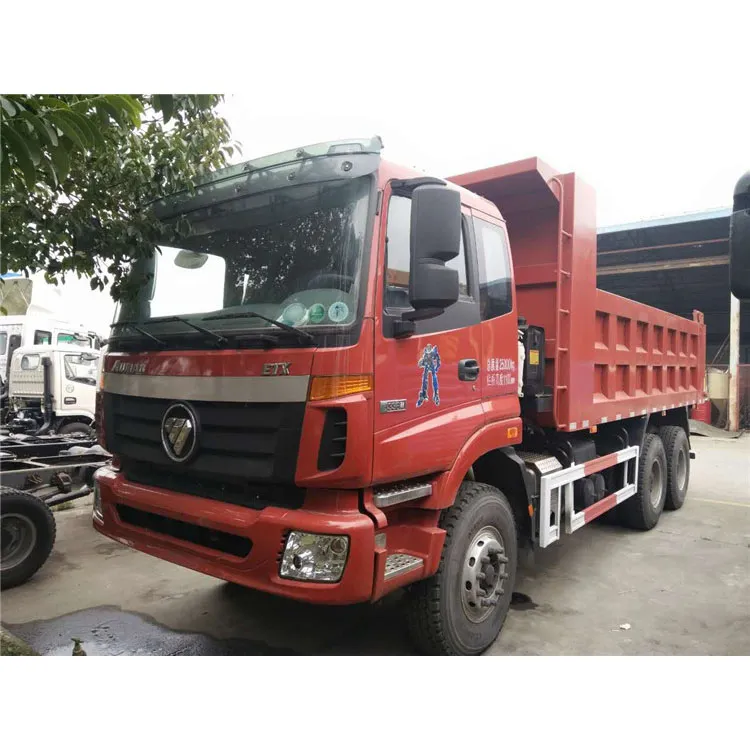
- Foton Auman 6x4 Mining Tipper Truck, 336 hp: mine and pit work.
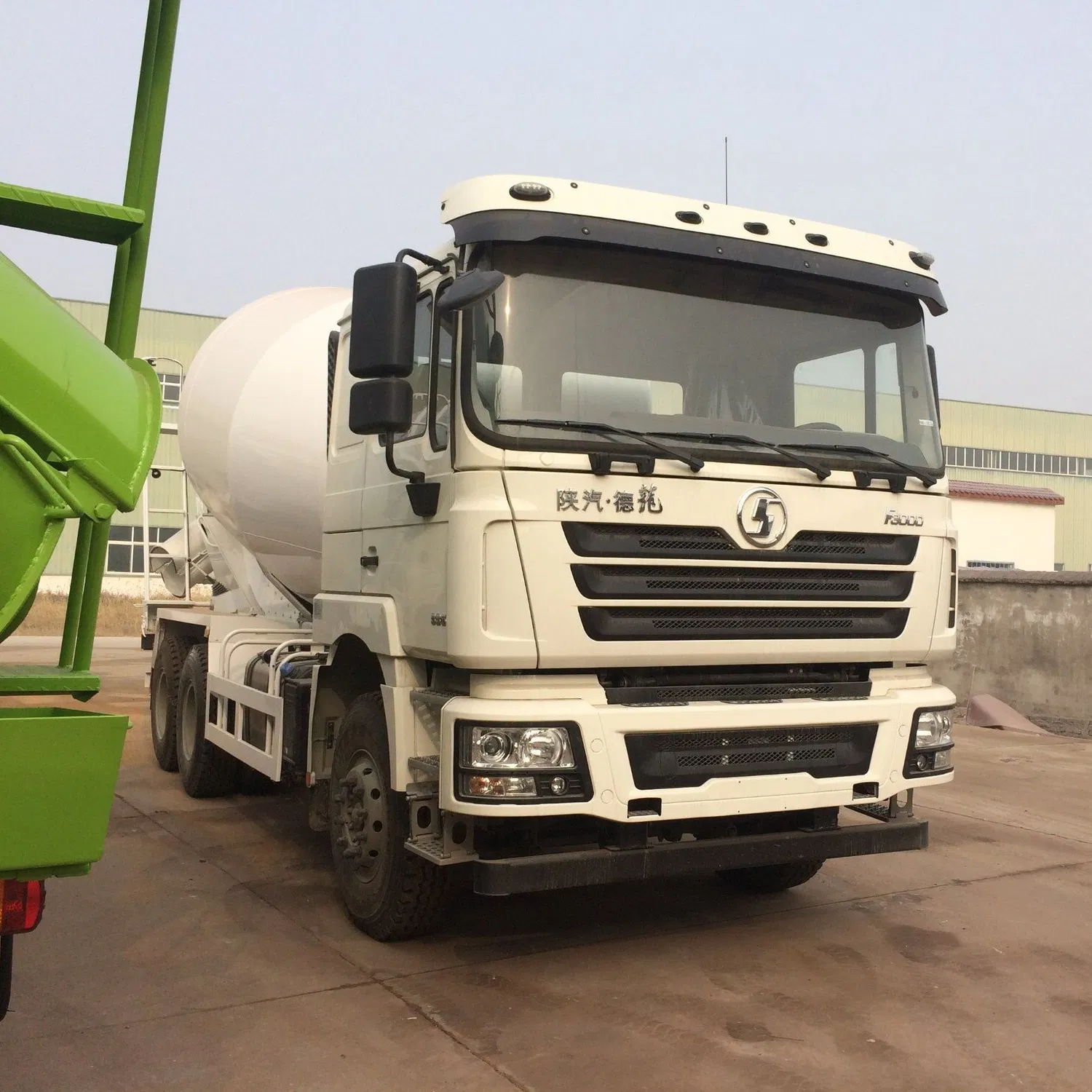
- Shacman 6x4 Concrete Mixer Truck, 12 or 14 m3 Drum: batching plant to dusty building sites.
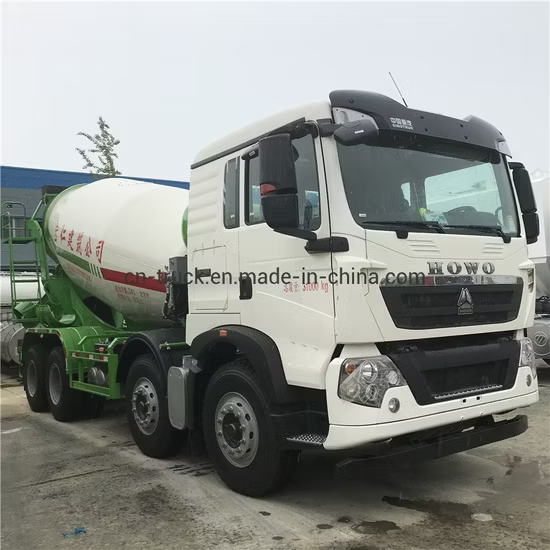
- HOWO 6x4 Concrete Mixer Truck, 8-12 m3 Drum: readymix delivery on rough site roads.
See all tipper trucks, concrete mixers and water bowsers for dust suppression. The guide on tipper body size for quarries covers murram and stone haulage. This page gives general care advice, so always follow the chassis maker manual. For a quotation, use the contact page.