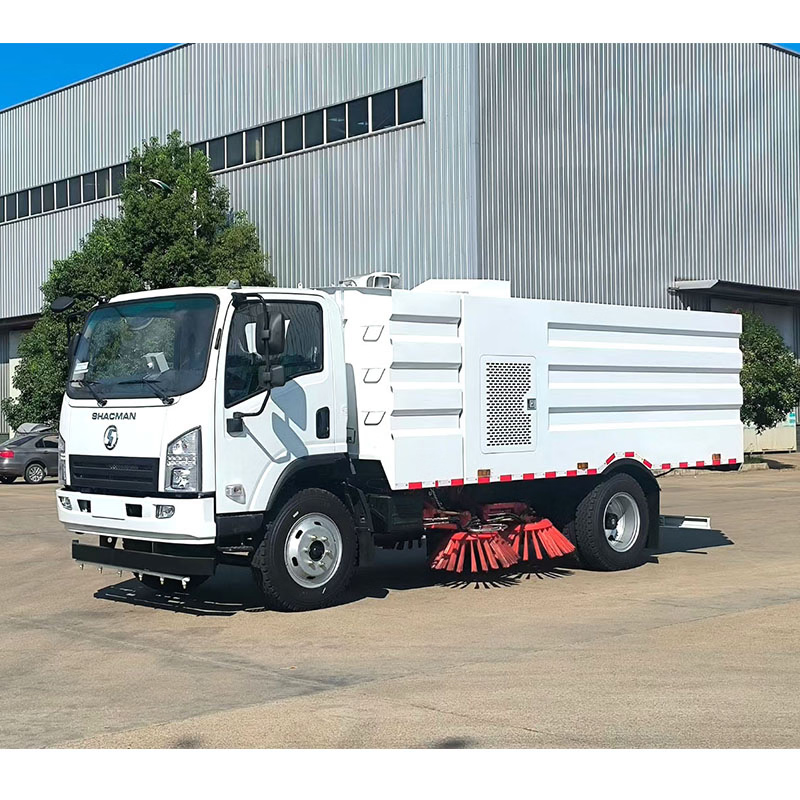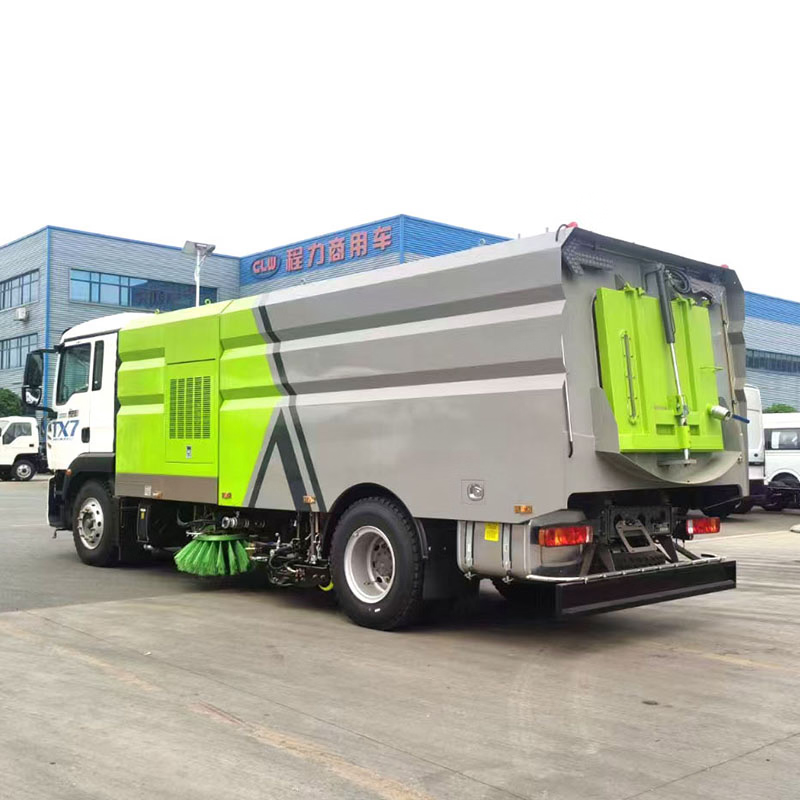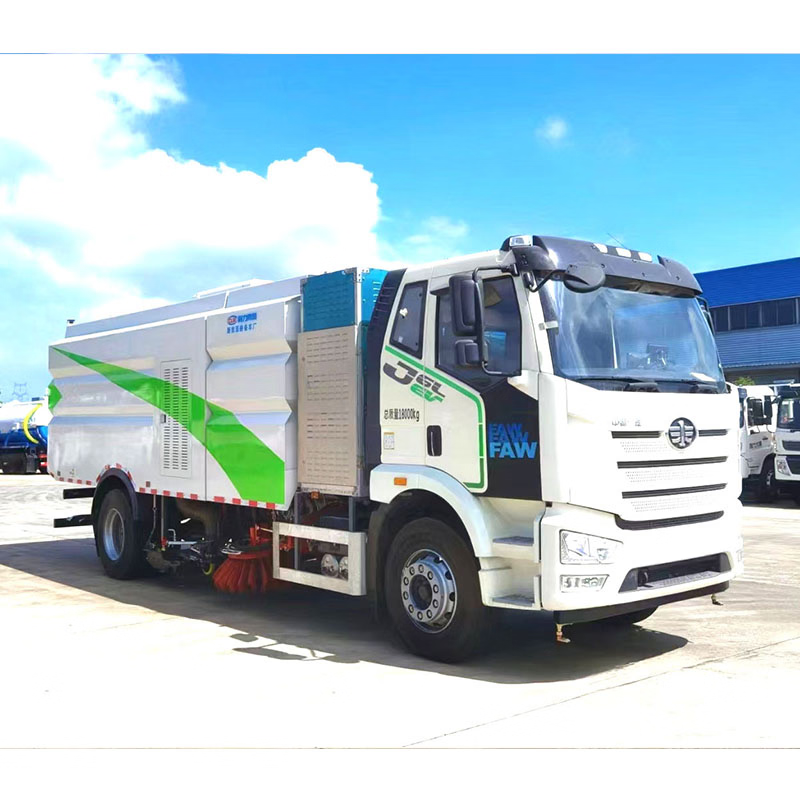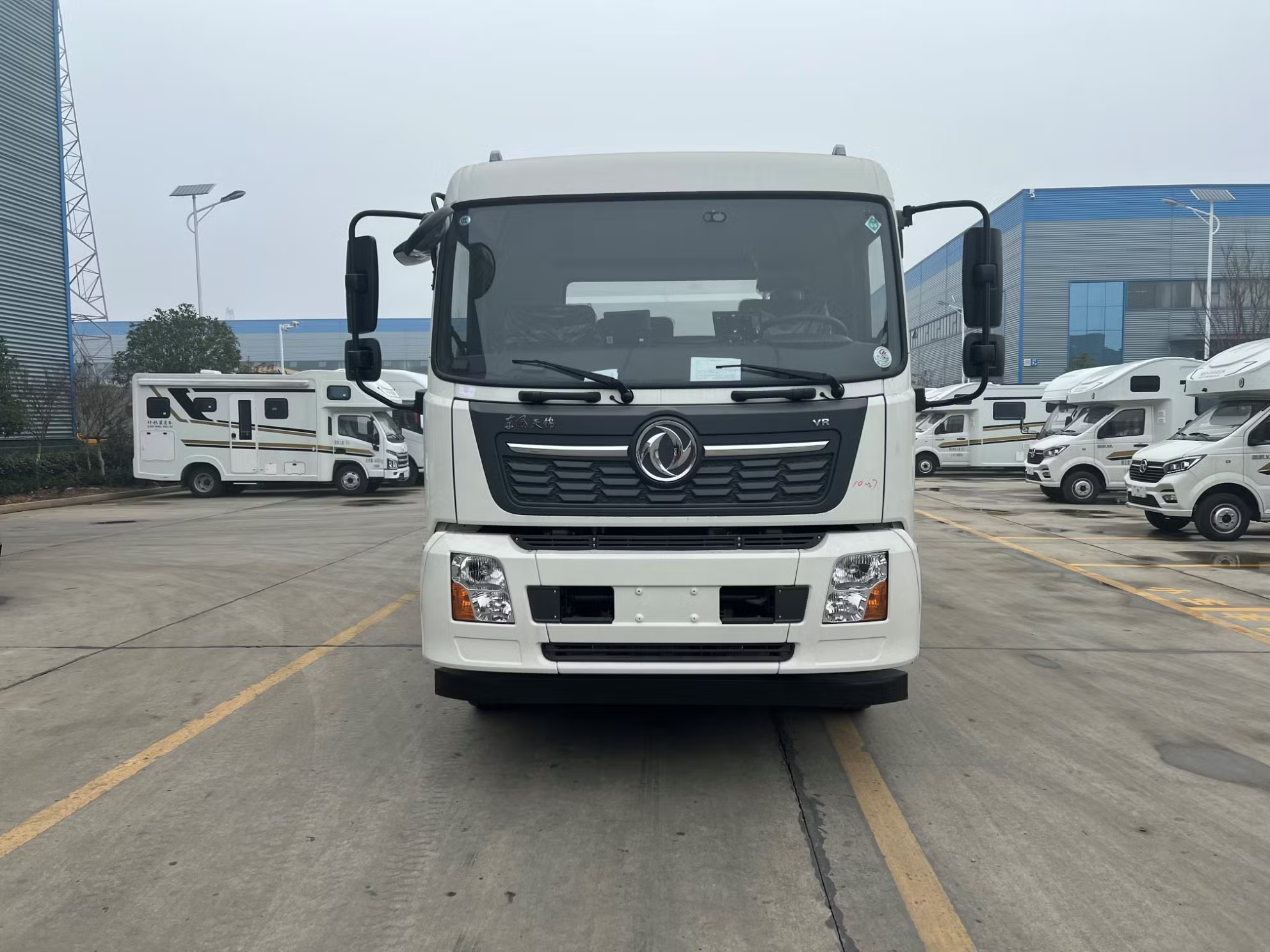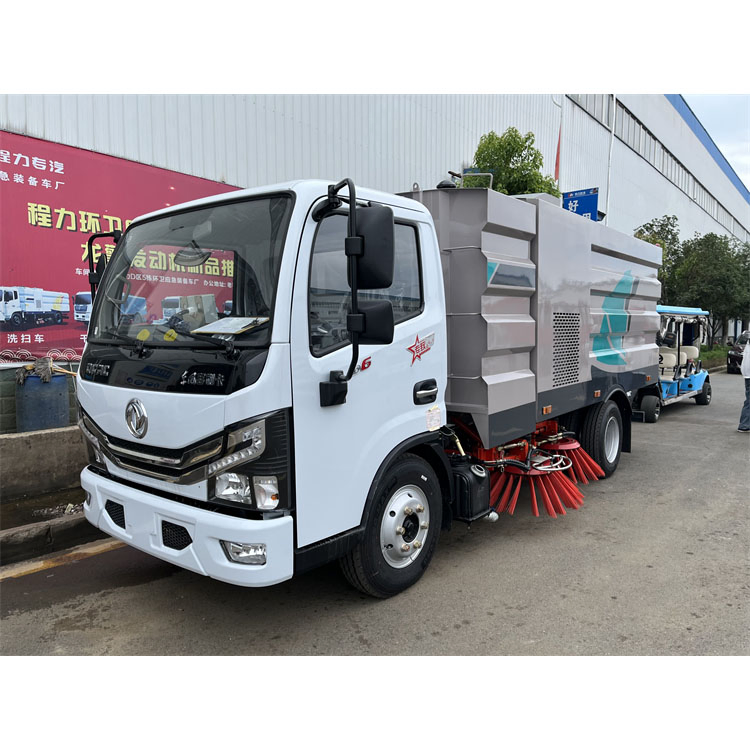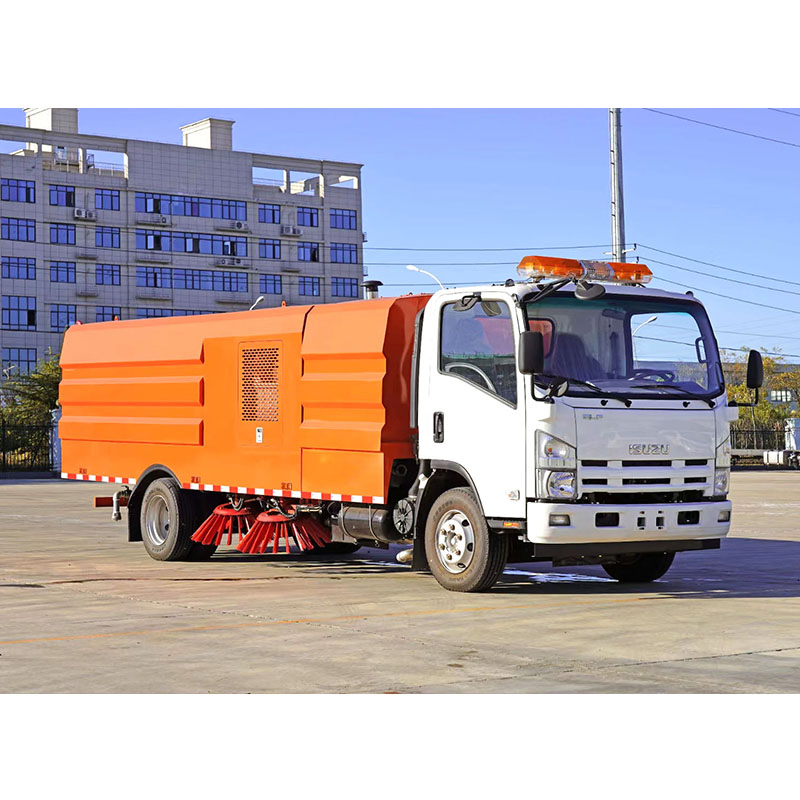
Before ordering new road sweeper brushes, record the sweeping body model and serial number, the exact position of each brush, its mounting details and original size, and a set of dated wear photos. The chassis brand alone does not identify the brush. With this pack, whoever handles the parts enquiry can match the right part instead of guessing from a photo.
Why the chassis name is not enough
A road sweeper is a chassis with a separate sweeping body on top. The same chassis may carry different sweeping bodies, and each body may use different brushes. Record the fleet number, the chassis model, the sweeping body maker and the body serial number. Add the brush part number or drawing reference from the parts manual if you have it. Keep chassis parts and sweeping body parts in separate files, so the two enquiries do not get mixed up. For how the brushes, fan and water spray work together, see how a street sweeper works.
Name each brush position clearly
Describe left and right as seen from the driver seat, facing forward. Add front, middle or rear where it applies. Many sweepers carry two or four side disc brushes, and some also have a wide main brush under the body. Label the same position on each photo. If you order brushes for several positions, give each position its own line, even if the brushes look the same. A left disc and a right disc usually turn in opposite directions and may not swap.
Mounting details and sizes
Use the parts drawing for the original diameter, bristle type and mounting pattern. If you measure a brush yourself, say what you measured and the unit. Keep new sizes apart from worn sizes. Photograph the brush in place, the mounting plate where you can see it safely, and any part marks. Measure only with the engine off and the brushes lowered or locked as the body maker manual says. Never measure while the sweeper is working.
Track wear without inventing a limit
Take photos of each brush from the same angle at each routine inspection, and date them. Note uneven wear, missing bristle sections and any drop in sweeping quality. Add the working hours and the last replacement date. These notes show how fast each position wears on your roads. They do not set a general wear limit, so follow the body maker manual on when to replace.
Road conditions in many African cities speed up wear. Sand, gravel shoulders and broken road edges wear bristles faster than smooth asphalt. Hot pavement and dry dust add to it. If the water spray is not used, more dust also reaches the suction system and filters. Recording the type of road each truck works on helps explain why one truck needs brushes sooner than another.
A complete brush enquiry
| Item | What to attach |
|---|---|
| Equipment identity | Fleet number, chassis model, sweeping body maker and serial number |
| Brush position | Left or right, front, middle or rear, labelled on photos |
| Part reference | Part number or drawing reference from the parts manual |
| Mounting | Drawing or photos of the mounting plate and fixings |
| Sizes | Original size from the drawing, plus labelled measured sizes |
| Condition | Dated wear photos, working hours, last replacement date |
| Quantity | Number needed for each position |
Keep the reply you receive, with its part reference, alongside the order and the fitting record. The next enquiry can then start from a known part. If you are comparing new sweepers, ask at the quotation stage for the sweeping body parts list as well as the chassis manual. The road sweeper specs guide explains the cleaning width, water tank and dustbin figures.
Road sweepers on CLW pages
These sweepers differ in chassis class, dustbin size and brush layout, so check the equipment table on each page:
- Qingling Isuzu 4x2 Road Sweeper Truck, 12 Ton Class, 130 hp, Sweep and Suction: a mid-size sweep and suction truck for city streets.
- Shacman 4x2 Road Sweeper Truck, 12 Ton Class, 140 hp Yuchai, Sweep and Suction: a 12 ton class body for town roads.
- HOWO 4x2 Road Sweeper Truck, 18 Ton Class, 240 hp Weichai, Sweep and Suction: a bigger body for main roads and long shifts.
- FAW Jiefang 4x2 Road Sweeper Truck, 18 Ton Class, 220 hp, Sweep and Suction: an 18 ton class sweep and suction truck.
- Dongfeng 4x2 Road Sweeper and Washer, 18 Ton, 7 m³ Dustbin, 230 hp: sweeping plus washing for dusty roads.
- Dongfeng 4x2 Road Sweeper Truck, 3.5 m³ Dustbin, 2 m³ Water Tank, 136 hp: a compact sweeper for narrow streets and compounds.
- Dongfeng 6x4 Road Sweeper Truck, 7 m³ Dustbin, 9,000 L Water Tank, 25 t GVW: a 9,000 L water tank for long runs between refills.
See all road sweepers, or the water bowsers used for dust control on the same roads. For the buying steps, read how to buy from CLW.