To drive a truck safely on muddy murram or laterite roads, keep every input smooth. Pull away with light throttle, leave a much longer gap, brake early and gently, and hold a low gear on descents. If a wheel sinks, stop spinning it, dig and pack the hole, and call recovery early instead of forcing the driveline.
Why mud changes how a loaded truck behaves
Mud cuts the grip between tyre and road. The truck needs a longer distance to stop, and it slides more easily in a bend. Most trouble on mud comes from three causes: too much throttle, too much brake and too much speed for the corner.
In the rainy season, a murram or laterite road can turn soft within hours. Brown water can hide deep ruts, potholes and washed-out edges. Workshops and fuel stops may be far apart, so a stuck truck can wait a long time for help. Drivers also move between trucks, and each one has its own weight, clutch and brake feel. Spend a few minutes learning the truck before the first wet trip. Plan the route so the heaviest loads avoid the worst sections.
Pulling away and keeping a safe gap
Use gentle throttle when you move off on mud or standing water. Too much power spins the driven wheels and can set the truck swaying from side to side. If that starts, lift off the throttle at once. Hold the wheel firmly with both hands and straighten the truck. Then add power slowly while the truck rolls in a straight line.
Leave a much longer gap to the vehicle ahead than on a dry road. On wet ground, space gives you time, and time is what you need when something goes wrong. Switch on the fog lights where fitted when rain or spray hides the road. If you cannot see the vehicles ahead clearly, their drivers cannot see you either.
Common mud problems and what to do
| What happens | Usual cause | What the driver does |
|---|---|---|
| Driven wheels spin when moving off | Too much throttle | Lift off, straighten the truck, add power slowly |
| Rear slides and the tail swings out | Too much power or speed in a bend | Lift off, press the clutch, steer gently into the slide, then straighten |
| Front pushes wide in a bend | Too much speed or heavy braking | Ease off throttle and brake so the front tyres grip again |
| A wheel drops into a soft hole | Hidden rut or soft road edge | Stop spinning, dig, pack the hole and pull out slowly |
| Brakes feel weaker on a long descent | Heat from long, steady braking | Use a low gear and engine braking, brake lightly in short steps |
Handling a skid
Stay calm when the tyres lose grip. Do not jerk the wheel, let go of it or brake harder. Ease off the throttle and let engine braking slow the truck so the wheels find grip again.
If the rear slides out, lift off the throttle and take the drive away. Press the clutch, or select neutral on an automatic gearbox. Steer gently in the direction of the slide to catch it. Once the truck is straight again, centre the wheel and only then add power slowly.
Getting out when a wheel sinks
When a wheel drops into a soft hole, do not keep spinning it. Extra throttle only digs the hole deeper and loads the driveline. Work through these steps instead:
- Clear the edges of the hole with a shovel so the tyre has a slope to climb.
- Lay a traction aid under the tyre, such as a steel mesh mat or solid planks.
- If you have nothing else, pack the hole with flat stones, branches or dry grass.
- Pull out slowly with light, steady throttle.
- If people push, keep everyone away from the rear wheels. Mud and stones can fly out at speed.
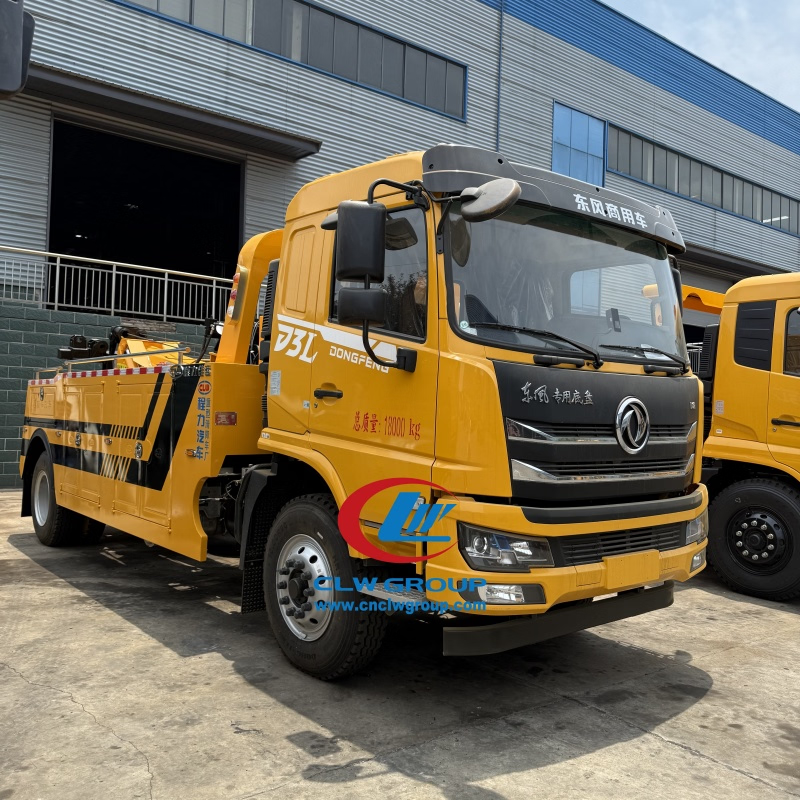
If the truck stays stuck after a few careful tries, call for a recovery truck. Repeated hard attempts can damage the clutch, gearbox and axles. Read the tow truck buying guide if your fleet needs its own recovery vehicle.
Slopes, braking and parking
On a wet climb, sudden throttle or sudden braking often causes wheelspin. Choose the gear before the slope and keep a steady pace. On a descent, never coast in neutral. Stay in a gear that matches your speed, so the engine holds the truck back. If you need the brakes, apply them lightly and in short steps. Long, steady braking builds heat and can reduce braking force.
To stop on a slippery surface, press the brake lightly a few times early, then come to a gentle halt. When you park, apply the parking brake and also leave the truck in gear. Wet ground can settle unevenly under each wheel, and a parked truck may creep.
Trucks for wet-season haulage and recovery
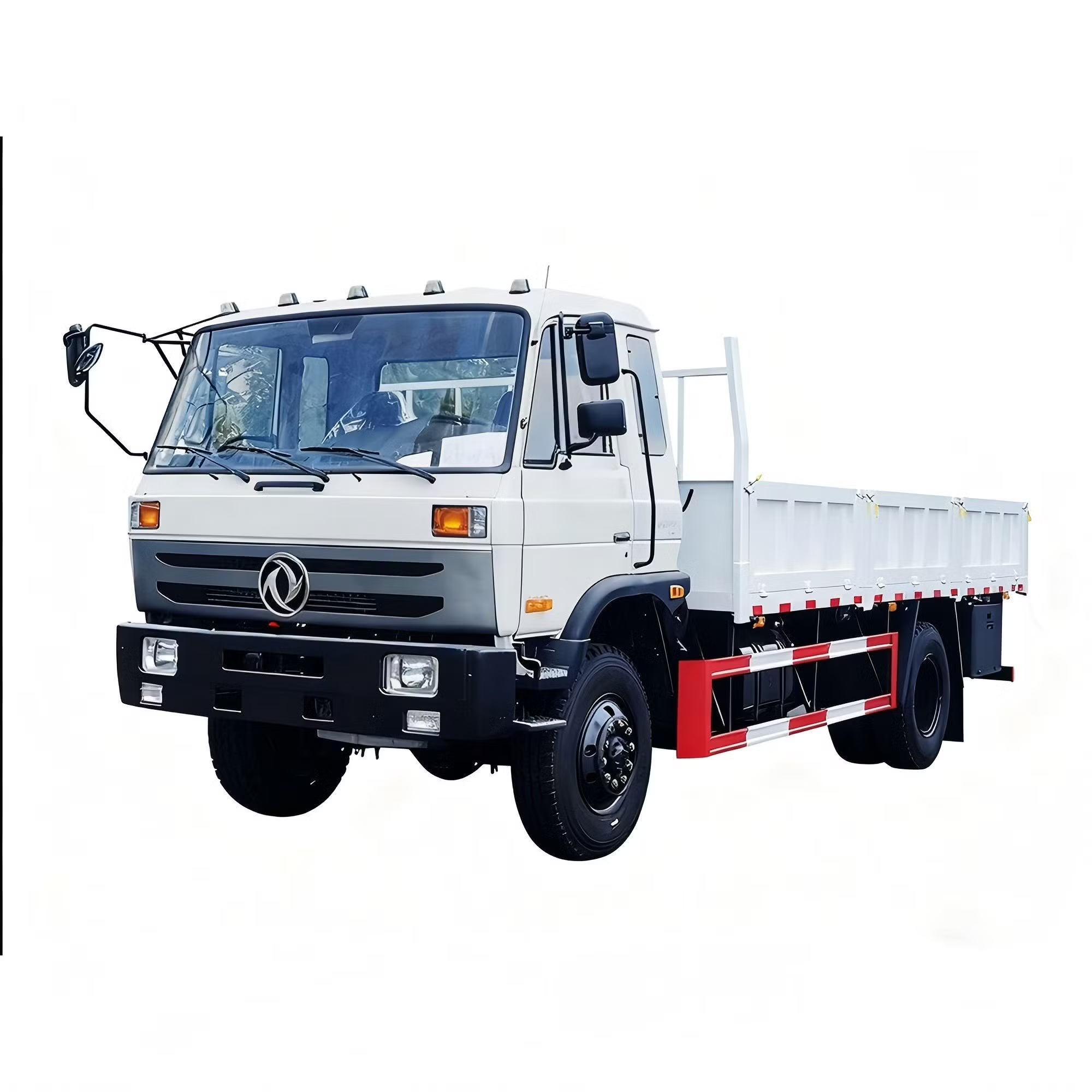
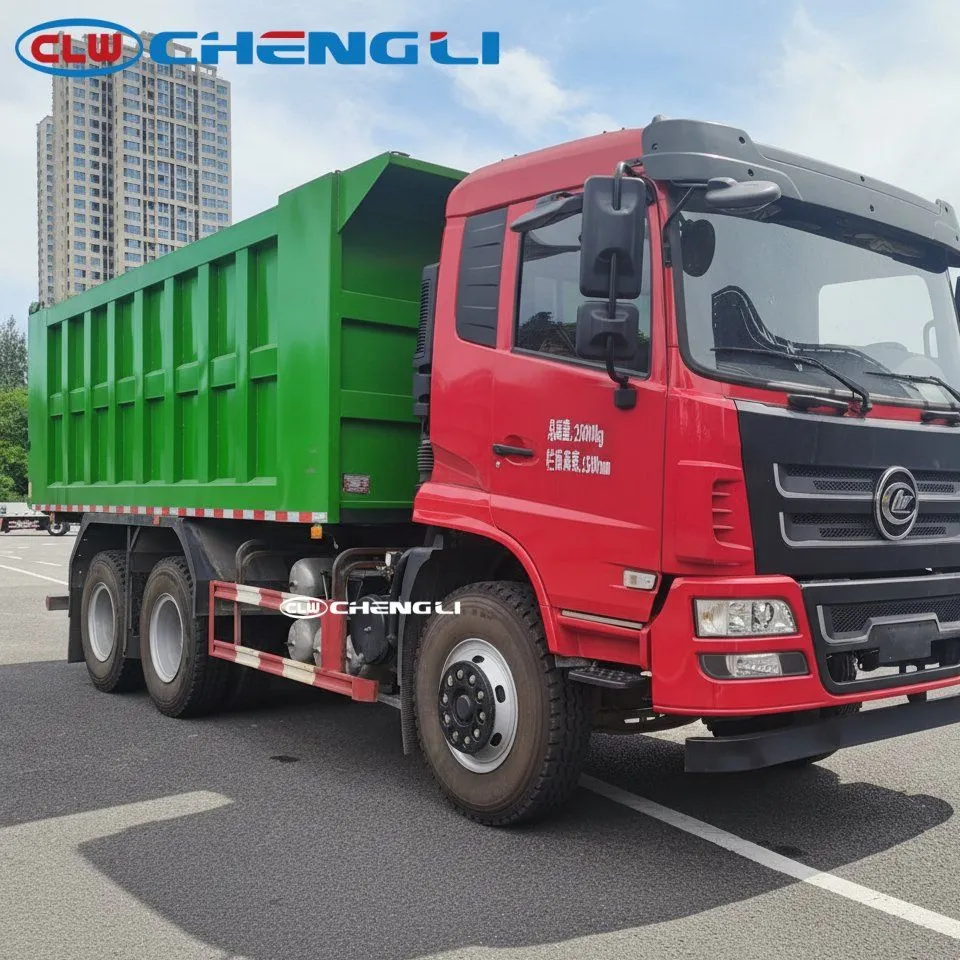
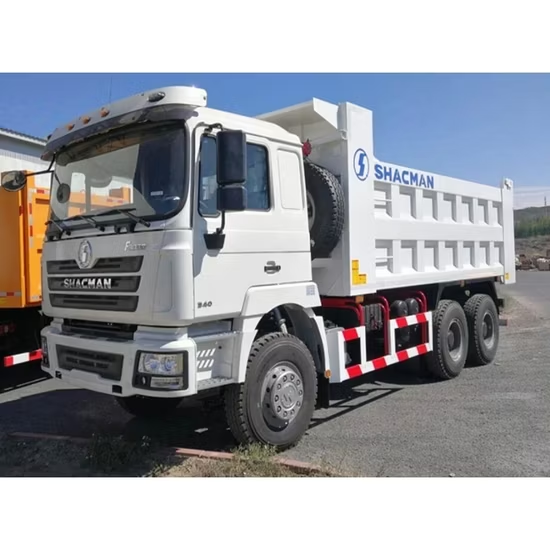
A 4x2 drives one axle, a 6x4 drives two and a 4x4 drives every wheel. More driven wheels help on soft ground, but they do not replace careful driving. See what 4x2, 6x4 and 8x4 mean.
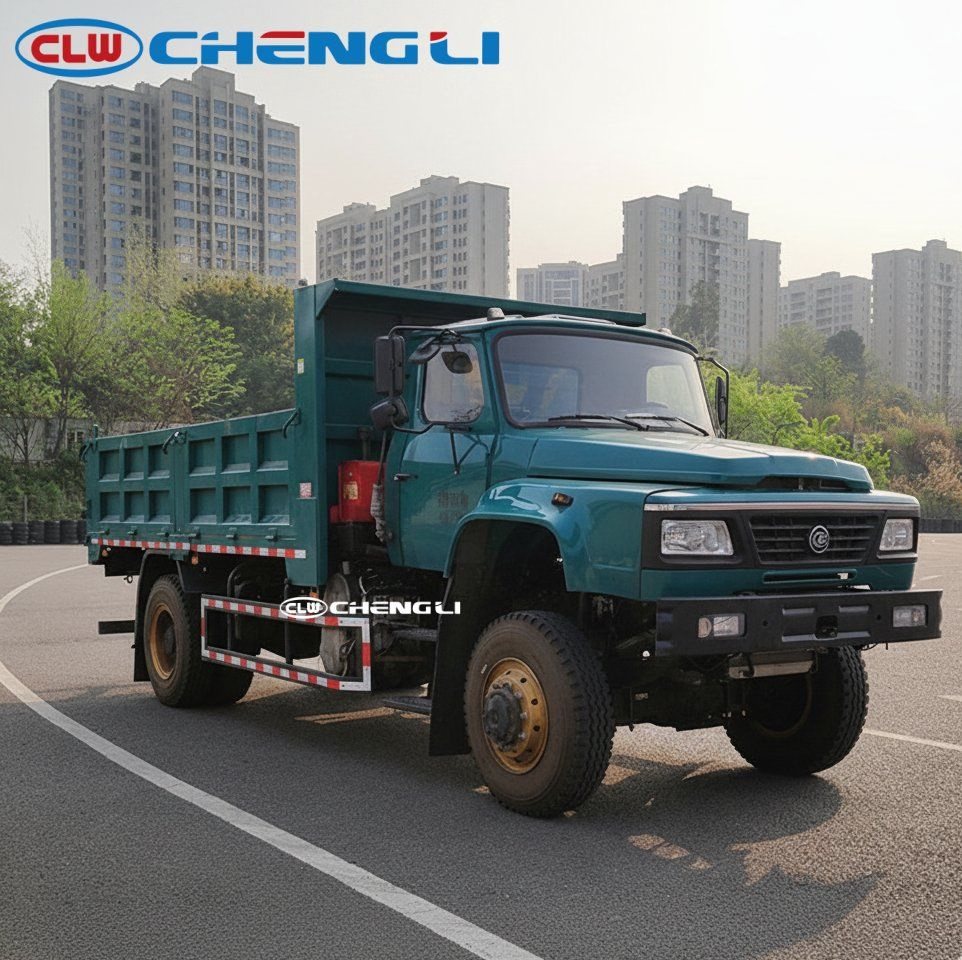
- CLW 4x4 Off-Road Tipper Lorry, 245 hp, 9 Tonne Payload: all-wheel drive for soft site roads and rough tracks.
- Dongfeng 4x4 Tipper Truck, All-Wheel Drive, Cummins 170 hp: a lighter all-wheel-drive tipper for rural works.
- CLW 6x4 Ten-Wheel Tipper Lorry, 15.3 t Payload: two driven rear axles for murram and gravel haulage.
- Shacman 6x4 Heavy Tipper Truck, Weichai WP12 375 hp: heavy quarry and road-works haulage.
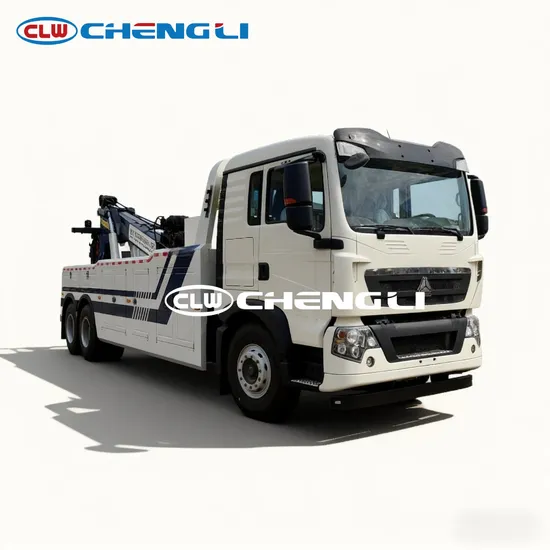
- HOWO 6x4 Heavy Wrecker Truck, 20 Tonne Class Body: recovery of loaded lorries that leave the road.
- Dongfeng 4x2 Wrecker Tow Truck, Two 8 Ton Winches: a lighter wrecker with two winches for pulling vehicles out.
Browse all tipper trucks and tow and recovery trucks. This advice does not replace driver training or the chassis maker manual. To discuss a truck for your routes, use the contact page.