A concrete mixer truck stays reliable with three habits. Keep the drum turning while it is loaded, wash the drum and chute after every load, and keep the hydraulic drive clean and cool. Most costly failures come from skipped washes, dirty hydraulic oil, neglected drive shaft joints and shortcuts such as removing the thermostat.
Concrete sets fast, and it is hard on steel and paint. If the drum stops with a full load, the batch may be lost. In the worst case the concrete hardens inside the drum and the truck is off work for a long time.
How the drum is driven
A mixer truck is a chassis with a mixing unit on top. A power take-off draws power from the engine and drives a variable hydraulic pump. The pump feeds a fixed hydraulic motor. The motor turns a reduction gearbox, and the gearbox turns the drum. Smaller mixers usually take power from the main engine. Some larger drums use a separate auxiliary diesel engine instead.
Inside the drum, spiral blades lift and fold the concrete. The drum turns forward while loading and in transit, which moves the mix inward. It turns in reverse to discharge. Worn or damaged blades give uneven mixing and can let the mix separate. The wash water system cleans the drum and also helps keep the hydraulics cool. For a full explanation, read how a concrete mixer truck works.
Routine for every load
- Before loading, drain standing water and loose debris from the drum, and wet the loading hopper.
- Keep the drum turning the whole time it carries concrete, so the mix does not separate.
- On site, run the drum at mixing speed for a short time before discharge, as the body maker manual states. Bring the drum to a full stop before you reverse it.
- Keep within the time limit from loading to discharge set by the batching plant. In hot weather that limit is shorter.
- After discharge, hose down the hopper, chute and every place where slurry has splashed.
- On the way back, add the wash water quantity given in the manual and keep the drum turning slowly forward.
- At the end of the day, fill the drum with clean water, run it at high speed for a few minutes, then drain it fully.
When you use a pressure washer, keep the nozzle well away from painted surfaces and keep water off gauges and control levers. Never change the hydraulic pressure settings. They must stay as the manual specifies.
Drive shaft and hydraulic care
Universal joints on the drive shaft are a common failure point. Grease them on schedule, check them for play and replace them early. A spare shaft assembly at the depot can get a stopped truck back to work quickly.
Keep the hydraulic oil clean. Water, slurry and sand must not enter the system. If you find water or grit in the oil, stop using the truck, flush the system and change the oil. Clean cement deposits from the oil cooler and check that its fan runs, so the oil does not overheat. Oil grades and change intervals come from the manual. For why hydraulic systems differ, see why two mixer quotes can have different hydraulic systems.
Common maintenance mistakes
| Mistake | Why it does harm | Do this instead |
|---|---|---|
| Removing the thermostat to cure a hot engine | Coolant flows without control, the engine often runs too cool, power drops and wear and fuel use rise | Find the real cooling fault in the radiator, belt, pump or fan |
| Thinking a cool engine does no harm | Low running temperature also increases wear | Run within the normal range shown in the manual |
| Fitting the fan belt as tight as possible | The belt stretches and breaks early, and pump and alternator shafts can bend | Set belt tension as the manual states |
| Skipping one wash | Hardened concrete builds up and reduces drum capacity | Wash after every load and at the end of the day |
Safety around the drum
Stop the engine and wait until the drum stops fully before you clear concrete or do any repair inside. If anyone must enter the drum, ventilate it first, check for harmful dust or fumes and use well-insulated electric tools. Never put your hands into a turning drum or into the joint of the discharge chutes. Only trained operators should run the truck.
Heat, dust and mud on African job sites
Heat shortens the time concrete stays workable, so plan the route and the discharge point with care. Dust and mud on murram roads pack the oil cooler and coat the drive shaft joints, so wash and grease them more often. Do not use wash water full of sediment where it can reach the hydraulic system. Where the nearest workshop is far away, keep spare joints, filters and hoses at the depot, because parts may take time to arrive.
Mixer trucks on this site
See all concrete mixers, or tipper trucks for sand and aggregate supply to the batching plant.
- Dongfeng 4x2 Concrete Mixer Truck, 3 to 6 m3 Drum, 16 t GVW: small sites and narrow access roads.
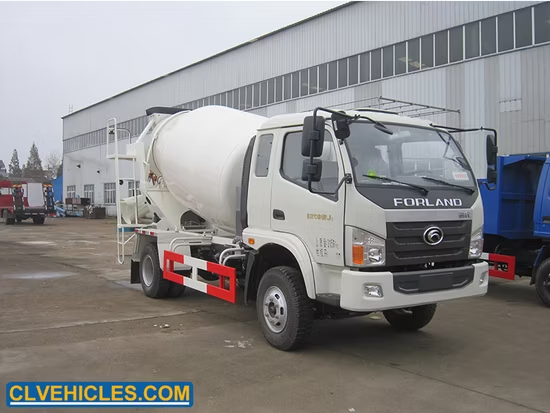
- Foton Forland 5 m3 Concrete Mixer Truck, Yuchai 130 HP, 4x2: house building and small contractors.
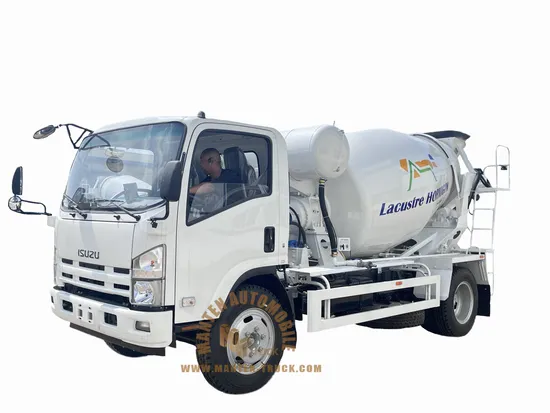
- Isuzu 4x2 Small Concrete Mixer Truck, 3 to 5 m3 Drum, 190 hp: short pours in town.
- 4x2 Concrete Mixer Truck, 8 m3 Drum, 250 hp Diesel, 8-Speed Manual Gearbox: medium pours where a two-axle truck fits the access.
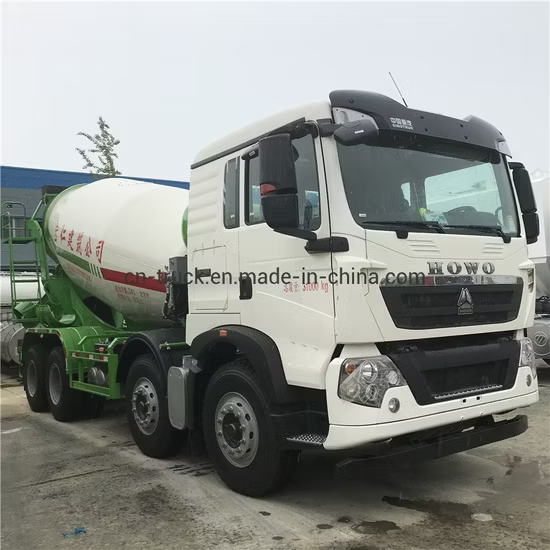
- HOWO 6x4 Concrete Mixer Truck, 8-12 m3 Drum, 336 HP, 20 t Payload: ready-mix plants serving town projects.
- Dongfeng 6x4 Readymix Truck, 10 m3 Drum, Yuchai 280 hp: regular plant to site runs.
- HOWO 8x4 Concrete Mixer Truck, 12, 14 or 16 m3 Drum, 336 hp: large pours on good roads.
To plan an order, read how to buy or contact us.