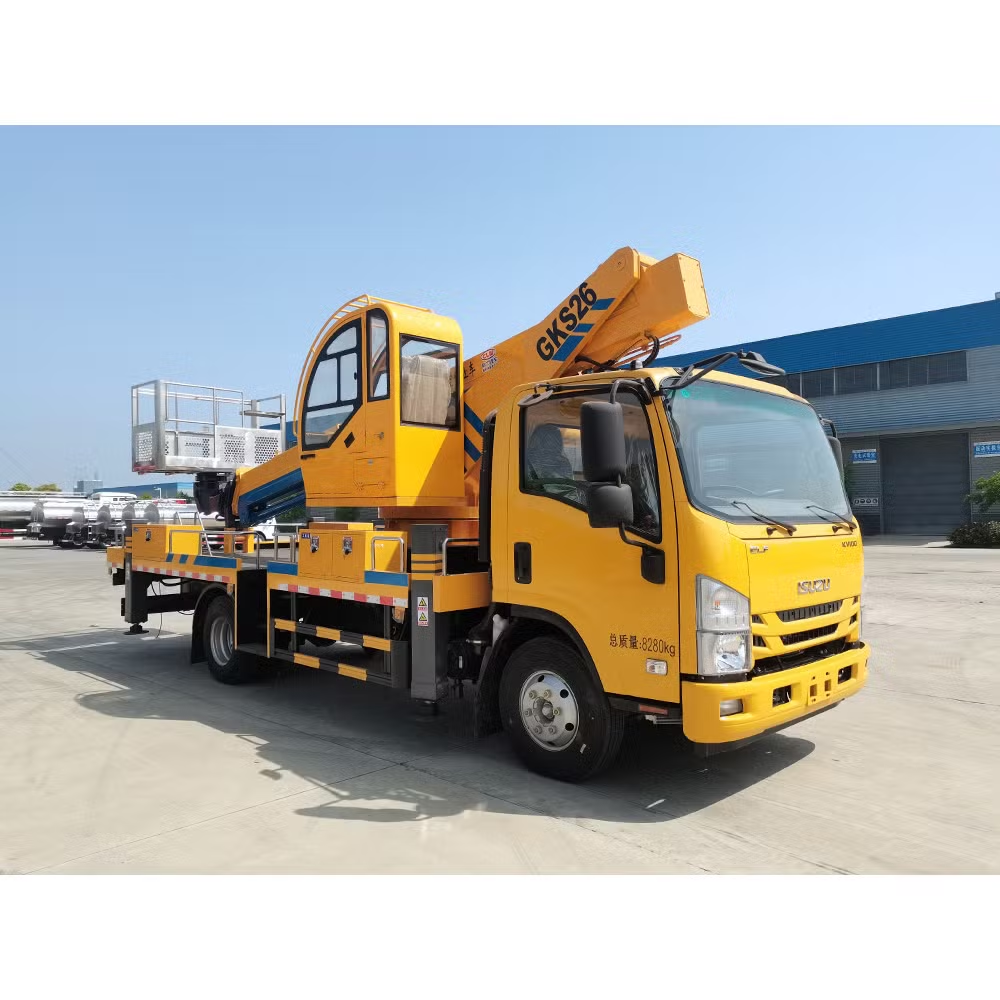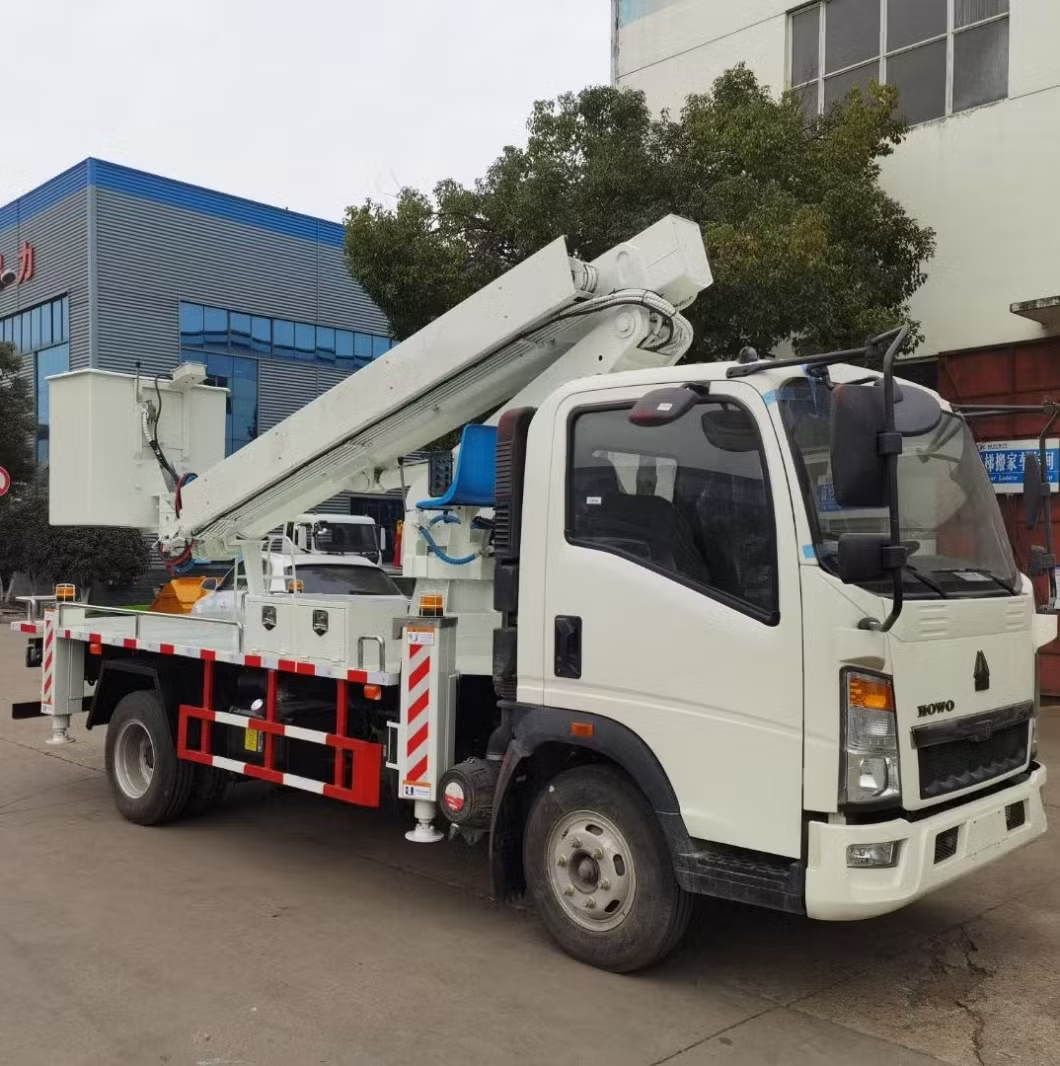
Good bucket truck service records tie everything to one configuration: the chassis number, the boom model and the basket version. Keep a numbered reach chart for that set-up, record each inspection together with the action that closed it, and log repairs apart from changes to the boom or basket. Then any technician can read the truck history in minutes.
Start a configuration record on delivery day
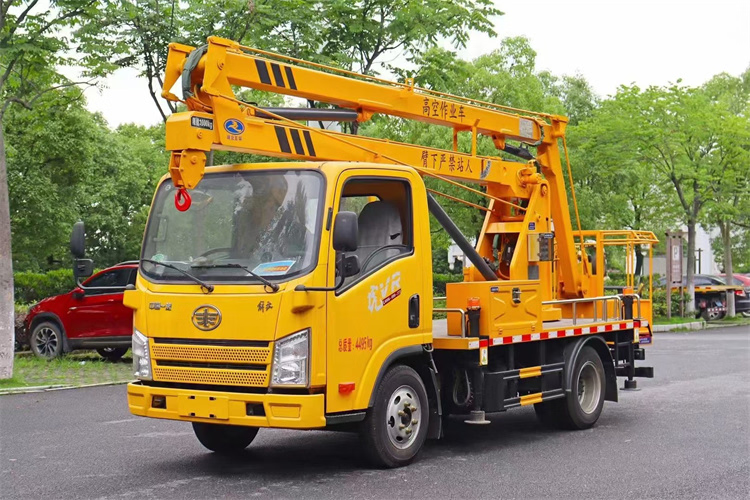
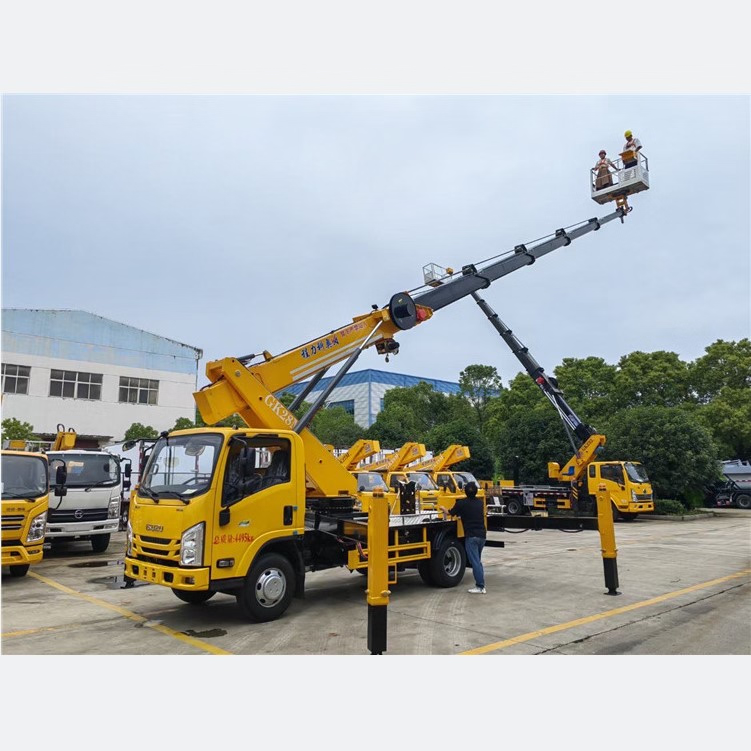
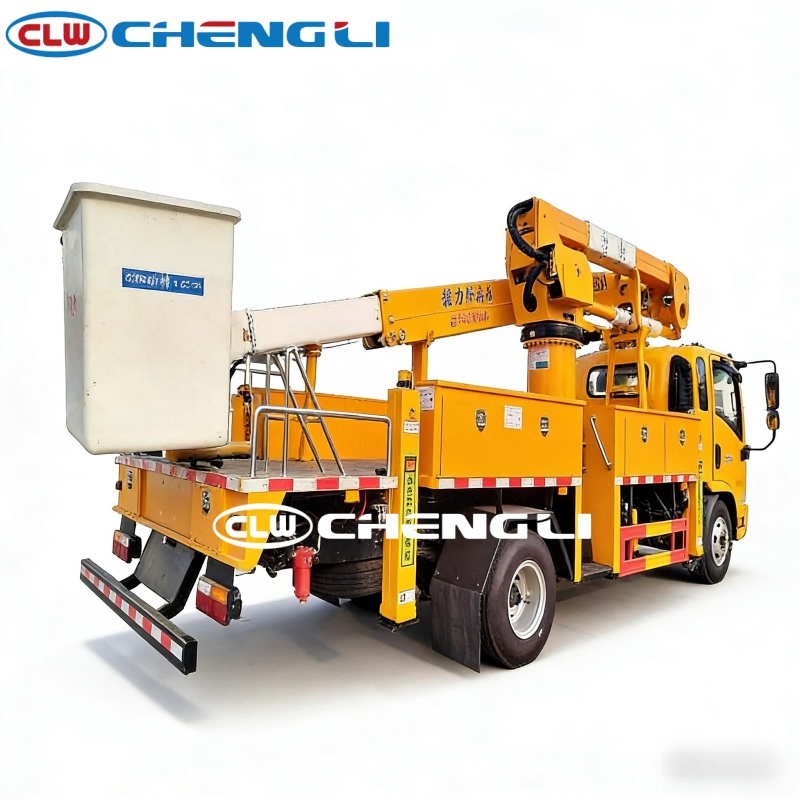
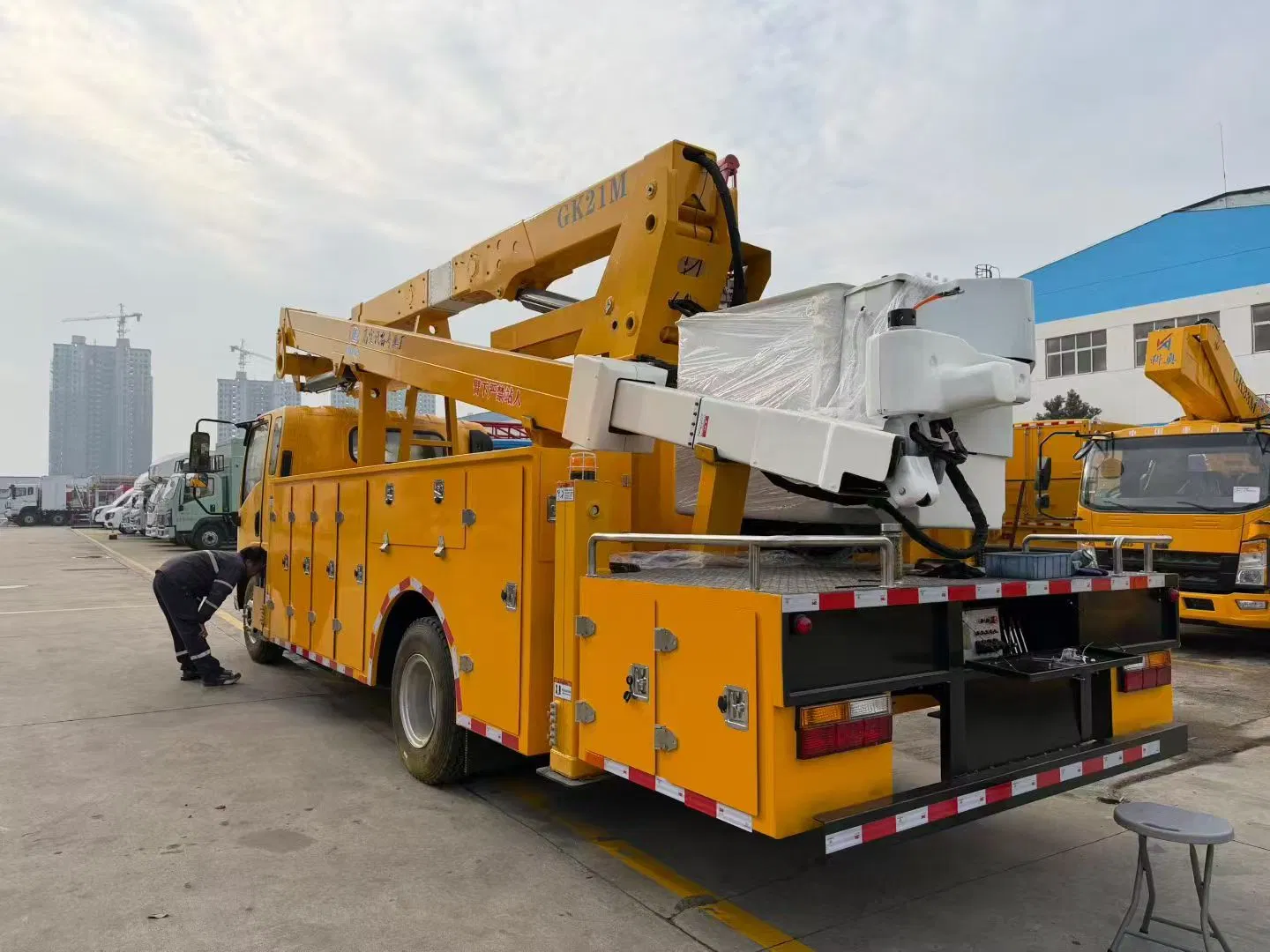
When the truck arrives, write down the chassis number, the boom model and serial number, and the basket or platform version. Copy the rated working height, the outreach and the basket load from the documents supplied with the truck. Keep the certificates and the operating manual with this record. If you run several bucket trucks, give each one its own record, even when two units look the same. A 16 m telescopic boom and a 16 m folding boom work differently and have different charts. See how a bucket truck works for the main parts.
Keep reach charts by revision
The reach chart, or working range diagram, shows how far the basket can go at each height with its rated load. It changes when the boom, the basket or the outriggers change. Give each chart a number and a date. Write on it which truck and which boom it belongs to. Remove old charts from the cab, or mark them clearly as replaced. A chart without a revision mark is a safety risk, not a record. Crews rely on it when they set up beside a power line or a building.
Record each inspection with its closing action
Every inspection gives two results: what was found and what was done about it. Keep both on the same page. Write the date, the item checked, what was seen or measured, the action taken and who signed it off. A list of defects without closing actions says little about the real condition of the truck. Follow the boom maker manual for what to inspect and how often. Follow the rules of your country for any formal inspection of lifting equipment.
Dust, heat and distance: what to note in the field
Bucket trucks on rural power line projects in Africa often drive long distances on gravel roads. Dust settles on cylinder rods, the slewing gear and control valves. Heat ages hoses and seals. Note where dust builds up, any weeping hose fittings, and any change in how smoothly the boom moves. For insulated booms, record each cleaning and any visible damage to the insulated section. Follow the boom maker instructions for insulation testing. When the nearest workshop is far away, these notes help a technician decide what to bring before the trip.
Keep repairs apart from configuration changes
A repair returns the truck to its original state. A configuration change makes it different, for example a new basket, an added tool outlet or a changed outrigger. Log the two in separate columns, and write who approved each change. When the boom, basket or outriggers change, the reach chart and the load limit may change with them. Ask the boom maker for an updated chart before the truck goes back to work.
A one-page register for each truck
| Section | What it holds |
|---|---|
| Identity | Fleet number, chassis number, boom model and serial number, basket version |
| Current configuration | Working height, outreach and basket load as delivered or as changed |
| Documents | Reach chart number and date, manuals, certificates |
| Inspections | Date, item, finding, action, sign-off |
| Repairs | Date, fault, parts replaced, who did the work |
| Changes | What changed, who approved it, new chart number |
Keep the register where both the workshop and the crews can reach it, on paper in the truck or as a shared file. Then anyone can open the right page and see what is done and what is still open. To compare working height and outreach between models, read bucket truck specs explained.
Bucket trucks on CLW pages
These models show how boom type and working height vary. Each one needs its own record and its own chart:
- Sinotruk HOWO 4x2 Bucket Truck, 16 m Telescopic Boom, 200 kg Basket: a telescopic boom for street lighting and town power lines.
- FAW 4x2 Bucket Truck, 14 m Folding-Arm Aerial Work Platform, 200 kg Basket: a folding arm that reaches over obstacles at lower heights.
- Isuzu 4x2 Bucket Truck, 16 m 5-Section Telescopic Boom, 200 kg Basket: a compact chassis with a five-section boom.
- Shacman 4x2 Insulated Bucket Truck, 18 m Articulated Boom Lift: an insulated articulated boom for power line work.
- Shacman 4x2 Insulated Bucket Truck, 21 m Folding Boom, 45 kV: an insulated folding boom with a 45 kV rating.
- Isuzu KV100 4x2 Bucket Truck, 26 m Telescopic Boom, 13 m Side Reach: long side reach for work set back from the road.
- Sinotruk HOWO 4x2 Bucket Truck, 33 m Telescopic Boom, Remote Control: a tall reach for high masts and towers.
See all bucket trucks, and the crane trucks often used beside them on line projects. When you are ready to ask for a quotation, use the contact page.